
If you own an Amana washer, it’s likely a trusted helper in your home. But what happens when your washer gets stuck on the wash cycle? You might notice the drum keeps spinning, the water stays in the tub, or the timer doesn’t move. Laundry piles up and frustration grows. This problem is common in both older and newer Amana models. The good news: most causes can be fixed without buying a new washer or calling a technician right away. This guide explains why your Amana washer is stuck on wash, how to diagnose the issue, and what you can do to get it running again.
Understanding The Wash Cycle
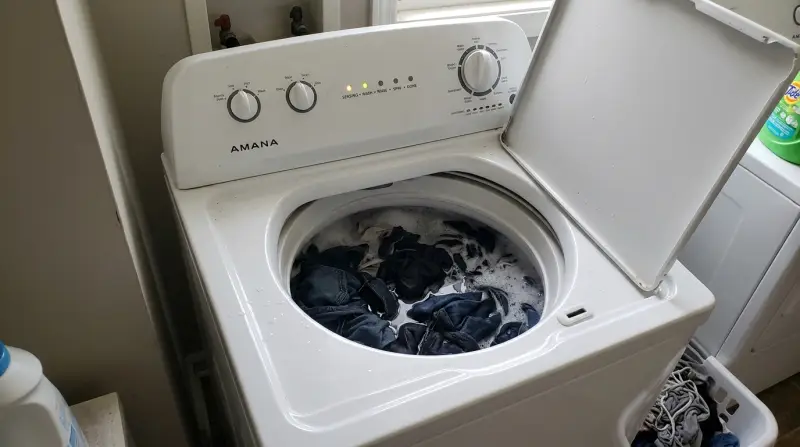
The wash cycle is a key part of your laundry routine. During this time, the washer fills with water, agitates the clothes, and mixes in detergent. After the wash, it should drain and move to rinse and spin. When the cycle doesn’t advance, clothes are left soaking and unfinished. The cycle can get stuck for many reasons, ranging from simple user errors to mechanical problems.
Common Reasons An Amana Washer Gets Stuck On Wash
Knowing what can cause the issue is the first step toward a solution. Here are the most frequent reasons:
- Lid Switch Malfunction: The lid switch signals the washer that the lid is closed and it’s safe to move to the next cycle. If it fails, the washer may pause or stop.
- Faulty Timer: The timer controls cycle length. If it’s stuck or defective, the washer won’t move forward.
- Drainage Problems: If water can’t drain, the washer stays in the wash cycle.
- Control Board Issues: Modern washers have electronic control boards. A glitch or failure can freeze the cycle.
- Water Level Sensor Fault: This sensor tells the washer when to drain. A faulty sensor may keep the washer agitating.
- Overloaded Washer: Too many clothes can confuse the washer, causing it to stay in one cycle.
- Clogged Pump or Hose: Blockages prevent draining, keeping the washer stuck.
- Incorrect Cycle Selection: Sometimes, the wrong setting can cause confusion, especially for heavy or bulky cycles.

Diagnosing The Problem
To fix your Amana washer, you need to pinpoint the problem. Here’s how you can diagnose what’s wrong.
Step 1: Observe The Washer
Watch and listen. Does the drum spin? Is there water in the tub? Are there error codes on the display? These clues can tell you where to look next.
Step 2: Check For Error Codes
Many modern Amana washers display error codes. Look in your user manual for a list of codes. For example, “Ld” means long drain, “F9E1” is drain time too long, and “F7E1” is motor speed sensing error.
Step 3: Try A Reset
Unplug the washer for 60 seconds, then plug it back in. This simple reset can clear glitches and may allow the cycle to continue.
Step 4: Inspect The Lid Switch
Open and close the lid. Listen for a click. If there’s no sound, the switch may be faulty. Older models have a mechanical switch near the lid hinge; newer models may have a magnetic sensor.
Step 5: Test The Timer
If your washer has a manual dial, turn it gently. If it’s hard to move or feels stuck, the timer may need replacing.
Step 6: Examine The Drainage System
Check for water left in the tub. Remove the back panel and inspect the drain hose for kinks or blockages. Make sure the drain pump isn’t clogged with lint, coins, or small objects.
Step 7: Check The Control Board
If the washer is unresponsive, the control board may be at fault. Look for signs of burning or damage on the board.
How To Fix An Amana Washer Stuck On Wash
Once you have identified the likely cause, you can move to the fix. Here’s what to do for each common problem.
Lid Switch Replacement
A broken lid switch is a frequent cause. The washer “thinks” the lid is open and stays in the wash. Replacement is simple:
- Unplug the washer.
- Locate the switch (under the lid or near the hinge).
- Remove screws and disconnect wires.
- Install a new switch and reconnect.
A new lid switch costs about $15–$40. Most people can replace it with basic tools.
Timer Repair Or Replacement
Timers wear out over time. If the dial sticks or the washer doesn’t advance, replace the timer:
- Unplug the washer.
- Access the timer from behind the control panel.
- Disconnect wires and remove the old timer.
- Install a new timer.
Timers cost $50–$120 depending on model. Be sure to match your exact Amana model number.
Clearing Drainage Issues
Blockages are common, especially with pet hair, lint, or small items. To clear:
- Unplug washer.
- Remove back or lower panel.
- Disconnect and check the drain hose.
- Open the drain pump and remove debris.
If the pump itself is broken, a replacement costs $30–$80.
Control Board Reset Or Replacement
For electronic problems, try a reset first. If that doesn’t work and you see physical damage, the control board may need replacement. This is more advanced—if unsure, call a technician.
Water Level Sensor Fix
If the washer fills but doesn’t advance, the sensor may be dirty or broken. Clean the sensor tube with warm water and a soft brush. If broken, replace it (usually $20–$60).
Dealing With Overloads
Remove some clothes and restart the cycle. Overloading can stop the washer from spinning or draining.
Correcting Cycle Selection
Double-check the cycle you selected. Some cycles (like heavy-duty or bedding) take much longer or pause for soaking. Refer to your user manual for cycle explanations.
Table: Common Symptoms And Likely Causes
Here’s a quick reference to match symptoms with causes.
| Symptom | Likely Cause |
|---|---|
| Washer full of water | Drain blockage, pump failure |
| Cycle never advances | Timer, control board, or lid switch |
| No sound or movement | Lid switch, control board |
| Display shows error code | Sensor or electronic fault |
When To Call A Professional
Some fixes are best left to experts:
- If you smell burning or see smoke.
- If water leaks from the bottom of the washer.
- If you’re uncomfortable working with electrical parts.
- If you’ve tried the above and the problem remains.
Repair costs can vary. For example, replacing a control board can cost $200–$400 with labor. Weigh the cost of repair against buying a new washer, especially if your unit is over 10 years old.

Preventing Future Problems
A little maintenance goes a long way. Here’s how to keep your Amana washer running smoothly:
- Don’t overload the washer. Follow the load size guide in your manual.
- Clean the lint filter (if present) every few washes.
- Check pockets for coins, keys, and small objects before washing.
- Use the right detergent—too much can cause buildup and blockages.
- Run a cleaning cycle monthly with washer cleaner or vinegar.
- Inspect hoses every 6 months for kinks or damage.
- Keep the lid closed when not in use to avoid dirt and pets entering.
Table: Average Repair Costs For Amana Washer Issues
This comparison helps you decide if a DIY fix or professional service makes sense.
| Repair Type | DIY Cost | Professional Cost |
|---|---|---|
| Lid switch | $15–$40 | $90–$150 |
| Timer | $50–$120 | $130–$250 |
| Drain pump | $30–$80 | $120–$250 |
| Control board | $100–$250 | $200–$400 |
Important Tips Most People Miss
Many guides mention the basics, but here are two key insights:
- Check for hidden error codes. Some Amana washers store codes even if not displayed. Holding certain buttons (like Start and Cancel) together for a few seconds can reveal stored errors. Always check your manual.
- Consider your power source. Sometimes, outlets or breakers are the problem. Try plugging the washer into a different outlet before replacing expensive parts.
Both steps can save time and money, and often get overlooked by beginners.
Table: Manual Vs. Electronic Amana Washer Troubleshooting
Understanding your washer type makes troubleshooting easier.
| Washer Type | Common Problem | Troubleshooting Approach |
|---|---|---|
| Manual Dial | Stuck timer | Check dial movement, replace if stiff |
| Electronic Control | Error codes, software glitches | Read display, reset washer, check board |
Choosing Repair Parts
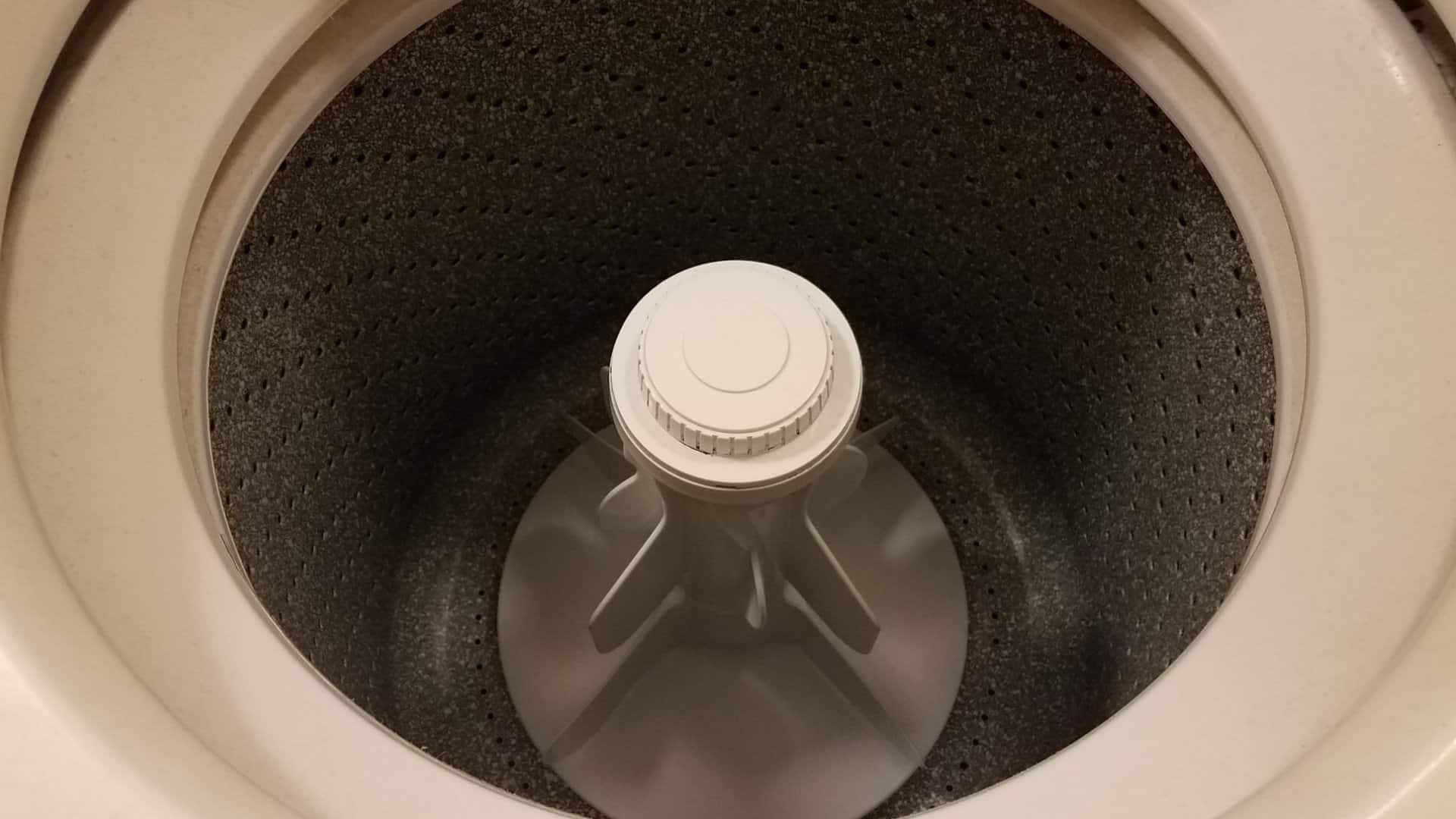
When buying replacement parts, always use your Amana washer’s model number. This number is usually found around the door frame or on the back of the machine. Using the wrong part can cause new problems or void your warranty. For trusted parts, consider buying from official Amana retailers or reputable appliance parts stores.
When Replacement Makes Sense
If your washer is old and repair costs are high, replacement may be smarter. Newer washers are more energy efficient and may come with better warranties. According to the U.S. Department of Energy, washers over 10 years old use much more water and power than new models. If you’re facing repairs over $300–$400, compare this with the price of a new unit.
For more information on energy savings and appliance life cycles, visit the official ENERGY STAR website.
Frequently Asked Questions
Why Does My Amana Washer Fill With Water But Not Advance?
This is often due to a faulty lid switch, a stuck timer, or a blocked drain. Check if the lid clicks when closed and inspect the drainage system for clogs.
How Do I Reset My Amana Washer?
Unplug the washer for 60 seconds and plug it back in. For electronic models, press and hold the Start button for 3 seconds, then select a new cycle.
My Washer Displays An Error Code what Should I Do?
Look up the code in your user manual. Common codes like Ld, F9E1, or F7E1 relate to draining or motor issues. Address the specific problem or clear blockages.
Can I Fix The Washer Myself, Or Do I Need A Technician?
Many issues, like a lid switch or a simple clog, can be fixed at home with basic tools. For electrical or control board problems, it’s safer to call a technician.
How Can I Prevent My Amana Washer From Getting Stuck Again?
Don’t overload the washer, clean it regularly, use the right detergent, and check for loose items in pockets. Perform routine maintenance, and check the hoses every few months.
When your Amana washer is stuck on wash, it’s stressful but most solutions are simple and affordable. By following these steps, you can often restore your washer to full function and keep laundry day on track. If you’re ever unsure, a professional can help you avoid bigger problems. Keep your washer clean, don’t overload it, and it will serve you well for years to come.