
Power outlets are essential for our daily lives. When you plug in a phone charger or turn on the TV, you expect everything to work normally. But sometimes, you may notice your devices are not working right, lights are dim, or appliances run slowly. These are warning signs of low voltage at outlet. Understanding what causes this problem and how to fix it can help you stay safe and protect your home.
What Is Low Voltage At An Outlet?
Normal voltage for most US homes is about 120 volts at each outlet. If the voltage drops far below this level, many devices stop working or can be damaged. Low voltage means the power coming from your outlet is less than what your devices need. For example, if your outlet only gives 85 volts instead of 120 volts, your microwave might not heat food, or your laptop might not charge.
Low voltage can be dangerous. It can cause overheating, damage electronic parts, and even start a fire in serious cases. So, if you notice signs of low voltage, it’s important to act quickly.
Signs You Have Low Voltage At An Outlet
Many people miss the early signs of a voltage problem. Being aware can help you avoid bigger issues later. Look for these signs:
- Lights flicker or seem dimmer than usual
- Appliances run slowly or make strange noises
- Phone chargers or laptops charge very slowly
- Electric heaters or toasters do not get hot enough
- Circuit breakers trip more often than normal
Sometimes, these problems come and go. But if you see these signs often, it’s time to check for low voltage.
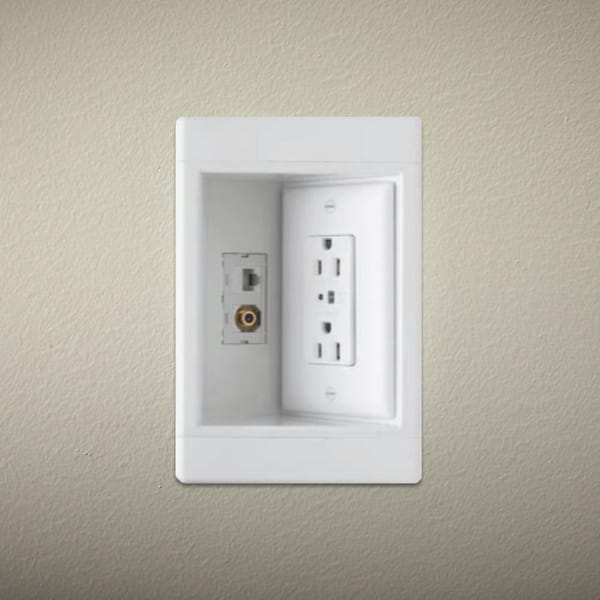
Main Causes Of Low Voltage At Outlet
Several issues can cause low voltage at your home’s outlets. Here are the most common ones:
Overloaded Circuits
If too many devices use the same circuit, the voltage drops. For example, running a microwave, toaster, and electric kettle on one outlet can overload the circuit. This makes less power available for each device.
Loose Or Corroded Connections
Inside your walls, wires connect outlets to the electrical panel. Over time, these connections can become loose or corroded. This reduces the flow of electricity, causing low voltage.
Damaged Wiring
Wires can get damaged by pests, water leaks, or old age. Damaged wires have higher resistance, which lowers the voltage reaching your outlet.
Faulty Outlets Or Switches
Old or broken outlets and switches can also cause voltage problems. Sometimes, the internal contacts wear out, leading to poor connections.
Problems With Main Electrical Panel
If your home’s main electrical panel has a problem—like a worn breaker or a loose main wire—all outlets on that circuit can get low voltage.
Issues From Power Company
Sometimes, the problem is outside your home. If the power company’s supply is weak, or if there is a problem with the neighborhood transformer, you may get low voltage at all outlets.
Long Distance From Panel
If an outlet is far from the main electrical panel, voltage can drop, especially if the wire size is too small. Longer wires have more resistance, which reduces voltage.
Example Case
A family noticed their living room lights were always dim, but kitchen lights were fine. It turned out the living room outlets were on a long circuit with thin wires, causing voltage drop. Upgrading to thicker wires fixed the problem.
How To Measure Voltage At An Outlet
Testing your outlet voltage is easy with a digital multimeter. This tool can measure the exact voltage coming from your outlet. Here’s a simple guide:
- Set the multimeter to measure AC voltage (look for “V~”).
- Carefully insert the probes into the two slots of the outlet.
- Read the number on the screen.
A normal reading is between 110 and 125 volts in the US. If you see numbers below 105 volts, you may have a low voltage problem.
Safety Warning
Never touch metal parts of the probes while testing. If you’re unsure, ask an electrician to help.
Dangers Of Low Voltage At Outlet
Low voltage is not just annoying—it can be dangerous:
- Overheating: Devices try to draw more current, which heats up wires and can cause fires.
- Device Damage: Many electronics do not work well with low voltage. This can ruin TVs, computers, and chargers.
- Reduced Appliance Life: Motors in fridges or fans wear out faster when running at low voltage.
How To Fix Low Voltage At Outlet
Fixing low voltage depends on the cause. Some solutions are simple, while others need a professional electrician.
Reduce Load On Circuit
Unplug some devices from the outlet. Avoid running many high-power appliances on the same circuit. Spread devices across different outlets.
Check And Tighten Connections
Loose connections are a common cause. If you know how to turn off power safely, you can check for loose wires at the outlet. Tighten screws and check for corrosion.
Replace Damaged Outlets Or Switches
If an outlet looks burnt or feels loose, replace it. Always turn off power before doing this.
Upgrade Wiring
If your home has old or thin wires, consider upgrading to thicker wires. This helps reduce voltage drop, especially for outlets far from the panel.
Repair Or Replace Main Panel Components
Worn breakers or main wires may need repair. This is a job for a licensed electrician.
Call The Power Company
If all outlets in your home are affected, the problem may be outside. Contact your power provider to check the supply.
Use A Voltage Stabilizer
For sensitive equipment like computers, use a voltage stabilizer or uninterruptible power supply (UPS). This protects devices from damage.
Common Mistakes
- Ignoring the problem, hoping it will go away
- Using extension cords instead of fixing the real issue
- Trying to repair wiring without proper knowledge
Table: Typical Appliance Voltage Needs
Below is a comparison of common household appliances and the minimum voltage they need to run properly.
| Appliance | Normal Voltage (V) | Problems at Low Voltage |
|---|---|---|
| Refrigerator | 110–120 | Compressor damage, food spoilage |
| Microwave | 110–120 | Not heating, buzzing sound |
| Laptop Charger | 110–120 | Slow charging, charger failure |
| LED Bulb | 110–120 | Dim light, flickering |
Table: Voltage Drop By Wire Length And Gauge
Choosing the right wire size is important to prevent voltage drop, especially for outlets far from the panel.
| Wire Gauge (AWG) | Length (Feet) | Voltage Drop (%) | Recommendation |
|---|---|---|---|
| 14 | 50 | 2.5% | Acceptable |
| 14 | 100 | 5.0% | Upgrade wire size |
| 12 | 100 | 3.2% | Better option |

When To Call A Professional Electrician
Some low voltage problems are simple, but others are dangerous. Call a licensed electrician if:
- You see sparks, burning smells, or smoke
- Multiple outlets or rooms are affected
- You find damaged or melted wires
- Circuit breakers trip often and resetting does not help
A professional can test your wiring, check the main panel, and find hidden problems you cannot see. They also have the tools to safely measure voltage and fix connections.
Preventing Low Voltage Problems
Taking care of your electrical system can prevent voltage issues. Here are some tips:
- Don’t overload outlets. Spread out devices across different rooms.
- Replace old outlets and switches. Modern ones have safer designs.
- Upgrade wiring during renovations or if your home is over 40 years old.
- Schedule electrical inspections every few years.
- Use surge protectors for valuable electronics.
Regular maintenance saves money and protects your family.
Table: Difference Between Low Voltage And Power Outage
Understanding the difference can help you describe the problem to an electrician or your power company.
| Feature | Low Voltage | Power Outage |
|---|---|---|
| Lights | Dim or flickering | Completely off |
| Appliances | Run poorly or not at all | Do not work |
| Voltage Reading | Below 110 V | 0 V |
| Possible Causes | Internal wiring, overload, utility issues | Utility failure, breaker off |
Non-obvious Insights About Low Voltage
Many beginners think that low voltage is only a problem for high-power devices. In reality, even small electronics like Wi-Fi routers and LED bulbs can be damaged by constant low voltage. Another overlooked detail: low voltage can cause hidden heat damage inside wires and outlets, making future failures or fires more likely, even if everything seems to work for now.
Reliable Resources For Electrical Safety
If you want to learn more about home electrical safety, check the Consumer Product Safety Commission. They offer guides on electrical hazards and how to prevent them.
Frequently Asked Questions
What Is The Normal Voltage For A Us Home Outlet?
In the United States, most home outlets should provide 110–120 volts of AC power. Anything much lower can cause problems for your devices.
Can Using Too Many Devices Cause Low Voltage?
Yes. Overloading a circuit with too many high-power devices can cause voltage to drop at each outlet. Spread devices across different circuits to avoid this.
Is Low Voltage Dangerous?
Low voltage can be dangerous. It can overheat wires, damage electronics, and in rare cases, cause fires. It’s best to fix the problem quickly.
How Do I Test My Outlet’s Voltage?
Use a digital multimeter. Set it to AC voltage, insert the probes into the outlet slots, and read the display. For safety, ask an electrician if you are unsure.
Who Should I Call If All My Outlets Have Low Voltage?
If every outlet is affected, call your power company first to check for area-wide issues. If the problem is just in your home, contact a licensed electrician.
Staying alert to low voltage at your outlets protects your home, your devices, and your safety. Regular checks and quick action can prevent costly damage and keep everything running smoothly.