
Cleaning your GE ice maker is not just about keeping it looking nice. It’s about making sure your ice tastes fresh, your machine runs smoothly, and you avoid common problems like slow ice production or cloudy cubes. Many people forget that a neglected ice maker can even grow mold or bacteria, which can make you sick. If you want safe, clear ice and a machine that lasts for years, learning how to clean a GE ice maker the right way is essential. This guide will show you practical steps, helpful tips, and what most owners miss when cleaning their machine.
Why Cleaning Your Ge Ice Maker Matters
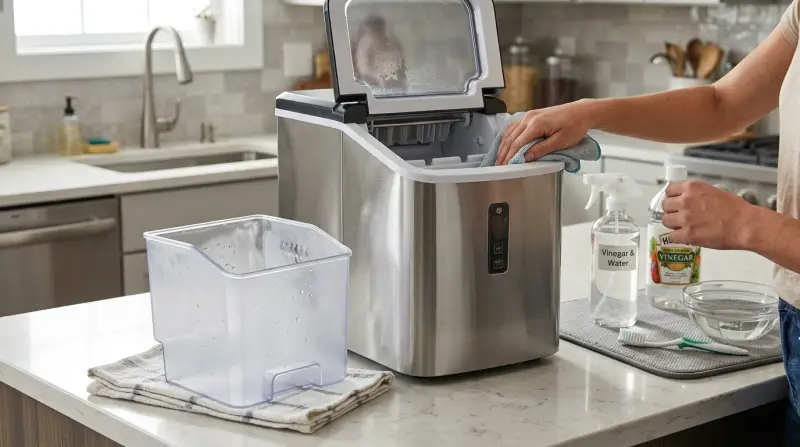
People often assume that because ice is just frozen water, their ice maker stays clean on its own. In reality, minerals in tap water, airborne dust, and even small food particles can build up inside. Over time, this leads to:
- Bad-tasting ice (sometimes with a musty or metallic flavor)
- Cloudy cubes with white flakes or bits inside
- Reduced ice output or slow ice cycles
- Sticky or jammed ice trays
- Risk of mold, slime, or bacteria, especially if the machine is rarely used
According to the National Sanitation Foundation, ice machines are one of the most commonly neglected appliances for cleaning in homes and businesses. Regular cleaning prevents expensive repairs and keeps your ice safe for everyone.
How Often Should You Clean Your Ge Ice Maker?
How often you clean depends on how much you use the machine and your water quality. GE recommends a deep clean every 6 months, but you should clean more often if:
- Your water has high mineral content (hard water)
- You notice strange tastes or smells
- You use the ice maker every day
- The machine sits unused for a few weeks
Some experts suggest a quick wipe-down of the exterior and bin every month, then a full cleaning twice a year.
What You’ll Need To Clean A Ge Ice Maker
Before you start, gather these supplies:
- Warm water
- Mild dish soap (avoid strong chemicals)
- White vinegar or GE-approved ice maker cleaner
- Soft cloths or sponges
- Bottle brush (for hard-to-reach spots)
- Towel (for drying)
- Gloves (optional, but good for sensitive skin)
- Toothbrush (for tight spaces)
- Bucket
Never use bleach or harsh chemicals unless GE specifically recommends them for your model.
Step-by-step Guide: Cleaning Your Ge Ice Maker
Follow these steps for most GE models. Always check your manual for special instructions, as some features may differ.
1. Turn Off And Unplug The Machine
Safety first. Unplug the ice maker or switch it off at the control panel. If your model is built into a refrigerator, turn off the ice maker function.
2. Empty The Ice Bin
Remove all ice from the bin. Throw away any old or discolored cubes. If you want to save some ice, place it in a sealed bag in your freezer.
3. Remove And Wash Removable Parts
Most GE ice makers have trays, bins, or scoops that come out. Take them to the sink and wash with warm, soapy water. Rinse well and let them dry completely.
4. Clean The Interior
Mix a solution of 1 part white vinegar to 3 parts water or use a GE ice maker cleaner. Dip a soft cloth or sponge into the mixture and wipe all interior surfaces, including:
- Ice bin area
- Ice chute or dispenser (if present)
- Water reservoir (if accessible)
Use a bottle brush or toothbrush to scrub corners and crevices. For stubborn spots, let the solution sit for 5 minutes before wiping.
5. Rinse And Dry
Wipe all surfaces with a clean, damp cloth to remove vinegar or cleaner residue. Dry with a towel, especially in corners where water can collect.
6. Clean The Exterior
Wipe the outside of the machine with a damp cloth and mild soap. Clean the control panel, handles, and any buttons, but avoid letting water drip inside.
7. Sanitize (optional For Deep Cleaning)
For extra protection, you can sanitize the interior. Mix 1 tablespoon of unscented liquid bleach in 1 gallon of water. Wipe the surfaces, wait 5 minutes, then rinse thoroughly with water and dry. Only do this if your manual allows bleach.
8. Reassemble And Restart
Once everything is dry, put back all parts. Plug in the machine or turn it on. Discard the first batch of ice after cleaning, as it may have cleaning solution residue.
Special Cleaning For Ge Opal Nugget Ice Makers
The GE Opal Nugget Ice Maker is popular for its soft, chewable ice. It needs a slightly different approach:
- Use the Opal Cleaning Kit or mix a solution of water and vinegar
- Run the cleaning cycle according to the manual (usually involves pressing the “Clean” button)
- Rinse by running 2-3 cycles with clean water
- Clean the side tank and water reservoir carefully, as these areas often develop slime if not used regularly
If your Opal makes less ice or the ice tastes odd, a deep clean is overdue.
Comparing Cleaning Solutions: Vinegar Vs. Ge Cleaner
Choosing the right cleaning solution is important. Here’s a quick comparison to help you decide:
| Solution | Pros | Cons | Best For |
|---|---|---|---|
| White Vinegar | Natural, cheap, removes mineral scale | Strong smell, may not kill all bacteria | Routine cleaning, light mineral buildup |
| GE Ice Maker Cleaner | Designed for GE models, removes scale, sanitizes | Costs more, must buy separately | Deep cleaning, heavy buildup, odor removal |
| Bleach Solution | Strong sanitizer, kills bacteria and mold | Can damage parts if used too often, strong odor | Occasional sanitizing, mold removal |
Most users find vinegar works for regular cleaning, but a GE cleaner is ideal for tough jobs or if you see pink slime (sign of bacteria).
How Water Quality Affects Cleaning Frequency
Not all water is the same. Hard water (high in minerals like calcium and magnesium) causes scale buildup inside your ice maker. This can make ice taste chalky and clog water lines. If your area has hard water, you may need to clean your GE ice maker every 2–3 months instead of every 6 months.
A simple way to check: Look inside your ice bin. If you see white crusty spots, that’s mineral scale. Using filtered water can help, but regular cleaning is still important.
Signs Your Ge Ice Maker Needs Cleaning
Don’t wait for a calendar reminder. Watch for these signs:
- Ice has a strange or musty taste
- Ice cubes are cloudy or have flakes inside
- Ice production slows down
- Ice bin smells odd or has visible slime
- Machine makes loud noises or the fan sounds strained
Ignoring these signs can lead to bigger problems. Cleaning solves most minor issues before they get worse.

Credit: greensboroughhomebrew.com.au
Tips For Keeping Your Ge Ice Maker Cleaner Longer
- Use filtered water if possible. It slows mineral buildup.
- Empty the ice bin if you won’t use the machine for a week or more.
- Wipe the bin with a dry cloth every few weeks, especially if you see condensation.
- Leave the door or bin open for a few hours after cleaning to let it dry completely. This reduces mold risk.
- Avoid touching ice with bare hands—use a scoop to keep bacteria out.

Common Mistakes To Avoid
- Skipping the rinse: Not rinsing after cleaning leaves vinegar or cleaner in your ice.
- Using harsh chemicals: Products like ammonia or heavy-duty cleaners can damage plastic parts.
- Forgetting the water filter: If your GE ice maker has a filter, change it every 6 months or as recommended.
- Neglecting hard-to-reach places: The ice chute, corners, and water reservoir are easy to miss but critical for hygiene.
Many beginners forget that the first batch of ice after cleaning should be thrown away. This batch often picks up leftover cleaning solution, which can affect taste.

Ge Ice Maker Maintenance Schedule Example
To make cleaning easier, follow a simple schedule based on average home use:
| Task | Frequency | Notes |
|---|---|---|
| Wipe exterior and bin | Monthly | Helps prevent dust and food buildup |
| Deep clean interior | Every 6 months | More often for hard water or heavy use |
| Change water filter | Every 6 months | Follow manufacturer guidelines |
| Sanitize with bleach | Yearly | Optional, if allowed by your manual |
Sticking to this schedule keeps your ice maker in top shape and avoids most common issues.
Frequently Asked Questions
How Do I Remove Mold From My Ge Ice Maker?
If you see mold (usually pink, black, or green spots), unplug the machine and do a deep clean. Use a solution of 1 tablespoon of bleach per 1 gallon of water to wipe all surfaces. Scrub with a soft brush, rinse well, and dry before restarting.
Make sure to discard the first batch of ice.
Can I Use Lemon Juice Instead Of Vinegar For Cleaning?
Lemon juice is mildly acidic and can help with light scale. However, it’s not as effective as vinegar or a GE cleaner for removing mineral deposits and sanitizing. Stick with vinegar or a recommended cleaner for best results.
Why Does My Ice Still Taste Bad After Cleaning?
If your ice tastes odd after cleaning, rinse the machine again to remove any leftover cleaner. Change the water filter if you have one, and check your water source for contamination. Sometimes, bad-tasting ice means your water supply needs attention, not just your ice maker.
Is It Safe To Use Bleach In My Ge Ice Maker?
Bleach is safe for occasional use if your GE manual allows it. Always use a very diluted solution and rinse thoroughly. Never mix bleach with other cleaners, especially ammonia or vinegar, as this creates toxic fumes. Only use bleach on plastic and metal parts, not on rubber seals unless the manual says it’s safe.
Where Can I Find Official Cleaning Instructions For My Ge Ice Maker?
You can find detailed guides on the GE Appliances official website and in your product manual. For more tips on appliance care, visit NSF International.
Cleaning your GE ice maker may seem like a small chore, but it makes a big difference. By keeping up with regular maintenance, you get better-tasting ice, a longer-lasting machine, and peace of mind that your family’s drinks are always safe.
If you follow these steps and tips, you can avoid almost every problem GE ice maker owners face—and enjoy perfect ice year-round.
1 thought on “How to Clean a GE Ice Maker: Step-by-Step Guide”