
If your Spectracide sprayer stops working, it can ruin your gardening plans and waste your time. This is a common problem for both beginners and experienced users. Sometimes the solution is simple, but other times, it takes some careful troubleshooting. Understanding why your sprayer isn’t working and how to fix it quickly saves you frustration and money. Let’s look at the main reasons Spectracide sprayers fail, how to fix each issue, and tips for keeping your sprayer running smoothly all season long.
Common Reasons A Spectracide Sprayer Stops Working
Before diving into fixes, it helps to know the most frequent causes. Most problems fall into a few clear categories.
- Clogged Nozzle or Hose: Debris, dried product, or mineral build-up can block the sprayer tip or hose, stopping liquid flow.
- Broken or Loose Pump Mechanism: If the pump handle feels loose or doesn’t build pressure, the sprayer won’t spray.
- Air Leaks: A poor seal or cracked hose lets air in, which reduces pressure and stops spraying.
- Faulty Trigger: A stuck or broken trigger means you can’t release the spray.
- Empty or Leaking Bottle: Sometimes, the issue is as simple as running out of liquid or a hidden leak in the bottle.
Understanding these main points helps you diagnose your sprayer quickly. But let’s get practical and look at how to fix each problem.
Troubleshooting Steps For A Spectracide Sprayer
Not all problems need professional help. With some simple steps, most people can get their sprayer working again.
Check The Basics First
Before taking your sprayer apart, confirm the simple things:
- Is there enough product in the bottle?
- Is the bottle tightly screwed to the sprayer?
- Are all connections tight and secure?
If these are fine, move to more detailed checks.
Inspect For Clogs
Clogs are the number one cause of sprayer issues. Here’s how to deal with them:
- Unscrew the nozzle and check for visible dirt or residue.
- Clean the nozzle using warm water and a small brush or toothpick. Avoid using pins or needles that may damage the hole.
- Flush the hose by running warm water through it for a few minutes.
- If you see mineral build-up, soak the parts in a mix of water and vinegar for 15–30 minutes, then rinse.
Always clean the sprayer after each use. Dried chemicals are much harder to remove later.
Test The Pump Mechanism
A broken or loose pump means no pressure. To check the pump:
- Pump the handle a few times. If it feels soft or air escapes, the pump may not be sealing.
- Check for cracks or splits in the pump mechanism.
- Lubricate the pump seal with a small amount of petroleum jelly to restore smooth motion.
- If the pump is damaged, replacement parts may be needed.
Look For Air Leaks
Even a tiny air leak can stop a Spectracide sprayer from working.
- Inspect the hose for holes or cracks.
- Check the O-ring (rubber seal) around the bottle opening. If it’s worn or missing, replace it.
- Tighten all connections and try spraying again.
- Sometimes, wrapping a little Teflon tape around the threads improves the seal.
Check The Trigger
The trigger can jam or break, especially after frequent use.
- Squeeze the trigger and see if it moves smoothly.
- If stuck, spray some lubricant at the joint.
- If the trigger is broken or loose, it may need replacement.
Examine The Bottle
Sometimes, the bottle itself is the problem.
- Look for cracks or leaks at the base and around the neck.
- Make sure the bottle isn’t deformed from sun or heat exposure.
- Replace the bottle if you see damage.
Test The Sprayer With Water
After each fix, test the sprayer using just water before adding chemicals. This helps you see if the problem is solved and protects your plants from accidental over-spraying.
Spectracide Sprayer Parts: What Fails Most Often?
Knowing the weak spots of your sprayer helps you prevent future problems. Here’s a quick breakdown of Spectracide sprayer parts and how often they fail:
| Part | Common Problems | How Often Fails |
|---|---|---|
| Nozzle | Clogs, breakage | Frequently |
| Hose | Cracks, leaks | Occasionally |
| Pump Seal | Loss of pressure | Sometimes |
| Trigger | Sticking, breaking | Occasionally |
| Bottle | Leaks, deformation | Rarely |
Nozzles and pump seals are the most common sources of failure. Having a spare nozzle on hand is often a smart move.
How To Maintain Your Spectracide Sprayer
Keeping your sprayer in top shape is easier than fixing it after it breaks. Here are some maintenance tips every user should follow:
- Rinse after every use: Run clean water through the sprayer immediately after finishing. This removes leftover chemicals and prevents clogs.
- Store indoors: Keep your sprayer in a cool, dry place out of direct sunlight. Heat and sunlight can weaken plastic parts and seals.
- Check seals and hoses: Inspect the O-ring and hose for wear every month during the spraying season. Replace any cracked or stretched parts.
- Lubricate moving parts: A little petroleum jelly or silicone spray on the pump and trigger keeps them moving smoothly.
Many beginners forget to rinse the hose and nozzle, not just the bottle. This leads to clogs inside the hose that are harder to spot and remove. Also, avoid storing your sprayer with chemicals inside—even overnight. This can shorten the life of the seals and make cleaning much harder.
When To Replace Vs. Repair
Deciding whether to fix or replace your Spectracide sprayer depends on cost, age, and the type of problem.
Repair When:
- The problem is a simple clog or a replaceable part (like a nozzle or O-ring).
- The bottle, hose, and pump are in good condition.
- You can find parts easily and cheaply.
Replace When:
- The bottle is cracked or warped (which can be unsafe).
- The pump mechanism is broken and parts are unavailable.
- You’ve had repeated problems with leaks or pressure loss.
Here’s a helpful comparison for when to repair or replace:
| Problem | Repair Cost | Replacement Cost | Recommended Action |
|---|---|---|---|
| Clogged Nozzle | $0–$2 | $15–$30 (new sprayer) | Repair |
| Leaky Hose | $2–$5 | $15–$30 | Repair |
| Broken Pump | $5–$10 (if available) | $15–$30 | Replace |
| Cracked Bottle | N/A | $15–$30 | Replace |
Insight: Sometimes buying a new sprayer is cheaper than hunting for rare replacement parts.
Tips For Getting The Best Results From Your Spectracide Sprayer
A working sprayer is only half the battle. Here’s how to get the most out of your Spectracide sprayer:
- Use fresh solution: Don’t store mixed chemicals for long periods. Freshly mixed solutions spray more evenly and reduce clogging.
- Mix thoroughly: Shake or stir solutions well before pouring into the sprayer.
- Use the right nozzle: Choose the correct spray pattern for your job—fan for large areas, stream for targeted spots.
- Don’t overtighten: Tighten connections until snug, but don’t force them. Overtightening can crack the bottle or strip threads.
- Spray in calm weather: Wind can blow chemicals away, wasting product and exposing you to drift.
- Wear gloves and eye protection: Some Spectracide products can irritate skin or eyes.
One thing many users overlook is nozzle adjustment. If your sprayer is working but spraying unevenly, try turning the nozzle gently to adjust the pattern. Never use pliers or too much force—this can break the plastic.
Advanced Troubleshooting: Stubborn Spectracide Sprayer Problems
If you’ve tried all the basics and your sprayer still won’t work, try these extra steps:
- Disassemble the sprayer: Remove the hose, nozzle, and pump. Soak all parts in warm soapy water for 30 minutes, then rinse and reassemble.
- Check for hidden clogs: Use a thin wire (like a bread tie) to clear deep hose blockages.
- Test with a vinegar-water mix: This removes mineral deposits that regular water can’t dissolve.
- Replace O-rings: Sometimes, the O-ring looks fine but has lost its flexibility. A new one can restore pressure.
If nothing works, it may be time for a new sprayer. Many Spectracide models are designed for a few seasons of use, especially if exposed to sun or left with chemicals inside.
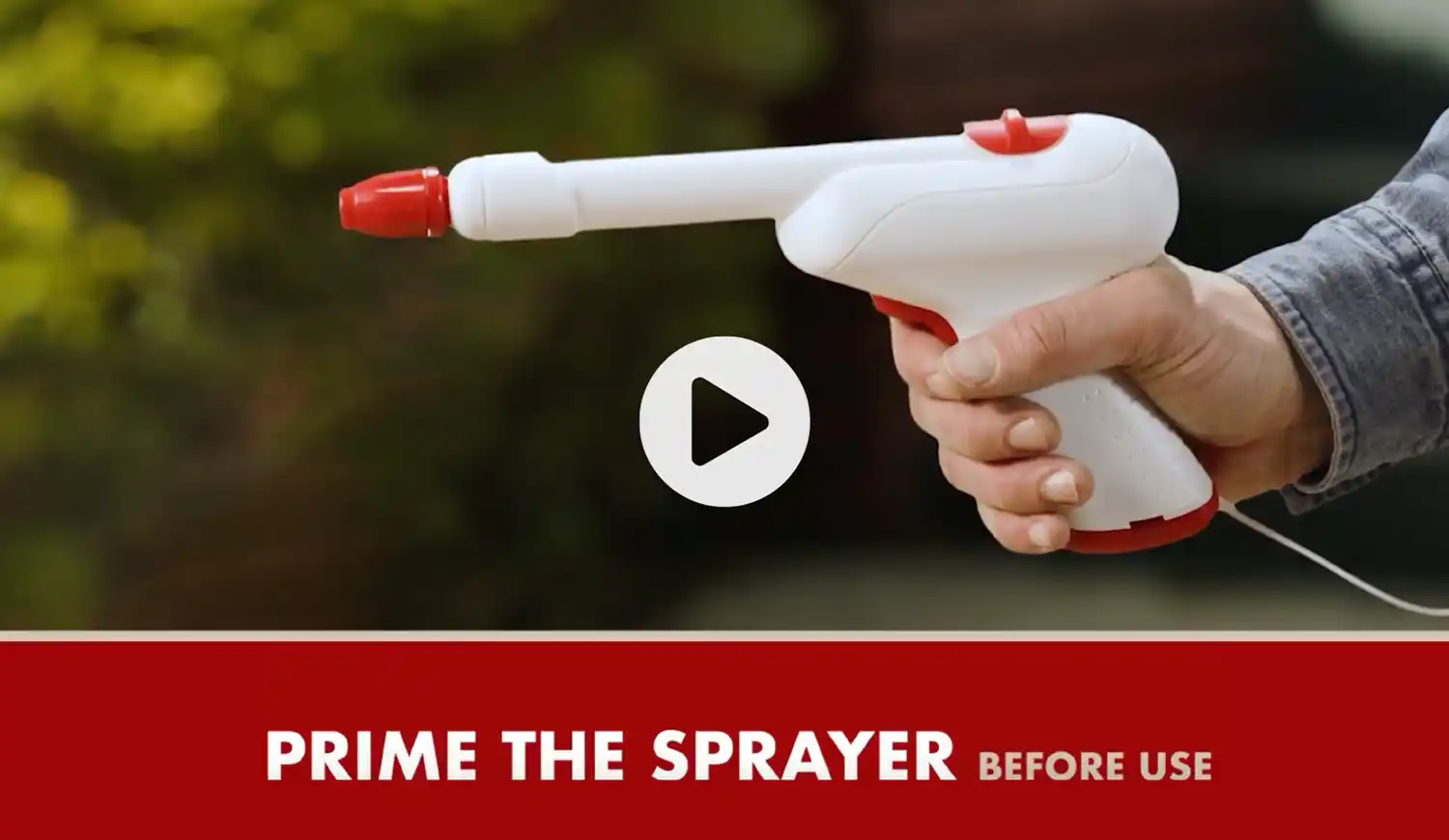
For more in-depth sprayer troubleshooting, you can check the official Spectracide Help Videos.

Frequently Asked Questions
What Should I Do If My Spectracide Sprayer Only Sprays A Little Or Sprays Unevenly?
This usually means the nozzle is partially clogged or dirty. Remove the nozzle and clean it with warm water and a brush. Also, check if the spray pattern can be adjusted by twisting the nozzle tip.
Can I Use Any Replacement Part, Or Do I Need Spectracide Brand Parts?
While generic parts sometimes fit, it’s best to use Spectracide-branded replacement parts. They fit correctly and reduce the chance of leaks or pressure loss.
Why Does My Sprayer Lose Pressure Quickly?
Quick pressure loss often means there’s an air leak. Check the O-ring, hose, and all connections. Tighten them and replace any damaged seals.
Is It Safe To Use A Sprayer That Has A Small Crack?
No. Even a small crack can cause leaks, pressure loss, and unsafe chemical exposure. Replace a cracked bottle immediately.
How Can I Make My Spectracide Sprayer Last Longer?
Rinse it after every use, store it indoors, and regularly check and replace worn parts. Don’t leave chemicals in the sprayer overnight.
Getting your Spectracide sprayer working again doesn’t have to be complicated. With regular cleaning, smart troubleshooting, and a bit of care, your sprayer can last for years. Remember, most problems come from clogs or worn seals—easy fixes if you know where to look. If you still have trouble, consider reaching out to Spectracide support or checking their video guides for step-by-step help. Happy spraying!