
If your KitchenAid dishwasher stops working, it can disrupt your daily routine. Dishes pile up, and you may worry about expensive repairs. But many common issues have simple solutions. With a bit of guidance, you can fix most problems yourself, saving time and money. This article will help you understand, diagnose, and solve frequent KitchenAid dishwasher problems. Whether your dishwasher won’t start, won’t clean, or makes strange noises, you’ll find clear steps and practical advice below.
Common Kitchenaid Dishwasher Problems
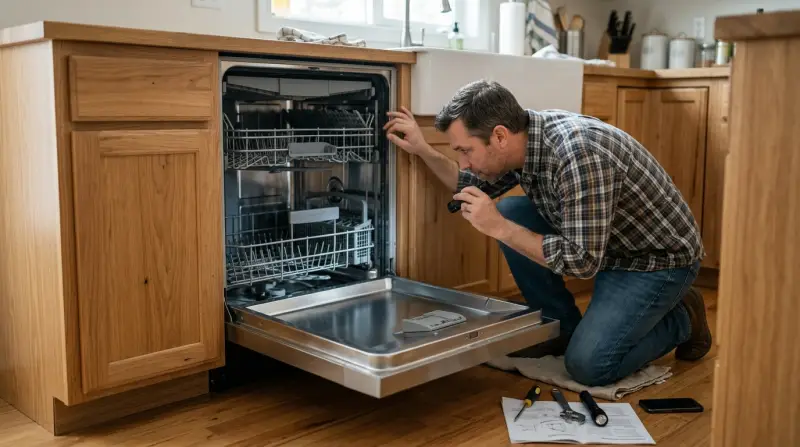
KitchenAid dishwashers are known for reliability, but like all appliances, they sometimes fail. Here are the most frequent issues people experience:
- Dishwasher won’t start
- Not cleaning dishes properly
- Water not draining
- Strange noises during operation
- Leaking water
- Door not closing or locking
- Not drying dishes
- Error codes on display
Understanding each problem helps you find the right fix quickly. Let’s look at each one in detail.
Dishwasher Won’t Start
If your dishwasher won’t turn on, check these areas first:
- Power supply: Make sure it’s plugged in, and the outlet works. Try another appliance in the same outlet.
- Door latch: If the door isn’t closed securely, the dishwasher won’t start. Inspect the latch for damage.
- Control lock: Some models have a lock feature. Look for a small padlock symbol on the control panel. Hold the button for 3 seconds to unlock.
- Circuit breaker: Check your home’s breaker box. Reset if needed.
- Start button: Press firmly. If it feels loose, it may need repair.
Most often, the issue is a simple power or door problem. If these steps don’t work, you may need professional help.
Not Cleaning Dishes Properly
Poor cleaning is a common complaint. Here’s how to fix it:
- Spray arms: Remove and clean the arms. Food and debris block holes, reducing water pressure.
- Filter: KitchenAid dishwashers have removable filters at the bottom. Clean them monthly.
- Detergent: Use high-quality detergent and avoid overfilling the dispenser.
- Water temperature: Ensure your water heater is set to at least 120°F. Cold water won’t dissolve grease.
- Loading pattern: Don’t overload. Place dishes so water reaches all surfaces.
Here’s a quick comparison of cleaning effectiveness by loading method:
| Loading Method | Cleaning Effectiveness |
|---|---|
| Overloaded | Poor |
| Proper Spacing | Excellent |
| Items Facing Away from Spray | Moderate |
Many beginners forget to clean the filter. This simple step can restore cleaning performance in most cases.
Water Not Draining
Standing water is frustrating and can cause odors. Here’s how to troubleshoot:
- Check filter and drain: Remove debris from the filter and drain area.
- Drain hose: Inspect for kinks or clogs. If you see a kink, straighten the hose.
- Garbage disposal connection: If your dishwasher drains into the disposal, run the disposal to clear blockage.
- Pump: Listen for the pump sound during draining. If silent, the pump may be faulty.
Compare common causes of drainage issues:
| Cause | How to Fix |
|---|---|
| Clogged filter | Clean filter |
| Kinked hose | Straighten hose |
| Blocked disposal | Run disposal |
| Faulty pump | Replace pump |
If you clear the filter and hose but water still won’t drain, call a technician. Pump replacement is best left to professionals.
Strange Noises During Operation
KitchenAid dishwashers are usually quiet. Unusual sounds can indicate a problem:
- Rattling: Loose dishes or utensils may hit spray arms.
- Grinding: Hard objects stuck in the pump or filter.
- Buzzing: Normal when water drains, but if loud, check for clogs.
- Clicking: May be the detergent dispenser opening.
Always check for items inside the tub or filter before worrying about mechanical issues. Many noises are harmless, but grinding may signal a broken part.
Leaking Water
Leaks can damage your kitchen floor and cabinets. Focus on these areas:
- Door seal: Inspect the rubber gasket for cracks or debris. Clean with a damp cloth.
- Hose connections: Check under the dishwasher for loose hoses.
- Overfilling: Make sure you’re not overloading or blocking spray arms.
- Detergent: Using the wrong detergent causes excess suds and leaks.
Here’s a quick table comparing leak sources:
| Leak Location | Possible Cause |
|---|---|
| Front of door | Damaged gasket |
| Under dishwasher | Loose hose |
| Inside tub | Excess suds |
Replace damaged seals promptly. If you see water below the dishwasher, tighten hose clamps or call a plumber.
Door Not Closing Or Locking
If the door won’t close, the dishwasher won’t run. Try these fixes:
- Obstruction: Check for utensils or dishes blocking the door.
- Latch: Inspect for wear or damage. Replace if loose.
- Misalignment: If the dishwasher isn’t level, the door may not close. Adjust the feet as needed.
Many people overlook leveling. A slightly tilted dishwasher can cause big problems with the door.
Not Drying Dishes
Wet dishes after a cycle? KitchenAid dishwashers use a drying element or fan. If dishes stay wet:
- Rinse aid: Make sure you’re using rinse aid. It helps water slide off.
- Drying setting: Check if you’re using the right cycle (like “heated dry”).
- Blocked vent: Clean the vent area. Blocked vents trap moisture.
- Plastic items: Plastics dry slower than glass or metal.
A practical tip: open the door slightly after the cycle finishes. Steam escapes, speeding up drying.

Error Codes On Display
Modern dishwashers show error codes when something goes wrong. Common codes include:
- F2E2: Faulty control panel
- F8E4: Water leak detected
- F9E1: Drain problem
- F6E1: Low water
If you see an error, consult your owner’s manual or KitchenAid’s support site. Some codes require a technician, but many can be cleared by restarting the dishwasher.
Diy Maintenance Tips
Regular care keeps your KitchenAid dishwasher running well. Here’s what you should do monthly:
- Clean the filter: Remove and rinse under running water.
- Wipe the door seal: Prevent leaks by cleaning the gasket.
- Check spray arms: Remove, rinse, and clear blockages.
- Run a cleaning cycle: Use dishwasher cleaner to remove buildup.
- Inspect hoses: Look for leaks or wear under the dishwasher.
These steps prevent most common issues. Many users ignore regular cleaning, leading to bigger problems later.
When To Call A Professional
Some problems need expert help. Call a technician if:
- The dishwasher won’t start after checking power and latch
- You see electrical sparks or smell burning
- Water leaks from under the unit despite tightening hoses
- Error codes persist after a reset
- The pump or motor makes loud, unusual noises
Dishwasher repairs can be dangerous. If you’re unsure, ask for help.
Kitchenaid Dishwasher Performance Compared To Other Brands
KitchenAid is a popular brand, but how does it stack up against others? Here’s a comparison:
| Brand | Average Cleaning Score (out of 10) | Noise Level (dB) | Reliability Rating |
|---|---|---|---|
| KitchenAid | 9 | 44 | High |
| Bosch | 9 | 42 | High |
| LG | 8 | 46 | Medium |
| Whirlpool | 7 | 48 | Medium |
KitchenAid stands out for reliability and cleaning power, though Bosch is slightly quieter.
Two Non-obvious Insights
Many beginners miss these important details:
- Rinse aid is essential for drying and preventing cloudy glass. Even if your dishwasher has a heated dry cycle, lack of rinse aid leaves dishes wet and streaked.
- Water hardness affects cleaning. If you live in an area with hard water, minerals build up inside the machine. Use dishwasher cleaner monthly and consider a water softener for best results.
External Resource For Further Help
For detailed error codes and advanced troubleshooting, visit the official KitchenAid support page at KitchenAid Customer Care.

Frequently Asked Questions
Why Does My Kitchenaid Dishwasher Leave Spots On Glasses?
Spots are usually caused by hard water or low rinse aid. Add rinse aid and clean the filter. If you have hard water, use a dishwasher cleaner regularly.
How Often Should I Clean The Filter?
Clean the filter once a month. If you use your dishwasher daily, clean every two weeks. This prevents food buildup and keeps water flowing.
What Should I Do If My Dishwasher Smells Bad?
A bad smell comes from trapped food particles. Clean the filter, spray arms, and run a cleaning cycle with dishwasher cleaner.
Can I Use Regular Dish Soap In My Kitchenaid Dishwasher?
Never use regular dish soap. It creates excess suds and may cause leaks. Always use dishwasher-specific detergent.
My Dishwasher Shows An Error Code F8e4. What Does It Mean?
F8E4 means water leak detected. Check for leaks under the unit and inspect the door gasket. If the error won’t clear, call a technician.
When your KitchenAid dishwasher acts up, don’t panic. Most problems are easy to fix with simple steps. Regular maintenance prevents issues, and understanding error codes helps you decide when to call for help. With these tips, you’ll keep your dishwasher running smoothly and your dishes sparkling clean.