
A sump pump is a quiet hero in many homes, working silently to keep basements dry and prevent floods. But what if you hear your sump pump humming but not working? This situation is more common than you might think. Homeowners often notice a steady hum from the sump pit, but the water level stays the same—or worse, rises. This issue can lead to water damage, mold, and costly repairs if not solved quickly.
Knowing what causes a sump pump to hum but not operate is key to protecting your home. This guide explains the most common reasons, how to fix them, and when you need professional help. Whether you’re a DIY beginner or simply want to understand your home better, you’ll learn practical steps to restore your pump’s function and avoid future problems.
Why Is My Sump Pump Humming But Not Working?
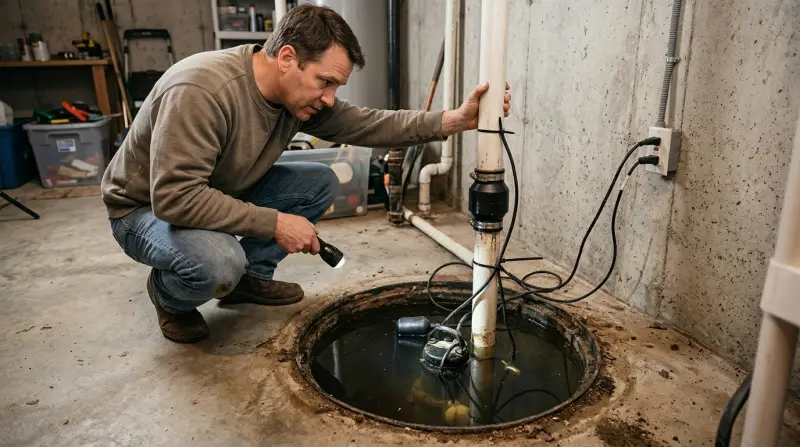
A humming sound from your sump pump means power is reaching the motor, but something is stopping the pump from moving water. This is different from a clicking, grinding, or no sound at all. Let’s look at the main reasons for this issue.
Common Causes
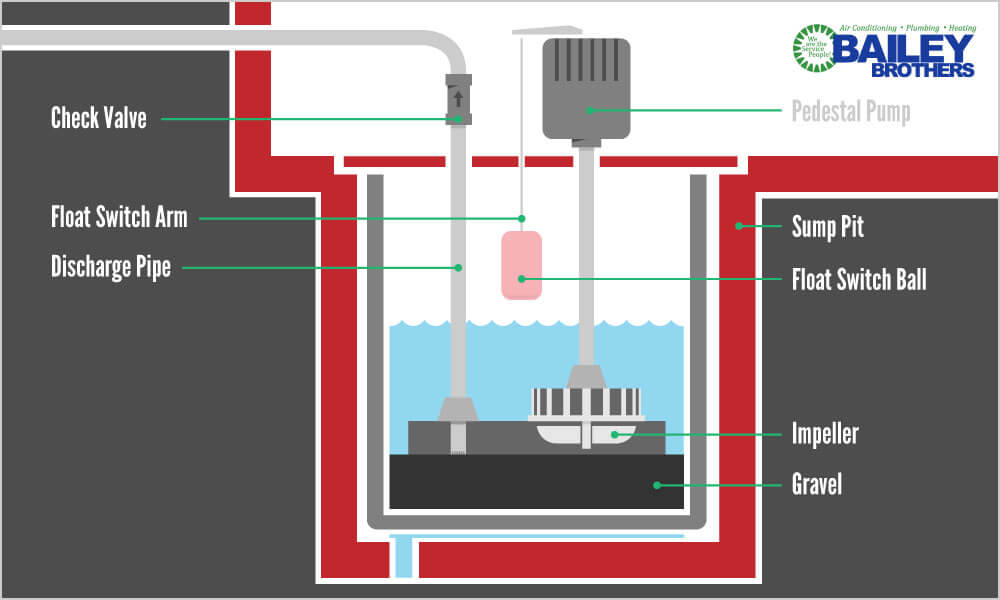
- Jammed Or Stuck Impeller: The impeller spins to move water. If debris gets inside the pump, it can block the impeller. The motor tries to turn, causing a hum, but the blades can’t spin.
- Clogged Discharge Pipe: Water leaves the pit through the discharge pipe. A clog here creates pressure, so the pump can’t push water out. The motor hums as it struggles.
- Faulty Check Valve: The check valve stops water from flowing back into the pit. If stuck closed, water cannot leave, and the pump hums without moving water.
- Power Supply Problems: Sometimes, a weak power supply lets the motor start but not run at full strength. This can cause humming without action.
- Frozen Or Blocked Outlet: In cold climates, the pipe outside your house can freeze or get blocked by dirt or ice. The pump can’t push water out, so it hums.
- Mechanical Failure: Worn bearings, a broken shaft, or damaged parts can stop the pump from working even though the motor gets power.
- Pump Is Air-locked: Air trapped inside the pump stops it from pushing water, making it hum but not move fluid.
Why It Matters
A humming, non-working sump pump means water can build up fast. According to the Federal Emergency Management Agency (FEMA), one inch of water in a basement can cause over $10,000 in damage. Reacting quickly is not just smart—it can save you a major headache.
Quick Troubleshooting Steps
Before calling a plumber, you can check a few things safely. Always unplug the pump before touching it.
- Check the Power Supply
- Make sure the pump is plugged in.
- Test the outlet with another device.
- Check your circuit breaker.
- Inspect the Float Switch
The float switch turns the pump on and off. If it’s stuck, the pump may hum but not start properly. Move the float gently—if water moves, the float should rise and activate the pump.
Look For Clogs
Remove the pump from the pit. Inspect for debris in the intake or impeller. Clean out any dirt or objects.
Examine The Discharge Pipe
Follow the pipe outside. Check for ice, mud, or blockages. Clear any you find.
Reset The Pump
After cleaning and checking, plug the pump back in. Listen for changes in sound or function.
Here’s a quick comparison of what you might find and possible fixes:
| Problem | What You Hear | What to Check | DIY Solution |
|---|---|---|---|
| Jammed Impeller | Constant hum, no water movement | Debris in impeller | Clean out debris |
| Clogged Discharge | Humming, possible vibration | Blocked pipe | Clear outside pipe |
| Stuck Float | Hum, pump not starting | Float switch movement | Free float manually |
| Air Lock | Hum, no water pumping | Gurgling, air in line | Drill a relief hole |

How To Fix A Sump Pump That Hums But Doesn’t Pump Water
If you’ve found the likely cause, here’s how to try fixing each issue. Not all repairs are DIY, but some are simple.
Clearing A Jammed Impeller
- Unplug The Pump: Never touch the pump while it’s plugged in.
- Remove The Pump From The Pit: Carefully lift it out. Place it on a towel.
- Open The Pump Housing: Use a screwdriver if needed. Look for pebbles, mud, or small objects.
- Clean And Reassemble: Remove all debris. Reattach the cover.
- Test The Pump: Place it back and plug it in. Pour in water to see if it works.
Fixing A Clogged Discharge Pipe
- Disconnect the Pipe
Loosen clamps or unscrew connections.
- Flush Out the Pipe
Use a garden hose to push out blockages.
- Check for Frozen Sections
In winter, thaw with warm (not boiling) water.
Releasing A Stuck Float Switch
- Gently Move the Float
Make sure it moves up and down without resistance.
- Clean Around the Float
Remove any buildup or sludge.
Dealing With Air Lock
- Drill a Small Relief Hole
About 1/8-inch hole in the discharge pipe just above the pump. This lets trapped air escape.
- Reinstall and Test
Listen for normal pump action.
When To Call A Professional
Not every problem has a safe DIY fix. If you notice:
- Burning smells or smoke
- Water quickly rising despite your checks
- Repeated blown fuses or tripped breakers
- Damage to the pump body or wires
It’s time to call a plumber or pump specialist. Electrical issues and deep mechanical failures can be dangerous. Replacing a pump is sometimes cheaper—and safer—than constant repairs.
Prevention: Keeping Your Sump Pump Healthy
Regular care avoids most sump pump failures. Here’s how you can keep your system running reliably:
- Test Every 2-3 Months: Pour a bucket of water into the pit. The pump should activate and remove the water quickly.
- Clean The Pit Seasonally: Remove dirt, gravel, and sludge from the pit. This keeps the impeller and float clear.
- Inspect The Discharge Pipe: Before winter, make sure the outside pipe is not clogged or pointed where it can freeze.
- Check The Power Source: Use a dedicated circuit, and consider a battery backup for storms.
- Replace Old Pumps: Sump pumps last about 7-10 years. If yours is older, consider replacement before it fails.
Here’s a quick overview of maintenance steps and their benefits:
| Maintenance Task | Frequency | Benefit |
|---|---|---|
| Test with Water | Every 3 months | Ensures activation |
| Clean Pit | Twice a year | Prevents debris jams |
| Check Discharge Pipe | Before winter | Stops freezing/blockage |
| Replace Pump | Every 7-10 years | Avoids sudden failure |
Two Non-obvious Insights Most People Miss
Float Switch Positioning Matters
Many sump pump failures come from float switches that get stuck on the side of the pit or against the pump body. This is easy to miss, especially in narrow pits. Always check that the float can move freely—not just up and down, but also side to side.
Discharge Pipe Slope Is Critical
If your discharge pipe is not sloped downward or has low spots, water can collect and freeze inside. This creates blockages even if the pump is strong. After installation, watch water exit outside during a test. If it trickles or backs up, adjust the pipe slope.
Common Mistakes To Avoid
- Ignoring Warning Sounds
A humming pump is a sign of trouble—not normal operation.
- Not Testing the Pump Regularly
Many people only notice a problem during a storm. Regular tests can catch issues early.
- Using Extension Cords
Pumps should be plugged directly into grounded outlets to avoid voltage drops or fire risks.
- Skipping Professional Service
If in doubt, especially with electrical or mechanical faults, always get expert help.
When It’s Time To Replace Your Sump Pump
If your pump is older than 10 years, hums often, or needs frequent repairs, replacement is wise. Newer models are more energy-efficient and reliable. The cost of a flooded basement far outweighs the price of a new pump.
Here’s a quick comparison of repair vs replacement:
| Option | Cost Range | When to Choose | Pros | Cons |
|---|---|---|---|---|
| Repair | $100-$300 | Minor issues, pump under 7 years | Lower cost, fast | May not solve root cause |
| Replace | $300-$700 | Pump over 10 years, frequent problems | Reliable, warranty | Higher upfront cost |

Frequently Asked Questions
Why Does My Sump Pump Hum But Not Pump Water?
This usually means the motor gets power, but the impeller is jammed, the discharge is blocked, or the float switch is stuck. It’s a warning sign—fix the cause quickly to avoid basement flooding.
Can A Sump Pump Overheat If It Just Hums?
Yes. If the motor runs but can’t move, it may overheat and damage itself. Some pumps have thermal cut-off switches, but not all. Unplug the pump and solve the problem to prevent burnout.
How Can I Prevent My Sump Pump From Getting Stuck Again?
Regular cleaning, checking the float switch, and clearing the discharge pipe help. Also, test the system every few months by pouring water into the pit to confirm it activates and pumps out water.
Is It Safe To Fix A Sump Pump Myself?
Simple tasks like cleaning debris or freeing a stuck float are safe if you unplug the pump first. For electrical or deep mechanical issues, or if you’re not sure, call a professional for safety.
What Type Of Sump Pump Is Least Likely To Get Stuck?
Submersible pumps with vertical float switches are usually less likely to jam compared to pedestal pumps with tethered floats. Look for pumps with debris screens and good reviews for reliability. For more details about types and features, visit the Family Handyman guide.
Protecting your home means staying alert to small signs—like a hum in your sump pit. With the right care and fast action, you can keep your basement dry and your peace of mind secure.
1 thought on “Sump Pump Humming But Not Working? Troubleshoot Fast”