
When you choose a hot water heater for your home, size and shape matter more than you might think. Most buyers focus on capacity, energy rating, or price. But the physical design tall vs short hot water heaters can impact not just installation but also performance, efficiency, and future maintenance. If you’re trying to decide between these two options, understanding the differences and real-world effects will help you make a smarter investment.
What Makes A Water Heater “tall” Or “short”?
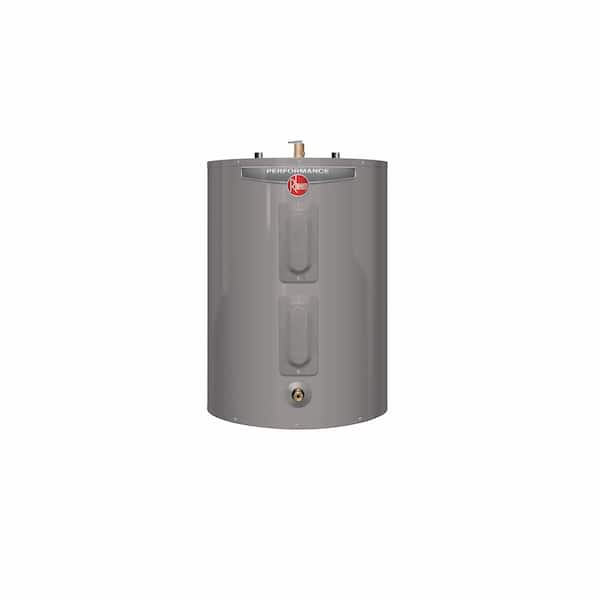
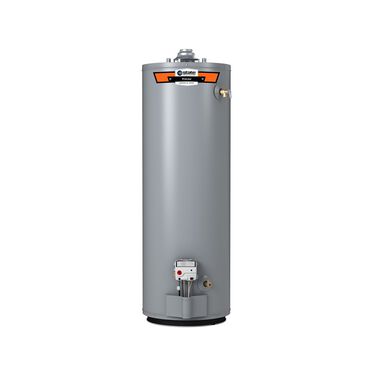
Before diving into comparisons, let’s clarify what these terms mean. A tall hot water heater is usually about 50–76 inches high and 18–22 inches in diameter. In contrast, a short hot water heater stands 30–49 inches tall with a wider diameter of 20–24 inches. Both types can offer similar water capacity often 30, 40, or 50 gallons but their shape determines where they fit.
For example, if you have a low-ceiling basement, a short model is often easier to install. If you have a narrow closet or utility space, a tall unit might slide in more easily.
Comparing Tall And Short Hot Water Heaters
Let’s break down the main differences so you can see how each type fits common needs.
| Feature | Tall Heater | Short Heater |
|---|---|---|
| Height | 50–76 inches | 30–49 inches |
| Diameter | 18–22 inches | 20–24 inches |
| Capacity | 30–100 gallons | 30–50 gallons |
| Space Required | Narrow spaces | Low ceiling spaces |
| Recovery Rate | Lower (longer heat path) | Higher (shorter heat path) |
| Ease of Maintenance | Harder (taller reach) | Easier (shorter reach) |

Installation And Space Considerations
The first thing to check is your available space. Many homes have basement ceilings less than 60 inches high, which rules out tall heaters. If your heater must fit under stairs or in a crawl space, a short model is almost always necessary.
On the other hand, tall heaters are perfect for closets, garages, or utility rooms with limited floor space. Because they’re slimmer and taller, you can fit the same water capacity without taking up extra room.
Practical Examples
- If your basement ceiling is 55 inches, a 40-gallon short heater at 46 inches tall will fit easily.
- In a narrow closet, a tall heater with an 18-inch diameter leaves room for access and ventilation.
Non-obvious insight: Many homeowners forget to check not just the height and width, but also plumbing clearance. You need space above and below the heater for pipes and the drain pan. Always measure carefully before buying.
Water Capacity And Household Needs
Both tall and short heaters can provide similar gallons, but their design affects the amount of hot water available at once and the recovery rate—how quickly the heater can reheat water after use.
Capacity
Most families need between 40–50 gallons for daily use (showers, laundry, dishes). Tall heaters can offer up to 100 gallons in commercial settings, while short heaters rarely go above 50 gallons.
If your family takes multiple showers in a row, a higher capacity matters more than shape. But if space is limited, a short heater may force you to choose a smaller tank.
Recovery Rate
Tall heaters have a longer heat path, so it takes more time to heat all the water. Short heaters, with a wider base and shorter height, heat faster because the water is closer to the heating element.
For example, a 40-gallon short heater often recovers up to 50% faster than a tall model of the same capacity. This matters if you want quicker hot water after heavy use.
Non-obvious insight: The recovery rate depends not just on shape, but also on fuel type (gas vs. electric) and the number of heating elements. Gas heaters recover faster than electric ones, regardless of height.
Energy Efficiency
Energy efficiency is a major concern for most buyers. Shape alone does not decide efficiency, but it can affect heat loss and insulation.
Heat Loss
Tall heaters have more surface area, so they lose heat faster if not insulated well. Short heaters, with their wider diameter, often retain heat better but may need stronger insulation around the sides.
Insulation Quality
Always check the R-value (insulation rating) before choosing. A well-insulated short heater can be more efficient than a poorly insulated tall one, and vice versa.
Real Numbers
According to the U.S. Department of Energy, water heating accounts for about 18% of home energy use. A modern, well-insulated heater can cut annual costs by $100–$150 compared to an older model. For more tips, see this Energy.gov guide.
Maintenance And Longevity
Maintenance is easier with short heaters, especially if you need to change the anode rod or drain the tank. Tall heaters can be harder to service due to their height.
Common Maintenance Tasks
- Flushing the tank: Removes sediment buildup.
- Replacing the anode rod: Prevents rust and extends life.
- Checking heating elements: Ensures efficient performance.
Short heaters often make these tasks simpler, especially in tight spaces.
Longevity
Both types can last 8–12 years with proper care. However, tall heaters in cold basements may suffer from faster corrosion if not insulated well. Always check for leaks and rust at least once a year.
Cost Comparison
The price difference between tall and short heaters is not huge, but installation costs can vary.
| Type | Average Purchase Price | Average Installation Cost |
|---|---|---|
| Tall Heater | $500–$850 | $300–$700 |
| Short Heater | $550–$900 | $350–$750 |
Prices depend on brand, features, and local labor rates. Short heaters can cost more if they require special venting or plumbing adjustments.
Hidden Costs
- Ventilation: Some short heaters need extra venting due to their wider design.
- Plumbing: Fitting pipes into smaller spaces may add labor costs.
- Drain pans: Always budget for a drain pan and overflow protection.
Non-obvious insight: If you’re replacing an old tall heater with a short one (or vice versa), you may need to reroute pipes or electrical lines. Factor this into your budget before making a final decision.
Which Is Right For Your Home?
Choosing between tall and short hot water heaters comes down to your space, capacity needs, and budget.
Tall Heaters Are Best When:
- You have a narrow but high space (closet, garage)
- Need higher capacity (more than 50 gallons)
- Want to maximize floor space
Short Heaters Are Best When:
- You have a low ceiling (basement, crawl space)
- Need easier access for maintenance
- Have limited installation space but still want standard capacity
If you’re unsure, consult a licensed plumber. They can help measure your space, check local codes, and recommend the best model for your needs.
Real-world Examples
Let’s look at two families:
- The Smith Family: They live in a home with a tall, narrow closet. They install a 50-gallon tall heater, saving floor space and getting enough hot water for four people.
- The Patel Family: Their basement ceiling is only 48 inches high. They choose a 40-gallon short heater that fits perfectly and heats water quickly for two showers in a row.
Pros And Cons Summary
Here’s a quick overview to help you decide:
| Type | Pros | Cons |
|---|---|---|
| Tall Heater | – Fits narrow spaces – Higher capacity – Saves floor space | – Harder to install in low ceilings – Slower recovery rate – Harder maintenance |
| Short Heater | – Fits low ceilings – Faster recovery rate – Easier maintenance | – Takes up more floor space – Lower maximum capacity – May need special venting |
Tips For Buying The Right Hot Water Heater
- Measure your space carefully—height, width, and clearance.
- Check your household hot water needs (showers, laundry, dishes).
- Compare recovery rates if you use lots of hot water quickly.
- Review energy ratings and insulation quality.
- Plan for future maintenance—can you easily access the heater?
Many buyers focus only on price or capacity, but ignoring shape and installation details leads to costly mistakes. Take your time and consider every factor.
Frequently Asked Questions
What Is The Main Difference Between Tall And Short Hot Water Heaters?
The main difference is their shape and size. Tall heaters are taller and slimmer, fitting narrow spaces with higher ceilings. Short heaters are wider and shorter, fitting low-ceiling areas like basements or crawl spaces.
Does The Shape Affect How Quickly Water Heats Up?
Yes. Short heaters generally have a faster recovery rate because the water is closer to the heating element. Tall heaters take longer to reheat water after heavy use.
Which Type Is Easier To Maintain?
Short heaters are easier to maintain because you don’t need to reach up high for tasks like changing the anode rod or draining the tank. Access is simpler in tight spaces.
Are Tall Or Short Heaters More Energy Efficient?
Efficiency depends on insulation quality, not just shape. However, short heaters sometimes retain heat better due to their compact design. Always check the energy rating and R-value.
Can I Replace A Tall Heater With A Short One (or Vice Versa)?
Yes, but you may need to adjust plumbing or electrical connections. Always measure your space and consult a professional before switching types.
Choosing the right hot water heater can make your home more comfortable and efficient. By understanding the real differences between tall and short models and considering your unique space and needs you’ll avoid common mistakes and enjoy reliable hot water for years.