
Removing contact cement can be tricky, whether it’s spilled on your floor, stuck on your skin, or leftover from a past project. Contact cement is a strong adhesive often used for laminates, woodworking, shoe repairs, and construction. It’s valued for its quick bonding, but this strength also makes cleanup hard. Many people try to scrape it off or use random chemicals, only to damage the surface or leave sticky residues. If you want to remove contact cement safely and completely, you need the right tools, patience, and some practical know-how. This guide will help you get it done without causing harm or stress.
What Is Contact Cement?
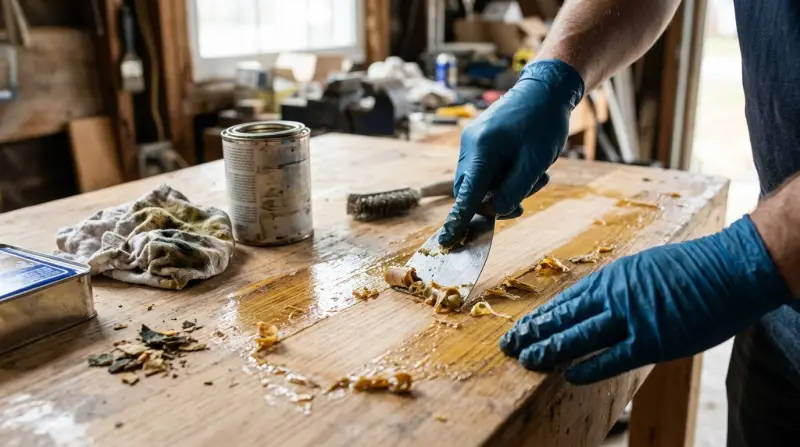
Contact cement is a rubber-based adhesive. It’s made to bond surfaces instantly after both sides are coated and allowed to dry. Unlike other glues, it doesn’t require clamps and works with materials like metal, plastic, wood, and fabric.
Contact cement comes in two main types:
- Solvent-based: Stronger, dries faster, and is more resistant to heat and moisture.
- Water-based: Safer, less toxic, but not as strong.
Because it forms a tough, flexible bond, removing it is harder than removing white glue or tape.
Why Removing Contact Cement Is Challenging
Removing contact cement is hard because of its chemical properties. Once dry, it becomes almost waterproof and heat-resistant. Scraping or pulling can harm surfaces, especially wood, laminate, or fabric. If you use the wrong solvent, you might discolor or melt the material.
Consider these statistics:
- Over 60% of DIY users report damaging surfaces when trying to remove strong adhesives.
- Contact cement can remain sticky for years if not removed properly, attracting dust and dirt.
Safety Precautions Before You Start
Contact cement contains volatile chemicals. Always take safety seriously:
- Work in a well-ventilated area to avoid inhaling fumes.
- Wear gloves to protect your skin.
- Use eye protection if scraping or using solvents.
- Keep away from open flames—solvent fumes are flammable.
- If removing from fabric or skin, avoid harsh chemicals.
These steps protect you from irritation, burns, or accidents.
Tools And Materials Needed
You’ll need specific tools depending on the surface and cement type. Here’s a quick overview:
| Tool/Material | Use | Surface Type |
|---|---|---|
| Plastic Scraper | Gentle removal | Wood, laminate, metal |
| Rag or Sponge | Applying solvents | All surfaces |
| Acetone | Dissolves adhesive | Metal, some plastics |
| Mineral Spirits | Safe solvent | Wood, painted surfaces |
| Sandpaper | Final cleanup | Wood, rough surfaces |
| Soap and Water | Mild cleaning | Skin, fabric |
Most people skip the scraper and try to use their fingernails—this damages surfaces and can injure your hands.
Step-by-step Methods To Remove Contact Cement
Let’s break down removal by surface type. Each method has its risks and tips.
Removing From Wood Surfaces
- Test a small area first. Some solvents can damage the finish.
- Apply mineral spirits with a rag. Let it sit for 5–10 minutes.
- Gently scrape with a plastic scraper. Avoid using metal tools.
- Wipe residue with a clean cloth.
- Repeat if needed. Sand lightly if sticky patches remain.
Avoid acetone unless you know the wood has no varnish or paint—it can strip finishes.
Removing From Metal
- Use acetone or nail polish remover (contains acetone).
- Soak a rag and press onto the cement for several minutes.
- Scrape gently with a plastic or metal tool.
- Clean with soap and water.
Metal surfaces are tougher, but some plastics attached to metal can react badly to acetone.
Removing From Laminate
- Try mineral spirits first.
- Apply with a sponge and let sit.
- Scrape gently—laminate is thin and scratches easily.
- Clean with water.
Non-obvious insight: Many laminates are heat-sensitive. Don’t use a heat gun—it can warp or bubble the surface.
Removing From Fabric
- Use soap and warm water for fresh spills.
- For dried cement, try a small amount of mineral spirits.
- Dab gently, don’t rub hard.
- Wash fabric thoroughly after.
Don’t use acetone—it can discolor or damage most fabrics.
Removing From Skin
- Wash with soap and water immediately.
- If still sticky, use a bit of mineral oil or vegetable oil.
- Rub gently, then rinse.
- Avoid harsh chemicals—they can cause burns or irritation.
Common mistake: People use solvents on skin. This can cause dryness, allergic reactions, or worse.
Choosing The Right Solvent
Not all solvents are safe for every surface. Here’s a comparison of common solvents:
| Solvent | Strength | Safe For | Risks |
|---|---|---|---|
| Acetone | High | Metal, some plastics | Flammable, melts plastics |
| Mineral Spirits | Medium | Wood, painted surfaces | Can discolor paint |
| Soap & Water | Low | Skin, fresh spills | Does not remove dried cement |
| Vegetable Oil | Low | Skin, fabric | Leaves residue |
Always check the label of your solvent and do a spot test.

Practical Tips For Complete Removal
- Work slowly. Rushing can damage surfaces.
- Use multiple applications. One round rarely removes all cement.
- Change rags often to avoid spreading glue.
- When scraping, keep the tool flat to avoid gouging.
- For stubborn areas, repeat the solvent and scraping cycle.
Non-obvious insight: Many people try to sand off contact cement right away. This spreads sticky residue and clogs sandpaper. Always soften with solvent first.
What To Avoid
- Heat guns: Can warp surfaces, especially plastic or laminate.
- Metal scrapers on wood: Causes scratches.
- Excessive solvent: Can damage finishes or cause discoloration.
- Mixing solvents: Dangerous and unnecessary.
Most damage happens when people panic and use too much force or the wrong chemical.
How To Handle Large Spills Or Thick Layers
If you have a large spill or thick contact cement:
- Remove excess with a scraper before using solvents.
- Apply solvent in sections, not all at once.
- Cover with plastic wrap to keep solvent from evaporating.
- Let sit for 15–30 minutes.
- Scrape and wipe—repeat as needed.
Example: If you spilled contact cement on a hardwood floor, scrape the thickest part, then apply mineral spirits and cover with wrap. After soaking, remove wrap and scrape again.
Comparing Contact Cement Removal To Other Adhesives
Contact cement is much harder to remove than white glue or hot glue. Here’s a quick comparison:
| Adhesive | Removal Difficulty | Common Removal Method |
|---|---|---|
| Contact Cement | High | Solvents, scraping |
| White Glue | Low | Water, scraping |
| Hot Glue | Medium | Heat, peeling |
| Epoxy | Very High | Specialized solvents, grinding |
Knowing the difference helps you pick the right removal method.

Credit: www.youtube.com
Cleaning Up After Removal
After removing contact cement, you’ll need to clean up:
- Wash surfaces with soap and water to remove residue.
- If wood or laminate looks dull, polish with a suitable finish.
- Ventilate the area to remove lingering solvent fumes.
- Dispose of used rags safely—solvent-soaked rags can catch fire.
Practical tip: Don’t use furniture polish right away. Let the surface dry fully before applying any finish.
When To Call A Professional
Sometimes, contact cement is stuck on valuable surfaces or you’re unsure which solvent is safe. In these cases:
- If the cement is on antique wood, call a restoration expert.
- For large spills on carpet, consider a cleaning service.
- If you have health concerns, avoid strong chemicals and seek help.
Professional help may cost more, but saves you from expensive mistakes.
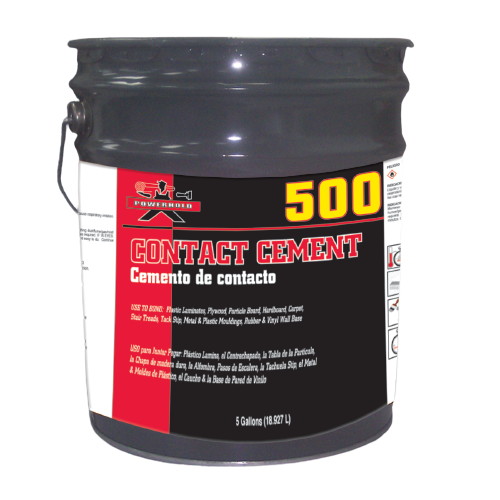
Credit: www.powerhold.com
Frequently Asked Questions
How Long Does It Take To Remove Contact Cement?
It depends on the thickness and surface. Small spots can take 30 minutes, while large spills may require several hours or even multiple sessions.
Can I Use Rubbing Alcohol To Remove Contact Cement?
Rubbing alcohol is not strong enough for dried contact cement. It may help with sticky residue but won’t dissolve the main bond.
Is Contact Cement Toxic?
Yes, especially the solvent-based type. It can cause headaches, skin irritation, and is flammable. Always use it and remove it in a well-ventilated area.
Will Mineral Spirits Damage Painted Surfaces?
Mineral spirits are safer than acetone, but they can still discolor some paints. Always test a small area first and avoid overuse.
What’s The Best Way To Remove Contact Cement From Clothes?
For fresh spills, wash with soap and water. For dried cement, use a small amount of mineral spirits, dab gently, and wash thoroughly. Avoid acetone, as it can harm fabric.
Removing contact cement is a job for patience and care. With the right tools and approach, you can restore your surfaces without damage. If you’re unsure about products or techniques, check trusted resources like Wikipedia for more information. By following safe methods and avoiding common mistakes, you’ll save time and keep your home or workspace clean and healthy.
1 thought on “How to Remove Contact Cement: Easy Solutions for a Clean Surface”