
The Chevy Equinox 1.5 Turbo engine has become a popular choice for drivers who want a balance between fuel efficiency and performance. But like many modern engines, it is not without its problems. Owners and mechanics have noticed some recurring issues that can affect reliability, driving comfort, and even long-term costs. If you own a Chevy Equinox with the 1.5 Turbo engine or you are thinking about buying one, understanding these problems is important. This guide covers the five main engine problems people face, how they affect the vehicle, and what you can do about them.
Overview Of The Chevy Equinox 1.5 Turbo Engine
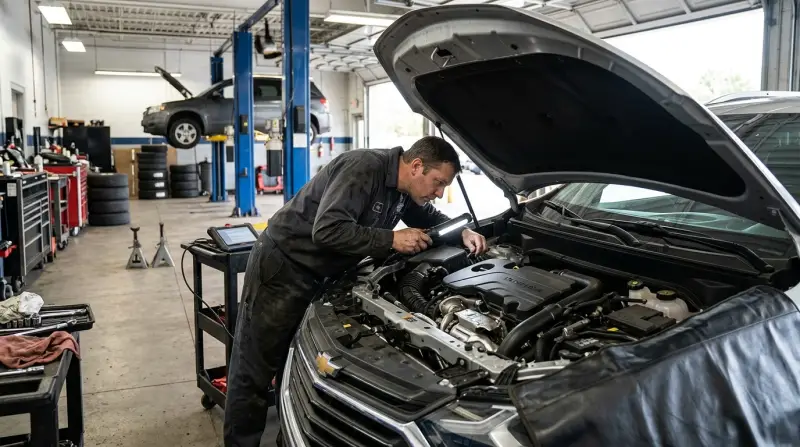
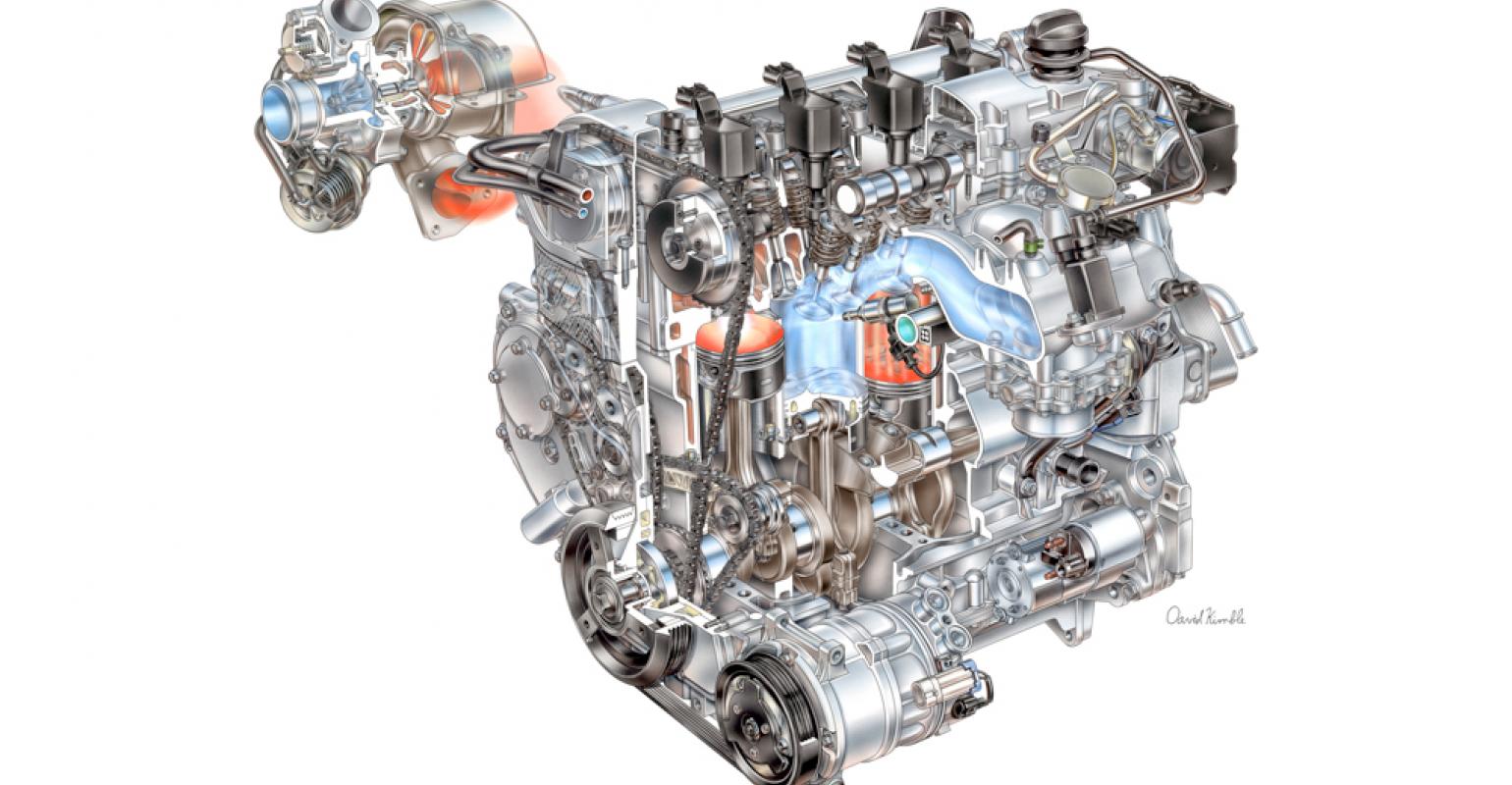
The 1.5 Turbo engine is a four-cylinder motor introduced in the Chevy Equinox starting with the 2018 model year. It uses direct fuel injection and a turbocharger to deliver more power while keeping fuel consumption low. Official numbers show the engine produces 170 horsepower and 203 lb-ft of torque. According to EPA tests, models with this engine achieve up to 26 mpg in the city and 31 mpg on the highway.
Owners often appreciate the engine’s smooth operation and quietness at low speeds. However, as the miles add up, some drivers report issues that can make the experience less enjoyable. These problems range from minor annoyances to expensive repairs.
1. Excessive Oil Consumption
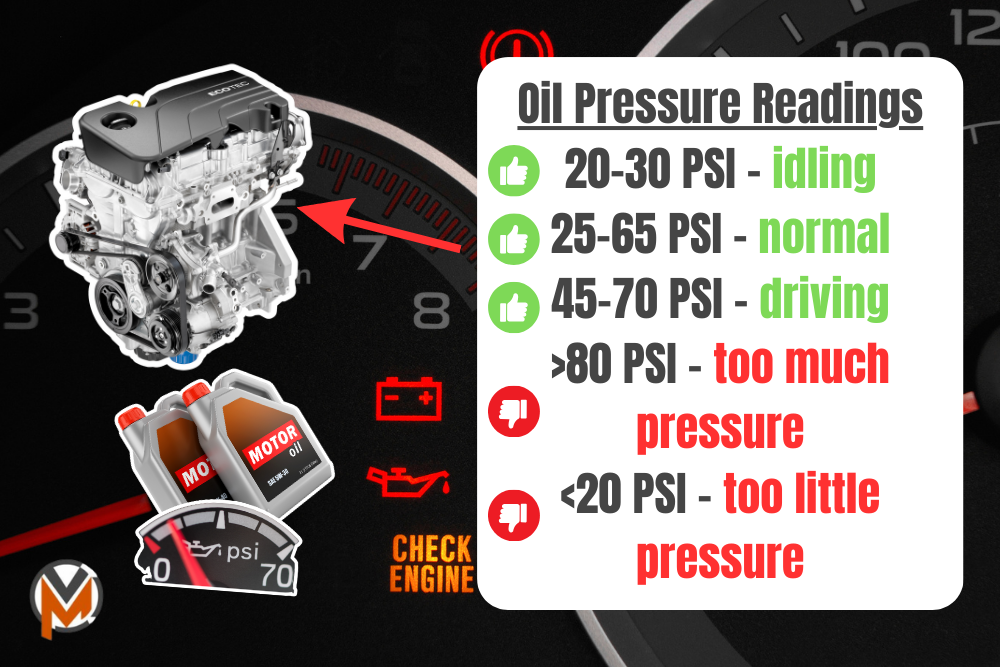
One of the most common complaints is excessive oil consumption. Many owners notice the oil level dropping faster than expected, sometimes requiring a top-up between regular oil changes.
Why It Happens
This issue is often linked to the engine’s direct injection system and turbocharger. Direct injection can cause more carbon build-up on piston rings, which affects their ability to seal. The turbocharger, which operates at high temperatures, can also contribute to oil burning.
Symptoms
- Low oil warning light
- Engine knocking or ticking noises
- Visible smoke from the exhaust
Real-world Data
A survey of Chevy Equinox owners on automotive forums shows about 15% report needing to add oil between changes, especially after 40,000 miles. While GM considers up to one quart per 1,000 miles to be “normal,” most modern engines use less.
What To Do
- Check your oil level every 1,000 miles
- Use the recommended oil type and grade
- Address any leaks immediately
If oil consumption is excessive, ask your dealer to check for piston ring issues. Early intervention can prevent bigger repairs later.
2. Turbocharger Failure
The turbocharger is a key part of the 1.5 Turbo engine, providing extra power without increasing engine size. But turbochargers can fail, especially if oil maintenance is neglected.
Common Causes
- Oil starvation due to clogged oil lines
- Contaminated oil
- High heat cycles
Symptoms
- Loss of power, especially at higher speeds
- Whining or rattling noises from the engine
- Check engine light
Statistics
GM issued technical bulletins about turbocharger failures on Equinox 1. 5 Turbo engines. Based on dealership repair records, turbocharger issues appear in about 5% of vehicles before 60,000 miles.
Repair Costs
Replacing a turbocharger can cost between $1,500 and $2,500, including parts and labor.
Prevention
- Change oil regularly using high-quality synthetic oil
- Avoid hard acceleration until the engine warms up
- Listen for unusual sounds
3. Carbon Build-up On Intake Valves
Direct injection engines, like the 1.5 Turbo, are prone to carbon build-up on intake valves. Unlike older engines, these valves do not get cleaned by fuel spray, allowing carbon deposits to accumulate.
Effects
- Rough idle
- Hesitation during acceleration
- Poor fuel economy
Owner Experiences
Many Equinox owners notice performance drops around 30,000–50,000 miles. Cleaning the intake valves (a process called walnut blasting) restores performance, but is not part of regular maintenance.
Data Table: Symptoms And Solutions
| Symptom | Possible Solution | Estimated Cost |
|---|---|---|
| Rough idle | Intake valve cleaning | $350–$600 |
| Acceleration hesitation | Fuel system treatment | $50–$100 |
| Poor fuel economy | Walnut blasting | $400–$700 |
Practical Tips
- Use top-tier gasoline to help reduce carbon build-up
- Consider periodic valve cleaning at 40,000 miles
- Avoid short trips that don’t let the engine warm up
Credit: www.motorbiscuit.com
4. Timing Chain Tensioner Failure
The timing chain tensioner is a small part that keeps the engine’s timing chain tight. If it fails, the chain can slip, leading to expensive engine damage.
Warning Signs
- Metallic rattling noise at startup
- Engine misfires
- Erratic idle
Data And Risks
GM has recognized timing chain tensioner issues in some Equinox models. According to repair shop data, about 3% of Equinox 1. 5 Turbo engines experience tensioner failure within the first 70,000 miles.
Comparison Table: Timing Chain Vs. Timing Belt
| Feature | Timing Chain | Timing Belt |
|---|---|---|
| Durability | Long-lasting (100k+ miles) | Needs replacement (60k-100k miles) |
| Failure Impact | Major engine damage | Usually less damage |
| Maintenance | Low, but tensioner can fail | Regular replacement needed |
What To Do
- Listen for unusual noises, especially when starting the engine
- Keep records of maintenance
- If you hear rattling, have the engine checked immediately
5. Engine Stalling And Hesitation
Some Equinox 1.5 Turbo owners report engine stalling or hesitation, especially during acceleration or when moving from a stop. This issue can be frustrating and dangerous in traffic.
Causes
- Faulty fuel injectors
- Malfunctioning electronic throttle
- Software glitches in the engine control module (ECM)
Owner Reports
A review of Equinox owner complaints on the NHTSA website shows that engine stalling is mentioned in about 8% of reports for the 1. 5 Turbo model years.
Example Scenario
A driver may press the gas pedal, but the vehicle hesitates or stalls for a moment before moving. Sometimes, the check engine light appears, but not always.
How To Address
- Update the ECM software if a recall is issued
- Have fuel injectors and throttle body checked
- Clean or replace air filters regularly
Data Table: Stalling Causes And Fixes
| Cause | Fix | Cost Range |
|---|---|---|
| Faulty injector | Injector replacement | $200–$400 |
| Throttle body issue | Throttle body cleaning/replacement | $150–$450 |
| ECM software glitch | Software update | $0–$150 |
Credit: www.motorverso.com
Why These Problems Matter
Even though these issues don’t affect every Equinox 1. 5 Turbo, they are important for buyers, owners, and mechanics to know. Early signs can be easy to miss, especially for non-experts. For example, oil consumption may seem minor, but it can lead to engine damage if ignored.
Turbocharger failure can start with just a small noise. Carbon build-up can reduce power and fuel efficiency, making the car feel sluggish.
How Chevy Has Responded
GM has issued several technical service bulletins to dealers about these problems, especially oil consumption and turbocharger failures. In some cases, warranty repairs are available if the vehicle is still under coverage. GM recommends regular oil changes and using the right oil type, which can reduce some risks.
Preventing 1.5 Turbo Engine Problems
Routine maintenance is the best way to avoid major repairs. Here are some practical steps:
- Check oil level at every fill-up, not just at oil change intervals.
- Use high-quality fuel to reduce carbon deposits.
- Warm up the engine before hard driving, especially in cold weather.
- Follow the manufacturer’s schedule for servicing and software updates.
- Pay attention to warning lights and unusual noises.
Two non-obvious tips: First, using a fuel system cleaner every 10,000 miles can help reduce carbon build-up. Second, many owners skip checking the oil because the car doesn’t have a dipstick warning—this can be a costly mistake. Always check the oil manually.
Comparing The Chevy Equinox 1.5 Turbo To Other Engines
How does the Equinox 1. 5 Turbo stack up against similar engines in other SUVs? Let’s look at some numbers.
| Engine | HP/Torque | Reported Problems | Mileage (EPA) |
|---|---|---|---|
| Chevy Equinox 1.5 Turbo | 170/203 | Oil, turbo, carbon, tensioner, stalling | 26/31 mpg |
| Honda CR-V 1.5 Turbo | 190/179 | Oil dilution, turbo | 28/34 mpg |
| Toyota RAV4 2.5 | 203/184 | Minor oil leaks | 27/35 mpg |
The Equinox 1. 5 Turbo offers decent performance and mileage but has more reported engine issues compared to the Toyota RAV4.

Credit: www.youtube.com
Frequently Asked Questions
What Is The Most Common Problem With The Chevy Equinox 1.5 Turbo Engine?
The most common issue is excessive oil consumption. Many owners notice they have to add oil between changes, which can lead to engine damage if ignored.
How Can I Prevent Turbocharger Failure?
Prevent turbocharger problems by using high-quality synthetic oil, changing it regularly, and avoiding hard driving before the engine warms up.
Is Carbon Build-up A Serious Issue?
Yes, carbon build-up can cause rough idling, hesitation, and reduced fuel efficiency. Regular cleaning of intake valves and using top-tier gasoline can help minimize this problem.
What Should I Do If My Equinox Stalls Or Hesitates?
If your engine stalls, check for software updates, have the fuel injectors inspected, and clean the throttle body. If the check engine light comes on, get a diagnostic scan.
Are Repairs For These Engine Problems Expensive?
Some repairs, like turbocharger replacement or timing chain tensioner fixes, can be costly (over $1,500). Regular maintenance and early intervention help avoid bigger bills.
The Chevy Equinox 1.5 Turbo engine is innovative but has some clear weaknesses. Staying informed and proactive about maintenance can help you avoid the worst problems. If you need more technical details, visit Wikipedia for deeper background. For most drivers, careful attention to oil, fuel, and warning signs will keep the Equinox running smoothly for years.