
The Chevrolet Traverse is a popular midsize SUV, known for its spacious interior and family-friendly features. However, many owners have faced issues with its transmission over the years. If you own or are considering buying a Traverse, understanding these problems can save you stress, time, and money. Let’s explore the common transmission troubles, how to spot them, and what you can do to avoid expensive repairs.
Why The Chevrolet Traverse Transmission Matters
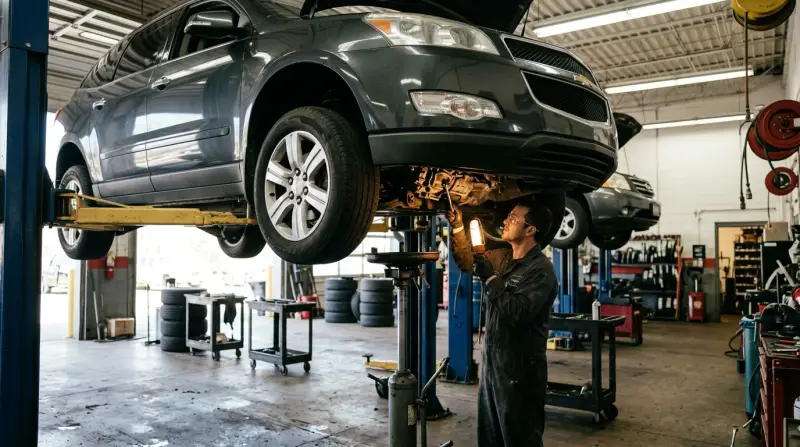
The transmission is the heart of your Traverse’s driving performance. It controls how power moves from the engine to the wheels. When it works well, you get smooth acceleration and a comfortable ride. If it fails, you can face high repair bills and safety concerns. For many Traverse owners, transmission problems have led to unexpected breakdowns, stalling on highways, or even total transmission replacement. Knowing the issues can help you make smarter choices.
Common Transmission Problems In The Chevrolet Traverse
Over the years, certain transmission issues have shown up more often in the Traverse. Some are minor annoyances, while others can lead to complete failure.
1. Hard Shifting And Jerking
Many owners report hard shifting—when the car changes gears with a jolt or delay. This can feel like the car is hesitating or “slamming” into the next gear. In some cases, the Traverse jerks during acceleration or slows down suddenly. This usually points to problems with the transmission control module, low fluid, or worn clutches inside the transmission.
2. Transmission Slipping
Transmission slipping means the engine revs up, but the SUV doesn’t move as expected. This is especially risky when merging onto highways or passing other cars. Slipping gears can be caused by worn bands or clutches, or by low or dirty transmission fluid. Sometimes, software problems in newer models also cause this issue.
3. Delayed Engagement
When you put your Traverse into gear (Drive or Reverse), you might notice a delay before the car actually starts moving. This delayed engagement can be a sign of internal wear, low fluid, or failing solenoids that control the flow of transmission fluid.
4. Transmission Failure
Some Traverse owners have faced total transmission failure, often before reaching 100,000 miles. This can happen suddenly, leaving the SUV unable to move. Causes range from internal mechanical damage to problems with the transmission control system. Replacing a transmission is expensive, often costing between $3,000 and $5,000.
5. Fluid Leaks
A common but often overlooked problem is transmission fluid leaks. If you see red or brown fluid under your Traverse, this could mean a leaking seal or gasket. Low fluid levels can quickly lead to overheating and major internal damage.
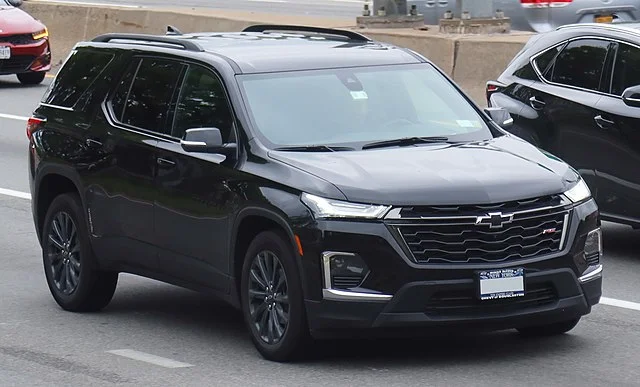
Credit: www.copilotsearch.com
Model Years Most Affected
Not all Chevrolet Traverses face the same level of risk. Some years have seen more complaints and repairs than others. Here’s a quick look at which models are most affected:
| Model Year | Reported Issues | Notable Problems |
|---|---|---|
| 2009-2012 | High | Complete failure, hard shifting |
| 2013-2017 | Moderate | Slipping, delayed engagement |
| 2018-2020 | Rising | Software, jerking, leaks |
| 2021-present | Lower (so far) | Minor issues, some software updates |
Older models, especially from 2009 to 2012, are the most affected. Many of these vehicles needed a full transmission replacement well before 120,000 miles. Newer models have fewer complaints but still face issues, often related to electronic controls.
Signs Your Traverse Transmission Is In Trouble
Catching transmission problems early can make a big difference. Here are warning signs every Traverse owner should watch for:
- Loud clunking or grinding noises when shifting
- Warning lights such as the check engine light or transmission warning
- Fluid leaks under the car (red or dark brown spots)
- Difficulty shifting gears or slipping out of gear
- Burning smell, often a sign of overheating fluid
- Sudden loss of power or hesitation during acceleration
If you notice any of these symptoms, it’s best to have your Traverse checked by a mechanic as soon as possible.
What Causes Transmission Problems In The Chevrolet Traverse?
Understanding the root causes helps you prevent or address transmission issues before they get worse.
1. Poor Maintenance
Many transmission failures result from lack of regular maintenance. Not changing the transmission fluid or ignoring leaks can quickly lead to overheating and internal damage. The Traverse’s transmission fluid should be changed about every 45,000 to 60,000 miles, but heavy city driving or towing may require more frequent service.
2. Design Flaws
Certain Traverse model years have design flaws in the transmission or its software. For example, early models used parts that wore out too soon, leading to premature failure. Software glitches in newer models can also cause hard shifting or delayed engagement.
3. Overheating
The Traverse is a heavy vehicle, especially when fully loaded. Towing trailers or driving in hot weather can cause the transmission to overheat, breaking down the fluid and damaging internal parts.
4. Faulty Components
Parts such as the transmission control module, solenoids, and seals may fail over time. Even a small part failure can cause serious shifting problems or leaks.
Comparing Traverse Transmission Problems To Other Suvs
It’s helpful to see how the Traverse stacks up against similar vehicles. Here’s a comparison of common transmission complaints among popular midsize SUVs:
| Model | Major Transmission Complaints | Estimated Repair Cost |
|---|---|---|
| Chevrolet Traverse | Hard shifting, failure, leaks | $3,000–$5,000 |
| Ford Explorer | Slipping, hesitation | $2,800–$4,500 |
| Toyota Highlander | Occasional slipping | $2,500–$4,000 |
| Honda Pilot | Judder, delayed shifting | $2,700–$4,200 |
The Traverse’s transmission problems are more severe than some competitors, especially in older models. The cost of repair or replacement is also on the higher end.
How To Prevent Traverse Transmission Problems
You can lower your risk of costly transmission repairs by following a few key steps:
- Check and change transmission fluid regularly. Fresh fluid helps keep parts cool and prevents buildup of debris.
- Watch for leaks. Even small leaks can quickly lead to low fluid and internal damage.
- Avoid heavy towing unless your Traverse is equipped for it. Overloading puts extra stress on the transmission.
- Drive gently. Fast starts and stops increase wear on transmission parts.
- Have software updates applied. Newer models sometimes require updates from the dealer to fix shifting or control issues.
- Address warning lights immediately. Don’t ignore the check engine or transmission warning lights—they often signal problems before a breakdown.
Many owners overlook point #5—software updates. These can solve shifting problems without replacing expensive parts. It’s also common to ignore minor leaks, thinking they’re not serious. But even small leaks can destroy a transmission if not fixed quickly.
What To Do If Your Traverse Has Transmission Problems
If you think your Traverse is having transmission trouble, act fast:
- Stop driving if you hear loud noises or lose power. Driving with a failing transmission can make the damage worse.
- Check the fluid level. Low fluid is a common cause of shifting problems.
- Visit a trusted mechanic or dealership. Ask for a full transmission diagnostic. Sometimes the problem is a small electronic part or a simple leak.
- Check for recalls or service bulletins. Some issues may be covered by Chevrolet, especially in newer models or for major safety concerns.
- Get a second opinion if you’re told you need a full transmission replacement. Sometimes, less expensive repairs can solve the problem.
Here’s a quick look at possible solutions and their estimated costs:
| Problem | Possible Solution | Estimated Cost |
|---|---|---|
| Hard shifting | Fluid change, software update | $200–$400 |
| Slipping gears | Replace clutches or bands | $1,000–$2,000 |
| Fluid leak | Replace seal/gasket | $150–$350 |
| Total failure | Rebuild or replace transmission | $3,000–$5,000 |
Should You Buy A Used Traverse?
If you’re thinking about buying a used Chevrolet Traverse, be extra careful. Ask for the vehicle’s maintenance history, and see if the transmission has been serviced or replaced. Test drive the SUV and pay close attention to any shifting delays, noises, or warning lights. A pre-purchase inspection by a qualified mechanic is a smart investment.

When Is It Time To Replace The Transmission?
Sometimes, repairs won’t solve the problem, especially if the transmission is badly damaged or has failed multiple times. If you face repeated issues or repair costs near the price of a new transmission, replacement may be the best option. For older Traverses, consider the overall condition and value of the vehicle before investing in a costly repair.

Additional Resources
For detailed information about recalls, maintenance schedules, and technical service bulletins, you can visit the official NHTSA website.
Frequently Asked Questions
What Years Of The Chevrolet Traverse Have The Most Transmission Problems?
The 2009–2012 Traverse models have the most reported transmission problems. Many owners experienced total transmission failure before 120,000 miles. Later models improved, but some issues still appear in 2013–2017 vehicles.
How Much Does It Cost To Replace A Traverse Transmission?
Replacing a Traverse transmission usually costs between $3,000 and $5,000. The price depends on the model year, whether you use new or rebuilt parts, and local labor rates.
Can Software Updates Fix Transmission Problems?
Yes, software updates can fix some shifting and control problems, especially in newer Traverses. Dealers can update the transmission control module to improve shifting and prevent jerking.
Is It Safe To Drive With A Slipping Transmission?
No, driving with a slipping transmission is risky. It can cause sudden loss of power or leave you stranded. Continuing to drive can also cause more damage and higher repair costs.
How Often Should I Change The Traverse’s Transmission Fluid?
It’s best to change the transmission fluid every 45,000 to 60,000 miles. If you drive in heavy traffic, tow often, or notice any shifting issues, check the fluid more often.
Transmission problems can be stressful, but early action and regular care can keep your Chevrolet Traverse running smoothly for years. Stay alert to warning signs, invest in routine maintenance, and don’t ignore small issues—they often grow into big ones. By being proactive, you can enjoy the comfort and versatility of your Traverse without major transmission headaches.
1 thought on “Chevrolet Traverse Transmission Problems: Causes and Solutions”