
Choosing the right sealant for your pipes can make a huge difference in how well your plumbing works. If you’ve ever fixed a leak or installed a new fixture, you know the importance of a tight, reliable seal. Two products stand out: pipe dope (also called pipe joint compound) and Teflon tape (often known as PTFE tape). Each has its strengths, weaknesses, and ideal uses. In this article, you’ll learn exactly how these sealants compare, when to use each, and the mistakes to avoid. This guide will help both beginners and DIYers understand these tools like a pro.
What Is Pipe Dope?
Pipe dope is a thick, paste-like substance used to seal threaded pipe joints. It’s been around for decades and is popular among plumbers and mechanics. The main job of pipe dope is to fill the tiny gaps between threads, preventing leaks from water, gas, or air.
Pipe dope usually contains resins, fillers, and sometimes lubricants. Some types are even designed for specific materials, like metal or PVC. You apply it directly to the threads before screwing pipes together.
Key Benefits Of Pipe Dope
- Strong seal: Especially effective for high-pressure systems.
- Versatile: Works with many materials, including metal and plastic.
- Lubrication: Makes assembly easier and prevents threads from seizing.
- Temperature resistance: Some formulas handle extreme heat or cold.
Pipe dope is often used in situations where vibration or movement might loosen connections. It’s a common choice for gas lines, water heaters, and industrial settings.
What Is Teflon Tape?
Teflon tape, also called PTFE tape, is a thin, white tape made from polytetrafluoroethylene. You wrap it around pipe threads to create a tight seal and reduce friction. It’s easy to use, affordable, and widely available.
Teflon tape comes in different thicknesses and colors. White tape is standard for water lines, while yellow is rated for gas. Pink and green tapes are also used for specific applications, like oxygen lines.
Key Benefits Of Teflon Tape
- Simple to apply: Just wrap around threads before assembly.
- Clean and mess-free: No sticky residue.
- Effective seal: Works well for most household plumbing.
- Non-reactive: Won’t corrode pipe materials.
Teflon tape is ideal for quick repairs and smaller jobs. It’s commonly used for faucets, shower heads, and other low-pressure connections.
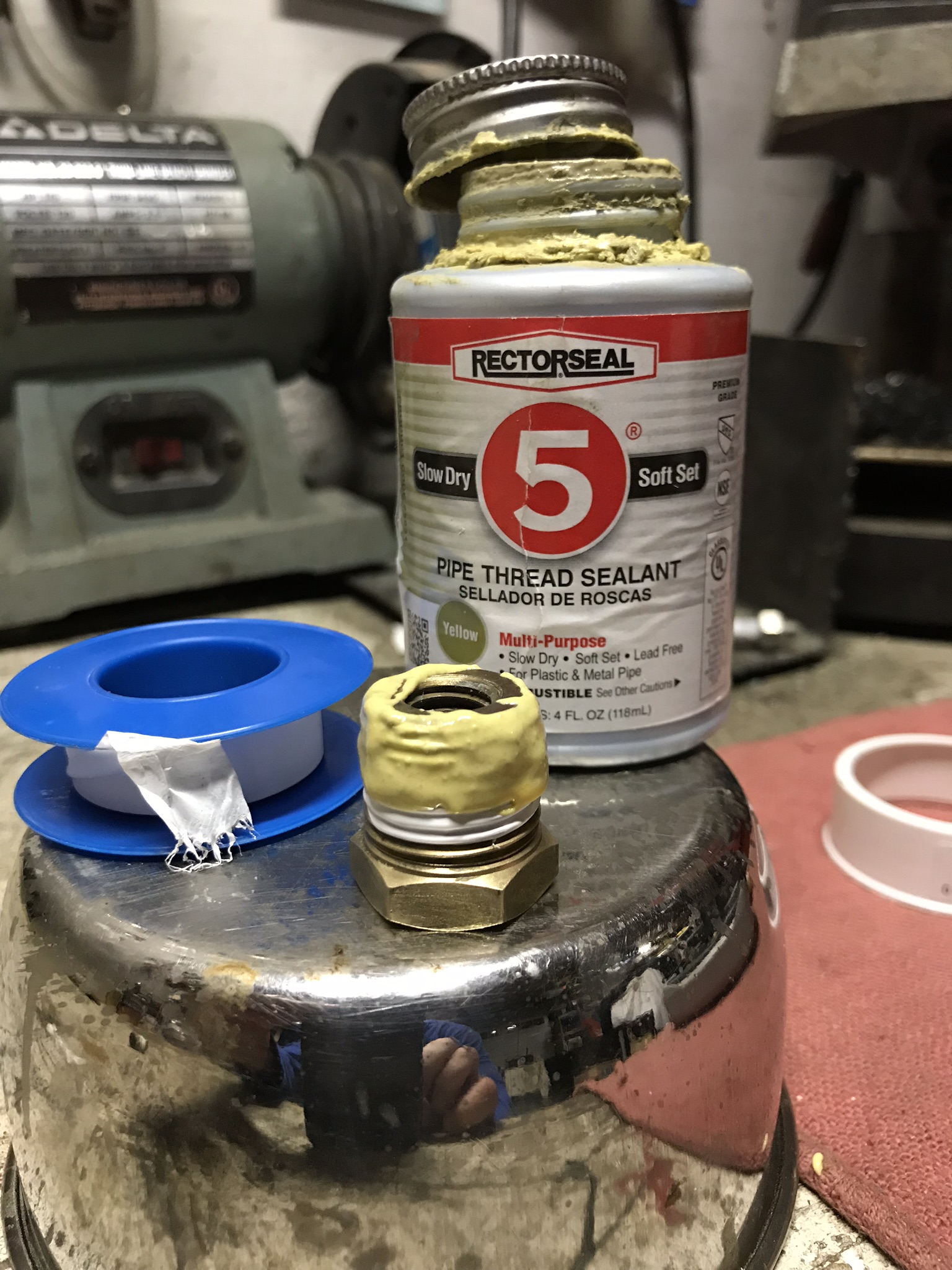
How Pipe Dope And Teflon Tape Compare
Both sealants are designed to prevent leaks, but they work in different ways. Understanding their strengths and weaknesses will help you make the right choice.
Here’s a quick comparison:
| Feature | Pipe Dope | Teflon Tape |
|---|---|---|
| Application | Brush-on paste | Wrap-around tape |
| Messiness | Can be messy | Clean |
| Pressure Resistance | Handles high pressure | Best for moderate pressure |
| Material Compatibility | Metal & plastic | Mostly metal, some plastic |
| Temperature Resistance | Wide range | Moderate range |
| Ease of Removal | Harder to remove | Easy to remove |
When Should You Use Pipe Dope?
Pipe dope is best for heavy-duty jobs. If you’re working with high-pressure water or gas lines, pipe dope is often the safer choice. It provides a stronger seal and can handle vibrations better than tape.
Common uses include:
- Gas lines (natural gas, propane)
- Industrial water systems
- Boiler fittings
- Large metal pipes
- Outdoor plumbing exposed to extreme temperatures
Some formulas are made for PVC or CPVC, but always check the label. Not all pipe dopes work with plastics.
Practical Tips
- Use a thin, even layer. Too much can squeeze out and clog pipes.
- Don’t use on compression or flare fittings; only on threaded joints.
- Choose a product rated for your pipe material and intended use.
- Allow pipe dope to cure if the instructions say so. Some types require drying time for full effectiveness.
When Should You Use Teflon Tape?
Teflon tape is perfect for most home plumbing jobs. It’s quick, clean, and doesn’t require special tools. Many DIYers prefer it for its simplicity.
Typical uses include:
- Faucet and shower head connections
- Garden hose fittings
- Low-pressure water lines
- Air compressor lines
- Small threaded connections
Yellow tape is recommended for gas lines, but only if your local code allows. Pink or green tapes are used for more specialized jobs.
Practical Tips
- Wrap tape clockwise (same direction as the thread).
- Use 2–3 layers for best results.
- Avoid overlapping the tape into the pipe’s opening.
- Store tape in a dry area—moisture can affect performance.
The Science Behind Sealing
Pipe threads are designed to tighten, but they don’t always create a perfect seal. Tiny gaps can let water, gas, or air escape. Both pipe dope and Teflon tape fill these gaps, but they do it differently.
Pipe dope fills spaces with a thick paste, which hardens or stays flexible, depending on the formula. It can also lubricate the threads, making it easier to assemble and disassemble pipes. Teflon tape acts as a barrier and lubricant. It compresses as you tighten the joint, blocking leaks.
A study by the Plumbing Manufacturers International found that properly applied sealants can reduce leak risk by over 95%. However, incorrect use can actually cause leaks or damage.
Real-world Examples
Let’s look at two common scenarios:
- Installing a gas line: Most professionals choose pipe dope rated for gas. It handles high pressure and vibration. Teflon tape is sometimes used, but only the yellow type, and only if allowed by local codes.
- Fixing a faucet: Teflon tape is the go-to solution. It’s fast, clean, and works well for low-pressure water.
Here’s another comparison:
| Scenario | Recommended Sealant | Why |
|---|---|---|
| Gas line installation | Pipe dope | Strong seal, vibration resistance |
| Shower head repair | Teflon tape | Quick, clean, low pressure |
| Outdoor metal pipe | Pipe dope | Handles temperature changes |
| Garden hose fitting | Teflon tape | Easy removal, simple application |
Mistakes To Avoid
Many beginners make simple mistakes that lead to leaks or damaged pipes. Here are some common errors:
- Using too much pipe dope. Excess compound can clog pipes or get into water supply.
- Applying Teflon tape in the wrong direction. If you wrap it counterclockwise, it unravels as you screw the fitting together.
- Mixing sealants. Don’t use pipe dope and Teflon tape together unless the manufacturer says it’s okay.
- Using the wrong product for the material. Some pipe dopes damage plastics, and regular Teflon tape is not rated for gas lines.
- Not cleaning threads before applying sealant. Dirt or oil can prevent a good seal.
Cost And Availability
Both products are affordable and easy to find. Pipe dope usually costs $3–$8 per tube, while Teflon tape is about $1–$3 per roll. Teflon tape lasts longer for small jobs, but pipe dope covers more heavy-duty applications.
Availability is high in hardware stores, plumbing suppliers, and online retailers. Some brands offer premium versions with special ratings for gas, water, or chemicals.
Environmental And Safety Concerns
Pipe dope can contain chemicals that are harmful if swallowed or inhaled. Always use in a well-ventilated area and keep away from children. Some modern formulas are non-toxic and water-based, which are safer for home use.
Teflon tape is generally safe, but small pieces can end up in water lines if not applied carefully. Always trim excess tape to avoid contamination.
Both products are long-lasting and don’t break down easily. However, leftover sealants should be disposed of properly. Check local regulations for hazardous waste.
Expert Insights And Non-obvious Tips
Most beginners don’t realize that:
- Thread shape matters. Pipe dope is better for tapered threads, while Teflon tape works well for straight threads. Check your pipe type before choosing.
- Temperature ratings differ. Some pipe dopes can handle temperatures up to 400°F, while standard Teflon tape is usually rated up to 260°F. For steam or hot water lines, always check the specs.
- Sealant age affects performance. Old pipe dope can dry out and lose effectiveness. Teflon tape can tear if stored in humid conditions.
A confident tip: If you’re unsure, ask your local plumbing supply store for advice. Many professionals recommend pipe dope for gas and high-pressure systems, and Teflon tape for everyday water jobs.
Which Is Better For Diy Projects?
For most home repairs, Teflon tape is the best choice. It’s easy, clean, and works for common tasks like fixing faucets or shower heads. Pipe dope is more suitable for advanced projects, especially where high pressure or gas is involved.
If you’re working on a project where safety is critical (like gas lines), don’t guess. Check local codes and product labels. Sometimes, using the wrong sealant can void warranties or cause dangerous leaks.

Pipe Dope Vs Teflon Tape: Final Comparison
Let’s sum up the main differences:
| Pipe Dope | Teflon Tape |
|---|---|
| Best for high pressure | Best for low/moderate pressure |
| Messier application | Cleaner application |
| Works on metal & plastic | Works mainly on metal |
| Lasts longer in harsh conditions | Easy to remove/replace |
| Requires careful handling | Quick and simple |
Frequently Asked Questions
What Happens If I Use Both Pipe Dope And Teflon Tape Together?
Some plumbers combine both, but it’s not always safe. Many manufacturers warn against mixing sealants, as it can cause leaks or damage. Always follow product instructions.
Is Teflon Tape Safe For Drinking Water Lines?
Yes, as long as you use tape rated for potable water. White Teflon tape is generally safe, but double-check the packaging for safety certifications.
Can I Use Pipe Dope On Plastic Pipes?
Only certain types. Not all pipe dopes are compatible with PVC or CPVC. Always check the label and use a product specifically designed for plastics.
How Many Layers Of Teflon Tape Should I Use?
Two to three layers are usually enough. Too many layers can make fitting tight and lead to cracks.
Where Can I Find Official Recommendations For Sealants?
You can check plumbing codes or visit Plumbing Manufacturers International for guidance and product standards.
Choosing between pipe dope and Teflon tape isn’t complicated when you understand their uses. For heavy-duty jobs and gas lines, pipe dope is the clear winner. For everyday plumbing and quick fixes, Teflon tape makes life easier. Always check your pipe type, pressure requirements, and local codes before picking a sealant.
With the right choice, your plumbing will be leak-free for years to come.