
A washing machine that stops spinning and makes strange noises can quickly turn laundry day into a real headache. GE washers, known for their reliability, can develop issues like any other appliance. If you hear banging, grinding, or humming, and your washer drum won’t spin, it’s a sign something’s wrong. You might worry about repair costs or wonder if it’s time for a new machine. But before you call a technician, there’s a lot you can check and even fix yourself.
Let’s break down why your GE washer isn’t spinning and is making noise, how to diagnose the problem, and what you can do about it. By the end, you’ll know the common causes, fixes, and when it’s time to get professional help.
What Does “not Spinning” And “making Noise” Mean?
A washer’s spin cycle removes water from clothes by turning the drum quickly. If your GE washer isn’t spinning, you’ll find clothes wet at the end of the cycle. Noises can range from clicking to grinding or thumping.
Common symptoms include:
- Wet laundry after the final cycle
- Unusual sounds (banging, grinding, humming, squeaking)
- Drum not moving or spinning slowly
- Error codes on digital displays
These signs help narrow down the cause, so listen and look closely.
Common Causes Of A Ge Washer Not Spinning And Making Noise
Several parts can fail or wear out. Here are the most common causes, from easiest to hardest to fix.
Unbalanced Load
An unbalanced load is the simplest cause. Washing a single heavy item (like a blanket) or mixing heavy and light clothes can make the drum wobble.
Symptoms:
- Loud banging or thumping
- Washer stops mid-spin or won’t spin at all
Solution: Open the lid, redistribute the clothes evenly, and restart the spin cycle.
Clogged Or Faulty Drain Pump
If water can’t drain, the washer won’t spin. Small objects or lint can block the drain pump.
Symptoms:
- Humming or buzzing sounds
- Water remains in the drum after the cycle
- Error codes about draining
What to do: Unplug the washer, remove the back panel, and check the pump for debris. Clear any blockages. If the pump is damaged or the noise is very loud, the pump may need replacing.
Broken Drive Belt
The drive belt connects the motor to the drum. If it’s loose, broken, or worn out, the drum won’t spin.
Symptoms:
- Drum doesn’t move during spin cycle
- Squealing or squeaking noise
- Belt looks cracked or off the pulleys
Fix: Replacing the belt is a moderate DIY task. Make sure to buy the correct belt for your GE model.
Faulty Lid Switch
Most washers won’t spin if the lid switch is broken. This is a safety feature.
Symptoms:
- Washer fills and agitates but won’t spin
- Clicking noise when trying to start spin
- No error code, or a “lid open” warning
How to check: Press the lid switch with a pen and listen for a click. No click means the switch likely needs replacing.
Worn Drum Bearings
Drum bearings help the drum spin smoothly. Over time, they can wear out, especially if the washer is old or overloaded.
Symptoms:
- Loud grinding or rumbling noise during spin
- Drum spins roughly by hand
- Noise gets worse over time
Repair: Replacing bearings is a complex job, often best left to a technician. It can also be costly—sometimes more than a new washer.
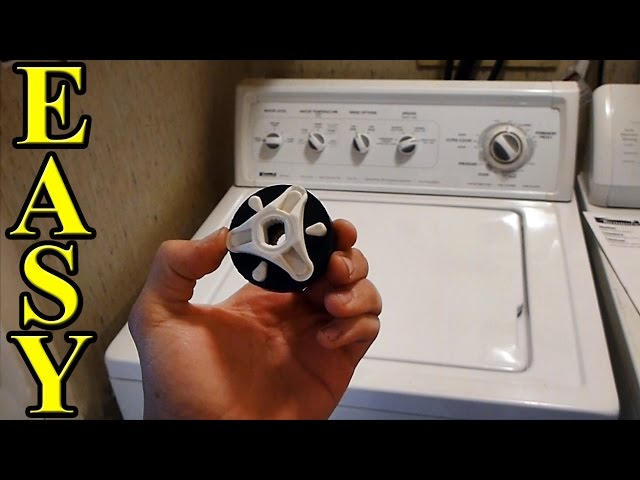
Broken Motor Coupling
On some GE models, the motor coupling connects the motor to the transmission. If it breaks, the drum won’t spin.
Symptoms:
- Washer fills and drains but does not spin
- Loud clicking or buzzing noise
Solution: Replacing the motor coupling is a reasonable DIY repair if you’re comfortable with tools.
Damaged Suspension Rods Or Springs
Suspension rods keep the drum balanced. If they break or wear out, the drum can bang against the sides.
Symptoms:
- Thumping or banging during spin
- Drum feels loose or off-center
Action: Replacing suspension rods is possible for DIYers, but requires opening up the washer.
Faulty Clutch Or Transmission
These parts help control the spin speed. If they fail, the washer may not spin or may make grinding noises.
Symptoms:
- Burning smell or grinding sound
- Drum spins slowly or not at all
Advice: Clutch or transmission repairs are advanced. Consider the age of your washer before investing in these repairs.
Diagnosing The Problem: Step-by-step
Before replacing parts, it’s smart to diagnose the issue. Here’s a logical order for checking your GE washer.
- Unplug the washer for safety.
- Open the lid and check for an unbalanced load.
- Check for error codes on the display (if your model has one).
- Try spinning the drum by hand. Does it move freely? Any grinding or roughness?
- Inspect the drain pump and drain hose for blockages.
- Test the lid switch for a click sound.
- Look under the washer for signs of a broken belt or leaks.
- Listen carefully during the spin cycle for the type and location of noises.
This approach helps you avoid unnecessary repairs and quickly finds the most likely cause.
Table: Common Ge Washer Problems And Likely Causes
To help narrow things down, here’s a quick reference:
| Symptom | Likely Cause | DIY Level |
|---|---|---|
| Washer not spinning, loud banging | Unbalanced load, broken suspension rod | Easy to Medium |
| Drum doesn’t move, squealing noise | Broken drive belt | Medium |
| Humming sound, water won’t drain | Clogged drain pump | Easy |
| Grinding during spin | Worn drum bearings | Difficult |
| No spin, no noise | Faulty lid switch | Easy |
Fixes You Can Try Yourself
For many problems, you don’t need to be an expert to try a repair. Here are some actions you can take:
- Redistribute The Load: If you hear banging, pause the cycle and rearrange the clothes. Make sure the load is even. Too many heavy items or just one heavy item can cause imbalance.
- Clean The Drain Pump: Unplug the washer and locate the drain pump (usually at the bottom or back). Remove any visible debris. Always keep a towel handy as water may spill out.
- Inspect And Replace The Drive Belt: Access the belt by removing the back panel (check your GE model’s manual). If the belt is loose or cracked, replace it with a new one. Make sure the new belt is tight but not stretched.
- Test And Replace The Lid Switch: Use a multimeter to test the switch. If it’s not working, order a replacement part. This is often attached with just a few screws.
- Tighten Or Replace Suspension Rods: If the drum feels loose, check the rods or springs. Replace any that look bent or broken.
- Lubricate Or Replace Drum Bearings: If you suspect worn bearings, listen for a deep rumbling noise. Lubrication may help temporarily, but replacement is the real fix. This job is advanced and may need a technician.
Table: Diy Fixes Vs. When To Call A Technician
Here’s a quick guide to help you decide:
| Problem | DIY Possible? | Professional Needed? |
|---|---|---|
| Redistribute load | Yes | No |
| Clean drain pump | Yes | No |
| Replace drive belt | Yes (with tools) | No |
| Replace drum bearings | No | Yes |
| Transmission repair | No | Yes |
Two Common Mistakes Beginners Make
When tackling washer issues, many beginners make these mistakes:
- Forgetting to unplug the washer. This can cause electric shocks or accidental starts. Always unplug before opening panels or touching wires.
- Ignoring small noises. A faint squeak or thump often means a part is wearing out. Fixing it early can prevent bigger, more expensive problems.
When To Call A Professional
Not every problem can be fixed at home. Call a technician if:
- The washer is under warranty (do not open it yourself)
- You see burning or smell smoke
- There is water leaking from the machine’s base
- You can’t find the problem after basic checks
- Repairs require special tools (like bearing or transmission work)
Sometimes, a repair costs more than half the price of a new machine. If your GE washer is over 8 years old, compare repair vs. replacement costs. Modern washers use less water and energy, which can save you money over time.
Preventing Future Washer Problems
To keep your GE washer spinning smoothly:
- Don’t overload the drum. Too many clothes stress the motor and bearings.
- Clean the drain filter every few months.
- Check pockets for coins or small items before washing.
- Balance each load for even spinning.
- Run a cleaning cycle with washer cleaner monthly.
Regular care can prevent most common issues.
Table: Washer Lifespan And Maintenance Tips
How long can you expect your washer to last? Here’s a quick overview.
| Washer Age | Common Issues | Recommended Action |
|---|---|---|
| Under 5 years | Minor clogs, belt wear | DIY repairs, regular cleaning |
| 5-10 years | Bearings, pump, lid switch | Mix of DIY and professional repairs |
| Over 10 years | Major part failures | Consider replacement |
Frequently Asked Questions
Why Does My Ge Washer Make A Grinding Noise But Still Spins?
A grinding noise often means worn bearings or something stuck between the drum and tub. If it still spins, fix the issue soon—ignoring it can lead to more damage.
Can A Clogged Drain Pump Cause A Washer Not To Spin?
Yes. A clogged drain pump prevents water from leaving the drum. Most washers won’t spin if water remains inside, to avoid damaging the motor or flooding.
Is It Safe To Use My Washer If It’s Making Noise But Still Works?
If the noise is new or loud, stop using the washer until you find the cause. Continuing to run it can break other parts, leading to more expensive repairs.
How Much Does It Cost To Fix A Ge Washer That Won’t Spin?
Costs vary. A new belt or lid switch may cost $20–$60 if you DIY. Professional repairs for bearings or transmission can range from $200 to $400. Get a quote before agreeing to major repairs.
Where Can I Find Official Parts Or Repair Guides For My Ge Washer?
The official GE Appliances website offers manuals and genuine parts. For trusted advice and troubleshooting, check Consumer Reports for independent reviews and tips.
Washing machines are complex but many problems have simple fixes. By understanding your GE washer’s symptoms, you can solve most issues yourself or know when to call for help. Regular maintenance and early action can extend your washer’s life, saving you time and money in the long run.