
If you live in a snowy area, a Powersmart snow blower can be a real lifesaver during winter. These machines help clear your driveway and walkways quickly, saving you a lot of hard work. But like any machine, snow blowers can face problems. When your Powersmart snow blower stops working as expected, it can be frustrating—especially when snow is piling up outside. Understanding the most common problems, why they happen, and how to fix them can save you money and prevent bigger issues.
This guide takes you through the most frequent Powersmart snow blower problems, how to spot them, and what you can do to get your machine running smoothly again. You’ll also learn how to avoid common mistakes that can make problems worse.
Whether you’re a new owner or have used snow blowers for years, these tips will help you keep your equipment in top shape and avoid getting stuck in the cold.
Most Common Powersmart Snow Blower Problems
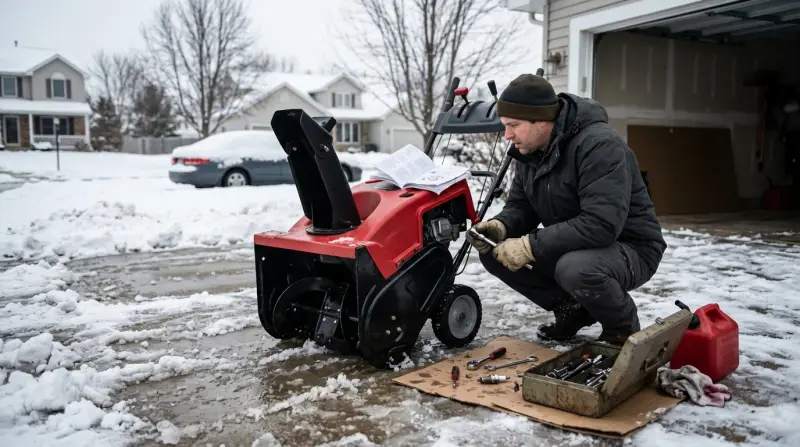
Snow blowers are built to handle tough jobs, but they face a lot of stress. Here are the issues that Powersmart owners face most often:
- Snow Blower Won’t Start
- Engine Runs Poorly or Stalls
- Auger or Impeller Not Spinning
- Snow Blower Not Throwing Snow Far Enough
- Drive System Not Working
- Clogged Chute
- Excessive Vibration or Noise
- Leaking Fuel or Oil
- Shear Pin Breakage
- Electric Start Failure
Each of these problems has different causes and solutions. Let’s look at each one in more detail.
Snow Blower Won’t Start
When your Powersmart snow blower won’t start, it’s usually due to fuel, spark, or air problems. Here’s how to troubleshoot:
- Old or Stale Gasoline: Gasoline left in the tank over summer can turn bad. Always use fresh fuel at the start of the season.
- Spark Plug Issue: A dirty or damaged spark plug can prevent the engine from starting. Remove and check the spark plug. Clean or replace if needed.
- Clogged Carburetor: If fuel sits too long, it can clog the carburetor. Use carburetor cleaner or have a technician inspect it.
- Safety Key or Switch: Many Powersmart models have a safety key or switch. Make sure it’s in place and the switch is on.
If you store your snow blower for months, always drain or stabilize the fuel to avoid starting trouble.
Engine Runs Poorly Or Stalls
A snow blower engine that sputters, runs rough, or stalls can make snow clearing a headache. Some common reasons include:
- Dirty Air Filter: A clogged air filter restricts airflow and causes engine trouble. Clean or replace the filter each season.
- Incorrect Fuel Mixture: Using the wrong fuel or oil mixture can lead to engine problems. Check your user manual for the right type.
- Water in Fuel: Water can enter the tank due to condensation. Drain old fuel and refill with fresh, dry gasoline.
Insight: Many beginners overlook tiny cracks in fuel lines, which can draw in air and cause stalling. Inspect lines for leaks regularly.
Auger Or Impeller Not Spinning
If your snow blower’s auger (the rotating blades at the front) or the impeller (the part that throws the snow) isn’t moving, the problem is often mechanical:
- Broken Shear Pin: Shear pins are designed to break if the auger hits something hard, protecting the gearbox. Replace broken pins with the right type for your model.
- Drive Belt Issue: The belt connecting the engine to the auger or impeller can slip or break. Look for loose, worn, or broken belts.
- Gearbox Failure: In rare cases, the gearbox can fail, especially after hitting large objects. This usually needs professional repair.
Non-obvious tip: Don’t use regular bolts instead of shear pins. Regular bolts can damage the gearbox if the auger jams.
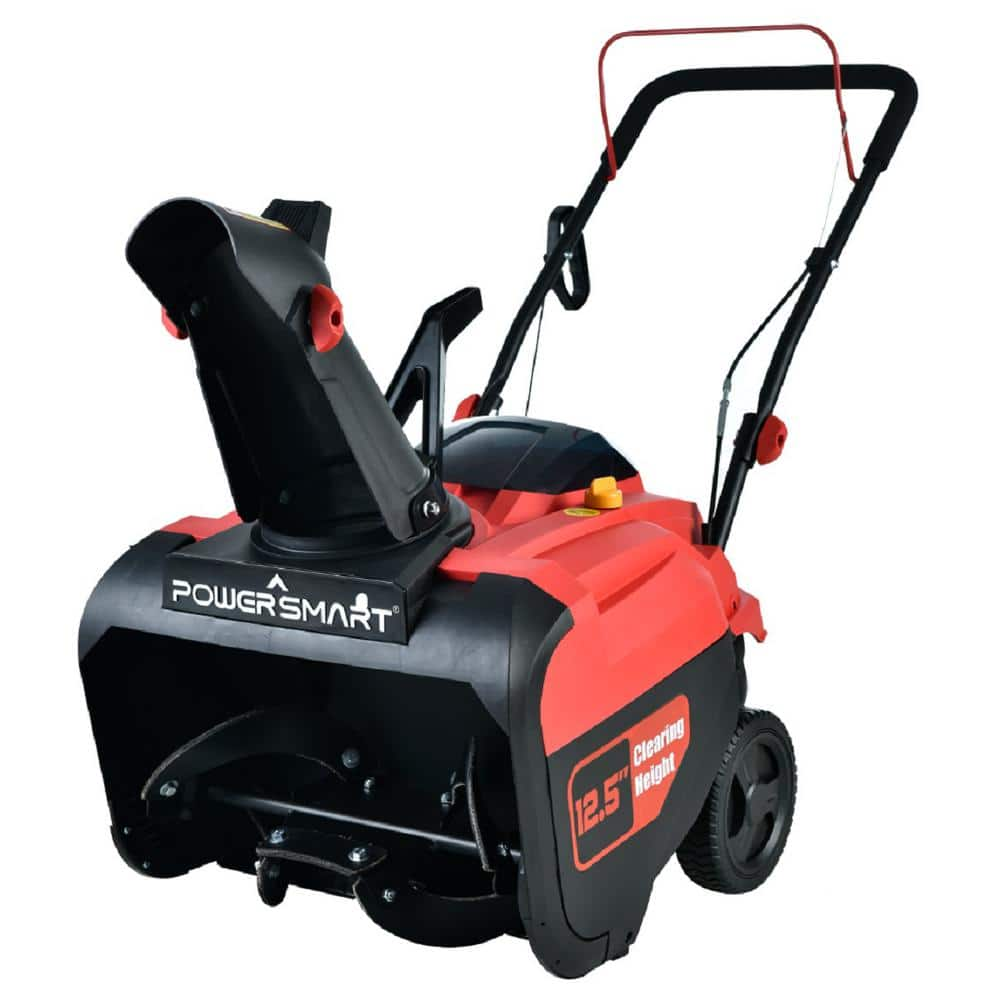
Snow Blower Not Throwing Snow Far Enough
When your Powersmart snow blower only throws snow a short distance, it can be due to:
- Clogged Chute or Auger: Wet, heavy snow can pack into the chute. Always clear it with a stick, never your hands.
- Worn Impeller Blades: Over time, impeller blades can wear down, reducing throwing power.
- Low Engine Speed: A weak engine or low throttle reduces performance. Make sure you’re running at full throttle.
Here’s a quick comparison of possible causes and fixes:
| Problem | Possible Cause | Quick Fix |
|---|---|---|
| Poor throwing distance | Clogged chute | Clear chute with stick |
| Low snow output | Worn impeller | Replace impeller |
| Weak performance | Low throttle | Set to full throttle |
Drive System Not Working
If your snow blower moves slowly or not at all when you engage the drive handle, check these areas:
- Drive Belt Worn or Slipped: The drive belt transfers power from the engine to the wheels. Inspect for cracks or looseness.
- Friction Disc Worn: Many Powersmart models use a friction disc to drive the wheels. Over time, this part wears out and must be replaced.
- Control Cable Issues: If cables are stretched or broken, the drive system won’t engage. Adjust or replace as needed.
Insight: Some users forget to lubricate the drive system before the season starts. Lack of lubrication increases wear.

Clogged Chute
A clogged chute is common, especially in wet or heavy snow. When this happens:
- Stop the Engine: Never try to clear the chute while the engine is running.
- Use a Clean-out Tool: Most Powersmart blowers come with a tool to clear blockages. Never use your hands.
- Spray Non-Stick Spray: To prevent clogs, spray the chute and auger with a non-stick product before use.
Excessive Vibration Or Noise
Unusual sounds or vibration can mean something is wrong inside your snow blower.
- Loose Bolts or Fasteners: Vibration often loosens nuts and bolts. Tighten all visible fasteners.
- Damaged Auger or Impeller: If you hit a solid object, the auger may bend or break. Inspect for visible damage.
- Worn Bearings: Bearings can wear out over time, especially if not greased. Replace worn bearings to reduce noise.
Common mistake: Running the machine with obvious vibration can cause more damage—stop and check right away.
Leaking Fuel Or Oil
Leaks are not just messy—they can be dangerous.
- Cracked Fuel Lines: Inspect hoses and lines for splits.
- Loose Drain Plugs: Make sure the oil drain plug is tight.
- Worn Gaskets: Gaskets can break down and cause leaks at joints.
If you see or smell leaks, fix them before using the snow blower again.
Shear Pin Breakage
Shear pins protect your snow blower, but breaking too many can be a sign of a problem.
- Hidden Objects in Snow: Sticks, rocks, or ice chunks can snap pins. Walk the area to clear debris before snow falls.
- Wrong Shear Pin Type: Use only the pins recommended by Powersmart. Improper pins may not break when needed, risking serious damage.
Here’s a quick look at shear pin types and uses:
| Shear Pin Type | Recommended For | Why Use |
|---|---|---|
| OEM Shear Pin | Powersmart models | Breaks at safe force |
| Regular Bolt | Never | Risks gearbox damage |
Electric Start Failure
Many Powersmart snow blowers have an electric start button to make starting easier. If it stops working:
- Dead Battery or Power Cord: Check the battery or make sure the cord is plugged in.
- Faulty Starter Motor: The starter motor may need replacement.
- Loose Wires: Inspect connections for corrosion or looseness.
Always have a backup method to start your snow blower, especially if you depend on electric start in very cold weather.
Troubleshooting Tips For Beginners
Fixing a snow blower can seem hard if you’ve never done it before. Here are some beginner-friendly tips:
- Read the Manual: Powersmart manuals list common problems and solutions.
- Start Simple: Check for fuel, spark, and air before moving to complex parts.
- Use the Right Tools: Having basic tools (screwdrivers, socket set, pliers) helps with most repairs.
- Don’t Force Anything: If a part won’t come loose, review instructions or seek help to avoid breaking it.
- Label Parts: If you remove bolts or small pieces, put them in a container and label them.

Credit: www.youtube.com
Preventive Maintenance: Avoid Future Problems
Regular care goes a long way in preventing snow blower problems. Here’s what you should do before and after each season:
Before Winter
- Change Engine Oil: Start with fresh oil for better performance.
- Check Spark Plug: Clean or replace if needed.
- Lubricate Moving Parts: Use grease or oil on auger shafts, bearings, and drive system.
- Inspect Belts and Cables: Look for wear and replace early.
- Fill with Fresh Fuel: Use fuel stabilizer if storing gas for over 30 days.
After Winter
- Run Engine Dry: Let the engine run until it stops to empty the fuel system.
- Clean Machine: Remove salt, dirt, and debris.
- Store Indoors: Keep your snow blower in a dry place to prevent rust.
Expert advice: Write down any problems you noticed during the season. This makes repairs easier when next winter comes.
When To Call A Professional
While many problems can be fixed at home, some issues require a professional:
- Major Engine Failure: If the engine makes loud knocking noises or won’t turn over at all.
- Transmission or Gearbox Problems: Internal parts are complex and may need special tools.
- Electrical Issues: If you smell burning or see sparks, stop using the machine.
Trying to fix serious problems without the right skills can cause more damage or even be dangerous. Don’t hesitate to call a service center if you feel unsure.
Powersmart Vs. Other Snow Blower Brands
How does Powersmart stack up against other brands when it comes to reliability and common problems? Here’s a quick comparison:
| Brand | Common Issues | Average Repair Cost |
|---|---|---|
| Powersmart | Belt, shear pin, starting issues | $50–$150 |
| Toro | Chute clog, carburetor, drive belt | $60–$180 |
| Craftsman | Drive system, engine stalling | $70–$200 |
Powersmart models are generally reliable, but like all machines, they need regular care. Many parts are designed to be easy to replace, which can save money compared to higher-end brands.
Frequently Asked Questions
Why Does My Powersmart Snow Blower Keep Clogging In Heavy Snow?
Heavy, wet snow can pack into the chute and auger, causing clogs. To prevent this, clear snow quickly after storms, and spray the chute with a non-stick spray before use. If you have to clear packed snow, work slowly and avoid overloading the machine.
How Often Should I Change The Oil In My Powersmart Snow Blower?
It’s best to change the oil at the start of each winter season, and again after every 25 hours of use. Check your user manual for the recommended oil type and capacity. Clean oil helps the engine run better and last longer.
What Should I Do If My Snow Blower Starts But Won’t Move?
Check the drive belt, friction disc, and control cables. If any of these are worn or broken, the wheels may not engage. Sometimes, ice buildup or packed snow around the wheels can also stop movement—clear this away before checking other parts.
Can I Use Car Gasoline In My Powersmart Snow Blower?
Yes, but make sure to use fresh, unleaded gasoline with an octane rating of at least 87. Never use gas with more than 10% ethanol, as higher ethanol blends can damage small engines. Adding a fuel stabilizer can help if the gas will sit for a while.
Where Can I Find Reliable Powersmart Replacement Parts?
You can find genuine Powersmart parts from authorized dealers, online retailers, or directly from the official Powersmart USA site. Always use parts that match your model number for the best fit and performance.
A well-maintained Powersmart snow blower can last many years and make winter much easier. By spotting problems early, following good maintenance habits, and knowing when to call for help, you’ll keep your snow blower ready for every storm. Remember, regular care is the key to avoiding unexpected breakdowns—and a clear driveway all winter long.