
A relaxing bath can quickly turn unpleasant if you notice black residue in your bathtub. This dark grime is not only unsightly but can also make you question your bathroom’s cleanliness. Many homeowners face this issue and struggle to find out why it happens, how to clean it, and—most importantly—how to stop it from coming back. If you’re tired of scrubbing away mysterious black marks or worry about health risks, you’re not alone.
Let’s explore what causes this stubborn residue, how to deal with it, and some smart ways to keep your tub shining clean for good.
What Is Black Residue In A Bathtub?
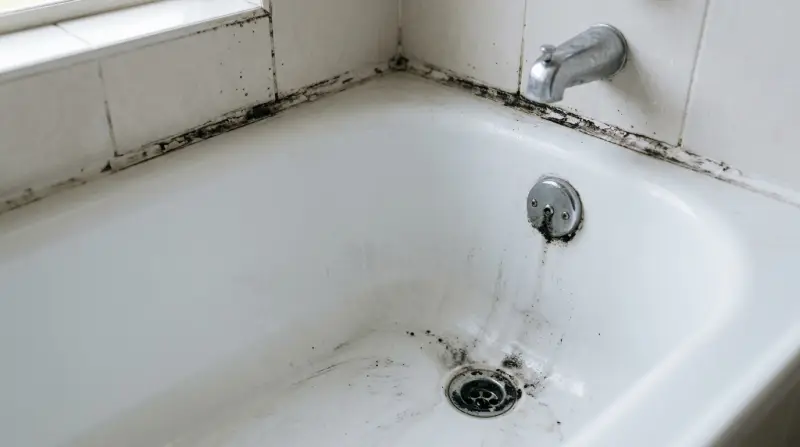
Black residue refers to the dark, often greasy or powdery buildup you may see on the surface, around the drain, or near the faucet of your bathtub. It can look like specks, streaks, or even patches and may appear after a bath or shower.
Sometimes, it’s sticky. Other times, it’s more like dust.
Not all black residue is the same. Its appearance can give you clues about its source:
- Greasy film: Often comes from oils or soap scum.
- Black specks: Could be from broken-down rubber, rust, or mold.
- Powdery dust: Usually mineral deposits mixed with dirt.
Understanding which type you have is the first step to solving the problem.
Main Causes Of Black Residue In Bathtubs
Several factors can lead to black residue. Here are the most common:
1. Mold And Mildew
Bathrooms are humid and warm, the perfect place for mold and mildew to grow. Black spots or streaks may be colonies of these fungi, especially in corners or around old caulking.
2. Soap Scum Mixed With Dirt
When soap scum (made from soap, body oils, and hard water minerals) mixes with dirt or dead skin, it can create a gray or black film. This is more likely if you use oil-based bath products.
3. Broken-down Rubber Or Gaskets
If your faucet or drain has old rubber washers, these can break down over time. Small black flecks can wash into your tub, especially after using hot water.
4. Rust And Corrosion
Bathtubs with metal pipes or drains may develop rust. Sometimes, rust mixes with other grime, turning dark or black as it collects.
5. Plumbing Issues
Sometimes, black residue comes from the water supply itself, especially if old iron or galvanized steel pipes are corroding. If you notice black debris in both hot and cold water, this is likely.
6. Hair Dye, Bath Bombs, And Personal Care Products
Some bath products, especially colored bath bombs or hair dye, can leave behind black stains or residue if not rinsed away.
7. Hard Water Deposits
Minerals like magnesium and iron in hard water can combine with soap or oils to create dark deposits.
8. Soot And Airborne Particles
If you live in a city or near traffic, tiny bits of soot or pollution can settle in your bathroom, especially if you keep the window open.
How To Identify The Source Of Black Residue
Finding the true source saves time and effort. Here’s how you can narrow it down:
- Check Water Quality: Fill a clear glass with tap water. Let it sit. If black particles settle at the bottom, it might be your plumbing.
- Inspect Caulk and Grout: Mold loves to hide here. Look for small black spots.
- Look at Drain and Faucet: Flecks around these areas often mean worn rubber washers.
- Review Bath Products: Did you recently use a dark-colored soap, bath bomb, or hair dye?
- Observe After Use: Does the residue appear after a bath, a shower, or only when filling the tub?
Health Risks Associated With Black Residue
Most black residue isn’t dangerous, but some types can be a problem:
- Mold: Can trigger allergies, asthma, and respiratory issues, especially in children or those with weak immune systems.
- Bacteria: Some grime can harbor bacteria, leading to skin infections or irritation.
- Chemical Residue: Leftover bath products may contain chemicals not safe for prolonged skin contact.
If you notice a strong musty smell or you feel sick after using the tub, it’s best to clean thoroughly and fix the cause.
Step-by-step: How To Clean Black Residue From A Bathtub
Proper cleaning not only removes the residue but also prevents it from returning. Here’s a simple process:
Supplies Needed
- Baking soda
- White vinegar
- Dish soap
- Scrubbing brush or sponge (non-abrasive)
- Old toothbrush
- Gloves
Cleaning Steps
- Rinse the Tub: Use warm water to remove loose debris.
- Apply Baking Soda: Sprinkle a generous amount of baking soda over the residue.
- Spray with Vinegar: Mist white vinegar over the baking soda. It will fizz and help lift grime.
- Wait 15 Minutes: Let the mixture sit to break down buildup.
- Scrub Gently: Use your sponge or brush to scrub the affected areas. For small spots, use an old toothbrush.
- Use Dish Soap: Apply a small amount of dish soap to the sponge for extra cleaning power, especially for greasy residue.
- Rinse Thoroughly: Wash away all residue and cleaning products with warm water.
- Dry the Tub: Wipe with a clean towel to prevent new mold growth.
For stubborn stains, make a paste of baking soda and water, apply, and let it sit overnight before scrubbing.
Comparing Cleaning Methods
Here’s a quick comparison of popular cleaning methods for black residue:
| Method | Effectiveness | Best For | Risks |
|---|---|---|---|
| Baking Soda & Vinegar | High | General grime, mild mold | Safe for most tubs |
| Bleach Solution | Very High | Heavy mold, mildew | Can discolor some tubs |
| Commercial Cleaners | Medium-High | Stubborn stains | May contain harsh chemicals |
| Magic Eraser | Medium | Light marks | Can scratch some surfaces |
How To Prevent Black Residue In Your Bathtub
Prevention is easier than deep cleaning. Try these practical steps:
- Rinse After Every Use: Always rinse your tub after bathing or showering to wash away soap, oils, and dirt before they stick.
- Dry The Tub: Wipe down the tub with a towel or squeegee to remove moisture, which helps prevent mold.
- Use The Right Cleaning Products: Avoid oil-heavy bath products if residue is a recurring problem. Choose mild, non-oily soaps.
- Fix Leaks Quickly: Dripping faucets increase moisture and encourage mold. Replace old washers or call a plumber if needed.
- Improve Ventilation: Open a window or use an exhaust fan to lower humidity.
- Regular Deep Cleaning: Clean your tub at least once a week with baking soda and vinegar to prevent buildup.
- Check Plumbing: If you notice black particles in your water, have a plumber inspect your pipes for corrosion or worn-out parts.
- Upgrade Fixtures: Switch old rubber washers for silicone, which doesn’t break down as easily.
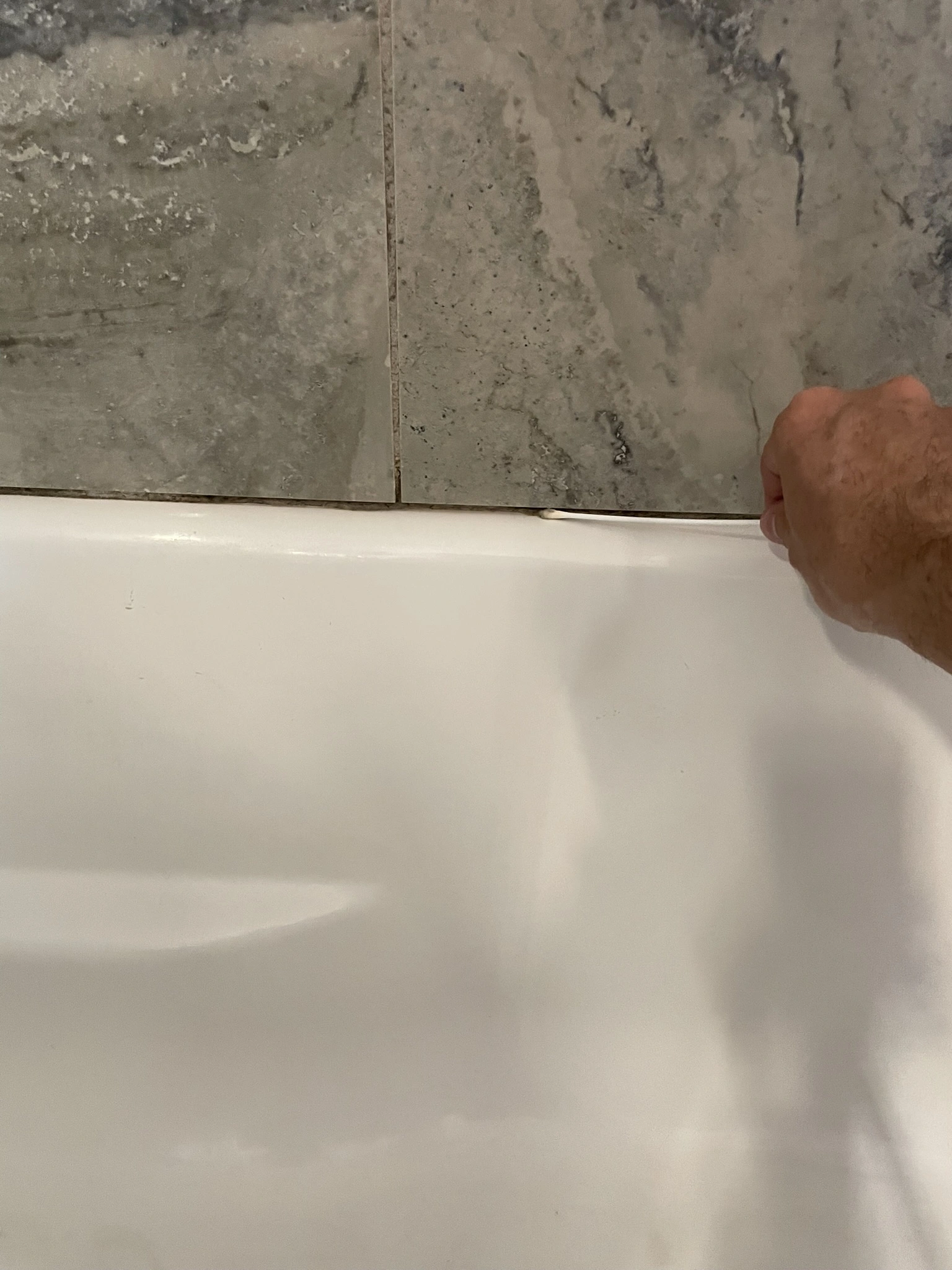
- Seal Grout And Caulk: Every year, reseal grout and caulk to stop mold from growing in cracks.
Data: How Common Is Black Residue In Bathtubs?
A recent home survey found that over 25% of homeowners have seen black residue in their bathtub at least once a year. The problem is more common in older homes and areas with hard water. Here’s a breakdown:
| Home Age | % Reporting Black Residue | Main Cause |
|---|---|---|
| 0–10 years | 12% | Bath products |
| 11–30 years | 28% | Mold, old plumbing |
| 31+ years | 39% | Pipe corrosion, mold |

When To Call A Professional
While most black residue can be handled with cleaning and simple repairs, you should call a plumber or a mold specialist if:
- You see black particles in your tap water, not just the tub.
- There is a strong musty smell that doesn’t go away after cleaning.
- Stains keep returning even after regular cleaning.
- You or your family develop respiratory symptoms after using the bathroom.
A professional can check your plumbing, test for mold, and provide solutions that go beyond simple cleaning.
Insight: Many people miss the early signs of water pipe corrosion, which can cause not only black residue but also water quality issues throughout the home. Regular plumbing checks can prevent big problems.
Non-obvious Tips For Cleaner Bathtubs
- Use a water softener: If you have hard water, installing a softener reduces mineral deposits that mix with oils to form black grime.
- Switch to showering: Baths use more oils and products, increasing residue risk. Showering can help, especially if you rinse the tub after.
- Change air filters: Airborne particles can end up in your tub, especially if your bathroom is near a vent or window. Changing filters helps reduce this.

Credit: www.reddit.com
Costs Of Fixing Persistent Black Residue
Addressing this issue can be cheap or expensive, depending on the cause:
| Solution | Estimated Cost | Notes |
|---|---|---|
| DIY cleaning supplies | $10–$20 | Baking soda, vinegar, brushes |
| Professional plumber | $100–$300 | For pipe inspection/repair |
| Mold remediation | $500–$3000 | For severe mold issues |
| Water softener installation | $400–$2500 | Long-term solution for hard water |
Frequently Asked Questions
What Is The Most Common Cause Of Black Residue In Bathtubs?
The most common cause is a mix of mold, mildew, and soap scum. This is especially true in bathrooms with poor ventilation or where the tub stays damp for long periods.
Is Black Residue Dangerous To My Health?
Most black residue is not dangerous, but mold and bacteria can cause health issues, especially for people with allergies or weak immune systems. Clean regularly and fix leaks to reduce risk.
How Do I Know If The Black Residue Is Coming From My Water Supply?
Fill a clear glass with tap water and let it sit. If black particles settle at the bottom, the problem may be with your plumbing. You may need to call a plumber to check your pipes.
Can I Use Bleach To Remove Black Residue?
Yes, bleach is very effective against mold and mildew. However, use it carefully and always check if your tub’s material is bleach-safe. Overusing bleach can damage some tub surfaces.
When Should I Call A Professional For Black Residue Problems?
Call a professional if you notice persistent stains, a strong musty smell, black particles in your tap water, or health symptoms after using the bathroom. Professionals can identify hidden mold or plumbing issues.
A clean bathtub is not only about looks—it’s about health and comfort. By understanding what causes black residue and using the right cleaning and prevention methods, you can enjoy a sparkling, safe bath every day. For further reading on bathroom hygiene and maintenance, check out EPA’s Mold Resources. With a little effort and regular care, black residue can become a problem of the past.