
If you own a Blue Air Purifier, you probably expect clean air and a quiet, reliable machine. But what happens when that red light suddenly appears? Many users feel worried or confused when they see this warning. Is it a simple filter change, or does it signal a bigger problem? Understanding what the red light means, why it turns on, and how to fix it can help you keep your air purifier running well and your home air healthy. This article explains every detail about the Blue Air Purifier red light, offers clear solutions, and shares practical tips most people miss.
What Does The Blue Air Purifier Red Light Mean?
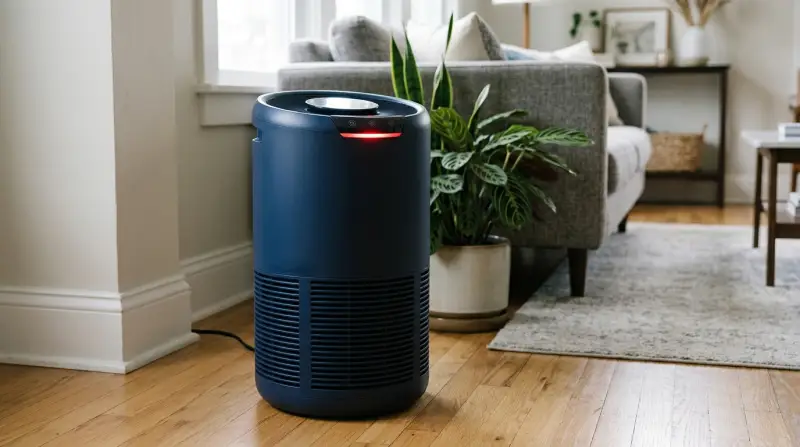
The red light on a Blue Air Purifier is a warning signal. It tells you that something needs attention. In most Blueair models, this red indicator is connected to the filter status or possible system errors. The meaning can change depending on the model (like Blue Pure 211+, 411, or Classic 205), but it usually means:
- The filter needs to be replaced
- There is a system malfunction
- The air quality sensor detects high pollution
Ignoring the red light can lower the purifier’s performance and even harm the device over time.
Red Light Vs. Other Colors
Blueair purifiers use different colors to communicate:
- Blue/Green light: Normal operation, good air quality
- Yellow/Orange light: Filter is getting old or air quality is fair
- Red light: Attention needed—usually filter replacement or a problem
Some newer models use a color ring to show air quality in real time, while others use the red light only for the filter.
Common Reasons For The Red Light
1. Filter Life Ended
The most frequent reason is a used-up HEPA filter. Blueair purifiers track filter usage and alert you when it’s time for a change—usually every 6 months, depending on use and air quality.
2. Improper Filter Installation
If the new filter is not seated correctly, the sensor may still show a red light.
3. Dirty Sensors
In models with an air quality sensor, dust can cover the sensor, making it read air as dirty and turning the light red.
4. System Error
Rarely, a red light shows an electrical or mechanical fault. This can include blocked air intake, motor problems, or circuit issues.
5. Power Cycling Issues
After a filter change, if the unit is not reset correctly, the red light may stay on.

How To Fix The Blue Air Purifier Red Light
If you see a red light, don’t panic. Follow these steps to solve the problem:
- Check and Replace the Filter
- Unplug the purifier.
- Remove the cover and take out the old filter.
- Install a new, genuine Blueair filter (counterfeit filters can cause problems).
- Make sure the filter fits snugly.
- Plug the unit back in.
- Reset the Filter Indicator
- On most models, press and hold the reset button for about 5–10 seconds.
- Some units require pressing the main power button instead.
- The red light should turn off after a successful reset.
- Clean the Air Quality Sensor
- Locate the sensor (often near the air intake).
- Use a soft brush or cotton swab to gently clean it.
- Do not use water or harsh chemicals.
- Check for Blockages
- Make sure nothing is blocking the air intake or outlet.
- Remove dust or debris from the vents.
- Restart the Purifier
- Unplug for 1 minute, then plug it back in.
- Restarting can clear minor electronic errors.
If the red light remains after these steps, contact Blueair support. Some internal problems need a technician.
Example: Fixing A Red Light On The Blue Pure 211+
Suppose you notice the red light on your Blue Pure 211+ after six months. You replace the filter, but the red light stays on. The likely cause is the reset step was missed. Hold the filter button for 10 seconds, and the light should return to blue. If not, check for loose filter installation or clean the sensor.
How Often Should You Change The Filter?
Most Blueair filters last 6 months with typical use. However, this can change based on:
- Room size: Larger rooms need more frequent changes.
- Pollution level: Homes with smokers, pets, or near traffic may need new filters sooner.
- Usage time: Running the purifier 24/7 uses the filter faster.
Blueair recommends checking the filter every 3–4 months if you live in a dusty or smoky environment.
Filter Lifespan Comparison
Here’s a quick look at how often you should change filters for popular models:
| Model | Recommended Filter Change Interval | Filter Reset Needed? |
|---|---|---|
| Blue Pure 411 | 6 months | Yes |
| Blue Pure 211+ | 6 months | Yes |
| Classic 205 | 6 months | Yes |
| Blue Pure Fan | 5-6 months | Yes |

How To Reset The Filter Indicator (model-specific Guidance)
Resetting the filter indicator is important, or the red light will stay on even with a new filter. Here’s how to do it for some common Blueair models:
Blue Pure 211+
- Hold the filter replacement button (located under the lid) for 10 seconds.
- Wait for the light to change from red to blue.
Blue Pure 411
- Hold the button on top for 10 seconds until the red light turns off.
Classic 205
- Press and hold the filter reset button for 10 seconds.
Always unplug the device before opening or resetting.
When The Red Light Means More Than A Filter Change
Sometimes, the red light shows a deeper problem. Here’s how to know:
- Strange noises: Grinding or rattling may mean motor trouble.
- No airflow: If the fan does not run, it’s not a filter issue.
- Red light flashes: A blinking or flashing red light often signals a system error, not just filter life.
In these cases, try resetting and cleaning first. If the problem continues, contact Blueair customer service.
How To Avoid Red Light Problems In The Future
You can prevent most red light issues with good habits:
- Use only genuine Blueair filters. Off-brand filters can cause fit and performance problems.
- Keep the purifier away from walls or curtains to avoid blocked airflow.
- Vacuum around the unit regularly to reduce dust buildup.
- Check the filter more often in high-pollution areas.
- Reset the indicator every time you change the filter.
These simple steps keep your purifier running well and extend its life.
Comparing Blueair Red Light Features With Other Brands
Different air purifiers use different warning systems. Here’s a comparison of Blueair’s red light with other popular brands:
| Brand | Red Light Function | Other Warnings |
|---|---|---|
| Blueair | Filter life, system errors | Color ring (air quality on some models) |
| Dyson | Filter life, error codes | LCD display with messages |
| Levoit | Filter replacement | Blue/yellow lights for air quality |
| Honeywell | Filter and pre-filter status | Check filter, check pre-filter lights |
This shows that while the red light is common, Blueair’s focus is on clear, simple signals instead of complex codes. This makes it easier for most people to understand when action is needed.
Non-obvious Insights Most Users Miss
Many people focus only on changing the filter when the red light appears. However, there are two important details beginners often ignore:
- Sensor Maintenance Is Key: Dusty sensors can keep the red light on, even with a brand-new filter. Cleaning the sensor every few months prevents confusion and keeps readings accurate.
- Filter Quality Affects Air And Machine Health: Cheaper filters may look the same but often miss fine particles or fit poorly. This can cause the red light to come on more often and may even harm the purifier’s motor over time.
Real-world Example: City Apartment Vs. Rural Home
Imagine two Blueair users:
- User A lives in a city apartment with heavy traffic outside. Their Blueair 211+ red light comes on after just 4 months.
- User B lives in a rural area with clean air. Their red light does not appear for 8 months.
This example shows how local air quality affects filter life and the red light. Users in cities or homes with pets should check and change filters more often than the manual suggests.
How To Choose The Right Replacement Filter
When it’s time to change the filter, here are the main things to look for:
- Model compatibility: Only use the filter made for your specific Blueair model.
- Genuine product: Buy from Blueair or trusted sellers.
- HEPA standard: Look for HEPA or HEPASilent labels for the best air cleaning.
Some sellers offer bundles or discounts for buying multiple filters at once—this can save money if you plan to use your purifier long term.
Filter Comparison By Feature
To help you decide which filter is right, here’s a quick feature comparison:
| Filter Type | Particle Size Captured | Odor Removal | Lifespan |
|---|---|---|---|
| HEPA | 0.3 microns | No | 6 months |
| Carbon + HEPA | 0.3 microns | Yes | 5-6 months |
| HEPASilent | 0.1 microns | Some | 6 months |
HEPASilent is Blueair’s special technology, combining mechanical and electrostatic filtration for even smaller particles.
When To Call For Professional Help
If you try all the steps above and the red light remains, it’s time to call Blueair support. Keep your model number and purchase details ready. Some repairs, like motor or board replacement, need a trained technician.
For more details on HEPA standards and air purifier care, see the EPA’s guide to air filters.
Frequently Asked Questions
Why Won’t The Red Light Turn Off After Changing The Filter?
This happens if you forget to reset the filter indicator. Hold the reset button (check your manual for location) for 5–10 seconds until the light turns off.
Can I Use Third-party Filters To Save Money?
It’s possible, but genuine Blueair filters are safest. Third-party filters may not fit well or filter as effectively, which can trigger the red light more often.
Does The Red Light Mean My Air Is Dirty?
Not always. Sometimes it’s just a filter reminder. But if your model has an air quality sensor, a red light may also warn of high pollution in the room.
How Do I Clean The Air Quality Sensor?
Unplug the purifier, find the sensor (usually near the air intake), and use a dry cotton swab or brush. Do not use water.
How Long Should A Blueair Filter Last?
Most last 6 months, but if you have pets, smoke, or live in a city, you may need to change it every 3–4 months for best results.
A Blue Air Purifier is a smart investment for clean indoor air, but understanding the red light is key to getting the most from your device. With the right maintenance, genuine filters, and a bit of attention to detail, your purifier can keep your air fresh and your worries low.