
A clothes dryer is supposed to make laundry day easier. So when your dryer is heating but not drying your clothes, it’s frustrating. The drum spins, you feel warmth, but after a full cycle, your clothes are still damp. This problem is more common than you might think, and there’s no single cause. Instead, it’s usually a mix of maintenance issues, airflow problems, or mechanical faults.
Let’s explore what makes this problem happen, how to identify the real cause, and the steps you can take to fix it. Along the way, you’ll find data, tables, and tips to help you get your dryer working like new again.
Understanding How A Dryer Dries Clothes
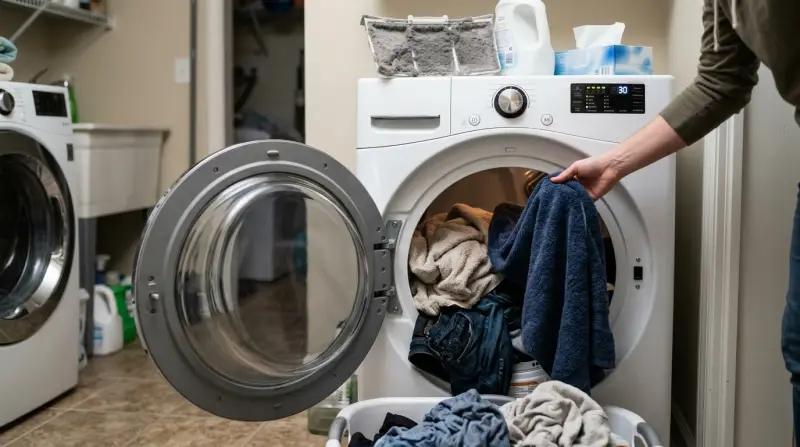
To understand why a dryer can heat but fail to dry, it helps to know how it works. Most dryers use a heating element (electric) or a gas burner (gas dryers) to warm air. A fan blows this hot air through the drum, and as the drum turns, the hot air passes through your clothes, picking up moisture. Then, the air (and the moisture) is vented outside.
If there’s heat but no drying, something in this process is blocked or malfunctioning.
Common Causes: Dryer Is Heating But Not Drying
Several problems can cause this issue. Here are the most likely reasons:
1. Blocked Or Restricted Venting
A clogged dryer vent is the number one cause. If the vent is blocked, moist air can’t escape, and your clothes stay damp.
Signs to check:
- Clothes are hot but still wet after a cycle
- Dryer feels unusually hot on the outside
- Drying takes much longer than normal
2. Lint Trap Problems
If the lint filter is full, air can’t flow freely. Even a thin coating of lint can make a big difference.
Clean the lint trap before every load. Don’t just remove the fuzz—wash it with soap and water monthly to remove residue from dryer sheets or fabric softeners.
3. Overloading The Dryer
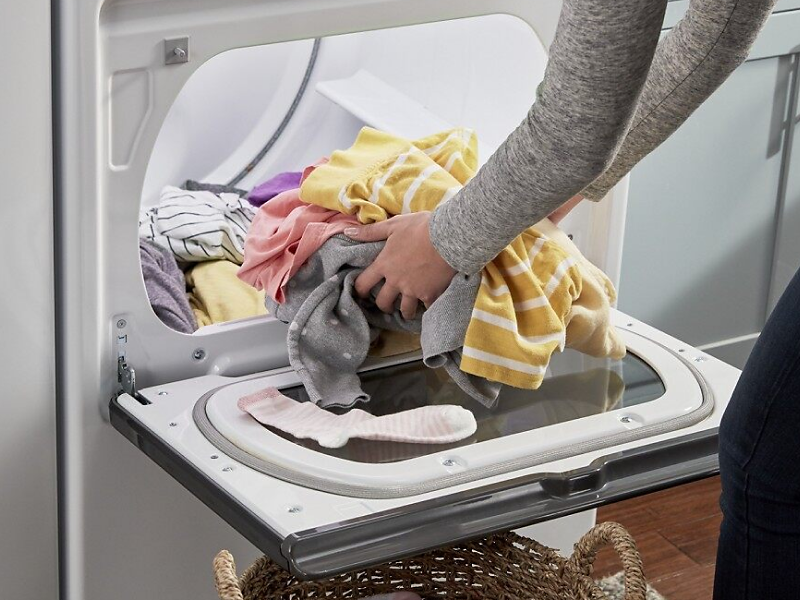
Stuffing too many clothes in at once makes it hard for air to circulate. Heat gets trapped, but moisture can’t leave.
Non-obvious insight: Many people overload because they want to finish laundry faster, but this actually slows things down.
4. Heating Element Is Weak, Not Broken
Sometimes, the heating element still works but doesn’t get as hot as it should. This partial failure can provide warmth but not enough to dry clothes.
5. Moisture Sensor Malfunction
Modern dryers use moisture sensors to tell when clothes are dry. If the sensor is dirty or faulty, the dryer might end the cycle early, leaving clothes damp.
6. Drum Seals Or Blower Problems
If air leaks around the drum seal or the blower isn’t moving enough air, you get heat but poor airflow. This is less common but important to check if other fixes don’t work.
7. Humidity And Environmental Factors
High indoor humidity or a dryer located in a damp basement can affect drying times. Air that’s already saturated with moisture can’t absorb much more from clothes.
Credit: www.whirlpool.com
Troubleshooting Steps For “dryer Is Heating But Not Drying”
When you notice the problem, use a step-by-step process to find the cause.
Step 1: Check The Lint Filter
Remove the lint filter and clean it. Hold it up to light—if you can’t see through it, wash it with hot, soapy water, then dry completely before replacing.
Step 2: Inspect The Dryer Vent
Unplug your dryer. Disconnect the vent hose from the back. Look for lint buildup inside the hose and the wall vent. Use a vacuum or vent brush to clean.
Step 3: Test Airflow
With the dryer running (empty), go outside to the vent exit. You should feel a strong flow of warm, moist air. If airflow is weak or absent, the vent is blocked.
Dryer Airflow Comparison
| Condition | Airflow Strength | Likely Cause |
|---|---|---|
| Strong, steady air | Good | Normal operation |
| Weak or no air | Poor | Blocked vent or lint trap |
| Warm air inside, but not outside | Poor | Disconnection or severe blockage |
Step 4: Reduce The Load Size
Try drying fewer clothes at a time. If drying time improves, overloading was part of the problem.
Step 5: Clean The Moisture Sensor
Find the sensor bars inside the drum (usually near the lint filter or drum opening). Wipe them with a soft cloth and rubbing alcohol to remove residue.
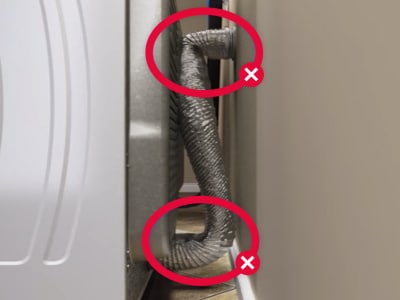
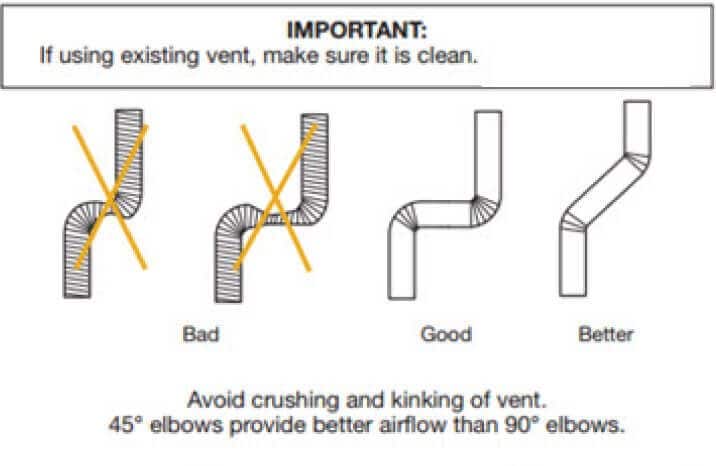
Step 6: Check For Kinks Or Crushed Ducts
Look behind your dryer. If the vent hose is crushed, bent, or too long, moisture can’t escape. Use a short, straight vent path if possible.
Step 7: Examine The Heating Element
If you have some DIY skill, unplug the dryer and open the back panel. Inspect the heating element for visible breaks or damage. If unsure, call a technician.
Step 8: Consider Environmental Factors
If it’s very humid in your laundry area, use a dehumidifier or increase ventilation. This small change can speed up drying.
How To Prevent This Problem In The Future
A little maintenance can prevent most dryer problems.
- Clean the lint filter every load.
- Deep-clean the vent at least once a year, or more often for large households.
- Check vent length: Shorter is better. Keep it under 25 feet, with few bends.
- Don’t overload: Leave enough space for air to move.
- Wipe the moisture sensor monthly.
- Monitor drying times: If they start getting longer, investigate before the problem grows.
Yearly Maintenance Checklist
| Task | Frequency | Notes |
|---|---|---|
| Lint filter cleaning | Every load | Helps airflow, reduces fire risk |
| Vent cleaning | Annually | More often for heavy use |
| Moisture sensor wipe | Monthly | Use rubbing alcohol |
| Inspect vent path | Twice a year | Check for kinks/crushes |
When To Call A Professional
Not all dryer problems are DIY-friendly. Here’s when to get help:
- You smell burning or see scorch marks
- Dryer makes loud noises or rattles
- You’ve cleaned everything and clothes are still not drying
- Error codes appear on the display
Professional service may cost $100–$300, but it’s safer and often faster. If your dryer is 10+ years old, consider the cost of repair versus replacement.
How Venting Problems Affect Safety And Efficiency
A blocked vent isn’t just inconvenient—it’s a fire risk. The US Fire Administration reports that nearly 3,000 home dryer fires happen each year, with most caused by lint buildup. Besides safety, poor venting makes your dryer use more energy and increases utility bills.
Energy Use Comparison: Clean Vs Blocked Vent
| Condition | Avg. Drying Time | Annual Energy Cost* |
|---|---|---|
| Clean vent | 45 minutes | $85 |
| Blocked vent | 90+ minutes | $160 |
*Based on US national averages for electric dryers.
Credit: www.maytag.com
Non-obvious Insights Most People Miss
- Dryer sheets leave residue on both the lint filter and moisture sensors. Even if you clean the lint trap, invisible buildup can block air or trick sensors. Washing the filter and wiping sensors with alcohol helps more than most people realize.
- Flexible plastic or foil vent hoses are much more likely to clog and are a fire hazard. Rigid metal ducts provide better airflow and safety. Many homeowners use the wrong type without knowing.
Real-life Example: Case Study
Sarah noticed her dryer was taking over two hours to dry towels. She cleaned the lint filter, but the problem continued. When she checked the vent outside, there was barely any air coming out. She disconnected the vent hose and found it packed with lint.
After cleaning it out, drying times dropped to 40 minutes. Her energy bill also went down the next month.
This shows how a simple fix can save both time and money.
Credit: www.amana.com
Quick Reference: What To Check When Dryer Heats But Doesn’t Dry
- Lint filter: Clean and wash
- Vent hose: Clear and short
- Moisture sensor: Wipe with alcohol
- Load size: Not too full
- Duct material: Use rigid metal, not plastic
- Airflow at vent exit: Should be strong
- Heating element: Inspect if other checks don’t help
If these steps don’t solve the problem, call a professional.
Frequently Asked Questions
Why Does My Dryer Get Hot But Not Dry Clothes Completely?
A dryer that heats but doesn’t dry usually has an airflow problem. The most common cause is a blocked vent or lint filter. Without enough airflow, moist air can’t leave the drum, so clothes stay damp.
How Often Should I Clean The Dryer Vent?
For average households, clean the vent at least once a year. If you have a large family or pets, consider cleaning every six months. Regular cleaning prevents lint buildup, improves drying, and reduces fire risk.
Can Using Dryer Sheets Cause Problems With Drying?
Yes, dryer sheets can leave a thin film on the lint filter and moisture sensors. This film blocks airflow and can confuse the sensors, making the dryer shut off early. Wash the filter and wipe the sensors regularly to avoid this.
Will Replacing The Heating Element Fix This Problem?
Replacing the heating element helps only if it’s the cause. If the element is heating but not enough, or if it’s cycling off too soon, replacement may help. But in most cases, airflow issues are the real culprit.
Is It Safe To Use A Dryer With A Partially Blocked Vent?
No, it’s not safe. A blocked vent raises the risk of fire and wastes energy. If you notice long drying times or weak airflow, stop using the dryer until you fix the issue.
If you want more in-depth information or safety recommendations, check out the US Consumer Product Safety Commission.
When your dryer is heating but not drying, don’t ignore the warning signs. With a few simple checks and regular maintenance, you can keep your dryer running safely and efficiently for years. Proper care saves time, money, and reduces the risk of household fires. If you’ve tried all the steps and still have trouble, it’s time to call a professional—your clothes (and your safety) are worth it.