
Flex fuel engines promise more choice at the pump and a smaller carbon footprint, but they don’t come without their share of problems. If you drive a flex fuel vehicle (FFV) or you’re thinking about buying one, understanding the challenges is just as important as knowing the benefits.
From hidden maintenance costs to unexpected performance dips, issues with flex fuel engines can surprise even experienced drivers. Let’s break down the most common flex fuel engine problems, their root causes, and practical solutions—so you can make smart decisions and keep your vehicle running smoothly.
What Is A Flex Fuel Engine?

A flex fuel engine is designed to run on more than one type of fuel. Most often, it can use regular gasoline or blends like E85 (a mix of 85% ethanol and 15% gasoline). The engine automatically adjusts to the fuel mixture, thanks to special sensors and software. Flex fuel cars are popular in the US and Brazil, where ethanol is widely available.
While the idea sounds simple, the engineering behind it is complex. The engine must handle different burning rates, chemical properties, and corrosion risks. This flexibility creates unique challenges that traditional gasoline engines don’t face.
Most Common Flex Fuel Engine Problems
Understanding the main issues with flex fuel engines can help you catch trouble early and avoid expensive repairs. Here are the most frequent problems you might see:
1. Corrosion Of Engine Parts
Ethanol is more corrosive than gasoline. It attracts water, which can lead to rust and corrosion in the fuel system—especially in parts like fuel lines, injectors, and tanks. Over time, this can cause leaks or blockages.
Non-obvious insight: Corrosion risk is much higher in areas with high humidity or where vehicles are parked for long periods. If you don’t drive your flex fuel car often, you may see more corrosion than someone who uses theirs daily.
2. Fuel System Failures
Ethanol acts as a solvent, which means it can loosen deposits in the fuel system. While cleaning can be good, these particles may clog fuel filters or injectors, leading to rough idling, poor acceleration, and even engine stalling.
Example: Many mechanics report that older cars converted to flex fuel have frequent fuel filter clogs after switching to E85.
3. Reduced Fuel Efficiency
Ethanol contains less energy per gallon compared to gasoline. Vehicles running on E85 typically see a 15–30% drop in miles per gallon (MPG). This means you’ll need to fill up more often, which can reduce or even erase fuel cost savings.
Always compare the price difference between E85 and regular gasoline. If the price gap is small, using E85 may cost you more per mile.
4. Check Engine Light Issues
Many flex fuel cars have sensors to detect the ethanol content. If a sensor fails or the software gets confused by a non-standard blend, the check engine light may come on. This can make it harder to spot real engine problems.
Non-obvious insight: Sometimes, using poor-quality fuel with inconsistent ethanol content can trigger false warnings, even when nothing is wrong with the engine.
5. Cold Start Problems
Ethanol does not vaporize as easily as gasoline, especially in cold weather. This can cause hard starting or longer cranking times when using high-ethanol blends in winter.
Data: Studies show that flex fuel vehicles may take up to 40% longer to start at temperatures below 32°F when running on E85.
6. Accelerated Wear Of Seals And Gaskets
Some rubber and plastic parts are not compatible with high-ethanol fuels. Even though modern flex fuel engines use upgraded materials, premature wear of seals and gaskets can still happen, leading to leaks and engine damage.
7. Higher Maintenance Costs
With more frequent filter changes, possible injector cleaning, and periodic sensor replacements, maintenance costs can be higher for flex fuel vehicles than for gasoline-only cars.
Example: A typical flex fuel vehicle may need a new fuel filter every 15,000 miles if using E85 regularly, compared to every 30,000 miles for gasoline.
How Flex Fuel Engines Compare To Gasoline Engines
Flex fuel engines are built to handle different fuels, but how do they really perform versus traditional gasoline engines? Here’s a side-by-side look:
| Feature | Flex Fuel Engine | Gasoline Engine |
|---|---|---|
| Fuel Types | Gasoline, E85, blends | Gasoline only |
| MPG (Average) | 15–30% lower with E85 | Consistent |
| Corrosion Risk | Higher | Lower |
| Maintenance Needs | More frequent | Standard |
| Emissions | Lower CO2 | Higher CO2 |
Signs Your Flex Fuel Engine Has A Problem
Spotting trouble early can help you avoid bigger repairs. Watch out for these warning signs:
- Hard starting, especially in cold weather or after refueling with E85
- Poor acceleration or engine hesitation
- Check engine light stays on
- Decreased fuel economy beyond normal E85 drop
- Fuel odors near the car (could signal leaks)
- Unusual engine noises or vibrations
If you notice any of these, have your vehicle checked by a mechanic with flex fuel experience.
Key Causes Of Flex Fuel Engine Problems
Problems with flex fuel engines often come from a few main sources:
- Fuel Quality: Low-quality or contaminated ethanol can cause clogs, corrosion, and sensor errors.
- Material Incompatibility: Older cars or aftermarket conversions may have parts not suited for ethanol.
- Infrequent Use: Sitting for long periods lets moisture build up, increasing corrosion risk.
- Poor Maintenance: Skipping filter changes or ignoring warning lights can turn small problems into big ones.
Understanding these causes can help you prevent issues and save money.
Preventing Flex Fuel Engine Problems
A little care goes a long way. Here’s how to reduce your risk of flex fuel engine trouble:
Regular Maintenance
- Change fuel filters twice as often if you use E85
- Inspect fuel lines and seals for leaks or wear every oil change
- Use only manufacturer-approved parts for replacements
Use Quality Fuel
- Buy from stations with high fuel turnover (fresh fuel is less likely to have water)
- Avoid filling up during or just after station fuel deliveries (sediment may be stirred up)
Keep The Tank Above One-quarter Full
Keeping more fuel in the tank reduces condensation and water buildup, which helps prevent corrosion and starting problems.
Drive Regularly
Regular use keeps the fuel system clean and prevents moisture from collecting.
Watch For Recalls And Updates
Manufacturers sometimes release software updates or improved parts to fix known issues. Check for recalls related to your car’s engine or fuel system.

Hidden Challenges: What Many Drivers Miss
There are a few less obvious challenges that even experienced owners may not realize:
- Ethanol’s Cleaning Effect: While ethanol can clean old deposits, it may release years of built-up gunk into the system, especially if you switch from gasoline to E85 after many miles. This can clog filters quickly in the first few months.
- Insurance and Warranty Issues: Some insurance companies and warranties may have special rules for flex fuel cars. Using fuel types not approved by the manufacturer can sometimes void coverage or cause claim problems.
Real-world Example: Ford F-150 Flex Fuel
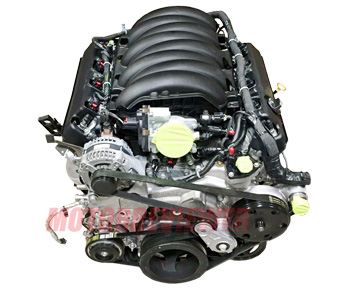
The Ford F-150 is one of the most popular flex fuel vehicles in the US. Owners often report that running on E85 gives a noticeable power boost due to higher octane, but fuel economy drops by about 25%. Some users in cold climates note hard starting and recommend switching to regular gasoline in winter. Ford recommends more frequent fuel filter changes for E85 users.
Credit: www.motorreviewer.com
Flex Fuel Engine Problems By Vehicle Age
Problems can appear at different stages in a flex fuel vehicle’s life. Here’s how the issues change over time:
| Vehicle Age | Common Problems | Prevention Tips |
|---|---|---|
| Under 3 years | Sensor errors, rare corrosion | Use top-quality fuel, follow service schedule |
| 3-7 years | Corrosion, filter clogs, seal wear | Inspect lines, change filters more often |
| Over 7 years | Injector failures, persistent leaks, hard starting | Consider proactive part replacement, use less E85 if problems persist |
Should You Avoid Flex Fuel Engines?
Flex fuel engines offer real benefits, especially if you want more fuel choices or lower carbon emissions. But they do require more careful maintenance and may cost more to run if you use E85 regularly. Before buying, ask yourself:
- Is E85 easy to find in my area?
- Am I willing to handle higher maintenance and lower MPG?
- Can I commit to regular service and quality fuel?
If you answer yes, a flex fuel vehicle can be a smart choice. If not, a gasoline-only car might be more trouble-free.
Credit: www.enginego.com
Trusted Resources For Flex Fuel Owners
If you want to learn more about flex fuel technology, maintenance, or current research, check out the US Department of Energy’s Alternative Fuels Data Center. It offers up-to-date guides and technical information.
Frequently Asked Questions
What Is The Main Problem With Flex Fuel Engines?
The most common problems are corrosion and fuel system clogs caused by ethanol’s water-attracting and solvent properties. These issues can lead to leaks, hard starting, and higher maintenance needs.
Can I Switch Between Gasoline And E85 Any Time?
Yes, flex fuel engines are designed for this. However, switching from gasoline to E85 after a long time may loosen old deposits and clog filters. It’s best to change your fuel filter soon after your first switch.
Why Does My Flex Fuel Car Get Fewer Miles Per Gallon On E85?
Ethanol has about 30% less energy than gasoline per gallon. So, your engine burns more fuel to get the same power, which reduces MPG.
Is E85 Safe For All Cars?
No, only cars labeled as flex fuel vehicles are built to handle E85. Using E85 in a regular gasoline engine can damage seals, gaskets, and fuel system parts.
How Can I Tell If My Car Is Flex Fuel?
Look for a yellow gas cap, a flex fuel badge, or check your owner’s manual. The vehicle identification number (VIN) can also confirm if your car is flex fuel compatible.
Taking care of a flex fuel engine isn’t complicated, but it does require a little more attention than a standard gasoline engine. By understanding the unique challenges and giving your car the right maintenance, you can enjoy the benefits of fuel flexibility with fewer headaches.