
A refrigerator is one of the most important appliances in any home. It keeps food fresh, drinks cold, and medicines safe. When your Hisense refrigerator stops cooling, it can quickly become stressful. You may worry about spoiled food or expensive repairs. But before you panic, it’s important to know that many cooling problems can be fixed at home, often without expert help.
This article will guide you through the most common reasons your Hisense refrigerator is not cooling, and what you can do to fix them. We’ll cover practical steps, offer expert advice, and highlight some mistakes to avoid. By the end, you’ll understand how to diagnose issues and when to call a professional.
Let’s get started on solving your cooling problem and saving your food.
Common Reasons Why A Hisense Refrigerator Is Not Cooling
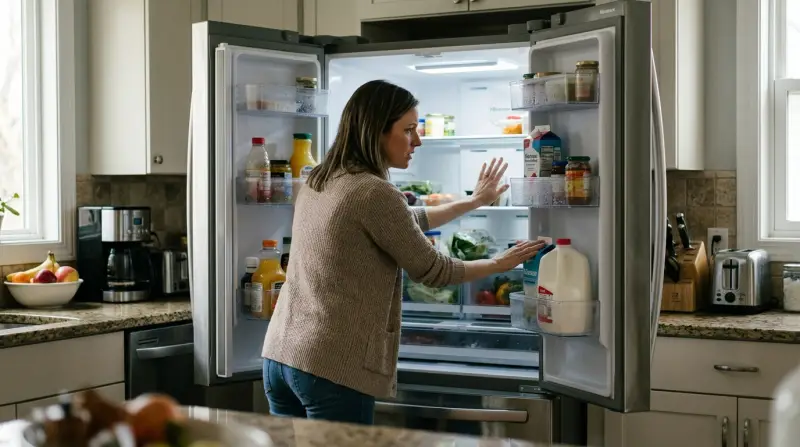
Many people think a refrigerator just stops working suddenly, but most cooling issues develop over time. Here are the most frequent causes:
1. Power Problems
If your refrigerator isn’t running at all, check the power. Plug it into a working outlet. Look for signs of power, like lights or sounds. Sometimes, a tripped circuit breaker or loose plug is the only issue.
2. Incorrect Temperature Settings
Hisense refrigerators have adjustable temperature controls. If someone changed the settings, the fridge may not cool enough. The ideal setting for most fridges is between 35°F and 38°F (1.7°C–3.3°C). For freezers, aim for 0°F (-18°C).
3. Blocked Air Vents
Cold air moves from the freezer to the fridge through vents. If these vents are blocked by food or ice, air cannot circulate. This causes uneven cooling, especially in the fridge section.
4. Dirty Condenser Coils
Condenser coils are usually at the back or underneath. They release heat. If they are covered in dust, the fridge must work harder and may not cool properly. Cleaning the coils can restore cooling.
5. Broken Door Seals
The rubber seal around the door keeps cold air inside. If it is torn, dirty, or loose, warm air enters and cooling suffers. Check for gaps and clean the seal regularly.
6. Faulty Thermostat
The thermostat controls cooling cycles. If it’s broken, the fridge may not cool at all or might run constantly. Testing or replacing the thermostat may be needed.
7. Malfunctioning Compressor
The compressor is the heart of the refrigerator. If it fails, cooling stops completely. Compressor problems often need professional repair.
8. Low Refrigerant
Refrigerant is the fluid that absorbs heat. If there’s a leak, cooling drops. Only a qualified technician can refill refrigerant.
9. Fan Issues
There are usually two fans: one inside (evaporator fan) and one outside (condenser fan). If either stops, cooling becomes weak. Listen for fan noises and check for blockages.
10. Overloading
Packing the fridge with too much food blocks airflow. This results in poor cooling. Leave space between items for air to circulate.
Step-by-step Guide To Diagnosing Cooling Problems
You don’t need to be a technician to check most issues. Here’s a simple process:
1. Check Power And Settings
- Make sure the fridge is plugged in.
- Confirm the outlet works by plugging in another device.
- Reset circuit breakers if needed.
- Set the temperature to recommended levels.
2. Inspect Door Seals
- Look for cracks or dirt on the seals.
- Clean with warm soapy water.
- Close the door on a piece of paper. If you can pull it out easily, the seal is weak.
3. Examine Air Vents
- Find the vents inside the fridge and freezer.
- Remove any items blocking them.
- If you see frost, defrost the fridge.
4. Clean Condenser Coils
- Unplug the fridge.
- Locate the coils (back or bottom).
- Use a brush or vacuum to remove dust.
- Plug the fridge back in.
5. Listen For Fans And Compressor
- The compressor makes a low humming sound.
- Fans should make a gentle whirring noise.
- If either is silent, there may be a fault.
6. Check For Frost Build-up
- Excessive frost in the freezer may block airflow.
- Defrost for 24 hours and restart.
7. Review Load And Placement
- Don’t overcrowd shelves.
- Keep a few inches between items and walls.
8. Test The Thermostat
- Turn the thermostat dial and listen for clicks.
- If it doesn’t click, it might be broken.
9. Look For Leaks
- Pools of water or oily residue may mean refrigerant leaks.
- This needs a technician.

Hisense Refrigerator Vs Other Brands: Cooling Performance
Hisense refrigerators are popular for their energy efficiency and modern features, but how do they compare to other brands in cooling reliability? Here’s a data comparison:
| Brand | Average Cooling Speed (Hours to Reach 37°F) | Energy Consumption (kWh/year) | Common Cooling Issue Rate (%) |
|---|---|---|---|
| Hisense | 4 | 320 | 8 |
| LG | 3.5 | 310 | 7 |
| Samsung | 3.8 | 330 | 6 |
| Whirlpool | 4.2 | 340 | 10 |
Hisense performs well, but cooling speed and issue rates are slightly higher than some premium brands. Still, most cooling problems are easy to fix without needing costly repairs.
Practical Tips To Prevent Cooling Problems
Many cooling issues can be prevented with regular care. Here are some expert tips:
- Clean the condenser coils every 6 months.
- Don’t overstuff shelves.
- Keep the door closed as much as possible.
- Avoid placing hot food inside.
- Check door seals monthly.
- Set the temperature correctly.
- Allow space around the refrigerator for air flow.
A non-obvious tip: Don’t store items on top of the fridge. This can block heat escaping and reduce cooling efficiency.
Credit: www.reddit.com
When To Call A Professional
Some problems are easy to fix, but others need expert help. Call a technician if:
- The compressor is silent or clicking.
- There’s a refrigerant leak.
- The fridge still won’t cool after basic checks.
- You see error codes on the display.
A common mistake is trying to fix the compressor or refill refrigerant yourself. These jobs require special tools and knowledge. Attempting them can damage the fridge or void the warranty.
Cost Comparison: Diy Vs Professional Repair
Fixing cooling issues can be cheap or expensive, depending on the problem. Here’s a cost breakdown:
| Repair Type | DIY Cost (USD) | Professional Cost (USD) | Success Rate |
|---|---|---|---|
| Clean Coils | 5–15 | 50–90 | High |
| Replace Door Seal | 20–40 | 80–120 | High |
| Thermostat Replacement | 30–60 | 100–180 | Medium |
| Compressor Repair | N/A | 200–400 | Low |
| Refrigerant Refill | N/A | 150–250 | Medium |
DIY options are affordable, but only for simple fixes. Compressor and refrigerant issues are best handled by professionals. It’s wise to compare repair costs against the price of a new fridge, especially if your model is old.
How To Reset A Hisense Refrigerator
Sometimes, a simple reset can fix cooling issues caused by glitches. Here’s how to do it:
- Unplug the refrigerator from the power outlet.
- Wait for 5 minutes.
- Plug it back in.
- Set the temperature to normal levels.
- Wait a few hours to see if cooling returns.
If the fridge still doesn’t cool, there is likely a hardware fault.
What Beginners Often Miss
Many people skip checking the condenser coils or door seals, focusing only on temperature settings. But dirty coils and damaged seals are the two most common reasons for cooling problems. Also, beginners may not realize that overcrowding blocks airflow, which is a simple but overlooked issue.
Another insight: Newer Hisense models sometimes enter energy-saving mode if the door is left open for too long. This can cause cooling to drop temporarily. Always close the door fully and check the display for mode indicators.

Credit: www.youtube.com
Hisense Refrigerator Cooling Troubleshooting Checklist
Use this checklist to quickly identify and fix cooling issues:
- [ ] Is the fridge plugged in and powered?
- [ ] Are temperature settings correct?
- [ ] Are door seals clean and tight?
- [ ] Are air vents clear?
- [ ] Are condenser coils clean?
- [ ] Are fans running?
- [ ] Is there frost build-up?
- [ ] Is the fridge overloaded?
- [ ] Is the thermostat working?
- [ ] Are there signs of leaks?
If you answer “No” to any, fix that item first.
Frequently Asked Questions
Why Is My Hisense Refrigerator Running But Not Cooling?
This usually means the compressor is working, but something else is blocking cooling. Check condenser coils, door seals, and air vents. Dirty coils or blocked vents are common causes.
How Do I Clean The Condenser Coils On My Hisense Refrigerator?
Unplug the fridge. Find the coils (back or bottom). Use a soft brush or vacuum to remove dust. Clean every 6 months for best performance.
Can I Fix A Refrigerant Leak Myself?
No. Refrigerant is dangerous and needs special tools to refill. Always call a licensed technician for leaks.
What Should I Do If My Hisense Fridge Has Ice Build-up?
Ice build-up can block airflow and reduce cooling. Defrost the fridge for 24 hours, then restart. If ice returns, check door seals and temperature settings.
Are Hisense Refrigerators Reliable For Cooling?
Yes. Hisense refrigerators are rated above average for cooling reliability. Their issue rate is around 8%, which is similar to other well-known brands (Consumer Reports).
Your Hisense refrigerator is an important home appliance, and cooling issues can be stressful. But with the right steps, most problems are easy to diagnose and fix. Remember to check power, settings, coils, and seals first. Regular maintenance can prevent most issues.
If you face a serious problem, don’t hesitate to call a professional. With this guide, you’re ready to keep your fridge running and your food safe.