
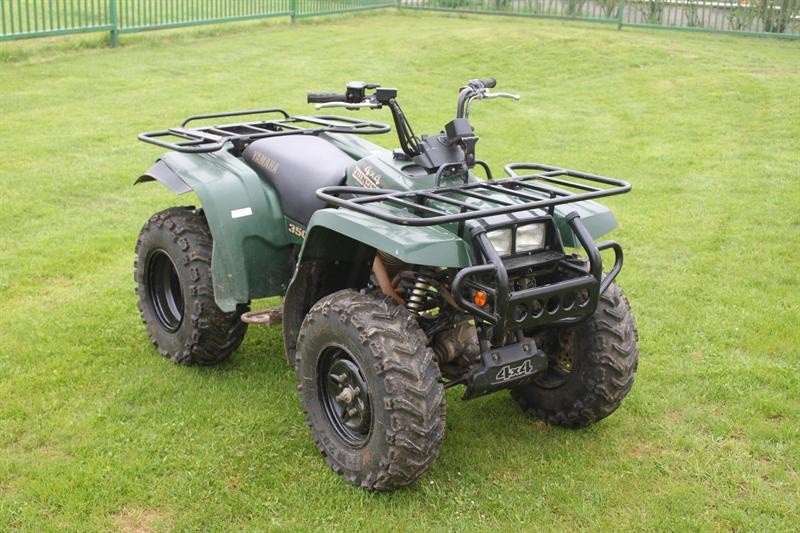
The Yamaha Big Bear 350 is a legendary all-terrain vehicle (ATV) known for its rugged performance, reliability, and affordable maintenance. Owners love its versatility, whether cruising on trails, hauling on farms, or tackling muddy paths. But like any machine, the Big Bear 350 faces certain problems over the years.
Knowing these issues helps you fix them faster and keep your ATV in top shape. In this article, we’ll explore the most common Yamaha Big Bear 350 problems, with practical advice and real-world examples. If you’re thinking of buying, maintaining, or troubleshooting this ATV, you’ll find answers here.
Engine Troubles
The heart of any ATV is its engine. The Big Bear 350 uses a single-cylinder, air-cooled engine, but it can develop issues.
- Hard Starting: Sometimes, the engine won’t start easily. This is often due to a weak battery, dirty spark plug, or old fuel. Replacing the spark plug and using fresh fuel usually solves it.
- Stalling: If your ATV stops running while riding, the culprit may be a clogged fuel filter or faulty carburetor.
- Overheating: Air-cooled engines can get hot. Check for blocked cooling fins and low oil levels.
- Noisy Engine: Unusual knocking sounds may mean worn piston rings or loose valves.
- Oil Leaks: Gaskets can degrade over time, leading to oil leaks under the engine.
Electrical System Issues
ATVs rely on their electrical systems for ignition, lights, and accessories.
- Dead Battery: One of the most frequent complaints. A battery over 2 years old often needs replacement.
- Starter Motor Failure: If you hear clicking but the engine doesn’t turn, check the starter motor connections.
- Blown Fuses: Lights and accessories not working? Inspect the fuse box for burnt fuses.
- Dim Headlights: Weak headlights usually mean a failing alternator or battery.
- Faulty Ignition Switch: Sometimes the ATV won’t start due to a worn-out ignition switch.
Transmission And Drivetrain Problems
The Big Bear 350 is equipped with a manual transmission and shaft drive, which can develop faults.
- Shifting Difficulty: Sticky gear shifting may be caused by low transmission oil or worn clutch plates.
- Slipping Clutch: If the engine revs but the ATV doesn’t move, the clutch may need adjustment.
- Noisy Gears: Grinding noises from the gearbox indicate worn gear teeth.
- Drivetrain Vibrations: Bad universal joints or shaft misalignment can cause vibrations.
- Leaking Differential: Check for oil leaks at the front or rear differential.
Suspension And Steering Problems
Comfort and handling depend on a healthy suspension.
- Sagging Suspension: If your ATV sits too low, the shocks may be worn out.
- Steering Stiffness: Hard steering is often caused by dry ball joints or low tire pressure.
- Unstable Ride: Worn bushings or loose tie rods can make the ride feel unstable.
- Front Wheel Wobble: This usually comes from bent rims or unbalanced tires.
- Leaking Shock Absorbers: Look for oil drips near the shocks.
Brake System Faults
Safety is a priority, so brake problems need quick attention.
- Spongy Brakes: Air in the brake lines makes brakes feel soft.
- Brake Squeal: Old or dirty pads often squeal when applied.
- Uneven Braking: If the ATV pulls to one side, check for worn pads or stuck calipers.
- Brake Fluid Leak: Inspect hoses and master cylinder for leaks.
- Parking Brake Failure: Adjust or replace the cable if the parking brake won’t hold.
Fuel System Problems
A clean, working fuel system keeps your ATV running smoothly.
- Dirty Carburetor: Common after storing the ATV. Clean the carburetor for better performance.
- Clogged Fuel Filter: Replace the filter regularly to avoid engine hesitation.
- Fuel Line Cracks: Inspect lines for cracks and leaks.
- Fuel Pump Failure: Rare, but possible. If fuel doesn’t reach the engine, test the pump.
- Bad Gas Cap Seal: Leaks or vacuum loss can cause fuel delivery issues.
Cooling System Concerns
The air-cooled engine requires proper airflow.
- Blocked Cooling Fins: Mud or debris can block airflow. Clean fins regularly.
- Low Oil Level: Oil helps cool the engine. Check and refill as needed.
- Faulty Oil Cooler: If equipped, a broken cooler can cause overheating.
- Thermal Sensor Failure: If the temperature gauge reads wrong, test the sensor.
- Loose Fan Belt: If your model has a fan, check the belt for slack.
Tire And Wheel Problems
Tires affect traction, safety, and comfort.
- Flat Tires: Punctures are common on rough trails.
- Worn Tread: Bald tires reduce grip, especially in mud.
- Cracked Sidewalls: Replace tires with cracks to avoid blowouts.
- Bent Rims: Hitting rocks can bend rims, causing vibration.
- Loose Lug Nuts: Tighten nuts to avoid wheel loss.
Body And Frame Issues
The Big Bear’s frame is strong, but not immune to damage.
- Rust Spots: Moisture can cause rust, especially on the frame and undercarriage.
- Broken Plastic Fenders: Falls or impacts often crack fenders.
- Loose Foot Pegs: Tighten bolts regularly.
- Damaged Seat Cover: Tears in the seat cover let water in.
- Loose Handlebars: Inspect clamps for tightness.
Maintenance And Storage Problems
How you store and care for your ATV matters.
- Battery Drain: Leaving the ATV unused drains the battery.
- Fuel Gone Bad: Old gasoline causes starting issues.
- Corroded Connections: Moisture in storage can corrode electrical contacts.
- Dry Rot in Tires: Long storage without movement causes tire cracking.
- Rodent Damage: Mice can chew through wires and hoses.
Comparison: Big Bear 350 Vs Similar Atvs
To give context, here’s how the Big Bear 350 compares to similar models:
| Feature | Yamaha Big Bear 350 | Honda FourTrax 300 | Polaris Sportsman 400 |
|---|---|---|---|
| Engine | 348cc, air-cooled | 282cc, air-cooled | 425cc, liquid-cooled |
| Transmission | 5-speed manual | 5-speed manual | Automatic |
| Weight | ~540 lbs | ~485 lbs | ~600 lbs |
| Common Problems | Electrical, carburetor | Frame rust, clutch | Suspension, battery |
Practical Tips For Preventing Problems
Most Big Bear 350 problems are preventable with regular care.
- Change engine oil every 6 months or 50 hours.
- Clean and adjust the carburetor yearly.
- Store your ATV in a dry, covered space.
- Check tire pressure before each ride.
- Inspect electrical connections for corrosion after wet rides.
Data Table: Common Problem Frequency
Here’s a look at how often these issues are reported:
| Problem | Frequency (%) | Fix Difficulty |
|---|---|---|
| Dead battery | 32 | Easy |
| Dirty carburetor | 27 | Medium |
| Overheating | 15 | Medium |
| Rust spots | 12 | Easy |
| Brake squeal | 8 | Easy |
Real-world Examples
Many owners report that regular maintenance prevents most issues. For example, one farmer used his Big Bear 350 daily and replaced the battery every two years. He rarely faced electrical issues. Another owner noticed engine stalling after winter storage, which was fixed with a simple carburetor cleaning.
These examples show that knowing the common problems—and how to fix them—can save you money and frustration.
Non-obvious Insights
- Aftermarket parts can cause issues: Many owners use non-Yamaha parts to save money, but these sometimes lead to fit or reliability problems. Always check compatibility.
- Water crossings can damage electronics: Riding through deep water can cause electrical shorts. Dry and inspect all connections after water exposure.
- Ignoring small issues often leads to bigger repairs: For example, a leaking oil seal may seem minor, but it can lead to engine damage if left unchecked.
Data Table: Maintenance Costs (annual Estimate)
| Maintenance Item | Average Cost ($) | Frequency (per year) |
|---|---|---|
| Oil change | 45 | 2 |
| Brake pad replacement | 65 | 1 |
| Battery replacement | 75 | 0.5 |
| Carburetor cleaning | 55 | 1 |
Frequently Asked Questions
How Long Does A Yamaha Big Bear 350 Last?
With regular maintenance, the Big Bear 350 can last over 15 years or 5,000 hours. Many owners report even longer lifespans if they store it well and fix problems early.
Is The Yamaha Big Bear 350 Good For Beginners?
Yes, its simple controls and reliable engine make it a good choice for new ATV riders. Just check for common problems before buying used.
What Is The Most Common Problem On The Big Bear 350?
The dead battery is the most frequent issue, followed by dirty carburetors and electrical faults. Keep the battery charged and clean the carburetor to avoid trouble.
Can I Use Aftermarket Parts On My Big Bear 350?
You can use aftermarket parts, but always check compatibility. Some parts may not fit well and can cause new problems. Original Yamaha parts are safer.
Where Can I Find Reliable Repair Manuals?
Official Yamaha service manuals are the best source. You can also check high-authority sites like Yamaha Motor for guides and support.
The Yamaha Big Bear 350 remains a trusted ATV for work and play. By understanding common problems and fixing them early, you can enjoy a safe and reliable ride for years. Regular maintenance, careful storage, and using quality parts are key to keeping your Big Bear running strong.