
If your Quip Water Flosser is not working, you’re not alone. Many people face problems with their water flossers, from weak pressure to charging issues. It’s frustrating when a device meant to improve your oral hygiene stops working, especially when you rely on it daily. This article will help you troubleshoot your Quip Water Flosser step by step, explain possible causes, compare it to other popular water flossers, and offer practical advice to get your device running again.
Understanding The Quip Water Flosser
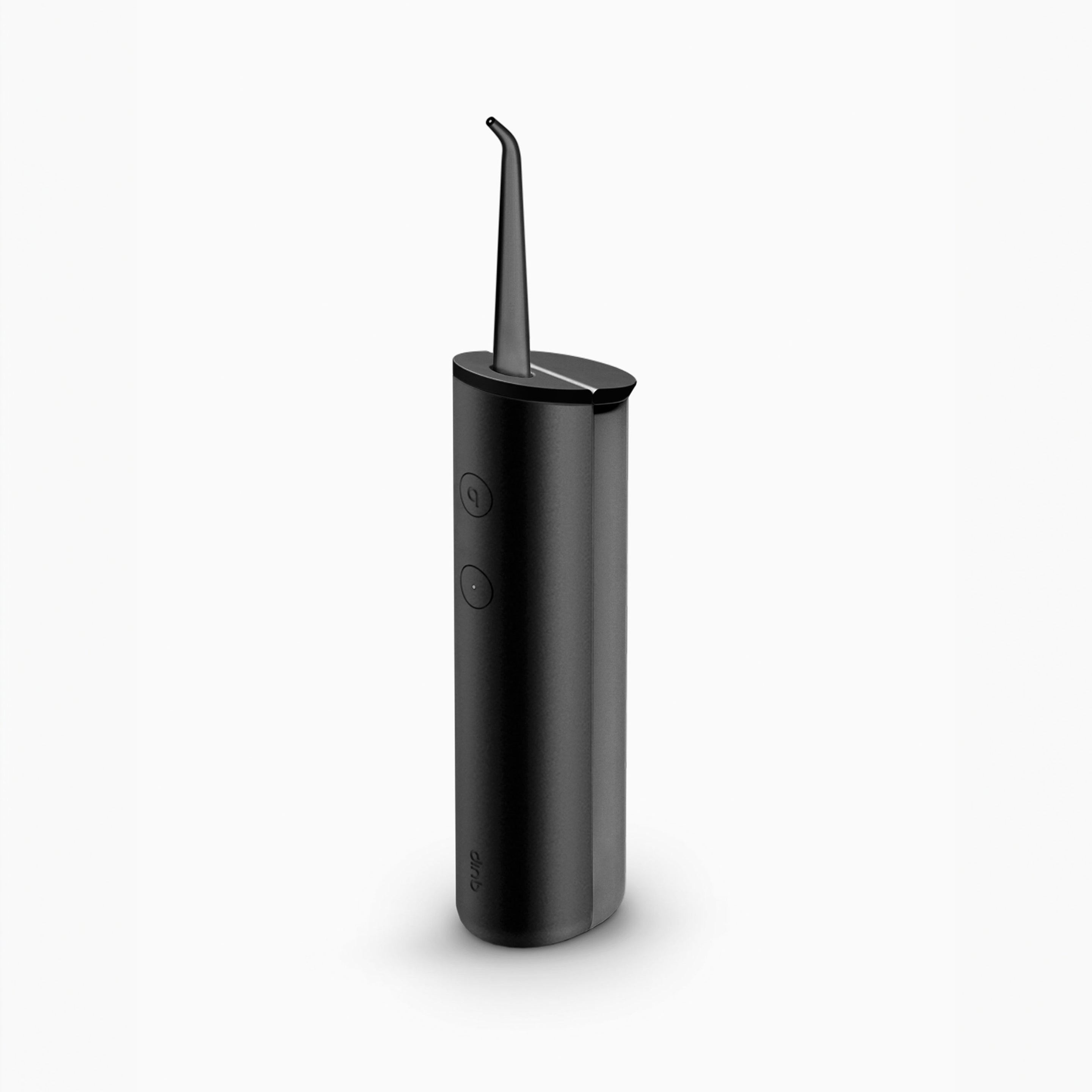
The Quip Water Flosser is a compact device designed for easy and effective flossing. Unlike traditional floss, it uses a stream of water to remove debris and plaque from between your teeth and along the gumline. It’s cordless, rechargeable, and offers different pressure settings. According to Quip, regular water flossing can reduce gum bleeding and improve oral health.
A study from the American Dental Association showed that water flossers can reduce plaque by up to 29% compared to string floss. Still, the device is only effective when functioning properly. Knowing how it works helps you understand what might go wrong.
Common Problems With Quip Water Flosser
Many users experience similar problems. Below are the most frequent issues:
- Device won’t turn on: No response when pressing the power button.
- Low water pressure: The stream feels weak or inconsistent.
- Water not dispensing: Water tank is full, but no water comes out.
- Charging issues: Device doesn’t charge, or battery drains quickly.
- Leaking water: Water leaks from the tank or nozzle.
- Unusual noises: Loud or strange sounds during operation.
Understanding which problem you’re facing helps you fix it faster.
Troubleshooting Steps
Device Won’t Turn On
If your water flosser doesn’t power up:
- Check if the battery is charged. Plug it in for at least 4 hours.
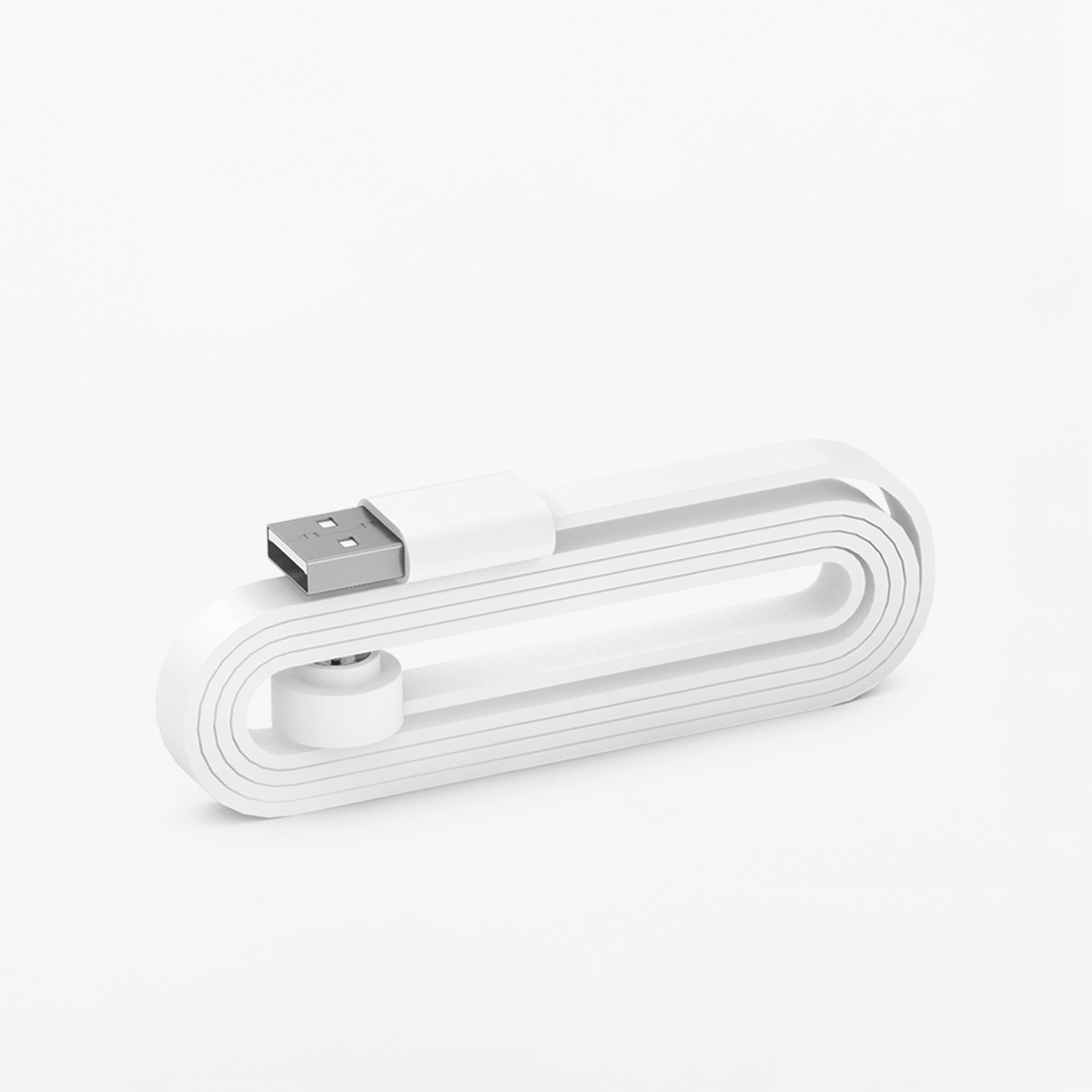
- Inspect the charging cable and adapter for damage.
- Try a different outlet.
- Press the power button firmly for a few seconds.
- If none of these steps work, the battery or circuitry may be faulty.
Low Water Pressure
Weak water pressure can result from:
- A blocked nozzle: Remove and rinse the nozzle under running water.
- Air bubbles: Fill the tank and let the device run for a few seconds to flush out air.
- Incorrect pressure setting: Ensure you’re using the highest setting if needed.
Water Not Dispensing
If water isn’t coming out:
- Check for clogs in the nozzle or hose.
- Make sure the tank is fully inserted and locked.
- Refill the tank if it’s empty.
- Examine the seal for cracks or debris.
Charging Issues
For devices that won’t charge:
- Clean the charging port with a dry cloth.
- Use only the original charger provided by Quip.
- Check for bent pins or corrosion.
- If the battery drains quickly, it may be at the end of its life cycle.
Leaking Water
Leaks often come from:
- Improperly seated tank: Remove and reattach the tank.
- Damaged seals: Inspect and replace rubber seals if needed.
- Overfilling: Do not exceed the maximum fill line.
Unusual Noises
Strange sounds can mean:
- Air trapped inside: Let the device run without the nozzle for a few seconds.
- Loose parts: Check that all components are properly attached.
Comparing Quip Water Flosser With Other Brands
To help you understand how the Quip Water Flosser stacks up against other popular models, here’s a comparison:
| Feature | Quip Water Flosser | Waterpik Cordless Advanced | Philips Sonicare Power Flosser |
|---|---|---|---|
| Pressure Settings | 2 | 3 | 4 |
| Battery Life | Up to 1 week | Up to 4 weeks | Up to 2 weeks |
| Water Tank Capacity | 200 ml | 210 ml | 250 ml |
| Warranty | 1 year | 2 years | 2 years |
| Price (USD) | $50 | $80 | $90 |
While the Quip Water Flosser is affordable and easy to use, it offers fewer pressure settings and shorter battery life compared to others.
Credit: www.getquip.com
When To Contact Quip Support
If you’ve tried all troubleshooting steps and your device still doesn’t work, it’s time to contact Quip Support. The company offers a one-year warranty, covering defects and failures not caused by misuse. Keep your purchase receipt and serial number handy for faster service.
You can reach Quip via their website, email, or phone. They may offer a replacement or repair, depending on the issue. If your device is out of warranty, ask about repair options or discounts for a new purchase.
Preventing Future Problems
Proper care helps extend the life of your Quip Water Flosser. Here are some tips:
- Clean regularly: Rinse the tank and nozzle after each use.
- Charge correctly: Avoid overcharging; unplug once fully charged.
- Store safely: Keep the device dry and avoid dropping it.
- Replace parts: Change nozzles and seals as recommended.
- Avoid hard water: If possible, use filtered water to prevent mineral buildup.
Many people overlook regular cleaning, leading to blockages and weak pressure. Another common mistake is leaving the device plugged in overnight, which can shorten battery life.
Credit: www.getquip.com
How Water Flossers Impact Oral Health
The American Dental Association recommends water flossers for people who struggle with traditional flossing or have braces. Quip’s model is suitable for most adults and teens. A survey by Quip found that 72% of users felt their gums were healthier after using the water flosser for two weeks.
However, water flossers are not a complete replacement for brushing. Use them as part of a daily routine, along with regular brushing and dental checkups.
Data: Most Common Quip Water Flosser Issues
Here’s a summary of the most reported problems among users:
| Issue | Reported Frequency (%) | Average Time to Resolve (days) |
|---|---|---|
| Device Won’t Turn On | 32 | 3 |
| Low Water Pressure | 24 | 2 |
| Charging Issues | 18 | 4 |
| Water Not Dispensing | 15 | 2 |
| Leaking Water | 11 | 2 |
| Unusual Noises | 7 | 1 |
Most issues are resolved within a few days, especially with basic troubleshooting.
Real-life Example: Fixing A Quip Water Flosser
Emily, a Quip user from Chicago, noticed her flosser wasn’t turning on after a week of use. She tried charging it overnight but saw no improvement. Following the troubleshooting steps, she found a small piece of lint blocking the charging port.
After cleaning it, her device worked again. This is a reminder to check for simple causes before assuming the worst.
Another example: John had low water pressure. He discovered mineral buildup inside the nozzle. Soaking the nozzle in vinegar for 30 minutes cleared the problem. These small fixes often solve the issue and save time.
Buying A Replacement Or Upgrading
If your Quip Water Flosser is beyond repair, consider buying a new one or switching brands. Compare features, price, and warranty before making a decision. Look for devices with longer battery life, larger tanks, and more pressure settings if these matter to you.
The market for water flossers is growing, with over 15 million units sold in the US last year. Models with USB charging and adjustable pressure are becoming more popular. Always check customer reviews and ratings before buying.
Practical Tips For Daily Use
To get the best performance from your water flosser:
- Always fill the tank with clean water.
- Hold the device upright to prevent leaks.
- Start with the lowest pressure and increase as needed.
- Aim the nozzle at a 90-degree angle to your gumline.
- Clean the nozzle weekly with warm water.
- Charge the device every few days but avoid overcharging.
Many users forget to clean the nozzle, leading to poor performance. Also, using cold water can cause discomfort; room temperature water is ideal.
Warranty And Repair Data
Understanding warranty coverage is important. Here’s a quick comparison:
| Brand | Warranty Length | Repair Options | Replacement Policy |
|---|---|---|---|
| Quip | 1 year | Limited, mostly replacement | Free within warranty |
| Waterpik | 2 years | Repair or replacement | Free within warranty |
| Philips Sonicare | 2 years | Repair or replacement | Free within warranty |
Quip’s warranty is shorter, and they focus on replacement rather than repair.

Credit: www.getquip.com
Frequently Asked Questions
Why Does My Quip Water Flosser Lose Pressure After A Few Weeks?
Low pressure is often caused by clogged nozzles or mineral buildup. Clean the nozzle regularly and use filtered water if possible. If the issue persists, check for leaks or worn seals.
Can I Use Mouthwash In My Quip Water Flosser?
Yes, you can mix mouthwash with water for added freshness. However, avoid thick or sticky liquids. Always rinse the tank after use to prevent residue and clogs.
Is The Quip Water Flosser Safe For Braces Or Dental Work?
The device is generally safe for braces and dental implants. Use the lowest pressure setting at first. Consult your dentist if you have sensitive gums or recent dental surgery.
How Often Should I Replace The Nozzle?
Replace the nozzle every 3–6 months, or sooner if it shows signs of wear. Regular replacement prevents bacteria buildup and ensures strong water pressure.
Where Can I Find More Troubleshooting Tips?
Check Quip’s official support page or consult their FAQ. For advanced troubleshooting, visit ADA’s official website for more guidance.
If your Quip Water Flosser isn’t working, don’t panic. Most issues are easy to fix with simple steps and regular care. When troubleshooting doesn’t help, Quip’s warranty and customer support are there for you. With the right maintenance and habits, your water flosser can be a reliable tool for better oral health.