
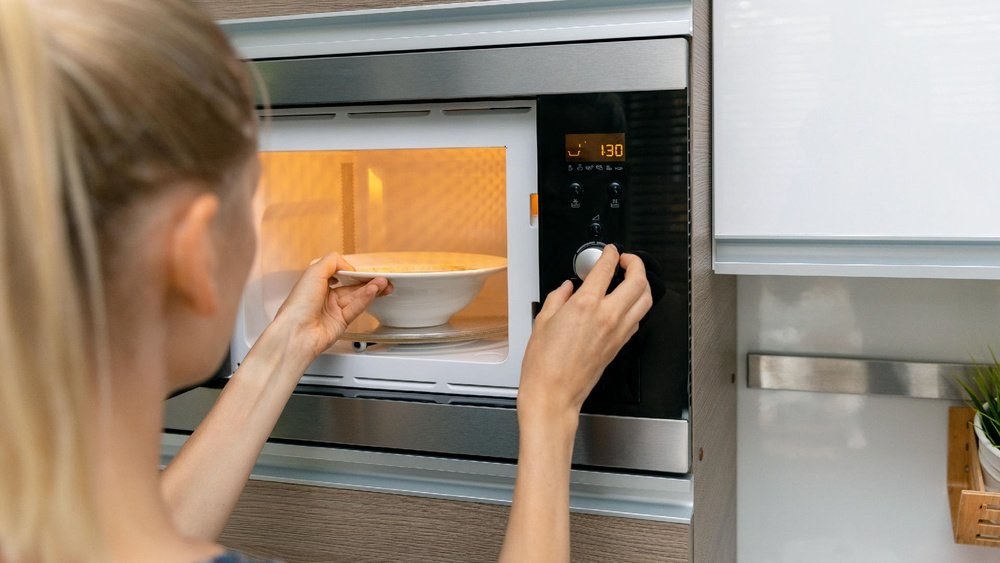
Microwaves are everywhere in modern kitchens. They save time, make reheating easy, and help cook meals fast. But if your microwave keeps blowing fuse, it’s not just annoying—it’s a sign that something is wrong. Instead of guessing, let’s dive deep to understand why this happens, how to fix it, and how to prevent it in the future. This guide will walk you through everything, from common causes to practical solutions, using simple English and clear explanations.
Why Does A Microwave Blow A Fuse?
A microwave fuse acts as a safety device. It breaks the electrical circuit if something goes wrong, protecting the microwave and your home. But when a microwave repeatedly blows its fuse, it usually means there’s a deeper problem.
The Role Of The Microwave Fuse
The fuse is designed to handle a certain amount of electrical current. If the current goes above this limit (due to a fault or overload), the fuse breaks (or ‘blows’). This stops electricity from reaching the microwave, preventing further damage or fire.
Frequent Fuse Blowing Is Not Normal
One blown fuse can happen by accident. But if you replace the fuse and it blows again, your microwave needs attention. Ignoring this can lead to bigger issues, including electrical hazards. It’s important to find out the real cause.
Common Causes Of Microwave Fuse Blowing
Understanding why your microwave keeps blowing fuse starts with looking at the most common reasons. These issues can be inside the microwave or related to how you use it.
1. Faulty Door Switch
The door switch makes sure the microwave only runs when the door is closed. If the switch is broken or misaligned, the microwave may try to run with the door open, causing a surge that blows the fuse.
2. Shorted High Voltage Capacitor
The high voltage capacitor stores energy for the magnetron (the part that creates microwaves). If this capacitor shorts out, it sends a surge through the system, blowing the fuse instantly.
3. Magnetron Failure
The magnetron generates microwaves. If it’s damaged, it can short internally and push too much current, causing the fuse to blow.
4. Power Surge Or Electrical Overload
If your home gets a sudden power surge, the fuse may blow to protect the microwave. Plugging too many appliances into the same outlet can also cause overload.
5. Incorrect Fuse Rating
Using the wrong fuse—one that’s too weak or strong—can cause repeated blowing or other issues. Always use the correct fuse rating as listed in your microwave’s manual.
6. Defective Internal Wiring
If wires inside the microwave are damaged, loose, or touching metal parts, they can create a short circuit, leading to a blown fuse.
7. Faulty Control Board
The control board manages all functions in the microwave. If it fails, it can cause random surges or shorts, blowing the fuse.
Diagnosing The Problem
Before you fix anything, you need to find out what’s really causing the fuse to blow. Here’s a step-by-step approach, easy for beginners.
Step 1: Safety First
Unplug the microwave before you do anything. Microwaves hold high voltage even when unplugged, so extra care is needed.
Step 2: Inspect The Door Switch
Check if the door closes properly. If the door feels loose or the microwave runs with the door open, the door switch may need replacing.
Step 3: Check The Fuse
Look at the blown fuse. If it’s blackened or melted, there may be a severe short inside the microwave.
Step 4: Examine Internal Components
If you know how to open the microwave safely, check for burnt smells, melted parts, or loose wires. If you’re not confident, call a professional.
Step 5: Test The Outlet
Plug another device into the same outlet to see if it works. If not, the problem could be in your home’s wiring.
How To Fix A Microwave That Keeps Blowing Fuse
Once you find the cause, here’s how to fix each issue. Some repairs are easy for beginners, while others need professional help.
Fixing The Door Switch
Replace the door switch if it’s faulty. You can buy a replacement online or from an appliance store. To install:
- Unplug the microwave.
- Open the panel near the door.
- Remove the old switch and install the new one.
- Close the panel and test the microwave.
Replacing The High Voltage Capacitor
If the capacitor is shorted, it’s best to call a technician. High voltage parts are dangerous. A pro can replace the capacitor safely.
Magnetron Replacement
A broken magnetron also needs expert attention. Replacing it yourself is risky and may void your warranty.
Upgrading The Fuse
Use a fuse with the same rating as your old one. Never use a higher or lower rating. The rating is usually printed on the old fuse or in the manual.
Fixing Internal Wiring
If you see damaged wires, you can:
- Cut out the damaged section.
- Replace with new wire of the same type.
- Secure connections tightly.
If you’re unsure, call a professional.
Repairing The Control Board
Control boards are complex. If you suspect a fault here, let a trained technician handle it.

Credit: www.youtube.com
Preventing Future Fuse Problems
Stopping fuse issues before they start saves money and headaches. Here’s how to prevent your microwave from blowing fuses again.
Use A Dedicated Outlet
Microwaves need a lot of power. Plug yours into a dedicated outlet, not a multi-plug or extension cord.
Keep The Door Mechanism Clean
Dirt can block the door switch. Clean the door area regularly to avoid misalignment.
Avoid Overloading
Don’t run your microwave with heavy loads or metal objects. This can cause surges and shorts.
Check For Power Surges
If your area often has power surges, install a surge protector. This shields your microwave from sudden spikes.
Regular Maintenance
Inspect your microwave every few months. Look for loose wires, burnt smells, or strange noises.
Data: Fuse Failure By Cause
To understand which problems are most common, here’s a comparison showing typical causes of blown fuses in microwaves.
| Cause | Percentage of Cases | Repair Complexity |
|---|---|---|
| Door Switch Fault | 40% | Easy |
| High Voltage Capacitor | 18% | Moderate |
| Magnetron Failure | 12% | Difficult |
| Electrical Overload | 16% | Easy |
| Internal Wiring | 8% | Moderate |
| Control Board | 6% | Difficult |

Credit: www.ifixit.com
Signs You Need A New Microwave
Sometimes, fixing fuse problems costs more than buying a new microwave. Here’s how to know when it’s time to replace yours.
| Sign | Repair Cost | Recommended Action |
|---|---|---|
| Repeated Fuse Blowing | High | Replace |
| Burnt Smell After Repair | Medium | Repair or Replace |
| Microwave Older Than 8 Years | Low to High | Replace |
| Broken Control Board | High | Replace |
| Cosmetic Damage (Cracks, Rust) | Low | Repair |
Key Insights Beginners Often Miss
- The fuse is a symptom, not the real problem. Many people think changing the fuse will fix everything. But a blown fuse means there’s a deeper fault.
- Microwaves hold dangerous voltage even when unplugged. Only open the case if you know how to discharge the capacitor safely.
- Repeated fuse blowing can damage other parts. If you keep using the microwave after replacing fuses, other components may fail, making repairs more expensive.
- Older microwaves often cost more to fix than to replace. If your microwave is over 8 years old, consider buying a new one.
Real-life Example
Let’s look at a common scenario. Maria’s microwave kept blowing fuses. She replaced the fuse twice, but it blew again. After reading about door switches, she checked hers and found it was loose. She ordered a new switch for $10, installed it herself, and her microwave worked perfectly.
If she had kept changing fuses without finding the cause, she could have damaged other parts.
When To Call A Professional
Some microwave repairs are safe for beginners, but others are not. Here’s when you should call an expert:
- High voltage capacitor or magnetron issues: These parts store deadly voltage.
- Internal wiring problems: If you see burnt wires or melted plastic.
- Control board faults: These need special tools and skills.
A professional repair might cost $80–$200, but it can prevent injury or fire. If in doubt, always ask for help.

Credit: www.youtube.com
Cost Comparison: Repair Vs Replacement
Microwave repairs vary in price. Here’s a simple comparison to help you decide.
| Repair Type | Average Cost | DIY Possible? |
|---|---|---|
| Door Switch | $15–$40 | Yes |
| Fuse Replacement | $5–$15 | Yes |
| High Voltage Capacitor | $60–$120 | No |
| Magnetron | $80–$180 | No |
| Control Board | $100–$200 | No |
| New Microwave | $70–$300 | N/A |
Frequently Asked Questions
Why Does My Microwave Keep Blowing Fuse After I Replace It?
If the new fuse blows quickly, there is a deeper problem—like a faulty door switch, shorted capacitor, or damaged wiring. Just replacing the fuse won’t fix the real issue.
Can I Use A Higher Rated Fuse To Stop It From Blowing?
No. Using a higher rated fuse is dangerous. It might not blow when it should, risking fire or serious damage. Always use the correct rating.
Is It Safe To Repair A Microwave Myself?
Basic repairs, like changing the fuse or door switch, are safe if you unplug the microwave. But repairs involving the high voltage capacitor or magnetron are dangerous and should be handled by professionals.
How Do I Know If The Door Switch Is Faulty?
If your microwave starts with the door open or stops randomly, the door switch could be the cause. Listen for clicking sounds when you close the door. No sound or a loose feeling means the switch needs checking.
What Should I Do If My Microwave Is Old And Keeps Blowing Fuses?
If your microwave is older than 8 years and repair costs are high, it’s usually better to buy a new one. New models are safer and more energy efficient.
Microwaves are reliable appliances, but when the fuse keeps blowing, it’s a warning you shouldn’t ignore. Finding the real cause is key to fixing the problem and preventing future issues. Simple repairs can be done at home, but always stay safe and call a professional for complex fixes. By understanding the reasons and following practical steps, you’ll keep your kitchen running smoothly and safely. For more technical details about microwave safety, visit Wikipedia.