
A squeaking washing machine can turn laundry day into a source of stress. That high-pitched noise is not just annoying—it may also mean something is wrong inside your washer. Ignoring squeaks can lead to bigger problems and costly repairs. Whether you own a front-loader or a top-loader, understanding why your washing machine squeaks and how to fix it can save you time, money, and headaches.
Let’s explore what causes a washing machine to squeak, how to diagnose and fix the problem, and what you can do to prevent it from coming back. Even if you’re not a technical expert, you’ll find clear guidance and practical tips here to help you tackle this common household issue.
Why Washing Machines Squeak
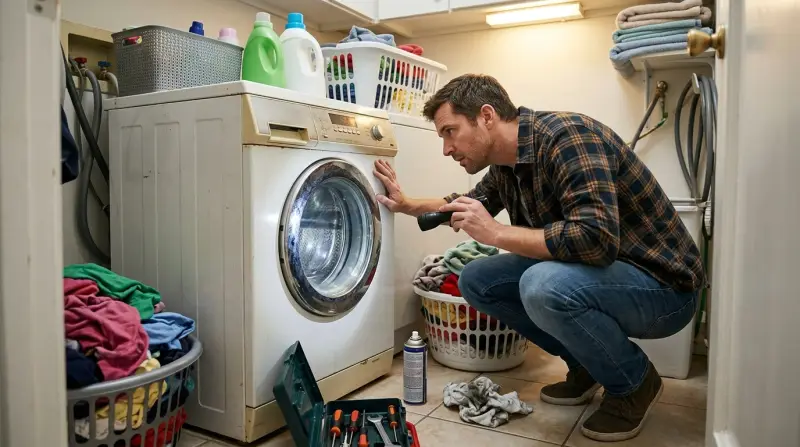
Washing machines are complex appliances with many moving parts. Over time, normal use can lead to wear and tear. A squeak usually means that something inside the machine is rubbing, needs lubrication, or is coming loose.
The most common causes of squeaking include:
- Worn drum bearings
- Loose or worn belts
- Damaged suspension springs
- Foreign objects trapped in the drum or pump
- Unbalanced loads
- Dry or rusty parts
Each cause has its own sound and solution. For example, a high-pitched squeal during spinning often points to the belt, while a rhythmic squeak during agitation might be a suspension issue.
It’s important to know that not every squeak means the machine is about to break down. Sometimes, the fix is simple and fast.
Common Squeak Locations And What They Mean
Let’s look at where squeaks come from and what they may signal.
Drum Area
The drum holds your clothes and spins during the wash cycle. If you hear a squeak every time the drum turns, the problem could be:
- Worn drum bearings
- Foreign objects stuck between the drum and the outer tub
Belt Section
Many washers use belts to connect the motor to the drum or agitator.
- A loose or cracked belt can squeak, especially during heavy loads or spin cycles.
- Belts may also slip if they are dry or contaminated with detergent.
Suspension System
Washing machines have springs and shock absorbers to keep the drum balanced.
- Squeaks during agitation or spinning can mean suspension springs are worn or need lubrication.
Pump And Motor
The pump removes water from the tub, and the motor drives movement.
- A squeak during draining could be a foreign object in the pump.
- Squeaking from the motor usually means bearings are wearing out.

Credit: www.youtube.com
Diagnosing The Squeak
You don’t need to be a pro to figure out where the noise is coming from. Here’s a step-by-step guide to help you pinpoint the source.
- Empty the washer and unplug it for safety.
- Turn the drum by hand—if you hear squeaking, the issue is likely with the drum bearings or something stuck in the drum.
- Run a short cycle (without clothes) and listen carefully:
- Squeak during filling: Likely not mechanical, possibly the water valve
- Squeak during agitation: Check the suspension or belt
- Squeak during spin: Focus on the drum bearing or belt
- Squeak during draining: Check the pump
- Check for objects—coins, buttons, or small items can get lodged between the drum and tub.
- Inspect the belt—if accessible, look for cracks, dryness, or looseness.
If you’re unsure, record the sound on your phone and compare it with online videos or take it to a professional for advice.
How To Fix A Squeaking Washing Machine
Some fixes are easy and safe for homeowners, while others might need a technician. Here’s how to handle the most common causes.
Fixing The Belt
If your model uses a belt, it’s often located at the back or bottom.
- Unplug the washer and move it away from the wall.
- Remove the rear or bottom panel.
- Inspect the belt for cracks, wear, or looseness.
- If it’s worn, replace it with a new one (follow your user manual).
- If it’s loose, tighten it if possible, or replace it.
Pro tip: Never use oil on the belt—it can cause slipping and further damage.
Lubricating Suspension Springs
Sometimes springs just need a little lubrication.
- Find the springs (usually inside the washer cabinet).
- Spray a small amount of silicone lubricant on squeaky areas.
- Move the drum by hand to spread the lubricant.
Caution: Don’t use too much—excess can attract dust and dirt.
Removing Foreign Objects
If you suspect something is stuck:
- Shine a flashlight inside the drum.
- Look for small items in the holes or between the drum and tub.
- Remove them with long tweezers or pliers.
Replacing Drum Bearings
Drum bearings often last years, but they can wear out. Replacing them is a big job—often best left to a professional.
Warning sign: Squeak turns into a grinding noise or gets louder with every cycle.
If your machine is still under warranty, call the manufacturer or a certified repair service.
Comparing Squeak Causes: Quick Reference
Below is a comparison of the most common causes, the typical sound, and the DIY difficulty.
| Cause | When It Squeaks | DIY Difficulty |
|---|---|---|
| Worn Belt | Spin/Agitation | Easy |
| Drum Bearings | All Cycle | Hard |
| Suspension Springs | Agitation | Medium |
| Foreign Objects | Random | Easy |
| Pump/Motor | Draining | Hard |
When To Call A Professional
While some squeaks are easy to fix, others require special tools or skills. Here’s when you should get expert help:
- You hear a grinding or scraping sound
- The squeak gets louder over time
- The machine starts leaking water
- You see sparks or smell burning
- You’ve tried basic fixes and the problem remains
Professional help may cost $100–$400, depending on the repair. If your washer is old and the repair is expensive, it may be time to compare repair costs with buying a new machine.
Prevention: Keeping Your Washer Quiet
Prevention can help you avoid squeaks before they start. Here’s how:
- Don’t overload the machine. Too many clothes strain the motor and suspension.
- Balance the load. Uneven loads can twist and stress parts.
- Clean the drum regularly to remove grit and debris.
- Check pockets for coins, keys, or small objects before washing.
- Use the right detergent—too much can cause buildup and belt slippage.
- Inspect the belt and springs once a year if possible.
- Wipe off rust or moisture from metal parts.
- Keep the machine on a level surface. Tilted washers make parts wear faster.
Here’s a quick comparison of DIY prevention steps and their impact:
| Prevention Step | How Often | Impact |
|---|---|---|
| Check pockets | Every load | High |
| Clean drum | Monthly | Medium |
| Inspect belt | Yearly | High |
| Balance load | Every load | High |
| Level machine | Once | High |
Squeaking: Front-loaders Vs. Top-loaders
Different washer types have their own squeak patterns.
| Washer Type | Common Squeak Source | Typical Solution |
|---|---|---|
| Front-Loader | Drum Bearings, Door Seal | Bearings Replacement, Seal Cleaning |
| Top-Loader | Belt, Suspension Rods | Belt Replace, Rod Lubrication |
Front-loaders are more likely to have drum bearing issues, while top-loaders often develop belt and suspension rod problems. Knowing your washer’s design helps you troubleshoot more effectively.
Two Insights Homeowners Often Miss
- Squeaks can signal other problems. A minor squeak may be the first sign of a bigger issue, like a failing drum bearing or a loose pulley. Early repairs are usually cheaper than waiting until a full breakdown.
- Not all lubricants are safe. Many people use WD-40 or household oil on squeaky parts. While these may work for a short time, they can damage rubber and attract dust. Always use a silicone-based lubricant made for appliances.
Safety Tips
- Always unplug your washer before opening panels or touching internal parts.
- If you smell burning or see smoke, don’t try to fix it yourself—call a professional.
- Use only manufacturer-approved parts for replacements.

The Real Cost Of Ignoring Squeaks
A squeak may seem minor, but ignoring it can be expensive. For example:
- Worn belts can slip and break, stopping the machine mid-cycle.
- Damaged bearings can lead to water leaks and even total drum failure.
- Suspension problems can make your washer shake violently, damaging floors.
Fixing a small squeak might cost $10–$50, but waiting could mean a $500 repair or buying a new machine.
Staying Ahead Of Washer Problems
Being proactive is the best way to keep your washing machine running smoothly:
- Listen for new sounds during each load.
- Address minor squeaks quickly.
- Keep your washer clean and level.
- Schedule a professional checkup every few years, especially if your machine is older than five years.
If you want more technical information, check the official Wikipedia page on washing machines.
A quiet washer is a sign of a healthy home. With the right care and attention, you can enjoy years of trouble-free laundry and avoid the frustration of unexpected breakdowns.

Credit: www.youtube.com
Frequently Asked Questions
Why Does My Washing Machine Squeak Only During The Spin Cycle?
A squeak during the spin cycle usually means the belt is worn or loose or the drum bearings are starting to fail. These parts work hardest during spinning. If the sound gets worse over time, have them checked or replaced.
Is It Safe To Keep Using A Squeaking Washing Machine?
It depends on the cause. If the squeak is minor and doesn’t get worse, it’s usually safe for a short time. However, if you hear grinding, the squeak gets louder, or you see leaks, stop using the machine and get it repaired to avoid bigger problems.
Can I Lubricate My Washer’s Parts To Stop The Squeak?
You can lubricate some parts, like suspension springs and some bearings, using a silicone-based lubricant. Never use regular oil or grease, as these can attract dirt or damage rubber components.
How Do I Know If The Squeak Is Coming From Inside The Drum?
If you hear the squeak when turning the drum by hand or during both washing and spinning, the problem is likely in the drum bearings or a foreign object stuck inside. You may need to remove the back or top panel for a closer look.
Should I Repair Or Replace My Squeaking Washing Machine?
If your washer is less than 8 years old and the repair is under $400, it’s usually worth fixing. For older machines or expensive repairs, consider the cost of a new, energy-efficient model.
By understanding your squeaking washing machine, you can take smart steps to keep it running smoothly—and save yourself frustration and money in the long run.