
If you want to make your floors stronger and longer-lasting, adding an extra layer of plywood over your subfloor is a smart move. Whether you are preparing for hardwood, tile, or carpet, this step can help prevent squeaks, uneven surfaces, and other problems. But there are important details to consider before you start. From choosing the right materials to avoiding common mistakes, this guide will help you make the best decisions for your home.
Why Add An Extra Layer Of Plywood?
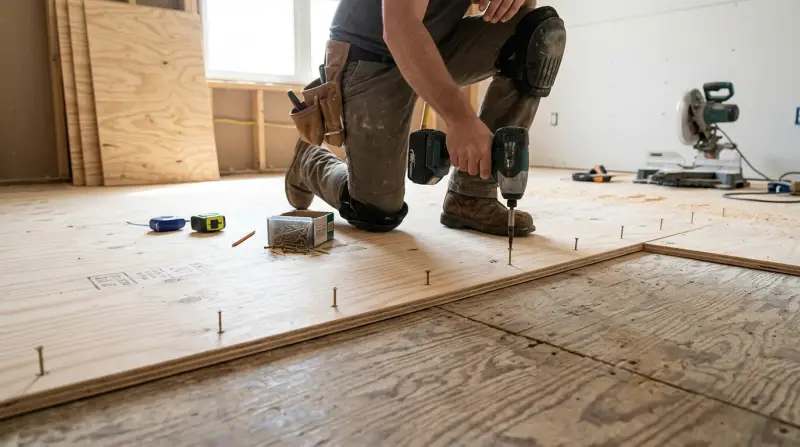
Many homes have subfloors made from plywood or oriented strand board (OSB). These surfaces are often strong enough for basic flooring. However, some situations demand more support:
- Installing heavy flooring, like tile or thick hardwood
- Fixing uneven or damaged subfloor sections
- Improving sound insulation or thermal properties
- Preventing floor movement or squeaks
In older homes, subfloors can be as thin as 1/2 inch. For modern standards, especially with tile or hardwood, experts recommend at least 3/4 inch total thickness. By adding an extra layer, you can reach this standard, making your floors safer and more comfortable.
Choosing The Right Plywood
Not all plywood is equal. Picking the wrong type or thickness can cause issues later. Here’s what you need to know.
Plywood Types
- CDX plywood: Most common for subfloors. It is sturdy and affordable, but may have rough surfaces.
- Exterior plywood: Good for areas with moisture. It resists water better than standard plywood.
- Underlayment plywood: Designed for smooth finishes, ideal if you plan to install vinyl or carpet.
Thickness And Grade
For most projects, a 3/4 inch plywood layer is recommended. If your existing subfloor is already thick, 1/2 inch may be enough. The plywood grade matters too; look for grades B or C for fewer knots and a smoother surface.
Comparing Plywood Types
Below is a simple table comparing key features:
| Plywood Type | Moisture Resistance | Surface Quality | Cost |
|---|---|---|---|
| CDX | Low | Rough | Low |
| Exterior | High | Medium | Medium |
| Underlayment | Medium | Smooth | High |
Preparing The Subfloor
Before adding plywood, you must prepare the subfloor carefully. Skipping this step can lead to uneven floors, poor adhesion, and other problems.
Inspection And Cleaning
- Check for damaged areas: Look for rot, mold, or broken sections. Replace these before continuing.
- Remove old nails and screws: Leftover fasteners can cause bumps.
- Clean the surface: Use a vacuum or broom to remove dust and debris.
Leveling
If the subfloor is not flat, use a leveling compound to fill low spots. Most flooring needs less than 1/8 inch difference across a 6-foot area.
How To Install The Extra Layer
Adding plywood is not just about laying it down. The way you install it affects stability and performance.
Step-by-step Instructions
- Measure and Cut: Measure your room and cut plywood sheets to size. Leave a 1/8 inch gap between sheets for expansion.
- Lay Out the Sheets: Stagger the joints. Do not let the seams of the new layer line up with the old ones. This reduces movement and squeaks.
- Secure the Plywood: Use screws (not nails) every 6-8 inches along the edges and 12 inches in the field. Screws hold better and prevent future movement.
- Glue Option: For extra strength, apply a subfloor adhesive between layers. This is especially important for tile or hardwood.
- Check for Level: After installation, check again for flatness. Sand down high spots if needed.
Installation Data
According to the National Wood Flooring Association, using glue and screws together can reduce floor movement by over 50% compared to screws alone.

Practical Tips And Common Mistakes
Even experienced DIYers can make mistakes. Here are some practical tips and pitfalls to avoid.
Tips For A Strong Subfloor
- Always acclimate plywood: Let the new sheets sit in your home for 48 hours before installation. This reduces warping.
- Use quality screws: Choose corrosion-resistant screws, especially in kitchens and bathrooms.
- Mark your floor joists: Screwing into joists gives the strongest hold.
Mistakes To Avoid
- Overlapping seams: Never align seams of both plywood layers. This weakens the floor.
- Skipping gaps: Not leaving expansion gaps can cause buckling.
- Using nails instead of screws: Nails can pull out over time, leading to squeaks.
Comparison Of Fasteners
Here’s a table showing the difference between nails and screws:
| Fastener | Holding Strength | Risk of Squeaks | Ease of Installation |
|---|---|---|---|
| Nails | Medium | High | Fast |
| Screws | High | Low | Moderate |
Special Considerations For Different Floor Types
The way you prepare the subfloor can change depending on the floor you plan to install.
Tile Floors
Tile needs a very stiff and flat surface. Experts recommend a minimum of 1 1/4 inches total subfloor thickness (for example, 3/4 inch original subfloor plus 1/2 inch plywood). Use glue and screws, and check for movement before tiling.
Hardwood Floors
Solid hardwood can hide minor imperfections, but a strong subfloor prevents gaps and squeaks. The added plywood helps keep the boards stable.
Carpet And Vinyl
For carpet, the surface does not need to be as stiff, but unevenness can cause problems. For vinyl, use underlayment plywood with a smooth finish.
Cost And Time Estimates
Homeowners often worry about the cost and time for this project. Here are realistic numbers to help you plan.
Average Costs
- Plywood sheets (3/4 inch, 4×8 feet): $35–$55 each
- Screws: $10–$20 per box
- Subfloor adhesive: $5–$10 per tube
For a 200 sq. ft. room, expect to spend $400–$600 for materials. Labor costs vary but can be $2–$3 per sq. ft. if you hire a professional.
Time Needed
- DIY installation: 1–2 days for a medium-sized room
- Professional installation: 4–8 hours, depending on prep and complexity
Real-life Example: Renovation Success
In a 1960s home in Ohio, the owners added a layer of 3/4 inch plywood over their old subfloor before installing tile. They used glue and screws, staggered the sheets, and leveled the surface. After five years, their floor still feels solid, with no cracks or squeaks. This case shows how proper installation can make a big difference over time.

Benefits Beyond Strength
Adding plywood does more than just make your floor stronger. Here are some extra benefits:
- Better sound insulation: Thicker floors reduce noise between rooms.
- Improved comfort: A solid floor feels warmer and smoother underfoot.
- Increased home value: Upgrades like this can raise your home’s resale price.
Environmental Impact And Sustainability
Plywood is made from layers of wood, which can be sourced responsibly. Look for FSC-certified plywood for better environmental standards. Some brands use recycled materials, reducing the carbon footprint of your project.
Comparing Subfloor Upgrades
If you are unsure whether to add plywood or use other materials, compare the options below:
| Upgrade Type | Strength | Moisture Resistance | Cost |
|---|---|---|---|
| Plywood | High | Medium | Medium |
| OSB | Medium | Low | Low |
| Cement Board | Very High | High | High |
When To Call A Professional
While many homeowners can install plywood themselves, some situations require expert help:
- Large or complex rooms
- Signs of structural damage (rot, sagging)
- Need for perfect flatness (for tile floors)
Professionals have tools and experience to ensure the job is done right. If you are unsure, consult a flooring specialist before starting.
Frequently Asked Questions
What Is The Best Plywood Thickness For An Extra Layer Over Subfloor?
The most common choice is 3/4 inch plywood. If your existing subfloor is thick and stable, you can use 1/2 inch. For tile, aim for a total subfloor thickness of at least 1 1/4 inches.
Can I Use Osb Instead Of Plywood For The Extra Layer?
While OSB is cheaper, plywood is stronger and resists moisture better. For high-traffic areas or rooms with water risk, plywood is the safer choice. More details can be found on Family Handyman.
Do I Need To Glue The Layers Together?
Glue is not strictly required, but it adds strength and reduces movement. For tile or hardwood, using subfloor adhesive is highly recommended.
How Much Gap Should I Leave Between Plywood Sheets?
Leave a 1/8 inch gap between sheets for expansion. This helps prevent buckling during seasonal changes.
Will Adding Plywood Raise My Floor Too Much?
An extra plywood layer will raise your floor by 1/2–3/4 inch. Plan for door and trim adjustments. In most cases, the benefits outweigh this small height increase.
Adding an extra layer of plywood over your subfloor is a solid investment in your home’s future. With careful planning and attention to detail, you’ll enjoy a stronger, quieter, and more comfortable floor for many years.