
A dishwasher is one of those modern conveniences that quickly becomes essential in the kitchen. But when your dishwasher is not filling with water, it can turn daily cleanup into a hassle. Dishes pile up, and the promise of “set it and forget it” disappears. If you’re facing this problem, you’re not alone. This issue is common, but the causes can range from simple to complex. The good news: with a little guidance, most people can diagnose—and sometimes even fix—the problem themselves.
This article will walk you through the main reasons a dishwasher may not fill with water, how to troubleshoot them, and what you can do before calling a professional. We’ll also share tips to prevent this problem in the future.
Whether you’re a homeowner, renter, or just curious, you’ll find clear answers here.
How A Dishwasher Fills With Water
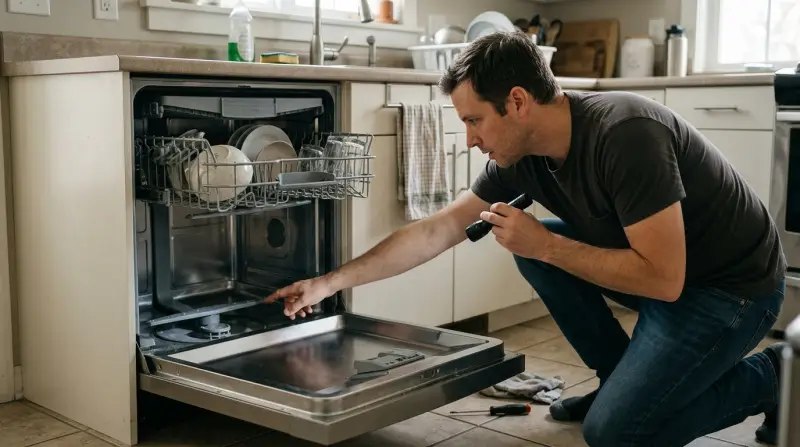
Understanding how a dishwasher fills helps you see where things might go wrong. When you start a cycle, the control board sends a signal to the water inlet valve. This valve opens, allowing water from your home’s supply to flow in. The water fills the bottom of the tub to a set level, then the valve closes. Spray arms distribute this water to clean your dishes. If any part of this process fails, your dishwasher stays dry.
Here’s a simple flow of what happens:
- Door is closed and latched.
- Cycle is selected and started.
- Control board sends voltage to the water inlet valve.
- Valve opens; water flows in.
- Float switch monitors water level and shuts valve at the right time.
If your dishwasher isn’t filling, one or more of these steps isn’t working as it should.
Common Reasons Your Dishwasher Isn’t Filling With Water
Several factors can prevent water from entering your dishwasher. Let’s look at the most frequent causes:
Faulty Water Inlet Valve
The water inlet valve is the gateway for water. If it’s defective, stuck, or clogged, your dishwasher won’t get water. Over time, mineral deposits or debris can block the valve screen, especially in areas with hard water.
Closed Or Blocked Water Supply Line
Sometimes the problem is as simple as the water supply line under the sink being turned off or kinked. If water can’t reach the dishwasher, it won’t fill.
Broken Float Or Float Switch
The float is a small device inside the dishwasher tub. It rises with water level and, when high enough, triggers the float switch to stop more water from entering. If the float is stuck in the “up” position, the dishwasher will think it’s already full—even if it’s empty.
Door Latch Or Door Switch Problems
A dishwasher will not operate if it thinks the door is open. A defective door latch or door switch can prevent the dishwasher from starting, which means it won’t fill with water.
Clogged Or Damaged Fill Hose
The fill hose connects the water supply to the dishwasher. If it’s blocked by debris or pinched behind the unit, water flow will be restricted or stopped.
Faulty Timer Or Control Board
The timer or electronic control board tells the dishwasher what to do and when. If it fails to send power to the water inlet valve, the machine won’t fill.
Water Pressure Issues
Most dishwashers need at least 20–120 psi of water pressure. If your home’s pressure is too low, the valve may not open properly.
Problems With The Overfill Protection
Some dishwashers have extra sensors to avoid flooding. If these fail, they might mistakenly block the fill cycle.

Quick Checks Before You Start Troubleshooting
It’s easy to assume something major is wrong. But first, check these basics:
- Make sure the dishwasher door is closed and latched tightly.
- Confirm the water supply under the sink is fully open.
- Check for a blown fuse or tripped breaker at your electrical panel.
- Verify the dishwasher is plugged in properly.
These simple steps can save you time and unnecessary repairs.
Step-by-step Troubleshooting Guide
If you’ve checked the basics and your dishwasher still isn’t filling with water, follow this guide to narrow down the cause.
Inspect The Water Supply Line
- Locate the shutoff valve under your sink. Turn it counterclockwise to make sure it’s open.
- Examine the supply line for kinks or bends.
- Gently straighten the hose if needed.
- Place a towel under the hose connection, disconnect it, and briefly turn on the valve to check for strong water flow.
Check The Water Inlet Valve
- Unplug the dishwasher or turn off the circuit breaker for safety.
- Remove the lower kick plate (front panel) to access the valve.
- Look for visible signs of damage or mineral buildup on the valve screen.
- If you have a multimeter, test the valve solenoid for continuity. No reading usually means the valve is bad.
Test The Float And Float Switch
- Open the dishwasher door and find the float (usually a round or cylinder-shaped piece near the bottom).
- Lift and lower it by hand. It should move freely.
- If stuck, clean around it to remove soap, food, or debris.
- If the float is fine, check the float switch under the tub. Use a multimeter to test for continuity as you move the float.
Examine The Door Latch And Switch
- Inspect the latch for cracks or looseness.
- Use a screwdriver to tighten loose screws.
- If the latch doesn’t click, it may need replacing.
- Test the door switch with a multimeter for continuity.
Assess The Fill Hose
- Pull the dishwasher out slightly (if possible).
- Look for crimps or blockages in the hose.
- Detach and flush the hose to clear any debris.
Test Water Pressure
- Attach a water pressure gauge to the sink faucet.
- Run water and read the gauge. If the pressure is below 20 psi, consider calling a plumber.
Check Timer Or Control Board
- Signs of a faulty control board include other cycles not working, error codes, or random beeping.
- If all else fails, the control board or timer may need professional diagnosis.
Table: Quick Reference For Common Causes And Solutions
| Problem | What to Check | Solution |
|---|---|---|
| Dishwasher silent, not filling | Door latch, power, float switch | Close door firmly, reset breaker, test switch |
| Humming sound, no water | Water inlet valve, supply line | Clean/replace valve, check hose |
| Water drips, but not filling | Low water pressure | Increase pressure, call plumber |
When To Repair And When To Replace
Dishwasher repairs can be simple or costly. Knowing when to fix versus when to replace saves money and stress.
When Repair Is Worth It
- Dishwasher is less than 6–8 years old.
- Repair cost is less than 50% of a new unit.
- The problem is a single part (like the inlet valve or float switch).
When Replacement Makes Sense
- Unit is over 10 years old.
- Multiple parts are failing.
- Rust, leaks, or other major issues are present.
- Newer models offer better energy and water efficiency.

Table: Typical Repair Costs (us Averages)
| Part/Service | Average Cost (Parts + Labor) |
|---|---|
| Water inlet valve | $75–$200 |
| Float switch | $50–$150 |
| Control board | $150–$400 |
| Professional diagnosis | $80–$120 |
Practical Tips For Avoiding Water Fill Problems
- Clean the inlet valve screen every 6–12 months, especially if your home has hard water. Mineral buildup is a common cause of blockages.
- Run hot water at your kitchen faucet before starting the dishwasher. This ensures the water entering is hot and flows freely.
- Use a water softener if you notice white scale or deposits on fixtures. This reduces mineral buildup inside valves and hoses.
- Don’t overload the dishwasher. Pushing items against the float can cause it to stick, blocking water from entering.
- Check for leaks under the sink and around the dishwasher regularly. Early leaks can lead to bigger problems with water supply.
- Address hard water with periodic vinegar rinses or a commercial cleaner to dissolve scale.
Non-obvious Insights Most People Miss
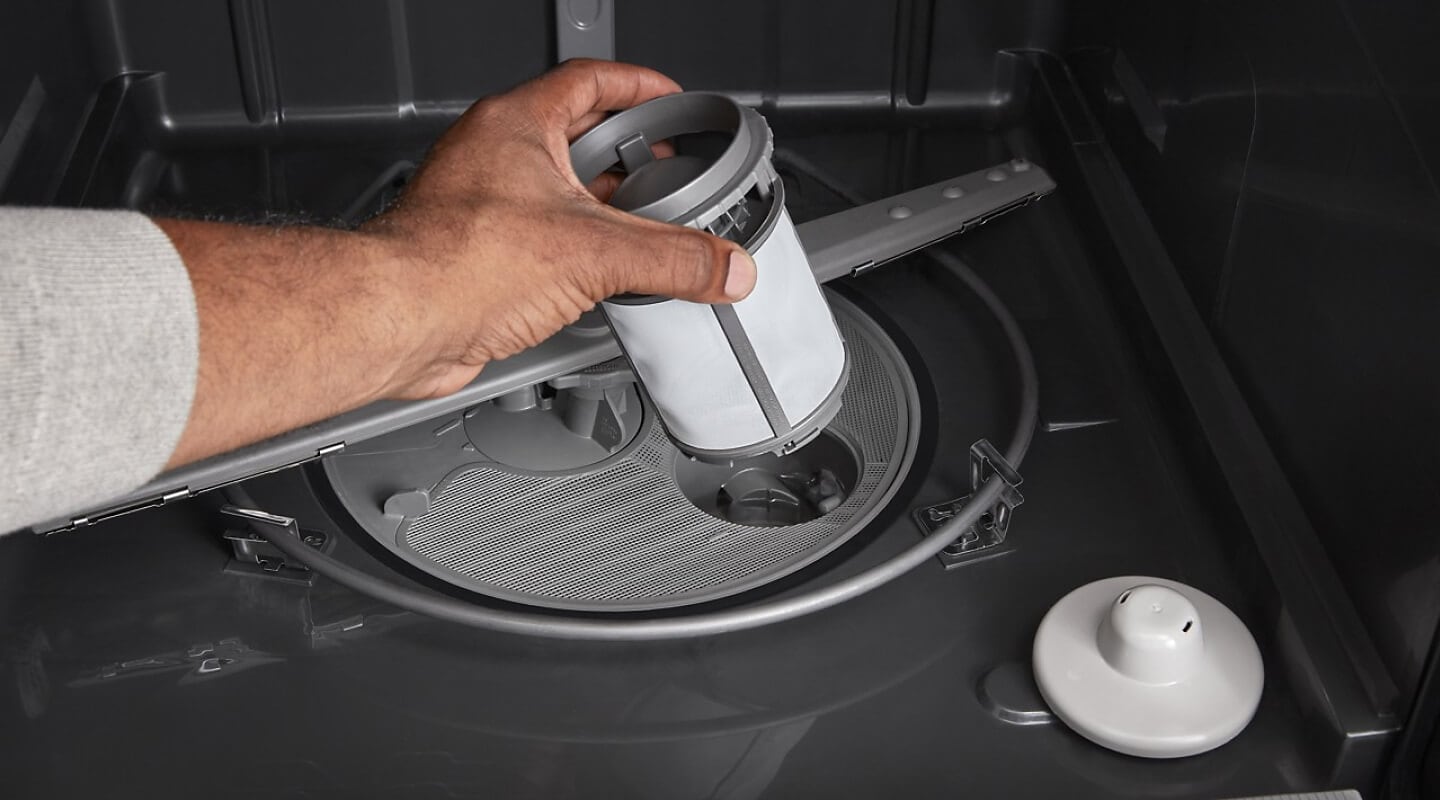
- Float assembly cleaning: Many people clean only the inside of their dishwasher. But the float often traps food debris and soap residue underneath, which can block its movement. Removing the float cover (usually a simple clip or screw) lets you clean this hidden spot.
- Intermittent control board faults: Sometimes, the dishwasher fills with water one cycle and not the next. Intermittent electrical issues, especially with the control board, can cause this. If all mechanical parts check out, but the problem persists, a faulty board may be to blame.
- Check for recent plumbing work: If you recently had plumbing repairs or a new faucet installed, it’s possible the dishwasher supply line was accidentally turned off or not reconnected. Always double-check after any work under the sink.
Table: Signs You Need A Professional
| Symptom | Likely Need for Pro Help? | Why |
|---|---|---|
| No power, no lights | Yes | Could be electrical wiring or control board |
| Repeated blown fuses | Yes | Indicates deeper electrical issue |
| Strange smells or burning | Yes | Risk of fire or electrical damage |
| All DIY steps fail | Yes | Professional tools needed for diagnosis |
Should You Call A Pro Or Diy?
If you feel comfortable turning off the power and water and using basic tools, you can check most dishwasher fill problems yourself. But if you’re unsure, or if you see signs of electrical faults, water leaks, or burned components, it’s safer to call a professional.
Dishwasher repairs are not always expensive. Many simple fixes (like cleaning the float or replacing the inlet valve) cost less than $100 if you do them yourself. But control boards and electrical repairs can be risky without experience.
For more about how dishwashers work, visit this Wikipedia page.
Frequently Asked Questions
Why Is My New Dishwasher Not Filling With Water?
Sometimes, a new dishwasher has a shipping plug in the drain hose, or the installer forgot to turn on the water supply under the sink. Check both, and make sure the door closes fully.
Can A Clogged Filter Stop My Dishwasher From Filling?
A clogged filter usually affects draining, not filling. However, if debris backs up into the float assembly, it can block the float and stop the fill cycle.
How Do I Know If The Water Inlet Valve Is Bad?
If you hear a humming noise but no water enters, or if the valve fails a continuity test with a multimeter, it’s likely faulty and needs replacing.
Will Low Water Pressure Cause My Dishwasher Not To Fill?
Yes. Most dishwashers require at least 20 psi. If your home’s water pressure is lower, the valve may not open or fill slowly.
Is It Safe To Run A Dishwasher With No Water?
No. Running a dishwasher dry can damage the heating element, pump, and cause the motor to overheat. Always fix water supply issues before running a cycle.
A dishwasher that won’t fill with water can be frustrating, but with some basic troubleshooting and regular maintenance, most issues can be solved quickly. If you run into complex electrical or repeated problems, don’t hesitate to call a professional. This not only saves time, but prevents bigger, costlier problems down the road.
With the right knowledge, you can keep your dishwasher—and your kitchen—running smoothly.
1 thought on “Dishwasher Not Filling With Water: Quick Fixes and Expert Tips”