
A washing machine is a daily helper in many homes. When it works smoothly, you barely notice it. But suddenly, your washing machine unbalanced message flashes, or it starts shaking loudly. You worry: Will this damage the machine? What causes this? How can you fix it? This guide will explain the reasons, the risks, and practical steps to solve and prevent unbalanced loads. If you’re tired of noisy cycles or want your washer to last longer, read on for clear advice.
What Does ‘unbalanced’ Mean In Washing Machines?
An unbalanced washing machine happens when the drum inside spins unevenly. This causes the machine to vibrate, shake, or even ‘walk’ across the floor. Most modern washers have sensors to detect this problem. When the drum is unbalanced, the washer may stop, slow down, or display an error code.
This is more than just noise. Repeated unbalanced cycles can damage internal parts, including the motor, drum bearings, and suspension. In serious cases, it can lead to expensive repairs or even make the machine unsafe.
Common Causes Of Washing Machine Unbalanced Loads
Understanding why your washer becomes unbalanced helps prevent future problems. The main causes are:
- Uneven laundry distribution: If you wash one heavy item (like a blanket) with smaller clothes, the heavy item can stick to one side of the drum.
- Overloading: Filling the drum beyond its capacity makes it hard for the machine to spin smoothly.
- Underloading: Washing just a few items gives them room to clump together, leading to imbalance.
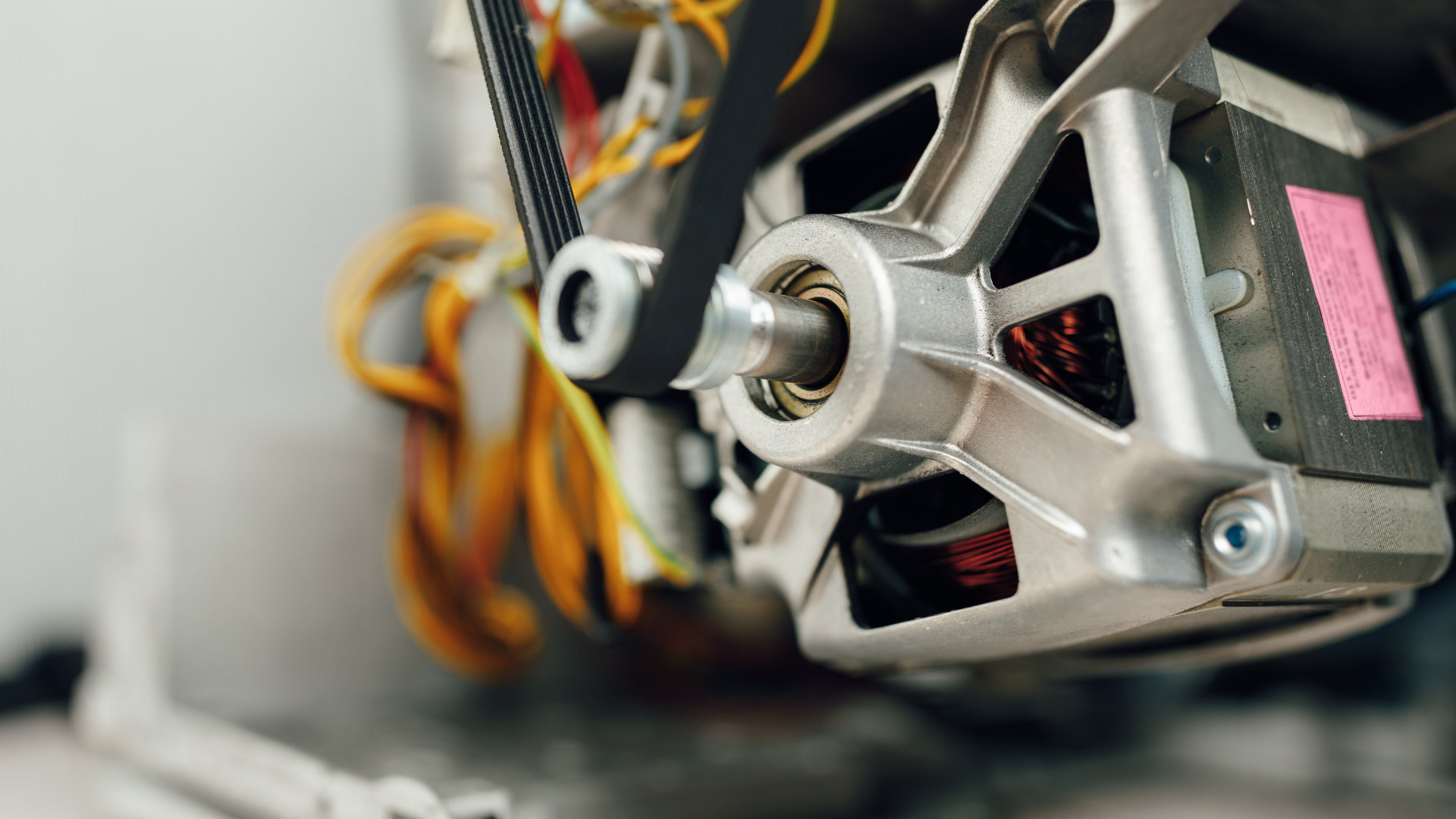
- Damaged suspension springs or shock absorbers: These help keep the drum stable. If they wear out, balance problems increase.
- Incorrect machine placement: If your washer sits on an uneven floor or isn’t leveled, it will vibrate more.
- Worn drum bearings: Bearings support the drum. When they fail, noise and shaking increase.
- Foreign objects: Coins, buttons, or other small items stuck in the drum can make it shake.
Many beginners think only overloading causes imbalance, but underloading and incorrect placement are just as risky.

Signs Your Washing Machine Is Unbalanced
How do you know your washer has an unbalanced load? These warning signs help you spot trouble early:
- The machine shakes violently during spinning.
- Loud banging or thumping noises.
- The washer moves across the floor.
- Error codes like UE, DC, or E4 (depending on brand).
- The spin cycle stops or repeats.
- Clothes come out wetter than usual.
Don’t ignore these signs. They signal both immediate and long-term risks.
Immediate Risks And Long-term Effects
A single unbalanced cycle probably won’t destroy your washer. But repeated imbalance causes:
- Shortened machine lifespan: Parts wear out faster.
- Increased repair costs: Suspension, bearings, and motors may need replacing.
- Water leaks: Shaking can loosen hoses.
- Floor damage: Heavy vibration can scratch or crack floors.
- Higher energy use: The machine may use extra power trying to correct the imbalance.
According to appliance repair data, over 20% of washer repairs involve fixing damage from repeated unbalanced loads. This is preventable with good habits.
How To Fix An Unbalanced Washing Machine
If your washer is unbalanced, take these steps to fix it:
Step 1: Pause And Re-distribute Laundry
Open the lid or door (when safe) and move items around. Spread heavy pieces evenly. If you have only one bulky item, add towels or similar weight to balance.
Step 2: Check Machine Level
Use a bubble level or smartphone app. Adjust the feet until the machine sits flat. This is a simple fix that many overlook.
Step 3: Inspect For Damaged Parts
Look for signs of worn suspension springs or shock absorbers. If you notice leaks, broken parts, or loud grinding, call a technician.
Step 4: Remove Foreign Objects
Check for coins, buttons, or small items in the drum or filter. They can cause imbalance and even block drainage.
Step 5: Avoid Overloading Or Underloading
Read your washer’s manual for recommended load sizes. Most machines perform best when about 3/4 full.
Step 6: Clean Drum And Bearings
Sometimes, build-up of lint or detergent can throw off balance. Wipe the drum and check for any obstructions.
Comparison: Common Causes Of Unbalance
Here’s a quick visual to help you spot the most frequent causes:
| Cause | Frequency | Impact |
|---|---|---|
| Uneven laundry | Very common | Moderate to severe |
| Overloading | Common | Moderate |
| Damaged springs | Less common | Severe |
| Floor not level | Moderate | Moderate |
| Foreign objects | Occasional | Moderate |
Preventing Unbalanced Loads: Practical Tips
You can avoid most balance issues by following these habits:
- Sort laundry by weight: Don’t wash one heavy item with lots of light items.
- Load the drum evenly: Place clothes around the drum, not all in one area.
- Don’t overload: Leave about a hand’s width at the top of the drum.
- Add extra items to balance: If washing a single heavy item, throw in towels of similar weight.
- Check machine placement: Make sure your washer sits on a solid, level surface.
- Inspect suspension and bearings yearly: Catch problems before they worsen.
Many people only check the drum, but inspecting suspension parts saves money and extends machine life.
When To Call A Professional
Some fixes are easy. But call a technician if:
- The machine shakes even with balanced loads.
- You hear grinding or scraping noises.
- Water leaks during spinning.
- Error codes don’t clear after redistributing laundry.
- You suspect worn bearings or springs.
Professional repairs average between $100 and $350, depending on the problem. Delaying repairs usually makes costs higher.
Washing Machine Brands: Error Codes For Unbalanced Loads
Different brands use different codes to warn about imbalance. Here’s a quick reference:
| Brand | Error Code | Meaning |
|---|---|---|
| Samsung | UE | Unbalanced load detected |
| LG | UE | Unbalanced load detected |
| Whirlpool | DC | Distribution correction needed |
| Bosch | E4 | Unbalanced load |
| GE | Unbalanced | Display may say “Unbalanced” |
If your machine shows these codes often, review your loading habits and check for mechanical issues.
Comparing Top-load Vs Front-load: Unbalance Risks
Is one type of washing machine more likely to become unbalanced? Here’s a comparison:
| Type | Unbalance Risk | Ease of Fix |
|---|---|---|
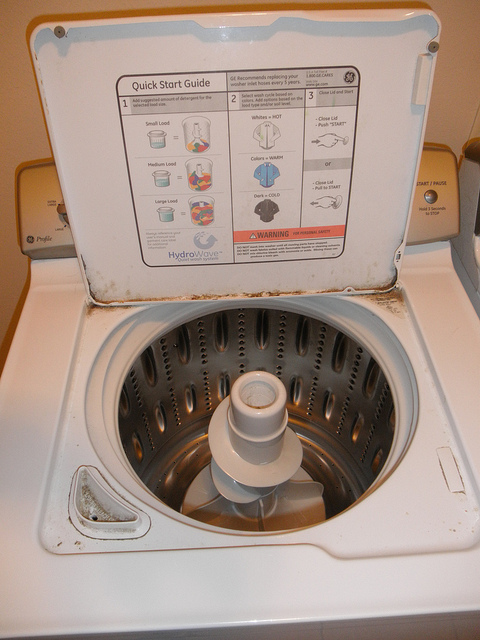
| Top-load | Moderate | Easy to redistribute laundry |
| Front-load | Higher (especially with large items) | Requires opening door, sometimes draining water first |
Front-load machines often have tighter tolerances, so unbalanced loads may trigger errors more often. Top-load washers make it easier to fix by simply opening the lid.
Real-life Example: The Blanket Problem
A common scenario is washing a heavy blanket in a front-load washer. The blanket absorbs water, becomes very heavy, and sticks to one side of the drum. The machine tries to correct, but can’t spin smoothly. It stops with an unbalanced error.
Adding two towels of similar weight, redistributing, and restarting often solves the problem.
How Technology Helps Prevent Unbalance
Modern washing machines use sensors and software to detect and correct balance issues. Some models will:
- Adjust spin speed automatically.
- Add extra rinse or spin cycles.
- Pause and try to redistribute laundry.
While these features help, manual balancing is still needed in tricky cases. Machines can’t always fix severe imbalance by themselves.
For more about how sensors work in appliances, see this Wikipedia article.
Common Mistakes When Dealing With Unbalanced Washers
Many beginners make errors that cause repeated unbalance:
- Always washing single bulky items.
- Not checking machine placement.
- Ignoring error codes.
- Failing to inspect suspension or bearings yearly.
- Using the wrong cycle for heavy loads.
Avoid these mistakes, and your washer will run smoothly.
Frequently Asked Questions
Why Does My Washing Machine Shake During Spin Cycles?
Shaking usually means the drum is unbalanced. Heavy items stick to one side, or the machine isn’t level. Redistribute laundry and check placement.
Is It Safe To Keep Using A Washer With Unbalanced Loads?
No. Repeated unbalanced cycles wear out parts and can cause leaks or damage. Fix the balance and call a technician if problems continue.
How Do I Level My Washing Machine?
Use a bubble level or smartphone app. Adjust the feet under the washer until it sits flat. Most washers have adjustable feet for this purpose.
Can Unbalanced Loads Cause Water Leaks?
Yes. Excessive shaking can loosen hoses or fittings. If you notice leaks after a shaking cycle, inspect hoses and call a technician.
What Should I Do If My Washer Shows An Unbalanced Error Code?
Pause the cycle, open the drum, and redistribute laundry. If the error returns, check for mechanical issues or call a professional.
Final Thoughts
A washing machine unbalanced problem is common, but easily managed with good habits. Always sort laundry by weight, load evenly, and check your machine’s placement. Listen for warning signs and fix issues early. With regular care, your washer will run quietly and last longer. Don’t ignore errors your washer is telling you it needs help. By understanding balance, you save money, avoid repairs, and enjoy hassle-free laundry days.