
If you’re doing laundry and your Samsung washer suddenly flashes a “SUD” code, you might feel frustrated or even confused. The SUD code is one of the most common error messages people see on Samsung washing machines, but many users don’t know what it actually means or how to fix it.
The good news is, this issue is usually easy to solve at home. With the right information and a few simple steps, you can clear the SUD code, get your washer running again, and even prevent it from happening in the future.
This guide will explain everything you need to know about the Samsung Washer SUD code. You’ll learn what triggers it, how your machine detects it, and why it’s important for your washer’s health. We’ll walk through clear solutions, give practical tips, and share expert advice for both beginners and experienced users. If you want to keep your laundry routine smooth and avoid future headaches, this article will help you understand and handle the SUD code with confidence.
What Is The Samsung Washer Sud Code?
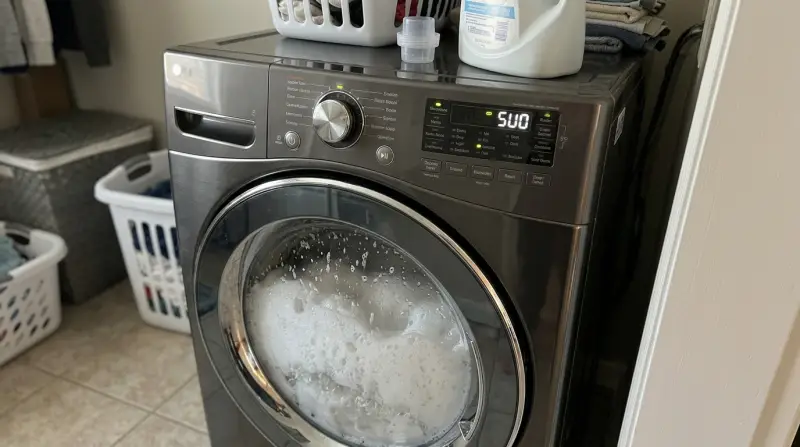
The SUD code (sometimes shown as SUd or 5UD) appears on the display panel of many Samsung front-load washers. This code is not a true error but a warning. It tells you that there are too many soap suds (bubbles) inside the drum. When this happens, the washing machine temporarily pauses the cycle to allow the bubbles to dissipate.
Unlike other error codes that signal something is broken, the SUD code is more of a protective measure. It prevents damage to your washer’s internal parts and ensures clothes are rinsed clean. If the machine detects excess suds, it will add more water and extend the rinse cycle.
Seeing the SUD code once in a while is normal, especially if you’ve used a bit too much detergent. However, if you see it often, it’s a sign you need to change something in your laundry habits.
Why Does The Sud Code Appear?
There are several reasons your Samsung washer might display the SUD code. The most common causes are:
- Too much detergent – This is the number one reason. Using more than the recommended amount creates extra suds that the machine can’t handle.
- Wrong type of detergent – Non-HE (High Efficiency) detergents make more suds and are not designed for modern front-load washers.
- Clogged drain filter – If the filter is blocked, water can’t drain properly, leading to soap buildup.
- Very soft water – Soft water increases suds, even with a normal detergent dose.
- Washing small loads – Small laundry loads need less detergent. Using a full dose with a half-empty drum can trigger the SUD code.
- Sensor issues – Sometimes, the machine’s sensors can misread the amount of suds.
Let’s break down these reasons and how each one leads to the SUD code.
Too Much Detergent
Using more detergent doesn’t mean cleaner clothes. In fact, it does the opposite. Too much soap creates thick bubbles that trap dirt, making it harder for your washer to rinse everything away.
When your Samsung washer detects a foam overload, it stops spinning and adds extra rinses. This protects the motor and ensures your laundry isn’t left with soap residue.
Wrong Type Of Detergent
Many older or budget detergents are not suitable for HE washers. If you use non-HE detergent in your Samsung front-loader, expect more foam and frequent SUD codes. Always check the packaging for the HE symbol.
Clogged Drain Filter
The drain filter catches lint, coins, and other debris. If it’s blocked, water drains slowly and can’t rinse out the suds. This makes the machine “think” there is too much detergent.
Soft Water Effects
In areas with soft water, even a small amount of detergent can create excess bubbles. You may need to reduce the detergent dose even below the minimum line.
Small Loads
A half-full drum needs less soap. If you use the normal amount for a small load, suds will build up quickly.
Sensor Glitches
While rare, a faulty foam sensor can trigger a false SUD code. However, this is much less common than the other causes.
How Samsung Washers Detect Suds
Samsung washers use a foam sensor or pressure sensor to detect the amount of suds in the drum. When the sensor finds too many bubbles, the control board pauses the cycle and flashes the SUD code.
Here’s what usually happens inside your washer:
- The machine starts the wash cycle and adds water.
- If it senses a high level of foam, it stops spinning.
- The washer adds extra water and tumbles the drum to break down the bubbles.
- It may extend the rinse cycle to flush out excess suds.
- Once the suds are under control, the washer resumes the normal cycle.
This process can add 5–20 minutes to your washing time. It’s the machine’s way of protecting itself and your clothes.
How To Fix The Sud Code On A Samsung Washer
If you see the SUD code, don’t panic. Most of the time, you can fix it with a few easy steps. Here’s what to do:
Step 1: Wait For The Washer To Finish
The SUD code is usually temporary. The machine will automatically add rinses to clear the suds. Wait 5–10 minutes and see if the code disappears on its own.
Step 2: Reduce Detergent Use
If the SUD code keeps coming back, use less detergent next time. For HE washers, a small amount of soap goes a long way. Start with half the recommended dose and adjust as needed.
Step 3: Check For The Right Detergent
Make sure you are using HE detergent. Look for the “HE” symbol on the bottle. If you have the wrong soap, switch brands.
Step 4: Clean The Drain Filter
A clogged filter can cause drainage problems and suds buildup. To clean it:
- Turn off and unplug the washer.
- Locate the filter (usually at the bottom front of the machine).
- Open the cover and place a towel or tray under it.
- Turn the filter counterclockwise and remove it.
- Clean out any lint, coins, or debris.
- Rinse the filter under running water.
- Reinstall the filter and close the cover.
Step 5: Rinse And Repeat
If the code remains after the cycle, run an extra rinse and spin cycle with no detergent. This helps clear out any leftover soap.
Step 6: Check Water Softness
If you live in an area with soft water, use even less detergent—sometimes as little as a quarter of the normal dose.
Step 7: Inspect For Sensor Issues
If you’ve tried everything and the SUD code still appears, the foam sensor or pressure sensor might be faulty. This usually requires a professional technician.
Non-obvious insight: Many people forget to check the filter after a SUD code appears. In reality, a clogged filter is a frequent cause—especially if you’ve had your washer for a year or more.
How Much Detergent Should You Use?
Using the right amount of detergent is the most important step to prevent the SUD code. Here’s a simple guide for typical HE washers:
| Load Size | Detergent (HE Liquid or Powder) | Special Notes |
|---|---|---|
| Small (1/3 full) | 1–2 teaspoons | Use even less with soft water |
| Medium (1/2 full) | 2–3 teaspoons | Adjust for soil level |
| Large (3/4–full) | 3–4 teaspoons | Never fill the cap to the max |
Many detergent caps are misleading and encourage overuse. Always use less than the cap’s full line unless your clothes are extremely dirty.
Comparing He And Regular Detergent For Samsung Washers
It’s important to use the right type of detergent for your Samsung washer. Here’s a quick comparison:
| Feature | HE Detergent | Regular Detergent |
|---|---|---|
| Foam Level | Low suds | High suds |
| Washer Compatibility | HE washers (front/top load) | Older washers only |
| Cleaning Power | Effective at low water | Requires more water |
| Risk of SUD Code | Very low | High |
| Residue | Minimal | Can leave film |
HE detergents are specially made for high-efficiency washers. They clean just as well as regular detergent but create fewer suds. This is why using the wrong type almost guarantees SUD errors.
How To Prevent The Sud Code In The Future
Prevention is always better than fixing the same problem again and again. Here are some effective ways to avoid seeing the SUD code in the future:
- Measure detergent carefully – Use the smallest amount possible for the load size.
- Switch to HE detergent – If you’re not already using it, make the change.
- Clean the drain filter regularly – Every 1–3 months is ideal, depending on usage.
- Use washer cleaning cycles – Many Samsung washers have a self-clean option. Run it monthly with no clothes or detergent.
- Adjust for water softness – Use less soap if your water is soft.
- Avoid small loads with full detergent – For tiny loads, cut the soap in half or less.
- Check for detergent residue – If you see white streaks on clothes, reduce the dose further.
- Educate everyone in the household – Make sure all family members know the right amount of detergent to use.
Non-obvious insight: Sometimes, SUD codes are triggered by using other laundry products, like fabric softeners or oxygen bleach, especially if they’re not HE-compatible.
How The Sud Code Affects Your Washer (and Wallet)
Many users ignore the SUD code or keep adding more detergent, thinking it will solve the problem. This can have long-term effects:
- Shorter washer lifespan – Extra suds can damage the pump, motor, and seals.
- Higher water bills – More rinse cycles mean more water used.
- Longer laundry times – Each SUD event adds up to 20 minutes per cycle.
- Soap residue on clothes – Causes skin irritation and dulls fabric colors.
- Risk of leaks – Excess suds can overflow, especially in older machines.
By learning how to handle the SUD code, you protect both your washer and your budget.
What If The Sud Code Won’t Go Away?
Occasionally, the SUD code may not clear even after following all the standard steps. If this happens, try these advanced solutions:
Hard Reset The Washer
Unplug the washer for at least 5 minutes. Plug it back in and restart the cycle. This can clear temporary sensor glitches.
Deep Clean The Washer
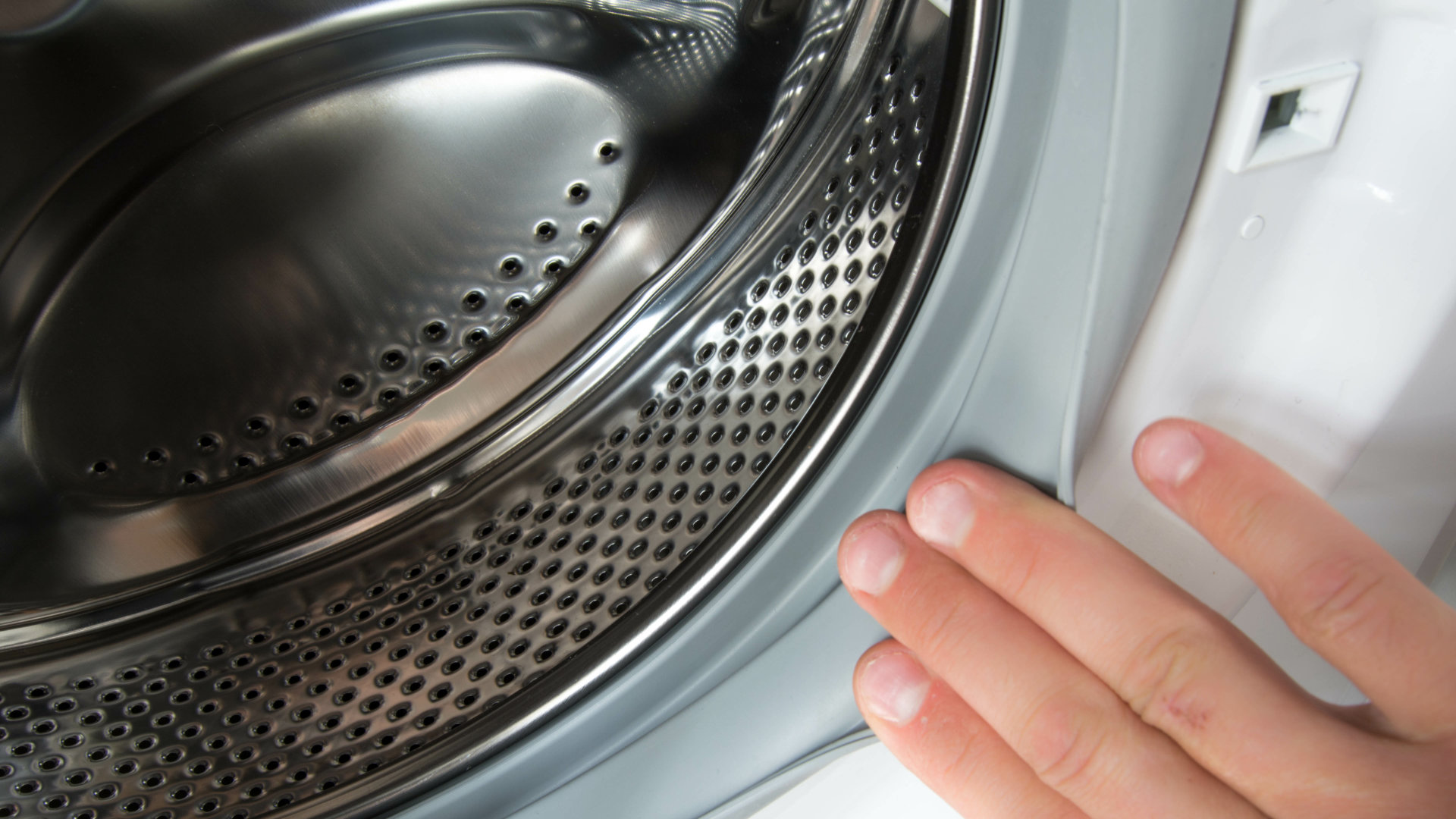
Soap residue can build up inside the drum and hoses. Run an empty cycle with hot water and 2 cups of white vinegar or a washer cleaner tablet. Do not add detergent. This helps remove hidden soap scum.
Inspect The Pressure Sensor
If you are comfortable with DIY repairs, check the foam/pressure sensor for blockages or damage. If you’re not sure, call a professional technician.
Contact Samsung Support
If nothing works, your washer may need service. Call Samsung’s official support or a certified repair center. You can find contact details on Samsung’s official website or your product manual.
Real-world Example: Sud Code Troubleshooting
Let’s walk through a common scenario:
Sarah, a busy parent, washes her family’s clothes every day. She starts noticing the SUD code almost every other load. She tries using less detergent, but the problem continues. She checks the filter and finds it packed with lint and a few small coins.
After cleaning it, the SUD code disappears.
Problems like the SUD code often have more than one cause. Always check both detergent use and washer maintenance.
Credit: applianceexpresstx.com
Samsung Washer Sud Code Vs. Other Error Codes
It’s easy to confuse the SUD code with other washer errors. Here’s how the SUD code compares to some common Samsung washer error codes:
| Error Code | Meaning | Action Needed |
|---|---|---|
| SUD | Too many suds (foam) | Wait, reduce detergent, clean filter |
| OE | Drain error | Check drain hose, clean filter |
| LE | Water leak detected | Inspect hoses, call service |
| UE | Unbalanced load | Redistribute laundry, restart |
| HE | Heater error | Call technician |
Remember, the SUD code is not a sign of a broken machine but a warning to adjust your laundry habits.
When To Call A Professional
Most SUD code problems can be fixed at home. However, there are times when you need expert help:
- The code appears every wash, even with minimal detergent and a clean filter.
- The washer stops mid-cycle and won’t restart.
- You smell burning or see water leaks.
- There are other error codes along with SUD.
A certified technician can check sensors, control boards, and wiring. If your washer is under warranty, repairs may be covered.
Tips For Eco-friendly Laundry (and Fewer Sud Codes)
Reducing suds not only helps your washer but also benefits the environment. Here are some eco-friendly tips:
- Use cold water – Most detergents work well in cold water, saving energy.
- Choose concentrated HE detergents – They clean better with less waste.
- Skip fabric softener – Many softeners are not HE-friendly and can cause suds.
- Wash full loads – Fewer, larger loads use less water and detergent per item.
- Air dry when possible – Reduces wear on clothes and saves electricity.

What Manufacturers And Experts Say
Samsung and other leading brands emphasize the importance of using the right detergent and regular maintenance. According to the official Samsung support page, “Using non-HE detergent or too much detergent can cause excessive suds, which may affect washing performance and machine longevity. ”
Independent laundry experts also warn against overusing soap. Studies show that up to 60% of people use too much detergent, causing more problems than benefits. For more in-depth technical details, you can also visit this Samsung Support page.
Frequently Asked Questions
What Does The Sud Code Mean On My Samsung Washer?
The SUD code means your washer has detected too many soap bubbles (suds) inside the drum. The machine pauses the cycle to break down the foam and will resume once the suds are under control. It’s a protective step, not a sign of major failure.
Can I Ignore The Sud Code And Keep Using My Washer?
It’s not a good idea to ignore the SUD code. Repeatedly washing with too many suds can damage your washer, waste water, and leave soap residue on your clothes. Always reduce detergent use and clean the filter if the SUD code appears.
How Often Should I Clean The Drain Filter On My Samsung Washer?
You should clean the drain filter every 1–3 months, depending on how often you use your washer. Regular cleaning helps prevent the SUD code and protects the washer from blockages.
Does Fabric Softener Cause The Sud Code?
Yes, some fabric softeners can cause extra suds, especially if they’re not HE-compatible. Use only small amounts and look for HE-labeled softeners to avoid triggering the SUD code.
What Should I Do If The Sud Code Keeps Coming Back?
If the SUD code appears often, check that you’re using the right type and amount of detergent, clean the drain filter, and consider the water softness in your area. If you’ve tried all these steps and the problem continues, contact a professional technician to check for sensor or control board issues.
Understanding and fixing the Samsung Washer SUD code is straightforward when you know what causes it and how to respond. By using the right detergent, measuring carefully, and keeping your machine clean, you can avoid most SUD code problems and keep your laundry routine simple and stress-free. Remember, small changes in your laundry habits can make a big difference for your clothes, your washer, and your wallet.