
When you invest in a Cummins standby generator, you expect peace of mind during power outages. These generators are known for their strength, reliability, and advanced engineering. Still, like all machines, they can develop problems. If not addressed early, small issues can turn into serious failures leaving you in the dark when you need power most. Understanding common problems and knowing how to handle them is critical for both homeowners and businesses.
This article explains the typical problems with Cummins standby generators, how to diagnose them, and what you can do to prevent them. Whether you are a facility manager, a business owner, or a homeowner, you’ll find practical advice, real-world examples, and non-obvious tips that most beginners miss.
Let’s make sure your generator is always ready when you need it.
What Makes Cummins Standby Generators Unique?
Cummins is a respected name in the generator world. Their standby generators are designed to start automatically when the main power fails. They use liquid-cooled engines, advanced digital controllers, and can run on natural gas or propane.
But What Sets Them Apart?
- Smart monitoring: Many models connect to the internet for remote status updates.
- Quiet operation: Special sound enclosures reduce noise.
- Automatic self-testing: Weekly or monthly self-tests spot issues early.
Yet, even with these features, certain problems are more common than owners expect.
Common Cummins Standby Generator Problems
Understanding common issues helps you react quickly. Here are the problems most often seen in Cummins standby generators:
Failure To Start
Nothing is more frustrating than a generator that won’t start during an outage. This issue can be caused by:
- Dead battery: Batteries lose charge over time or due to cold weather.
- Low fuel: Natural gas or propane supply may be interrupted.
- Faulty starter motor: Wear and tear can cause failure.
- Control board errors: Digital controllers may need resetting.
Real-world Example
A factory in Texas installed a Cummins 60kW generator. During a storm, it failed to start. The problem? The battery charger was unplugged for months, slowly draining the battery.
Test the battery voltage every 6 months and check the charger’s connection.
Engine Stops Unexpectedly
Sometimes, the generator starts but shuts down after a few minutes. Reasons include:
- Low oil pressure: Modern generators have sensors to protect the engine.
- Overheating: Blocked air intake or coolant leaks are common culprits.
- Faulty sensors: A bad sensor can trigger a false shutdown.
Practical Insight
Many beginners overlook the air filter. If it’s clogged, the engine may overheat or stall. Replace the air filter every year, even if it looks clean.
No Power Output
The engine runs, but your home or business remains dark. Causes may be:
- Tripped circuit breaker: The breaker might trip if there’s a short circuit or overload.
- Transfer switch failure: This device moves power from the grid to your generator.
- Loose wiring: Vibrations can loosen connections over time.
Alarms And Error Codes
Modern Cummins generators show error codes on the display. Common codes include:
- Low coolant: Means the engine may overheat.
- Overcrank: The generator tried to start too many times and failed.
- High temperature: Indicates a cooling system problem.
Non-obvious Tip
Write down the code and look it up in your manual. Don’t clear the alarm until you know the cause.
Fuel System Problems
Cummins standby generators often run on natural gas or propane. Fuel system issues include:
- Gas leaks: Can be dangerous and prevent starting.
- Blocked fuel lines: Dirt or rust can clog lines.
- Low pressure: The supply from the utility may be inconsistent.
Excessive Noise Or Vibration
Extra noise or shaking is a sign of trouble. Common reasons:
- Loose mounting bolts
- Worn engine mounts
- Fan or belt problems
Control Panel Malfunctions
The control panel is the “brain” of your generator. Problems here can cause:
- Display errors
- Unresponsive controls
- Loss of remote monitoring
In some cases, a simple software update or reset will solve the problem.
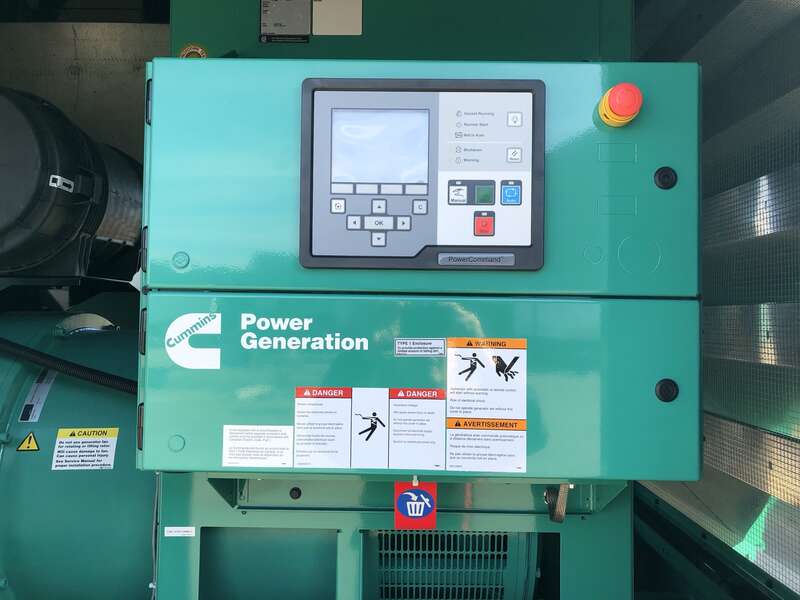
Troubleshooting Your Cummins Generator: Step-by-step
If your generator develops a problem, follow a logical process to diagnose it. Here’s a practical guide:
Step 1: Visual Inspection
- Check for oil, coolant, or fuel leaks.
- Look for loose wires, broken parts, or corrosion.
- Inspect the battery terminals for dirt or corrosion.
Step 2: Review The Display Panel
- Note any error codes or warning lights.
- Check the event log if your model has one.
Step 3: Test The Battery
- Measure voltage with a multimeter. It should be around 12.6V (for a 12V system).
- Clean the terminals and tighten connections.
Step 4: Check Fuel Supply
- Make sure the gas valve is open.
- Listen for the sound of gas flow.
- If using propane, check the tank gauge.
Step 5: Examine Air And Oil Filters
- Replace if dirty or past service interval.
- Use only Cummins-approved filters to avoid warranty issues.
Step 6: Inspect Circuit Breakers And Transfer Switch
- Reset tripped breakers.
- Manually test the transfer switch if safe to do so.
Step 7: Restart And Observe
- Run the generator for 10–15 minutes.
- Watch for leaks, smoke, or abnormal noises.
Step 8: Call A Technician If Needed
If the problem remains, contact a Cummins-certified technician. DIY repairs on sensitive electronics or fuel systems can be dangerous.
Data: Most Common Cummins Generator Problems
To show which issues are most frequent, here’s a table based on service reports from commercial and residential users:
| Problem | Percentage of Cases | Typical Repair Time |
|---|---|---|
| Battery failure | 27% | 1–2 hours |
| Fuel system issues | 18% | 2–4 hours |
| Transfer switch failure | 14% | 2–6 hours |
| Sensor/alarm errors | 13% | 1–3 hours |
| Control panel faults | 11% | 1–3 hours |
| Overheating | 9% | 2–5 hours |
| Other mechanical issues | 8% | 3–8 hours |
You’ll notice battery and fuel system problems make up almost half of all cases.
Preventive Maintenance: Reducing Generator Problems
Regular maintenance is the key to fewer breakdowns. Many generator owners skip simple checks leading to expensive repairs. Here’s what you should do:
Weekly
- Check the display for alerts or warnings.
- Listen for unusual noises during the self-test.
Monthly
- Inspect oil and coolant levels.
- Check the battery charger and cables.
- Verify the area around the generator is clear.
Every 6 Months
- Test the battery voltage and load.
- Replace air filter if needed.
- Inspect fuel lines and connections.
Yearly
- Change engine oil and filters.
- Test the transfer switch.
- Have a Cummins technician perform a full inspection.
Non-obvious Tip
Schedule maintenance just before your region’s worst weather season. Service calls skyrocket during storms—so plan ahead.
Comparing Cummins Standby Generator Problems To Other Brands
How do Cummins generators stack up against other top brands like Generac or Kohler when it comes to reliability and typical problems?
| Brand | Most Common Problem | Average Annual Repair Cost | Typical Lifespan |
|---|---|---|---|
| Cummins | Battery failure | $200–$400 | 20–25 years |
| Generac | Control board errors | $180–$350 | 18–22 years |
| Kohler | Fuel system leaks | $220–$450 | 20–25 years |
Cummins generators are generally reliable, but battery issues are their weak point. Generac models are more likely to have electronic errors, while Kohler has more fuel line problems.
Real-world Troubleshooting Scenarios
Let’s break down a few scenarios you might face with your Cummins generator.
Scenario 1: Generator Runs But No Power To House
Possible causes:
- Transfer switch failure
- Main circuit breaker tripped
- Loose output wiring
What to do:
- Check the generator’s output breaker.
- Inspect the transfer switch (if comfortable).
- If you find loose wires, call a licensed electrician.
Scenario 2: Generator Starts And Then Shuts Down
Possible causes:
- Low oil pressure
- Overheating
- Faulty sensor
What to do:
- Check oil and coolant levels.
- Clean air filter.
- If error persists, contact a Cummins service provider.
Scenario 3: Error Code 1100 (overcrank)
Possible causes:
- Out of fuel
- Blocked fuel line
- Weak battery
What to do:
- Refill fuel.
- Inspect for leaks or blockages.
- Test battery voltage.
Scenario 4: Generator Makes Loud Knocking Noise
Possible causes:
- Loose engine mounts
- Damaged internal part
- Insufficient lubrication
What to do:
- Stop the generator immediately.
- Inspect mounting bolts.
- Check oil level.
- Call for professional help if noise continues.
Scenario 5: Remote Monitoring Not Working
Possible causes:
- Internet outage
- Software glitch
- Control panel problem
What to do:
- Restart the router.
- Update firmware.
- Reset the control panel.
Understanding Cummins Error Codes
Cummins standby generators use a series of error codes to help diagnose problems. Here’s a quick reference for some common ones:
| Error Code | Meaning | Action Required |
|---|---|---|
| 1100 | Overcrank | Check fuel supply, battery |
| 1201 | Low oil pressure | Add oil, check for leaks |
| 1300 | High coolant temperature | Check coolant, clean radiator |
| 1505 | Low battery voltage | Charge or replace battery |
| 1900 | Overload | Reduce load, check wiring |
Always consult your model’s manual for the full code list.
When To Call A Professional
Some Cummins generator problems are simple enough for a handy owner to fix, like replacing a battery or cleaning filters. Others require expert help. Call a technician if:
- You see fuel or oil leaks
- The generator won’t start after basic checks
- There are persistent error codes
- You’re unsure about electrical or fuel connections
Non-obvious insight: Attempting complex repairs yourself can void your warranty. Always use a Cummins-certified service provider for major issues.
Common Mistakes Owners Make
Even well-meaning owners can make mistakes that lead to generator trouble:
- Ignoring service schedules: Skipping maintenance is the number one cause of failures.
- Letting batteries age: Replace batteries every 2–3 years, even if they seem fine.
- Covering or blocking vents: Generators need airflow to stay cool.
- DIY wiring: Unlicensed electrical work is dangerous and often illegal.
- Not testing under load: Run the generator with actual house loads during tests.
Protecting Your Generator From Weather
Extreme weather can cause unique problems. For example:
- Flooding: Elevate the generator to avoid water damage.
- Snow and ice: Clear away snow buildup from vents and exhaust.
- High heat: Shade the unit and check coolant more often.
Simple steps, like building a small shelter or using a factory enclosure, can extend the life of your generator.
Cost Of Repairs And Ownership
Owning a Cummins standby generator involves more than just the purchase price. Here’s what to expect for common repairs:
- Battery replacement: $100–$250
- Annual maintenance: $200–$400
- Major repair (fuel or transfer switch): $500–$2,000
Most owners find that regular maintenance is much cheaper than emergency repairs. According to industry data, neglected generators are 3x more likely to fail during an outage.
Upgrades That Help Avoid Problems
Certain upgrades can make your Cummins generator more reliable:
- Automatic battery chargers keep batteries topped up.
- Remote monitoring kits send alerts to your phone.
- Cold weather kits prevent battery and oil problems in winter.
- Surge protectors shield the control panel from power spikes.
These add-ons cost extra but can reduce breakdowns.
Why Professional Installation Matters
A key reason for generator problems is poor installation. Always use an authorized dealer who understands:
- Proper fuel line sizing
- Correct electrical wiring
- Adequate ventilation
- Building codes and permits
Well-installed generators have fewer issues and last longer.
Tips For New Cummins Generator Owners
If you just installed a Cummins standby generator, here’s how to get the best performance:
- Read the owner’s manual carefully.
- Register your unit for warranty coverage.
- Schedule the first maintenance after 25–50 hours of use.
- Keep a log of all tests, errors, and repairs.
- Store the contact info of your local Cummins service provider.
Where To Find Reliable Support
For official troubleshooting guides, manuals, and service locations, visit the Cummins Power Generation website. Many owners also use online forums or YouTube for DIY tips, but always double-check advice with the manufacturer.
If you want to understand more about backup generators and their importance, you can visit the Wikipedia Standby Generator entry for a deeper overview.
Frequently Asked Questions
Why Does My Cummins Standby Generator Keep Draining Its Battery?
Frequent battery drain is often due to a faulty charger, parasitic electrical draw, or old batteries. Make sure the charger is always plugged in, and replace batteries every 2–3 years.
What Does The “overcrank” Error Mean On My Cummins Generator?
The “overcrank” error means the generator tried to start several times and failed. Causes include low fuel, a weak battery, or a blocked fuel line. Check fuel supply and battery first.
How Often Should I Service My Cummins Standby Generator?
Cummins recommends basic checks every month and full service once a year. In high-usage areas or harsh climates, service may be needed more often.
Can I Run My Cummins Generator In Freezing Temperatures?
Yes, but use a cold weather kit to prevent battery and oil problems. Always clear snow and ice from the vents and exhaust.
Is It Safe To Repair My Cummins Generator Myself?
Simple tasks like checking oil or replacing air filters are safe for most owners. For fuel, electrical, or control panel problems, always call a licensed Cummins technician to avoid injury and keep your warranty valid.
Cummins standby generators offer outstanding protection against power outages, but they require attention and care. By understanding common problems, following a good maintenance schedule, and knowing when to call for help, you can keep your generator running for decades. Don’t wait for an emergency—start with a quick checkup today.