
When you finish painting a door, you expect it to look fresh and smooth. But sometimes, after the paint dries, the door starts sticking. It can be annoying—maybe the door squeaks, won’t close fully, or you have to push hard just to open it. Many homeowners face this problem, and it can happen with both interior and exterior doors. Understanding why doors stick after painting and how to fix it can save you time, effort, and frustration. Let’s explore the causes, solutions, and prevention tips, so your doors open and close with ease.
Why Do Doors Stick After Painting?
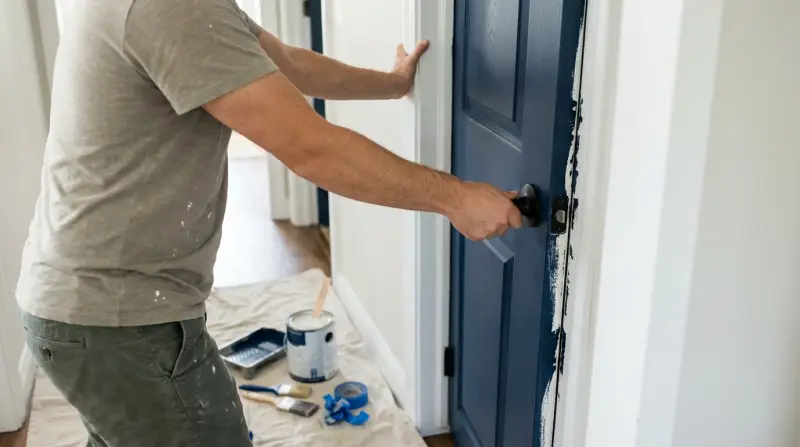
A door sticking after painting is a common problem, but the reasons are not always obvious. The main causes include:
- Paint thickness: If paint is applied too thickly, it can create extra layers that rub against the door frame.
- Incomplete drying: Paint needs time to fully cure. If you use the door before the paint is hard, it can stick.
- Humidity and moisture: High humidity can make wood swell, especially after painting.
- Wrong paint type: Some paints are not made for doors; using the wrong kind can cause sticking.
- Paint on hinges or hardware: If paint gets on metal parts, it can cause friction.
Let’s look at these problems in more detail.
Paint Thickness
Applying too much paint is a common mistake. When you use a brush or roller and add several coats without letting each dry fully, the paint builds up. Extra layers on the edges of the door, especially, can cause friction. Even a small amount of extra paint can make the door harder to open or close.
Incomplete Drying
Paint needs more than just a few hours to dry. Most latex paints take 24 hours to dry to the touch, but curing (fully hardening) can take up to 30 days. Oil-based paints can take even longer. If you close the door before the paint cures, it can stick to the frame or weatherstripping.
Humidity And Moisture
Wood doors absorb moisture from the air. Painting seals the wood, but high humidity can still make it swell. If the door was painted during humid weather, or if it’s an exterior door exposed to rain, it can expand and stick.
Wrong Paint Type
Some paints are made for walls, not for doors. Using interior wall paint on a door can cause problems because it’s not designed for frequent touching or friction. Always use paint labeled for doors, trim, or furniture.
Paint On Hinges Or Hardware
It’s easy for paint to get on hinges, latches, or handles. Even a small amount can cause the door to stick or squeak. Make sure these parts are masked or removed before painting.
Signs That Your Door Is Sticking
How do you know if your door is sticking because of paint? Look for these clues:
- Door won’t open or close smoothly
- Paint marks on the frame
- Squeaking or scraping sounds
- Visible paint buildup along the edges
- Door feels heavy or resists movement
Sometimes, you’ll see paint peeling or rubbing off along the edges where the door sticks. This is a clear sign that the paint is causing friction.
How To Fix A Door That Sticks After Painting
Solving a sticking door is possible with the right steps. Here’s a practical guide:
1. Identify The Problem Areas
Open and close the door slowly. Look for spots where the door rubs against the frame. Check for paint buildup on the edges, hinges, or weatherstripping.
2. Remove Excess Paint
If you see thick paint on the edges:
- Use a utility knife or sandpaper to gently remove excess paint.
- Work slowly to avoid damaging the wood underneath.
- Wipe away dust with a damp cloth.
3. Sand The Edges
Sanding smooths out rough or sticky spots:
- Use medium-grit sandpaper (100–150 grit).
- Sand along the edge of the door where it sticks.
- Keep the sanding even, focusing only on problem areas.
4. Check The Hinges
Paint on hinges can cause sticking. If you see paint on metal parts:
- Remove the hinge pins.
- Clean the hinges with a solvent or scrape off paint.
- Reinstall the hinges.
5. Repaint Carefully
If you remove too much paint, you might need to repaint:
- Use a small brush to touch up spots.
- Apply thin, even coats.
- Allow paint to cure fully before closing the door.
6. Adjust The Door
Sometimes, the door needs minor adjustments:
- Tighten loose screws on hinges.
- If the door is still sticking, remove the door and plane the edge slightly.
- Reinstall the door and check for smooth movement.
7. Use Wax Or Lubricant
For minor sticking, applying wax can help:
- Rub a paraffin wax or bar soap along the edge.
- Open and close the door to spread the lubricant.
8. Let The Paint Cure
If you’ve just painted, wait longer before using the door. Give the paint time to harden. Sometimes, patience is the best solution.
Preventing Door Sticking After Painting
Stopping the problem before it starts is easier than fixing it later. Here’s how to prevent doors from sticking after painting:
1. Prep The Door Properly
Remove the door from the frame if possible. Lay it flat on sawhorses or a work table. Remove or cover hardware, hinges, and handles.
2. Use The Right Paint
Pick paint made for doors and trim. It should be durable, resist friction, and cure hard. Semi-gloss or gloss finishes are best for doors.
3. Apply Thin, Even Coats
Don’t rush. Apply thin coats and let each dry before adding another. This prevents buildup, especially at the edges.
4. Avoid Painting Edges
If you want to avoid sticking, don’t paint the edge that touches the frame. Focus on the front and back surfaces.
5. Let Paint Cure Fully
After painting, wait at least 24–48 hours before reinstalling the door. For best results, wait 5–7 days or until the paint is fully cured.
6. Check Weather Conditions
Paint during dry weather. Avoid painting when humidity is high, as it can slow drying and cause wood to swell.
7. Mask Or Remove Hardware
Cover hinges, handles, and locks with painter’s tape, or remove them before painting. This prevents paint from causing friction.

Common Mistakes When Painting Doors
Many people make mistakes that lead to sticking doors. Avoid these pitfalls:
- Painting the door while it’s hanging
- It’s tempting to paint the door in place, but this makes it hard to avoid thick edges.
- Not masking hardware
- Paint on hinges and handles can cause sticking and squeaking.
- Using wall paint
- Wall paint is too soft for doors.
- Applying thick coats
- Thick paint slows drying and causes friction.
- Skipping sanding
- Sanding before painting gives a smooth finish and better adhesion.
Comparing Paint Types For Doors
Choosing the right paint is crucial. Here’s a comparison of common paint types:
| Paint Type | Best For | Drying Time | Durability | Sticking Risk |
|---|---|---|---|---|
| Latex (Acrylic) | Interior Doors | 1–2 hours (touch), 30 days (cure) | Medium | Moderate |
| Oil-Based | Exterior Doors | 6–8 hours (touch), 7 days (cure) | High | Low |
| Enamel | Trim & High-Traffic Doors | 2–4 hours (touch), 14 days (cure) | Very High | Low |
Enamel paints are best for doors because they cure hard and resist sticking.
Door Types And Their Sticking Risk
Not all doors have the same risk of sticking after painting. Here’s how different door types compare:
| Door Type | Material | Sticking Risk | Best Paint |
|---|---|---|---|
| Solid Wood | Wood | High | Oil-Based/Enamel |
| Hollow Core | Wood Composite | Medium | Latex/Enamel |
| Metal | Steel/Aluminum | Low | Enamel |
| Fiberglass | Fiberglass | Low | Latex/Enamel |
Solid wood doors are most likely to stick, especially in humid conditions.
Weather And Door Sticking: Data Insights
Weather plays a big role. According to the National Painting Contractors Association, doors painted in humidity above 60% are twice as likely to stick. In very humid climates, wood doors can expand up to 3mm—enough to cause problems.
Use a hygrometer to check humidity before painting. If possible, paint when humidity is below 50%.
Drying Vs. Curing: What’s The Difference?
Many people confuse drying and curing. Drying means the paint is no longer wet to the touch. Curing means the paint has fully hardened and reached its maximum durability. A door may feel dry after a few hours, but curing can take days or weeks.
Comparison Table: Drying Vs. Curing
| Process | Time | Effect | Risk if Used Early |
|---|---|---|---|
| Drying | 1–8 hours | Surface dry | Sticking, marks, smudges |
| Curing | 7–30 days | Fully hard | None, paint resists friction |
Never reinstall or use a door until the paint is cured.
Real-life Example: Fixing A Sticking Door
Let’s look at a true scenario. Sarah painted her bedroom door with latex paint. She waited 12 hours and then closed the door. The next morning, it was stuck. She found paint marks on the frame and a rough edge.
Her solution:
- Sanded the edge with 120-grit sandpaper.
- Cleaned hinges with a cloth.
- Applied a thin coat of enamel paint to the sanded area.
- Left the door open for 3 days to cure.
After this, the door opened smoothly. Sarah learned to wait longer and use enamel paint for better results.

Advanced Fixes: When Basic Methods Fail
Sometimes, sanding and cleaning aren’t enough. For severe sticking:
Planing The Door
If sanding doesn’t work, use a hand plane:
- Remove the door from hinges.
- Use the plane to shave a small amount from the edge.
- Sand smooth and repaint the edge.
Don’t remove too much material. Shave only as much as needed for a smooth fit.
Replacing Weatherstripping
Doors with weatherstripping can stick if paint builds up. Remove old weatherstripping and replace with new, thinner material.
Adjusting Door Alignment
If the door sticks even after fixing paint, check alignment:
- Tighten or replace screws on hinges.
- Shim the hinges if needed.
- Realign the door in the frame.
How Often Does Door Sticking Happen?
A survey by Home Improvement Research Institute found that 14% of homeowners experienced door sticking after painting. The problem is more common with solid wood doors and in older homes.
Expert Tips For Smooth Door Painting
- Use a foam roller for a smooth finish.
- Paint in the direction of the grain for wood doors.
- Don’t overload the brush or roller.
- Check edges for drips after each coat.
- Store doors flat while drying, if possible.
Non-obvious Insights Most Beginners Miss
- Paint can shrink as it cures. This means a door may stick at first, but become loose after a week. Don’t rush to sand or plane if the sticking is minor.
- Hinges can shift during painting. When you remove a door, hinges may move slightly, changing alignment. Always check door fit after reinstalling.
- Humidity in the room matters as much as weather outside. If you paint in a bathroom or kitchen, moisture in the air can slow curing and increase sticking risk.
- Paint buildup often happens at the bottom edge. Gravity causes paint to settle and drip, making the bottom more likely to stick.
Door Sticking And Paint Quality
Low-quality paints are more likely to cause sticking. Premium paints cure faster and resist friction better. Look for paints with:
- High solids content (more pigment, less filler)
- Low VOCs (safer and faster curing)
- Label for doors and trim
When To Call A Professional
If you’ve tried sanding, cleaning, and adjusting, but the door still sticks, it may be time to call a professional. Contractors have tools like planers and know how to fix alignment issues. They can also repaint the door correctly.
The Role Of Primer
Using a primer before painting can reduce sticking. Primer seals the wood, creates a smooth surface, and helps paint adhere better. Always use a primer for bare wood doors.
How To Paint A Door Without Sticking: Step-by-step
Here’s a simple guide:
- Remove the door and lay flat.
- Remove or mask hardware.
- Sand the surface and edges.
- Apply primer and let dry.
- Paint with thin, even coats.
- Avoid painting the edge that touches the frame.
- Let paint cure for 5–7 days.
- Reinstall the door.
Paint Brands That Reduce Sticking
Some brands are better for doors. Try:
- Benjamin Moore Advance
- Sherwin-Williams ProClassic
- Behr Premium Enamel
These paints cure hard and resist sticking.
How To Avoid Paint On Hinges
- Use painter’s tape to cover hinges.
- Remove hinges if possible.
- Paint carefully around hardware with a small brush.
Door Sticking In Different Climates
In humid states like Florida, door sticking is more common. In dry states like Arizona, the problem is rare. Adjust your painting schedule based on local weather.
Cleaning Up After Fixing A Sticking Door
After sanding or planing, clean all dust with a vacuum and damp cloth. Repaint any bare spots with a small brush. Let paint cure before closing the door.
How Long Should You Wait Before Closing A Painted Door?
For latex paints, wait at least 48 hours. For oil-based paints, wait 5–7 days. For enamel, wait 7 days. If possible, leave the door open longer for best results.
Quick Solutions For Minor Sticking
If a door sticks slightly:
- Rub wax or soap on the edge.
- Open and close the door several times.
- Try a small amount of lubricant on the hinges.
Related Problems: Paint Peeling And Chipping
Sticking can lead to paint peeling or chipping. If you see this, sand the edge, clean, and touch up with matching paint.
Long-term Maintenance
To keep doors moving smoothly:
- Inspect doors yearly for sticking.
- Touch up paint as needed.
- Keep humidity low indoors.
Professional Resources
For more expert tips, see the This Old House guide.
Frequently Asked Questions
Why Does My Door Stick Only In The Summer?
Summer brings higher humidity, which makes wood swell. If you painted the door in dry weather, it might fit perfectly then, but stick during humid months.
Can I Fix A Sticking Door Without Removing It?
Yes, you can sand the edges or use wax while the door is hanging. But for best results, remove the door and work flat.
Is It Safe To Use Lubricants Like Wd-40 On A Painted Door?
WD-40 is safe for hinges but may damage paint if used on edges. Use paraffin wax or bar soap instead for painted surfaces.
What’s The Best Paint Finish For Doors?
Semi-gloss or gloss finishes are best. They cure hard, resist friction, and are easy to clean.
How Do I Know If The Paint Is Fully Cured?
Paint is fully cured when it feels hard, has no tackiness, and resists scratches. For latex, this is usually 30 days; for enamel, about 14 days; for oil-based, 7 days.
Painting doors can improve your home’s look, but door sticking is a common challenge. With the right prep, paint, and patience, you can avoid problems and enjoy smooth, easy-to-use doors. Whether you fix a sticking door or prevent it from happening, these tips will help you get the best results.