
When people discuss affordable shotguns, the Yildiz shotgun name often comes up. Manufactured in Turkey, Yildiz shotguns are popular for their attractive price, light weight, and good looks. Many hunters and sport shooters, especially in Europe and the United States, choose Yildiz as their first over/under or side-by-side shotgun. But like any mass-produced firearm, Yildiz shotguns have their own set of problems and quirks. Understanding these issues helps buyers make informed decisions and existing owners avoid frustration.
This article explores the most common Yildiz shotgun problems, their causes, and practical solutions. Whether you already own a Yildiz, are considering buying one, or want to learn more about shotgun reliability, this guide will give you clear, actionable information.
Yildiz Shotgun Overview
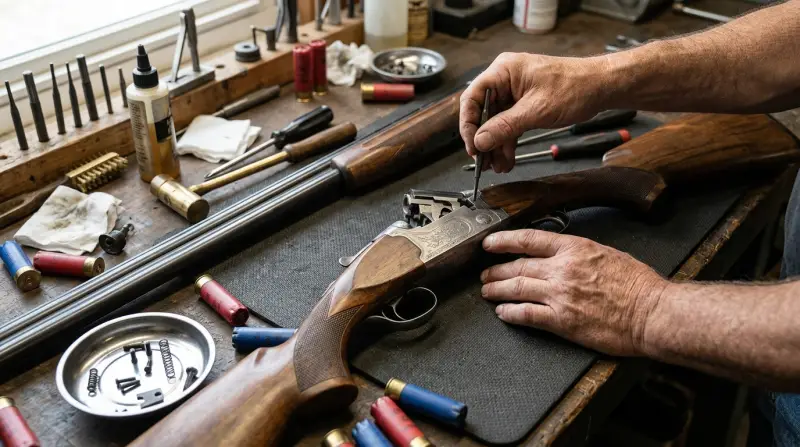
The Yildiz brand was established in 1974 in Burdur, Turkey. Over the years, Yildiz has become one of the largest shotgun producers in the world. The company exports to over 70 countries, with a significant presence in the UK and US, especially through retailers like Academy Sports + Outdoors.
Yildiz makes several shotgun models, including:
- SPZ ME: Over/under, available in various gauges
- SPZ SM: Side-by-side, classic style
- 410G: Small gauge, popular for beginners
- Single Barrel: Simple and lightweight
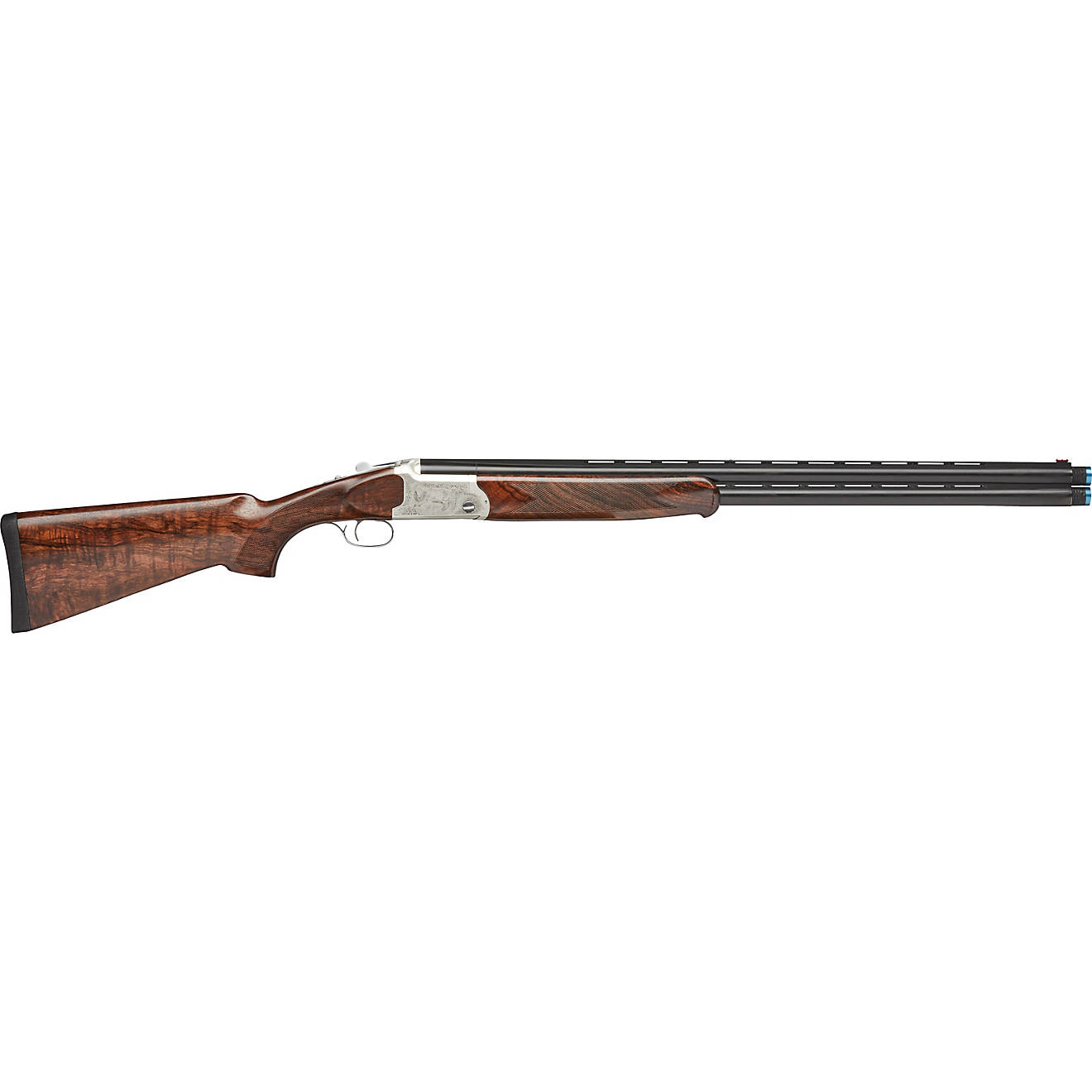
Most Yildiz shotguns use aluminum alloy receivers to keep them light, making them easy to carry in the field. Their affordable price, often 30–50% less than competitors, is their main selling point.
However, the lower price comes with compromises in materials and quality control. Understanding these trade-offs is key to having a good ownership experience.
Common Yildiz Shotgun Problems
Yildiz shotguns face several problems that buyers should know about. Some are minor annoyances, while others can affect reliability or safety. The most reported issues include:
- Light Firing Pin Strikes
- Loose or Wobbly Forend
- Ejector Failures
- Soft Receiver Material
- Poor Wood Finish
- Difficult Reassembly
- Trigger Issues
- Barrel Regulation Problems
- Choke Tube Fit
- Parts Availability
Each of these problems is explained below, along with causes, solutions, and real-world examples.
Light Firing Pin Strikes
One of the most frequent complaints about Yildiz shotguns is light primer strikes. This means the firing pin does not hit the shell’s primer hard enough, resulting in a misfire.
Causes
- Weak Hammer Springs: Yildiz uses lighter springs to reduce recoil and make the action smoother, but sometimes they are too weak.
- Short Firing Pins: The firing pin may not travel far enough due to manufacturing tolerances.
- Debris: Dirt or old oil can slow the firing pin.
- Soft Alloy Receivers: Over time, the area behind the firing pin can deform, reducing impact.
Solutions
- Replace Hammer Springs: Aftermarket springs (from gunsmiths or online) can give stronger strikes.
- Clean the Action: Regular cleaning removes buildup that can slow the firing pin.
- Check Firing Pin Protrusion: A gunsmith can measure and replace the firing pin if needed.
- Use Quality Ammo: Cheap shells sometimes have hard primers, making the problem worse.
Real Example
Many US owners report misfires with low-cost shells like Winchester Super Target. Switching to better ammo or replacing springs often solves the problem.
Loose Or Wobbly Forend
A loose forend is another common issue, especially after a year or two of use. The forend is the wooden piece under the barrels; it locks the barrels to the receiver.
Causes
- Soft Wood: The forend wood can compress or wear down.
- Wear on Metal Lug: The metal piece that locks the forend can wear, especially with heavy use.
- Loose Forend Screw: The screw inside the forend can loosen with recoil.
Solutions
- Tighten the Forend Screw: Check and tighten it regularly.
- Use Wood Hardener: Applying a wood hardener can reduce compression.
- Gunsmith Adjustment: A gunsmith can fit the forend tighter by shimming or replacing worn parts.
Non-obvious Insight
Don’t overtighten the forend screw. This can crack the wood. Tighten just until snug.
Ejector Failures
Yildiz shotguns with ejectors sometimes fail to eject shells or eject them weakly.
Causes
- Weak Ejector Springs: Light springs are used to keep the gun light.
- Dirt in the Mechanism: Debris can block ejector movement.
- Misaligned Ejector Parts: Manufacturing tolerances can cause parts to rub.
Solutions
- Clean and Oil Ejectors: Regular cleaning prevents most failures.
- Replace Ejector Springs: Heavier springs are available from some gunsmiths.
- Polish Contact Surfaces: Lightly polish with fine sandpaper (or have a gunsmith do it).
Example
Some shooters report that ejector problems are worse in cold weather, as oil thickens and slows parts. Use a thin oil or dry lube for better performance.
Soft Receiver Material
Yildiz uses aluminum alloy receivers to keep weight down. This is fine for low-volume shooting, but with heavy use, the alloy can wear or deform.
Problems Caused
- Loose Lockup: The barrels may not lock tightly after thousands of rounds.
- Deformed Pin Holes: The holes for the firing pin or hinge pin can wear out.
- Finish Wear: The anodized finish can scratch easily.
Solutions
- Limit High-Volume Shooting: Yildiz shotguns are not ideal for heavy clay target shooting.
- Regular Inspection: Check for play in the barrels and action.
- Professional Repair: Some parts can be rebuilt by a gunsmith, but not all.
Non-obvious Insight
If you shoot thousands of shells per year, consider a steel receiver shotgun instead. Aluminum is best for hunting or light sport use.
Poor Wood Finish
The wood on Yildiz shotguns looks beautiful in the store, but owners often find the finish wears quickly.
Causes
- Thin Varnish or Oil: The factory finish is usually very thin.
- Soft Turkish Walnut: Turkish walnut is attractive but often softer than American or European walnut.
Solutions
- Add Extra Finish: Applying more oil or varnish at home can help.
- Use a Gun Sock or Case: Protect the wood during transport and storage.
- Quick Repairs: Small scratches can be fixed with furniture touch-up pens.
Example
Many owners refinish their stocks after one or two seasons to keep them looking good.
Difficult Reassembly
After cleaning, some Yildiz shotguns are hard to reassemble. The forend may not fit easily, or the barrels may be tight.
Causes
- Tight Tolerances: Yildiz fits their guns tightly at the factory.
- Misaligned Parts: Parts can shift during cleaning.
- No Break-In: New guns are often stiff until they are “broken in.”
Solutions
- Check for Proper Alignment: Make sure the action is open and the forend is lined up.
- Apply Grease: Use gun grease on metal-to-metal parts.
- Let the Gun Break-In: After 200–300 shots, parts fit better.
Tip
Never force parts together. If something doesn’t fit, check for dirt or misalignment.
Trigger Issues
Some Yildiz shotguns have heavy or gritty triggers. Others may have a trigger that does not reset for the second shot (in over/under models).
Causes
- Simple Trigger Mechanism: To save cost, the trigger design is basic.
- Lack of Polishing: The trigger and sear may not be polished at the factory.
- Inertia Block Issues: Over/under models use an inertia block to reset the trigger for the second shot. If recoil is light, it may not reset.
Solutions
- Trigger Job: A gunsmith can smooth and lighten the trigger pull.
- Use Heavier Loads: For inertia triggers, use loads with more recoil to ensure reset.
- Dry Fire Practice: Dry firing can smooth out rough triggers over time.
Example
Some. 410 models have the most trouble with trigger reset, since the recoil is light.
Barrel Regulation Problems
Barrel regulation means how well the barrels line up so both hit the same point of aim. Some Yildiz shotguns, especially side-by-side models, have barrels that do not shoot to the same spot.
Causes
- Loose Barrel Assembly: Manufacturing tolerances are not as tight as premium brands.
- Heat Warp: After many shots, the barrels can shift slightly.
Solutions
- Test at the Range: Check each barrel’s point of impact at 25 yards.
- Adjust Chokes or Loads: Sometimes changing choke tubes or ammo can help.
- Professional Barrel Regulation: Only a skilled gunsmith should attempt to bend or adjust barrels.
Non-obvious Insight
Few affordable shotguns have perfect regulation. Test your gun before hunting and learn where each barrel shoots.
Choke Tube Fit
Yildiz uses screw-in choke tubes on most models. Sometimes these fit loosely or become stuck.
Causes
- Soft Threads: Aluminum receivers and thin barrels can lead to thread wear.
- Dirty Threads: Powder residue or rust can seize chokes.
- Mismatched Chokes: Some aftermarket chokes do not fit perfectly.
Solutions
- Clean Choke Threads: Use a brush and oil regularly.
- Hand Tighten Only: Never use tools to overtighten chokes.
- Use Anti-Seize Grease: A small dab prevents stuck chokes.
Example
Some owners have had chokes stick so badly that the barrel had to be replaced. Always check choke tubes after shooting.
Parts Availability
Yildiz shotguns are imported in large numbers, but parts are not widely available outside Turkey and the UK. U.S. owners sometimes struggle to find replacement springs, firing pins, or wood.
Causes
- Limited Importers: Only a few companies bring in Yildiz parts.
- Few Aftermarket Parts: Most parts must come from the factory.
- Model Differences: Small changes between models mean parts do not always interchange.
Solutions
- Order from Retailers: Academy Sports and a few online shops carry some parts.
- Work with a Gunsmith: Some parts can be custom made or adapted.
- Keep Spare Parts: If you find spare springs or pins, buy extras.
Non-obvious Insight
If you plan to keep your Yildiz for many years, consider buying a “parts gun” for spares.
How Yildiz Compares To Other Shotguns
To help put Yildiz in context, here’s a comparison with other entry-level shotguns in the same price range.
| Feature | Yildiz SPZ ME | Stoeger Condor | TriStar Setter | Weatherby Orion |
|---|---|---|---|---|
| Receiver Material | Aluminum Alloy | Steel | Aluminum Alloy | Steel |
| Weight (12ga) | 6.3 lbs | 7.3 lbs | 6.5 lbs | 7.0 lbs |
| Typical Price | $600 | $500 | $600 | $950 |
| Ejectors | Yes (some models) | No | No | Yes |
| Country of Origin | Turkey | Brazil | Turkey | Japan |
Yildiz stands out for its light weight and attractive wood, but durability is lower than steel-receiver guns.
Real-world Owner Experiences
To give a better sense of what living with a Yildiz shotgun is like, here are a few quotes and stories from owners:
- “I bought a Yildiz .410 for my son. It’s perfect for small game, but after 500 rounds, the forend started to wiggle. Tightening the screw fixed it, but I check it every outing now.”
- “My 20 gauge Yildiz had light strikes with cheap shells. After switching to Federal ammo, it’s been flawless.”
- “The wood is beautiful, but after one rainy duck hunt, it needed touch-up. I added Tru-Oil, and now it looks even better.”
- “Parts are hard to find. When my firing pin broke, I had to wait two months for a replacement from the UK.”
- “Reassembly was tough at first, but after 300 rounds, it loosened up and now goes together smoothly.”
These stories highlight that most Yildiz problems are manageable if you know what to expect.
Maintenance Tips For Longer Life
Proper care can prevent many Yildiz shotgun problems. Here are key tips:
- Clean After Every Use: Focus on the action, ejectors, and choke tubes.
- Check Screws and Pins: Tighten as needed, but never overtighten.
- Oil Metal Parts: Use a light gun oil to prevent corrosion, especially on the receiver and under the forend.
- Protect the Wood: Add extra finish if you hunt in wet conditions.
- Store Safely: Use a padded case and keep the gun dry.
- Inspect Regularly: Look for cracks, loose parts, or unusual wear.
- Use Quality Ammo: This reduces misfires and wear.
Advanced Care
If you shoot a lot, consider having a gunsmith check the action and trigger yearly. Small adjustments can prevent bigger problems later.
Is A Yildiz Shotgun Right For You?
Choosing a shotgun depends on your needs and expectations. Here’s a summary to help you decide.
Yildiz Is A Good Fit If:
- You want a lightweight field gun for hunting or casual clays.
- You appreciate attractive wood and good looks.
- You are on a budget but want an over/under or side-by-side.
- You don’t shoot thousands of shells per year.
Yildiz May Not Be Ideal If:
- You plan to shoot heavy target loads or high volumes.
- You want a gun for generations of use.
- You expect perfect reliability out of the box.
- You need easy access to spare parts.
Non-obvious Insight
Many hunters buy a Yildiz as a “second gun” for guests or youth shooters. The light weight and low cost make it less stressful to lend or use in tough conditions.
Table: Yildiz Shotgun Problem Quick Reference
This quick reference table summarizes the most common problems, their impact, and whether a DIY fix is possible.
| Problem | Impact | DIY Fix? | Gunsmith Needed? |
|---|---|---|---|
| Light Firing Pin Strikes | Misfires | Sometimes | Often |
| Loose Forend | Wobble, poor lock-up | Yes | Rarely |
| Ejector Failure | Hard to unload | Yes | Sometimes |
| Trigger Issues | Heavy pull, no reset | Sometimes | Yes |
| Soft Receiver | Wear, loose lock-up | No | Yes |
| Wood Finish Wear | Scratches, water damage | Yes | No |
| Barrel Regulation | Poor accuracy | No | Yes |
| Choke Tube Fit | Loose or stuck chokes | Yes | Rarely |
| Parts Availability | Long downtime | No | No |
What Owners Wish They Knew Before Buying
Many first-time Yildiz buyers are surprised by issues that could have been avoided. Here are two insights often missed:
- Break-In is Real: Yildiz shotguns often need 200–300 rounds to operate smoothly. New guns may feel stiff or hard to open/close. This usually improves with use.
- Not a Lifetime Gun: While attractive, Yildiz guns are not meant to last for decades of hard use. For heavy-duty shooting, investing in a steel-receiver gun pays off.
Practical Troubleshooting Steps
If your Yildiz shotgun develops a problem, use these steps:
- Identify the Symptom: Misfires, tightness, ejection issues, etc.
- Clean Thoroughly: Many issues are caused by dirt or lack of lubrication.
- Check for Loose Screws or Pins: Tighten as needed.
- Test with Quality Ammo: Poor shells can cause misfires or ejection problems.
- Try Simple Fixes: For loose wood or stuck chokes, DIY solutions often work.
- Consult a Gunsmith: For trigger, firing pin, or barrel issues, professional help is best.
- Order Spares in Advance: If you find spare parts, buy them before you need them.
Alternative Shotguns For Comparison
If you are considering other options, here’s a quick look at alternatives in the same price class:
| Shotgun | Key Strength | Key Weakness |
|---|---|---|
| Stoeger Condor | Durable steel receiver | Heavy, stiff triggers |
| TriStar Setter | Value for money | Mixed quality control |
| Weatherby Orion | Excellent reliability | Higher price |
| Yildiz SPZ ME | Light weight, nice wood | Softer receiver, parts issues |
Yildiz Shotgun Support And Warranty
Yildiz shotguns sold in the United States often come with a one-year warranty through Academy Sports + Outdoors. Warranty service usually covers manufacturing defects, but not wear from heavy use or owner mistakes.
What’s Covered
- Broken firing pins (under normal use)
- Faulty triggers (manufacturing defect)
- Bad barrel regulation (rare, but sometimes covered)
What’s Not Covered
- Finish wear
- Cracked wood from over-tightening screws
- Parts worn from heavy use
Getting Service
Contact the retailer or Yildiz importer for warranty claims. Turnaround times can be slow due to shipping and part availability.

Useful Resource
For more on Yildiz history and shotgun basics, see the Yildiz Wikipedia page.
Frequently Asked Questions
What Is The Expected Lifespan Of A Yildiz Shotgun?
With moderate use (300–500 shells per year), a Yildiz shotgun can last 10–15 years before major wear shows up. For heavy clay target shooters, the soft receiver may show wear in as little as 2–4 years. Regular cleaning and gentle use will maximize its life.
Can I Use Steel Shot In My Yildiz Shotgun?
Most modern Yildiz shotguns are proofed for steel shot, but only with the correct choke tubes (usually “cylinder” or “improved cylinder”). Using steel shot with tighter chokes or in older guns can damage the barrels. Always check your manual before using steel shot.
Are Yildiz Shotguns Safe For Beginners?
Yes, Yildiz shotguns are light and easy to handle, making them popular with beginners and youth shooters. However, owners should supervise assembly, cleaning, and check for loose screws or parts regularly to ensure safety.
How Can I Fix A Stuck Choke Tube?
First, soak the choke area in penetrating oil for several hours. Use a choke tube wrench to gently try to remove it. Never force it; if it won’t move, seek a gunsmith’s help. To prevent stuck chokes, always apply a dab of anti-seize grease after cleaning.
Where Can I Find Spare Parts For My Yildiz Shotgun?
In the US, Academy Sports + Outdoors is the main retailer for Yildiz parts. Some online shops carry basics like springs and firing pins. For less common parts, you may need to order from UK or Turkish dealers, or have a gunsmith custom-make them.
Yildiz shotguns offer excellent value for casual shooters and hunters. Knowing the most common problems and their solutions can help you enjoy your shotgun for many seasons. With regular care, most issues are minor and easy to fix. For heavy-duty use or competition, a higher-end steel receiver shotgun may be a better investment.
But for most, the Yildiz delivers reliable performance at a price few others can match.