
Many homeowners and builders ask: “Is PEX safe for drinking water?” As new plumbing materials become popular, safety becomes a top concern. PEX (cross-linked polyethylene) pipes have gained attention due to their flexibility, ease of installation, and cost-effectiveness. But safety, especially for household drinking water, is more important than convenience or price.
This article explores the facts, research, and expert opinions on PEX pipes and their impact on drinking water quality. You’ll learn what PEX is, how it compares to other plumbing materials, what studies say about its safety, and what to consider if you’re thinking about using PEX for your home’s water supply.
What Is Pex?
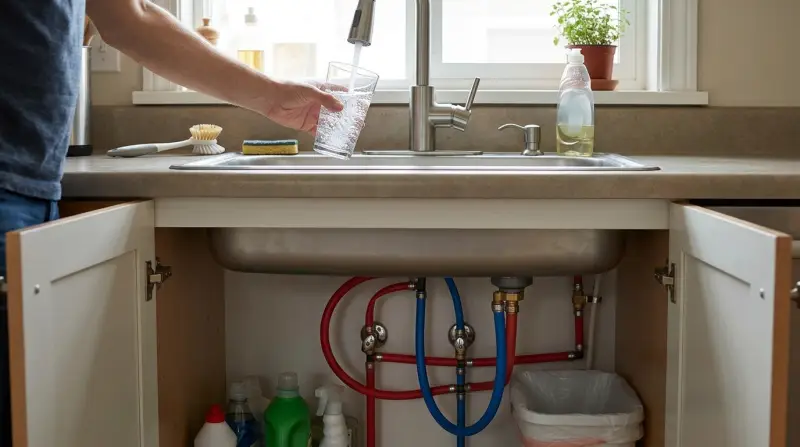
PEX stands for cross-linked polyethylene. It’s a type of plastic pipe made by linking polyethylene molecules in a special way that makes the pipe strong and flexible. PEX has become a popular alternative to copper, PVC, and CPVC pipes for water supply lines in homes and buildings.
Types Of Pex
PEX comes in three main types, based on how the cross-linking is done:
- PEX-a: Uses the “Engel” method, which creates the highest degree of cross-linking. Known for best flexibility and kink resistance.
- PEX-b: Uses silane cross-linking. Slightly stiffer but still flexible and widely used in North America.
- PEX-c: Uses electron beam cross-linking. Least expensive, but less flexible than PEX-a.
Where Pex Is Used
You’ll find PEX pipes in:
- Hot and cold water lines
- Radiant floor heating systems
- Hydronic (water-based) heating
- Some outdoor plumbing
Builders like PEX because it’s easy to install, resists freezing better than rigid pipes, and is less likely to burst.
How Pex Is Made
PEX starts as high-density polyethylene (HDPE). Manufacturers use different methods to “cross-link” the polymer chains. The goal is to make the plastic stronger and more heat-resistant.
- PEX-a: Cross-linked during extrusion using peroxide. Result: even cross-linking and high flexibility.
- PEX-b: Cross-linking happens after extrusion using silane. Slightly uneven, but still strong.
- PEX-c: Uses electron beams to create cross-links. Lower degree of cross-linking, but cost-effective.
Different methods create pipes with slightly different properties, but all types must meet strict plumbing standards.
Safety Standards For Drinking Water Pipes
Plumbing pipes that carry drinking water must meet health and safety standards. In the United States, the main certification is NSF/ANSI 61. This standard checks that pipes and fittings do not leach unsafe levels of chemicals into water.
Key Safety Certifications For Pex
- NSF/ANSI 61: Confirms the pipe is safe for drinking water.
- NSF/ANSI 14: Checks the pipe’s physical strength and durability.
- ASTM F876/F877: Sets technical standards for PEX pipes.
Most PEX pipes sold for home plumbing are certified to these standards. Always check for certification markings on the pipe or ask your plumber.
Pex And Us Building Codes
PEX is approved for use in drinking water systems in all major US plumbing codes:
- International Residential Code (IRC)
- International Plumbing Code (IPC)
- Uniform Plumbing Code (UPC)
Some local codes may have extra rules, but PEX is now widely accepted.
What Does Research Say About Pex Safety?
Researchers have studied PEX pipes to see if they affect water quality or health. Let’s look at what they found.
Chemical Leaching
One concern is that plastic pipes might release chemicals (“leachates”) into water. PEX is made from polyethylene, but additives and manufacturing processes can vary.
- Initial leaching: Some studies show that new PEX pipes can leach small amounts of chemicals, mainly in the first weeks after installation.
- Over time: The amount of chemicals usually drops quickly and levels off at very low levels.
Common leachates from PEX include:
- Toluene
- Methyl tert-butyl ether (MTBE)
- Ethyl-tert-butyl ether (ETBE)
- Various alcohols and aldehydes
Most chemicals are present in extremely small amounts—well below the limits set by the Environmental Protection Agency (EPA).
Taste And Odor
Some users report a plastic taste or odor in water from new PEX pipes. Studies find:
- The taste/odor is strongest in the first weeks after installation.
- Flushing the pipes several times usually removes most of the taste and smell.
- The effect is temporary and not linked to health risks.
Health Risks
So far, research shows that PEX pipes do not pose a significant health risk for drinking water. Studies by government agencies and universities have not found any link between PEX and cancer, reproductive issues, or other health problems.
A study by the US EPA found chemical leaching from PEX pipes is “below levels of concern” for human health.
Chlorine Resistance
PEX pipes are more resistant to chlorine than some other plastic pipes, like polybutylene. Chlorine is often used by water utilities to disinfect water. High chlorine levels can damage some plastics, but PEX resists this better, especially PEX-a.
Comparing Pex To Other Plumbing Materials
How does PEX stack up against other common pipe types for drinking water? Here’s a side-by-side comparison.
| Property | PEX | Copper | PVC/CPVC | Galvanized Steel |
|---|---|---|---|---|
| Flexibility | Very high | None (rigid) | Low (rigid) | None (rigid) |
| Corrosion Resistance | Excellent | Good, but can corrode | Excellent | Poor (rusts over time) |
| Installation Ease | Easy | Medium (soldering) | Easy (glue joints) | Hard (threaded joints) |
| Cost | Low to medium | High | Low | Medium |
| Potential Leaching | Low (initially) | Possible lead/copper | Possible vinyl chloride | Possible lead, rust |
| Service Life | 40–50 years | 50+ years | 40–50 years | 20–50 years |
Key Takeaways
- PEX is more flexible and easier to install than copper or PVC.
- All materials have some risk of leaching, especially when new.
- Copper pipes can leach copper or lead if old solder was used.
- PVC/CPVC can release vinyl chloride, but modern pipes are much safer.
- Galvanized steel is mostly obsolete due to rust and lead concerns.
Non-obvious Insights About Pex And Drinking Water
Most guides mention flexibility and installation ease, but here are two insights many homeowners miss:
1. Water Stagnation Affects Leaching
If water sits in PEX pipes for long periods (overnight or during vacations), the chance of leaching small amounts of chemicals goes up. Running water for a few seconds before drinking can reduce this risk.
2. Pex Pipe Brands Matter
Not all PEX pipes are made with the same additives or quality controls. Some cheaper brands may release more odor or chemicals at first. Always choose NSF-certified brands from reputable manufacturers.
Common Myths About Pex
Many rumors about PEX circulate online. Let’s clarify a few:
- Myth 1: “PEX makes water unsafe.”
Fact: Research and health agencies confirm PEX is safe when certified and installed correctly.
- Myth 2: “All plastic pipes are the same.”
Fact: PEX, PVC, and polybutylene are very different. PEX is more stable and less likely to break down.
- Myth 3: “PEX pipes cause cancer.”
Fact: There is no evidence linking PEX to cancer or major health issues.
Pex And Chlorinated Water
Many US cities use chlorine or chloramine to disinfect drinking water. Some materials, like polybutylene, fail early due to chlorine attack. PEX, especially PEX-a, is much more resistant.
- PEX-a: Highest chlorine resistance. Recommended for areas with high chlorine levels.
- PEX-b/c: Good resistance, but may age faster in heavily chlorinated water.
If your city uses a lot of chlorine, ask your plumber to use PEX-a.
Credit: www.plasticpipeconsulting.com
What About Hot Water?
PEX is rated for hot and cold water use. It can handle water up to 180°F (82°C), which covers all residential needs. However, extremely hot water and high pressure can shorten the pipe’s lifespan. Most home water heaters are set below this temperature for safety.
Installation Tips For Safe Drinking Water
Proper installation is key to keeping PEX safe. Here are important tips:
- Flush New Pipes: Always flush the system with clean water after installation. This removes most of the initial taste, odor, and any loose particles.
- Use Only Certified Fittings: Metal or plastic fittings must also be certified for drinking water use.
- Avoid Sunlight Exposure: PEX breaks down in direct sunlight (UV light). Use insulation or install pipes out of sunlight.
- Don’t Reuse Old Fittings: Old or incorrect fittings can lead to leaks or contamination.
- Follow Local Codes: Some areas require special installation practices, like using metal sleeves at pipe ends.
- Check For Recalls: Rarely, certain PEX products have been recalled for quality issues. Ask your plumber about the brand being used.
Credit: outdoorboiler.com
Pex And Water Quality: What Does It Really Mean?
Water quality can be affected by many factors, not just pipes. Here’s what to consider:
- Source water: If your source water is clean and treated, pipe leaching is less of a concern.
- Water temperature: Hot water can increase leaching from any pipe material.
- Water chemistry: Very acidic or alkaline water can interact with pipes. PEX is more stable than metals in these cases.
If you’re worried, you can test your home’s water for common contaminants. Simple test kits are available at hardware stores.
International Perspective: Is Pex Used Worldwide?
PEX is widely used in the United States, Canada, Europe, and Australia for drinking water systems. In some countries, copper is still more common due to tradition or local rules. Where PEX is allowed, it must meet local drinking water standards.
For example:
- Norway: PEX is the standard pipe for new homes.
- Germany: Strict rules, but PEX is widely used if certified.
- United Kingdom: PEX use is growing, but copper is still common in older homes.
Environmental Impact Of Pex
People often ask about the environmental footprint of PEX compared to metal or other plastics.
Manufacturing
- PEX uses less energy to produce than copper.
- It does not require mining, which can be environmentally damaging.
- Some manufacturing chemicals are used, but strict controls are in place in the US and Europe.
Longevity And Waste
- PEX pipes last 40–50 years, reducing replacement waste.
- They are not easily recyclable, unlike copper.
- Old PEX may end up in landfills, but its volume is much less than metals.
Water And Energy Savings
- PEX can be installed in “home-run” systems, which reduce water waste (less waiting for hot water).
- Less heat loss in PEX pipes means small energy savings over time.
Real-world Case Studies
To see how PEX performs in practice, let’s look at a few examples.
Minneapolis, Mn
The city’s building code allowed PEX in the late 1990s. Thousands of homes now use PEX for drinking water. Water testing by the city found no unsafe levels of chemicals in homes with PEX.
Norway
Norway shifted to PEX in the 1980s due to its cold climate (PEX resists freezing). Long-term studies found no increase in health problems linked to PEX pipes.
California
California was slow to approve PEX, citing water quality worries. After years of study, the state approved PEX in 2009. Ongoing water monitoring has not found any health risks.
Potential Drawbacks Of Pex
No material is perfect. Here are some things to watch out for with PEX:
- Rodents: Rats or mice can chew through PEX, causing leaks. Copper and steel are less attractive to rodents.
- Sunlight: PEX breaks down in UV light. Never use outdoors without proper protection.
- Not recyclable: Most recycling centers do not accept PEX.
- Temporary taste/odor: New pipes may give water a slight plastic taste, but it fades.
How To Choose The Right Pex For Your Home
If you decide PEX is right for your water supply, here’s how to choose:
- Pick the Right Type
- PEX-a for highest flexibility and chlorine resistance
- PEX-b for cost savings and good performance
- PEX-c for simple jobs or low budgets
- Check Certifications
Look for NSF/ANSI 61 and NSF/ANSI 14 markings.
3. Buy From Trusted Brands
Stick with well-known brands like Uponor, Viega, SharkBite, or Watts.
4. Professional Installation
Use a licensed plumber familiar with PEX. Installation mistakes can cause leaks or water quality problems.
5. Ask For Documentation
Request proof of pipe and fitting certifications.
Cost Comparison: Pex Vs Other Pipes
Wondering about the price difference? Here’s a typical cost comparison.
| Pipe Type | Material Cost per 100 ft | Labor Cost* | Total Installed Cost |
|---|---|---|---|
| PEX | $30–$50 | Low | $1.50–$3.00/ft |
| Copper | $100–$200 | High | $4.00–$8.00/ft |
| CPVC | $40–$60 | Medium | $2.00–$4.00/ft |
*Labor costs vary by region and job complexity.
PEX saves money on both materials and installation, especially for big or complex jobs.
What To Do If You’re Still Unsure
If you have concerns about PEX or any plumbing material, here’s what you can do:
- Ask For Water Testing: Have your water tested before and after installing new pipes. Look for volatile organic compounds (VOCs) and other common contaminants.
- Flush Regularly: Run water in the morning or after long periods of non-use. This minimizes any possible exposure to leached chemicals.
- Talk To Local Health Authorities: Local water utilities or health departments can provide advice on safe plumbing choices for your area.
- Consider Personal Preferences: If you dislike even a temporary plastic taste, copper might be a better choice for you.

Regulatory And Scientific Resources
Want to read more official information? Here are reliable sources:
- NSF International: Independent testing and certification of plumbing products.
- US EPA: Reports on drinking water contaminants and pipe safety.
- World Health Organization (WHO): Guidelines on water safety and plastics.
For further reading, see the Wikipedia article on PEX.
Frequently Asked Questions
Is Pex Approved For Use In All States?
Yes, PEX is approved in all US states and meets national plumbing codes. Some cities may have extra rules, so always check local requirements.
How Long Does Plastic Taste Last In New Pex Pipes?
The plastic taste is usually strongest in the first 1–4 weeks after installation. Regularly flushing the pipes helps remove it faster. The taste almost always disappears over time.
Can Pex Be Used For Both Hot And Cold Drinking Water?
Yes, PEX is rated for both hot and cold water up to 180°F. It’s commonly used for all household water lines, including hot water from heaters.
Does Pex Leach Bpa Or Phthalates?
No, PEX does not contain or leach BPA (bisphenol A) or phthalates. These chemicals are not used in the production of cross-linked polyethylene.
Is Pex Pipe Safe For People With Sensitive Health Conditions?
Current research finds no health risks for sensitive groups, including children, pregnant women, or the elderly, when using certified PEX pipes. If you have specific concerns, consult your doctor or local health authority.
Choosing safe materials for your drinking water is critical. Research and real-world use show that PEX is a safe and reliable choice for most homes. It’s flexible, easy to install, and resists many common plumbing problems. While there may be a short-term taste or odor when new, these effects are minor and temporary. Always choose certified PEX products, hire professional installers, and flush new pipes before use. If you follow these steps, you can enjoy safe, clean drinking water for years to come.