
If your Eagle torch lighter is not working, you’re not alone. Many people face problems with their torch lighters, from weak flames to complete failure. These lighters are popular because they produce strong, wind-resistant flames and are easy to use. But like any tool, they can break down or act strangely. Fixing a torch lighter is not always simple, but with the right guidance, you can solve most problems at home—saving money and time.
This article will help you understand why your Eagle torch lighter might not be working. We’ll cover common causes, step-by-step troubleshooting, and deeper repair tips. You’ll learn how to spot issues, fix them, and prevent future problems. Whether you use your lighter for camping, cooking, or everyday tasks, this guide is designed to give clear, practical answers.
We’ll also share some insider tips that most beginners miss, and compare Eagle lighters with other brands to show what makes them unique.
Why Eagle Torch Lighters Stop Working
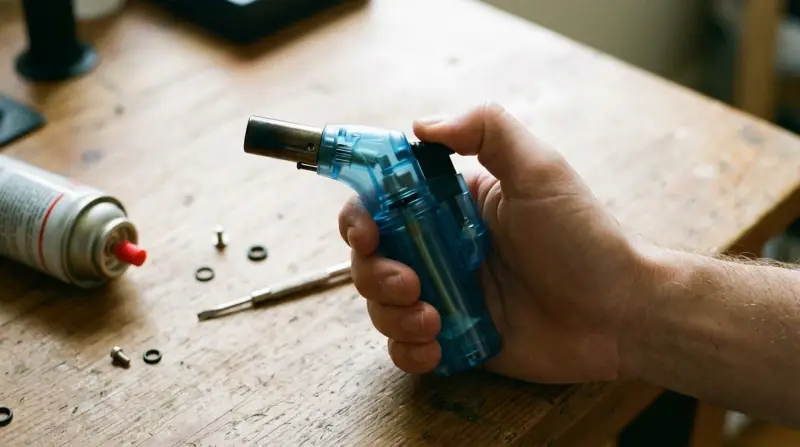
Understanding the reasons behind a malfunctioning Eagle torch lighter is the first step to fixing it. Most issues fall into a few main categories:
- Fuel problems: The lighter uses butane gas. If the fuel is low, contaminated, or incorrectly filled, the lighter may not work.
- Ignition issues: The spark mechanism (usually a piezoelectric system) can wear out or get blocked.
- Clogged jets: Dust, lint, or old fuel can clog the tiny jet that releases gas.
- Mechanical damage: Drops or rough handling can break internal parts.
- Adjustment settings: The flame height or air intake may be set too low.
These problems are common, but often missed by beginners. For example, many people refill their lighter with low-quality butane, which can cause clogging and weak flames. Others forget to check the flame adjustment, which is a simple fix but often overlooked.
One extra detail many new users miss: if you store your lighter in a bag or pocket with other items, tiny fibers or dust can slowly build up inside the nozzle or ignition area. Over time, even a small amount of debris can stop the lighter from working properly. Also, if you use your lighter outdoors in damp or humid weather, moisture can get inside and make ignition harder or cause corrosion.
Identifying The Problem: Step-by-step Troubleshooting
Before you start repairs, you need to diagnose the exact issue. Follow these steps to find out what’s wrong:
1. Check The Fuel Level
Hold the lighter upright and look for a fuel window—most Eagle torch lighters have a small clear window. If you see little or no liquid, it’s time to refill. If the lighter still doesn’t work after refilling, the problem is elsewhere.
For some models, the fuel window is small and easy to overlook. Hold the lighter up to the light or tap it gently—sometimes bubbles will show you how much butane is left. If you can’t see a window, feel the weight.
An empty lighter often feels much lighter than a full one.
2. Listen For Gas
Press the ignition button, but don’t light it. Do you hear a soft hissing sound? If yes, gas is coming out. If not, the gas jet might be clogged or the valve blocked.
If you hear a sputtering or uneven hiss, the gas flow might be blocked or mixed with air. This is sometimes a sign of trapped air inside the tank, which can happen after a fast refill.
3. Inspect The Ignition
Look closely at the spark area when you press the button. If you see a spark but no flame, the problem is likely with the gas flow. If there’s no spark, the ignition system may be faulty.
Some igniters can produce a weak spark that’s hard to see in bright light. Try checking in a dim room or shade. A healthy spark is usually blue-white and bright.
4. Examine The Flame Adjustment
Many Eagle torch lighters have a flame adjuster—usually a small wheel or screw. If set too low, the lighter won’t ignite properly. Turn the adjuster and try again.
On some models, the adjustment wheel can be tight or hidden. Use a small screwdriver or even a coin to gently turn it. Start by turning a little at a time. Setting it too high can cause a big, unsafe flame.
5. Test For Clogs
If you suspect clogging, shake the lighter gently. Try blowing compressed air through the nozzle. Be careful not to use too much force, as this can damage the jet.
If you don’t have compressed air, a thin bristle or even a toothpick can sometimes help clear the opening. Never use a metal pin that’s too thick, as this can permanently widen the jet and ruin the flame.
6. Look For Physical Damage
Check for cracks, dents, or loose parts. Dropping the lighter can misalign internal mechanisms, causing failure.
A small crack near the refill valve or ignition button can leak gas or stop the spark from working. If you notice any loose pieces inside when you shake the lighter, it may need professional repair.
Common Eagle Torch Lighter Problems And Solutions
Let’s break down the most frequent issues and how to fix them. Each problem is explained with practical tips and clear instructions.
1. Lighter Won’t Ignite
- No spark: If pressing the button doesn’t produce a spark, the piezoelectric igniter may be worn out. Try cleaning the area around the ignition with a cotton swab. If that fails, the igniter may need replacement.
- No gas sound: If you don’t hear gas, check the fuel level. If it’s full, the gas jet could be blocked. Use compressed air or a fine needle to clean the nozzle.
- Hidden cause: Sometimes, the safety lock is engaged (if your model has one). Make sure it’s switched off before trying to ignite.
2. Weak Or Flickering Flame
- Low-quality butane: Cheap butane contains impurities. Always use premium butane to prevent clogging.
- Incorrect adjustment: Turn the flame adjustment wheel higher. If the flame is still weak, check for jet clogs.
- Altitude effects: At higher altitudes, air pressure drops and the flame can weaken. If you’re in the mountains, you may need to adjust the flame higher.
3. Flame Goes Out Quickly
- Wind interference: These lighters are wind-resistant, but strong gusts can still affect them. Use in a sheltered area.
- Low fuel: Refill with butane and try again.
- Dirty nozzle: Clean with compressed air or a cotton swab.
- Cold weather: Butane gas works best at room temperature. In cold weather, the gas pressure drops and the flame can go out. Warm the lighter with your hand before use.
4. Lighter Leaks Gas
- Seal damage: If you smell gas, stop using the lighter. Inspect the bottom for cracks or loose seals. Replace damaged seals if possible.
- Overfilling: Don’t overfill the lighter. Remove excess gas by pressing the refill valve with a small tool.
- Valve damage: If the refill valve is bent or loose, it might need professional replacement.
5. Flame Too High Or Too Low
- Adjustment wheel: Turn the wheel to change flame size. If the wheel is stuck, try lubricating it with a drop of light oil.
- Internal blockage: If adjusting does nothing, clean the nozzle and air intake.
- Unstable flame: If the flame jumps or pulses, check for air bubbles in the fuel. Bleed excess air and refill properly.
6. Lighter Works Intermittently
- Moisture or dust inside: Leave the lighter open to air out. Clean contacts gently.
- Loose parts: Tighten any screws or covers.
- Worn piezo crystal: Over time, the piezoelectric crystal in the igniter may wear down. If the lighter only works sometimes, this could be the cause.
How To Refill An Eagle Torch Lighter Correctly
Incorrect refilling is one of the most common beginner mistakes. Follow these steps for a safe and effective refill:
- Choose high-quality butane: Look for brands with at least 99.5% purity. Impurities cause clogging.
- Bleed excess air: Before refilling, press the refill valve with a small screwdriver to release trapped air.
- Hold the lighter upside down: This prevents air bubbles.
- Insert the butane nozzle: Press firmly for 5-10 seconds.
- Wait before using: Allow the lighter to rest for at least 5 minutes after refilling. This lets the butane stabilize.
Many people skip the air bleeding step. Trapped air can cause sputtering or prevent the lighter from working. Bleeding ensures proper gas flow and flame strength.
Another tip: shake the butane can briefly before using. This helps mix the gas inside, giving a more even refill. When done refilling, check for leaks by listening for a hiss or smelling gas around the refill valve.
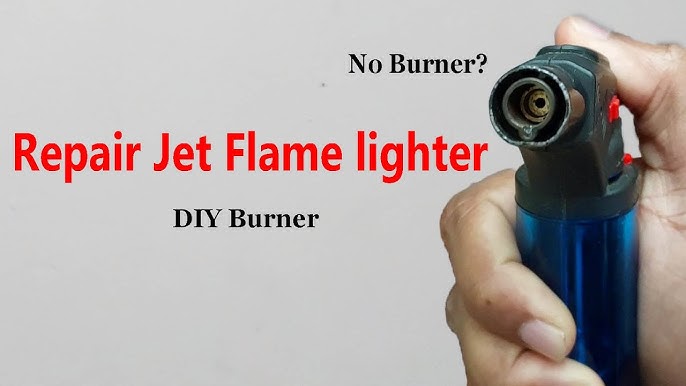
Credit: www.youtube.com
Cleaning And Maintaining Your Eagle Torch Lighter
Regular maintenance keeps your lighter reliable. Here’s what you should do:
- Clean the nozzle weekly: Use compressed air or a brush.
- Wipe the exterior: Avoid water—use a dry cloth.
- Check for debris: Remove lint or dust from the ignition area.
- Store safely: Keep your lighter away from heat and moisture.
Most users forget the importance of cleaning. Even tiny particles can block the gas jet, making the lighter useless. Maintenance also prevents internal corrosion.
Every few months, check the adjustment wheel and refill valve for signs of sticky residue or build-up. A drop of isopropyl alcohol on a cotton swab can help clean tough spots—just let it dry fully before using the lighter again.
For heavy users, deep cleaning every three months can extend the lighter’s life. Disassemble the nozzle and adjustment wheel (if possible), and clean each part gently.
Comparing Eagle Torch Lighters To Other Brands
To understand Eagle torch lighters’ strengths and weaknesses, let’s compare them with other popular brands. This helps you see if your lighter’s issue is unique or common.
| Brand | Average Flame Strength | Durability | Ease of Maintenance | Common Issues |
|---|---|---|---|---|
| Eagle | Strong | Medium | Easy | Clogged jet, weak ignition |
| Blazer | Very strong | High | Medium | Fuel leaks, expensive parts |
| Ronson | Moderate | Low | Easy | Short lifespan, weak flame |
| Zippo (with butane insert) | Strong | High | Medium | Refilling issues |
Eagle torch lighters are known for their strong flame and easy maintenance. However, their durability is medium compared to brands like Blazer. The most common issue is a clogged jet, which is easy to fix if you know how.
One unique feature of Eagle lighters is their simple design. This makes them easier to open, clean, and repair than some fancier brands. However, Blazer lighters, while more durable, often have parts that are harder to find and cost more to replace.
Ronson lighters tend to be affordable, but their plastic bodies crack easily and they don’t last as long.
Detailed Repair Guide: Fixing Advanced Problems
Sometimes, basic troubleshooting isn’t enough. Here’s a guide to more advanced repairs, for users who want to dig deeper.
Replacing The Ignition Mechanism
If the piezoelectric igniter fails, you can replace it. This is tricky and may require special tools.
- Open the lighter carefully: Use a small screwdriver.
- Locate the igniter: It’s usually near the button.
- Remove the faulty igniter: Disconnect gently.
- Install the new one: Ensure all connections are tight.
- Test the lighter: Check for spark and flame.
If you don’t have a replacement igniter, some users salvage parts from other old lighters. Just be sure the size and type match your Eagle model.
Fixing Leaks And Seals
If your lighter leaks gas, inspect all seals.
- Identify the leak location: Use soapy water around the valve; bubbles indicate a leak.
- Replace damaged seals: Buy compatible parts from a hardware store.
- Check the refill valve: Tighten if loose.
Seal kits are available online for many common lighter brands. If you can’t find one for Eagle, look for universal rubber O-rings—they often fit.
Unclogging The Gas Jet
Severe blockages require careful cleaning.
- Remove the gas tank: If possible.
- Use a fine needle: Insert gently into the jet.
- Flush with compressed air: Repeat until clear.
- Reassemble and test: Flame should return to normal.
If the blockage doesn’t clear, soak the nozzle in isopropyl alcohol for a few minutes, then dry fully before reassembling.
Eagle Torch Lighter Models: Differences And Unique Features
Eagle offers several models, each with slightly different features. Understanding these differences can help you troubleshoot more efficiently.
| Model | Flame Type | Fuel Capacity | Adjustment Options | Special Features |
|---|---|---|---|---|
| Jet Flame | Single jet | Medium | Wheel adjustment | Wind-resistant |
| Double Flame | Dual jet | Large | Screw adjustment | Fast ignition |
| Mini Torch | Single jet | Small | Wheel adjustment | Compact design |
| Pro Torch | Triple jet | Large | Screw & wheel | High power |
The Double Flame and Pro Torch models have more powerful jets and larger fuel tanks, but may be harder to maintain. The Mini Torch is easier to clean but runs out of fuel quickly.
Another difference: The Pro Torch has both screw and wheel adjustments, giving you more control over flame size and power—useful if you need a larger flame for tasks like lighting a grill or soldering. The Jet Flame model, on the other hand, is best for simple, everyday use.

Preventing Future Problems: Pro Tips
Many issues with Eagle torch lighters can be avoided with good habits. Here are some expert tips:
- Use only high-purity butane: This prevents clogging and extends the lighter’s life.
- Store in cool, dry places: Heat can cause leaks or damage seals.
- Refill slowly and carefully: Rushing can cause air bubbles or spills.
- Clean regularly: A quick wipe can prevent most problems.
- Check adjustment settings after refilling: Refilling can change the flame height.
- Avoid dropping your lighter: Internal parts are delicate.
- Replace seals as needed: Don’t ignore small leaks.
One non-obvious tip: Don’t use your torch lighter for long periods without breaks. Continuous use can overheat internal parts and wear out the igniter faster.
Another insider tip: If you use your lighter in very cold weather, keep it in your pocket before use. Body heat helps keep the butane at a pressure where it works best, reducing ignition problems.
When To Replace Your Eagle Torch Lighter
Sometimes, it’s better to replace your lighter than repair it. Here’s how to know:
- Severe leaks: If the lighter leaks gas even after seal replacement, it’s unsafe.
- Broken ignition: If the piezoelectric system cannot be fixed, buy a new lighter.
- Cracked body: Structural damage affects safety.
- Persistent weak flame: If cleaning and refilling don’t help, internal parts may be worn.
On average, Eagle torch lighters last 1–2 years with regular use. Heavy users may need to replace theirs more often.
If you notice your lighter needing repairs more and more often, or if refilling becomes messy with leaks and spills, these are signs it’s time for a new one. Remember, safety always comes first.
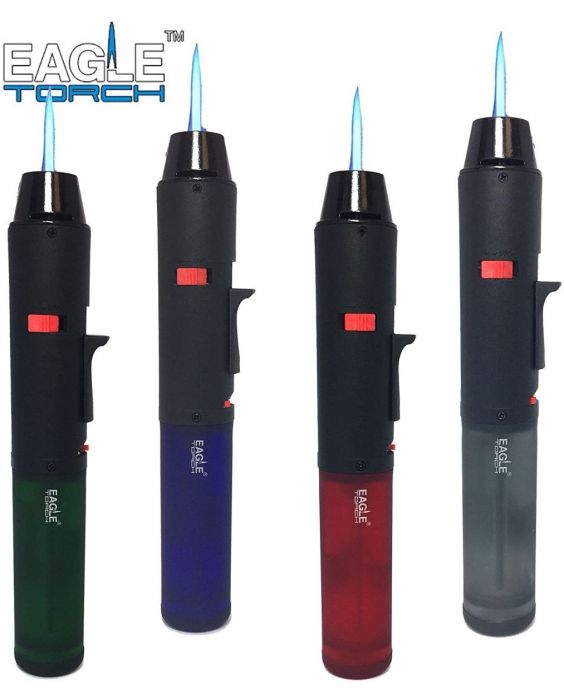
Safety Tips For Using And Repairing Eagle Torch Lighters
Safety should always come first with any torch lighter. Here’s what you must remember:
- Never repair while filled with fuel: Always empty the lighter before opening.
- Avoid open flames during repair: Butane is highly flammable.
- Wear eye protection: Small parts can pop out unexpectedly.
- Test repairs outdoors: In case of leaks or fire.
- Keep away from children: Lighters are not toys.
A common mistake is testing the lighter indoors after a repair. Always test outside, away from flammable materials.
If you’re working with a lighter that’s been in use for a long time, consider wearing gloves as well. Butane can cause cold burns if it leaks onto your skin.
Troubleshooting Quick Reference Guide
For easy reference, here’s a summary of fixes for common Eagle torch lighter issues:
| Problem | Likely Cause | Recommended Fix |
|---|---|---|
| No flame | Empty fuel or clogged jet | Refill or clean jet |
| Weak flame | Low butane quality or adjustment | Use high-purity butane, adjust wheel |
| Gas leak | Damaged seals | Replace seals |
| No spark | Faulty igniter | Clean or replace igniter |
| Intermittent operation | Loose parts or moisture | Tighten parts, dry out |
If you fix one problem but another appears right after, double-check all connections and settings. Sometimes, one issue can hide another.
What If Your Eagle Torch Lighter Still Doesn’t Work?
After trying all these fixes, if your lighter still isn’t working, consider professional help. Some local hardware stores offer lighter repair services. You can also contact Eagle’s customer support for guidance or replacement options. Sometimes, defects are covered by warranty.
Check your purchase receipt and warranty details.
For deeper technical details, you might find helpful information at Wikipedia, which explains how butane lighters work and common troubleshooting strategies.
If you’re ready to buy a new lighter, consider what features matter most to you. Some users prefer triple jet models for power, while others like compact designs for portability.
Frequently Asked Questions
Why Does My Eagle Torch Lighter Spark But Not Ignite?
This usually means gas is not reaching the spark. Check the fuel level first. If full, clean the gas jet with compressed air or a fine needle. Low-quality butane can also cause this issue by clogging the nozzle.
Another reason can be trapped air in the fuel tank after refilling. Bleed the tank and try again.
How Often Should I Refill My Eagle Torch Lighter?
Refill whenever the fuel window shows low levels. For regular users, this might be every 1–2 weeks. Always use high-purity butane and bleed excess air before refilling to keep performance strong.
If you use your lighter for longer tasks, like lighting a grill or camping, you might need to refill more often. Always check before heading out.
Can I Use Regular Butane For My Eagle Torch Lighter?
You can, but it’s risky. Regular butane often has impurities, which cause clogging and weak flames. Choose premium butane (99.5% purity or higher) for best results and longer lighter life.
Some cans say “universal” butane, but always check the purity on the label.
Is It Safe To Repair A Torch Lighter At Home?
It’s safe if you follow basic safety guidelines: empty the lighter before opening, avoid open flames, and wear eye protection. If you’re unsure, seek professional help. Never repair a lighter that’s leaking gas indoors.
Always work in a well-ventilated space. If you smell gas, stop immediately.
Where Can I Buy Replacement Parts For Eagle Torch Lighters?
Most hardware stores sell universal lighter parts like seals and igniters. For model-specific parts, contact Eagle’s official website or customer service. Online shops may offer kits, but check compatibility before buying.
If you cannot find parts locally, try specialty tobacco or cigar shops—they often carry torch lighter accessories.
A working Eagle torch lighter is a small but important tool. With the right care and troubleshooting, you can fix most problems yourself. Remember, good maintenance prevents most issues. Stay safe, use quality butane, and enjoy your lighter’s strong, reliable flame.