
If you own or manage a Freightliner M2, you know it’s a reliable workhorse for many businesses. But you may also have heard about issues with one critical part: the bulkhead module. This electronic unit is small but powerful, controlling much of your truck’s electrical system. When it fails, it can cause strange problems that are hard to diagnose.
Many drivers and fleet managers worry about bulkhead module problems. This article explains what the bulkhead module does, the symptoms of trouble, why these failures happen, and how to fix them. You’ll also learn how to prevent future issues and what to expect in terms of cost.
Whether you’re a truck owner, mechanic, or just interested in the topic, you’ll find practical advice here.
What Is The Freightliner M2 Bulkhead Module?
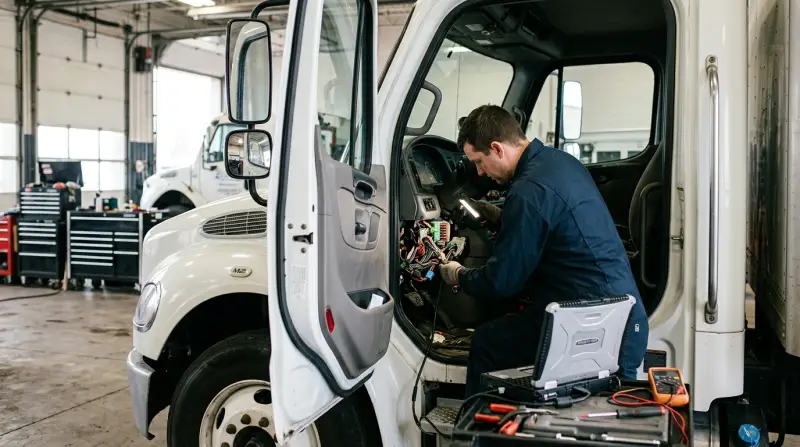
The bulkhead module (BHM) is an electronic control unit on the Freightliner M2 series. Located behind the dash on the firewall (the “bulkhead”), it acts like the central nervous system for many electrical functions. It communicates with other modules, sensors, and systems to keep the truck running smoothly.
Key Functions
The BHM handles:
- Lighting (headlights, brake lights, marker lights)
- Wiper controls
- Warning chimes and buzzers
- Instrument cluster data
- Cab and chassis communication
- Accessory power (radios, HVAC, etc.)
In simple terms, if it’s electrical and not part of the engine or transmission, the BHM probably controls it.
Why It Matters
Modern trucks rely on electronic modules to reduce wiring complexity and improve reliability. But if a module like the BHM fails, many unrelated things can stop working at once. That’s why knowing about this module is so important.
Common Symptoms Of Bulkhead Module Problems
A failing BHM can show up in many ways. Here are the most frequent signs:
- Electrical accessories stop working — Power windows, door locks, or radio may suddenly fail.
- Lights malfunction — Headlights, brake lights, or turn signals may not work, flicker, or get stuck on.
- Instrument cluster issues — Gauges may drop to zero, warning lights flash for no reason, or the display goes blank.
- Wipers act strange — Wipers may not start, stop in the wrong position, or run without being turned on.
- Intermittent problems — Issues may come and go, making diagnosis harder.
- No start or crank — In rare cases, the truck won’t start because the BHM doesn’t communicate with other systems.
These problems can appear separately or together. Sometimes, you’ll see one small issue for weeks before more serious symptoms develop.
Why Do Bulkhead Modules Fail?
Knowing the causes helps you prevent problems. Here are the main reasons BHMs fail in Freightliner M2 trucks:
1. Water Intrusion
Moisture is the biggest enemy of electronic modules. The BHM sits behind the dash, but leaks from the windshield, door seals, or AC drains can drip onto it. Even a small amount of water can cause corrosion or short circuits.
2. Vibration And Physical Damage
Heavy-duty trucks face constant vibration. Over time, this can loosen connectors, crack solder joints, or break internal components. If the module isn’t mounted securely, damage risk increases.
3. Voltage Spikes
Jump-starting the truck, alternator problems, or wiring faults can send a high voltage surge through the system. The BHM is sensitive to these spikes and may fail suddenly.
4. Wiring Harness Issues
If wires going to or from the BHM are damaged, pinched, or corroded, signals can get lost or mixed up. This often causes “ghost” electrical issues that seem random.
5. Manufacturing Defects
While less common, some BHMs have weak spots due to production errors. Early model years (especially 2007–2012) are more likely to have these defects.
6. Software Glitches
Like most modules, the BHM runs on software. Bugs or outdated firmware can cause strange behavior or prevent communication with other truck systems.
Real-world Example
A fleet manager noticed that several Freightliner M2 trucks had lights failing after heavy rain. Inspection showed water leaking through a poorly sealed windshield, dripping directly onto the BHM. Replacing the seal and module solved the problem. This shows how a simple leak can cause expensive electrical trouble.
Diagnosing Bulkhead Module Issues
Finding the root cause of BHM problems can be tricky. Here’s how experienced mechanics approach it:
Step 1: Check For Trouble Codes
Most Freightliner M2 trucks allow you to read diagnostic codes using a scan tool. Look for codes related to the BHM, such as:
- BHM communication loss
- Lighting circuit faults
- Accessory power errors
Some codes may point directly to the module; others may be more general.
Step 2: Visual Inspection
Remove the dashboard panel and look at the BHM. Signs of trouble include:
- Corrosion on connectors
- Water stains or moisture
- Burn marks or melted plastic
- Loose wires or connectors
A flashlight and inspection mirror help spot hidden damage.
Step 3: Test Power And Ground
Use a multimeter to check that the BHM has proper battery and ground connections. Weak or missing power/ground can cause the module to act “dead. ”
Step 4: Check Communication Lines
The BHM talks to other modules on the truck’s data bus (J1939 or J1587). If data lines are broken or shorted, you’ll see network errors or multiple modules not working.
Step 5: Swap Or Reprogram The Module
If all wiring and power checks out, the module itself may be bad. Swapping with a known good BHM or trying to re-flash the software can confirm the diagnosis.
Pro Tip
Don’t skip the basics. Many “BHM failures” turn out to be simple wiring or ground problems, not a bad module. Always test before replacing.
Freightliner M2 Bulkhead Module: Key Data Comparison
To help you understand how the bulkhead module fits into the truck’s electrical system, here is a comparison with two other important modules:
| Module | Main Functions | Location | Typical Failure Signs |
|---|---|---|---|
| Bulkhead Module (BHM) | Cab lights, wipers, cluster, accessories | Behind dash on firewall | Lighting/wiper issues, cluster errors |
| Chassis Module (CHM) | ABS, chassis wiring, trailer lights | Frame rail or under cab | ABS faults, trailer light errors |
| Engine Control Module (ECM) | Engine management, emissions, diagnostics | Engine compartment | No start, rough running, emissions codes |
This shows why BHM issues can be confusing—many electrical systems rely on it.
How To Fix Freightliner M2 Bulkhead Module Problems
Repairing or replacing the BHM depends on what’s wrong. Here are the main solutions:
1. Repair Wiring And Connectors
If the problem is a damaged wire or loose connector, fix this first. Clean any corrosion with electrical contact cleaner. Replace broken wires or terminals. Make sure connectors are tight.
2. Dry And Seal The Area
If you find moisture, dry the module and surrounding area completely. Use a heat gun on low or leave the truck in the sun. Find the source of the leak—usually the windshield, door, or HVAC drain. Seal it with silicone or replace the gasket.
3. Replace The Bulkhead Module
If the module is actually failed, you’ll need a new or rebuilt BHM. This is not a DIY repair for most people because the new module must be programmed with your truck’s info.
Replacement Steps:
- Disconnect the battery.
- Remove dashboard panels to access the BHM.
- Unplug connectors carefully.
- Install the new BHM (same part number).
- Connect a scan tool to program the module to your VIN and options.
- Test all functions before replacing panels.
4. Update Software
Sometimes, a software update from Freightliner can solve glitches. Dealers or qualified shops can re-flash the BHM with the latest firmware.
5. Professional Repair Services
If you’re not comfortable with electronics, seek help from a certified Freightliner dealer or a shop with heavy-duty truck experience. They have the tools and access to technical service bulletins.
Cost Example
A new BHM can cost $300–$1,200 for the part alone, depending on the model year. Labor adds $150–$400. Programming fees may also apply. Always get a detailed estimate before starting repairs.
How To Prevent Bulkhead Module Failures
You can’t prevent every problem, but these steps reduce the risk:
1. Inspect For Leaks Regularly
Check around the windshield, doors, and HVAC drains for signs of water leaks every few months. Address any issue immediately.
2. Keep The Cab Clean And Dry
Don’t let drinks or cleaning fluids spill behind the dash. Moisture can sneak in from unexpected places.
3. Check Battery And Charging System
Weak batteries or alternators can cause voltage spikes. Test your charging system twice a year.
4. Avoid Jump-start Mistakes
If you must jump-start, follow the manual exactly. Hook up cables in the right order and remove them carefully. Incorrect jump-starting is a common cause of module damage.
5. Regular Wiring Inspection
Look for worn or pinched wires, especially near hinges and moving parts. Repair any damage before it causes a short.
6. Software Updates
Ask your dealer to check for module updates during regular service. Sometimes, a simple update prevents bigger problems.
Insight: Small Leaks, Big Costs
Many drivers overlook windshield leaks, thinking they’re minor. But a few drops of water can ruin a $1,000 module. Always investigate even small drips inside the cab.
Bulkhead Module Problems Vs. Other Electrical Issues
Not every electrical glitch means a failed BHM. Here’s how to tell the difference:
| Symptom | Likely Cause | Best First Step |
|---|---|---|
| Multiple lights not working | BHM or fuse issue | Check fuses, scan for codes |
| One light out | Bulb or socket | Replace bulb, check wiring |
| Cluster dead, truck won’t start | BHM or ignition wiring | Test power/ground to BHM |
| Accessory not working | Wiring or relay | Check relay, inspect wiring |
By following this approach, you can avoid replacing the wrong parts.
Real-world Stories: Bulkhead Module Headaches
Case 1: The “ghost” Electrical Issue
A delivery company had a 2015 Freightliner M2 where the wipers would turn on randomly—even with the key off. After replacing the wiper switch and relay with no fix, they found water damage inside the BHM. A small windshield leak was the cause. Lesson: random electrical issues often trace back to moisture.
Case 2: No-start After Jump-start
A landscaping firm jump-started their M2 backwards (negative to positive). The truck wouldn’t crank afterward, and the instrument cluster was dead. Testing showed the BHM was fried by the voltage surge. New module and proper jump-starting technique solved the problem.
Case 3: Flickering Lights After Collision
After a minor front-end accident, a truck’s lights flickered and sometimes failed. Inspection revealed a pinched wiring harness shorting out signals to the BHM. Repairing the harness fixed the issue—no module replacement needed.
Insight: Don’t Ignore Small Clues
In all these cases, the real problem started small. Flickering lights, random wiper movement, or a wet spot on the floor can be early warnings. Catching these signs early can save hundreds or thousands of dollars.
Bulkhead Module Replacement: Diy Or Professional?
Some truck owners ask if they can replace the BHM themselves. Here’s what you need to know:
Diy Pros
- Can save on labor costs
- Good for those comfortable with truck repairs
- Wiring and mounting are straightforward
Diy Cons
- Module must be programmed (special tools/software needed)
- Mistakes can cause further electrical damage
- Warranty may be affected
When To Call A Professional
If you lack access to dealer-level scan tools or aren’t confident with electronics, professional help is safer. Most shops charge 1–2 hours labor for replacement and programming.
Programming: Why It Matters
Every Freightliner M2 has unique options. The BHM must be set up for your VIN, features, and equipment. Incorrect programming can cause new problems—such as missing lights, accessories, or warning chimes.
What To Ask Your Mechanic Or Dealer
Before authorizing repairs, ask:
- Is the module really bad, or could it be a wiring or ground issue?
- Is there any sign of water intrusion or corrosion?
- Has the latest software update been applied?
- What will the total cost be (parts, labor, programming)?
- Will the new module be covered by a warranty?
A good technician should check these points before selling you a new BHM.
Bulkhead Module Recalls And Service Bulletins
Some model years have had recalls or technical service bulletins (TSBs) related to the BHM. For example, Freightliner has issued TSBs about moisture intrusion and software updates for certain M2 trucks. Always check with your dealer or the National Highway Traffic Safety Administration (NHTSA) for the latest information.
You can search for recalls by VIN on the official NHTSA website.

Credit: www.youtube.com
Cost Breakdown: Bulkhead Module Repairs
Here’s a typical cost breakdown for BHM-related repairs on a Freightliner M2:
| Repair Item | Low-End Cost | High-End Cost |
|---|---|---|
| Bulkhead Module (part only) | $300 | $1,200 |
| Labor (removal/install) | $150 | $400 |
| Programming/setup | $75 | $250 |
| Wiring/connector repairs | $50 | $300 |
| Leak repair/sealing | $100 | $500 |
Insight: If you fix leaks and wiring problems early, you can often avoid the higher module replacement cost.
Two Common Mistakes To Avoid
Many beginners make these errors:
- Replacing the BHM without checking wiring or grounds. This wastes money and doesn’t fix the real issue if wiring is at fault.
- Ignoring small leaks or moisture. Even a little water can destroy electronics over time.
Always diagnose carefully before buying expensive parts.
Future Trends: Bulkhead Modules In Newer Trucks
Freightliner and other makers are improving module design every year. Recent M2 models use better-sealed enclosures, more robust software, and improved diagnostics. However, as trucks become more advanced, the complexity of repairs also rises.
For 2020 and newer models, remote diagnostics and over-the-air updates are becoming available. This means some BHM problems can be fixed with a software update, without a shop visit. But physical issues like water leaks still require hands-on repair.
Practical Tips For Fleet Owners
If you manage multiple Freightliner M2 trucks, you can reduce downtime and repair costs by:
- Training drivers to report even minor leaks or electrical quirks
- Scheduling regular cab and wiring inspections
- Keeping records of BHM failures (year, mileage, symptoms)
- Stocking one spare module for quick swaps if breakdowns are common
Fleet insight: Some large companies find patterns—certain years or VINs have more BHM issues. Tracking this can help with warranty claims or negotiating with the dealer.
When To Upgrade Or Retrofit
If your M2 is older and has repeated BHM failures, ask about upgraded modules or improved waterproofing kits. Some aftermarket suppliers offer more robust replacements, and Freightliner dealers may have retrofit solutions for common leak points.
Before spending money, compare the cost of repeated repairs to the price of upgrading or replacing the truck.
Frequently Asked Questions
What Does The Freightliner M2 Bulkhead Module Control?
The bulkhead module controls most of the cab electrical functions—including headlights, wipers, warning chimes, instrument cluster, and accessories. If it fails, many unrelated systems can stop working at once.
Can I Drive My Truck If The Bulkhead Module Is Failing?
It depends on the symptoms. If only minor accessories are affected, you might drive short distances. But if lights, wipers, or gauges fail, the truck may not be safe or legal to operate. Always address electrical problems quickly.
How Do I Know If The Bulkhead Module Or A Wiring Issue Is To Blame?
Check for water intrusion, loose connectors, and blown fuses first. Scan for diagnostic codes with a tool. If all wiring is good but problems remain, the module may be faulty. Professional diagnosis is often needed.
Is Module Programming Required After Replacement?
Yes. The new module must be programmed to match your truck’s VIN and options. This requires special tools and usually must be done by a dealer or qualified shop.
Are Bulkhead Module Problems Covered By Warranty?
If your M2 is still under warranty and the failure is not caused by outside damage (like water leaks from an accident), the bulkhead module may be covered. Always check with your dealer and keep detailed records.
In summary, the Freightliner M2 bulkhead module is essential for the truck’s electrical health. Failures can be costly and confusing, but most are preventable with good maintenance and early detection. If you learn to spot the signs and fix small issues before they grow, you’ll keep your M2 reliable for years to come. For more technical details and official recalls, check the NHTSA website.