
Painting cinder blocks can turn a plain, gray wall into a fresh, attractive surface. Whether you want to improve your basement, garage, garden wall, or commercial space, painting cinder blocks is a practical way to add color and protect the material.
However, cinder blocks are not like smooth drywall; they are rough, porous, and often have hidden moisture issues. If you want your paint job to last, you need to follow the right steps. This article gives you a complete guide to painting cinder blocks, from preparation to finishing touches.
You’ll also see useful tables and FAQs to help you avoid mistakes and choose the best products.
What Makes Cinder Blocks Unique?
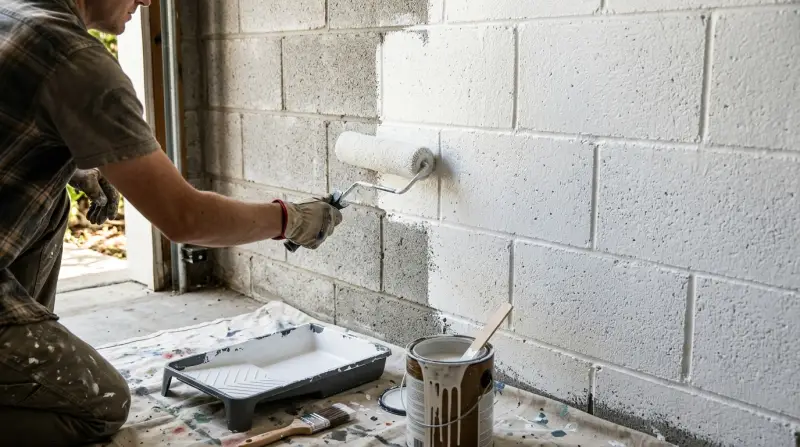
Cinder blocks are made from concrete with added coal cinders or ash. They are popular for walls because they are strong and affordable. But their surface is uneven and porous, which means paint does not stick as easily as on other materials. Cinder blocks also absorb water, so moisture can become trapped inside. If you paint without proper preparation, the paint may bubble, crack, or peel.
Many beginners overlook these challenges. For example, they might use regular wall paint or skip sealing the blocks. To achieve a smooth, long-lasting finish, you need special products and careful steps.
Tools And Materials You’ll Need
Before you start painting, gather these items:
- Wire brush or stiff broom
- Masonry cleaner (like trisodium phosphate)
- Pressure washer (optional)
- Painter’s tape and drop cloths
- Masonry primer (waterproofing recommended)
- Acrylic latex paint or masonry paint
- Paint roller (with thick nap)
- Paintbrush (for corners and edges)
- Caulk or masonry filler (for cracks)
- Respirator mask and gloves
You may need extra tools for larger walls, such as a paint sprayer. But for most home projects, rollers and brushes work well.
Preparing Cinder Blocks For Painting
Preparation is the most important step. If you skip it, your paint may not stick or may peel quickly. Here’s how to prepare cinder blocks:
Cleaning
Cinder blocks often collect dust, dirt, and mildew. Clean them thoroughly:
- Sweep the surface with a wire brush or stiff broom to remove loose debris.
- Mix a masonry cleaner with water (follow label instructions).
- Scrub the blocks. For heavy dirt or mildew, use a pressure washer.
- Let the blocks dry fully—usually 24 to 48 hours. Moisture inside blocks will cause paint to fail.
Repairing Cracks And Holes
Look for cracks, holes, or damaged mortar:
- Fill small cracks with caulk or masonry filler.
- For larger gaps, use a patching compound. Let repairs dry completely.
- Sand patched areas lightly so the wall is even.
Sealing And Priming
Cinder blocks absorb water easily. Always use a masonry primer—preferably one that blocks moisture.
- Apply painter’s tape and drop cloths to protect nearby surfaces.
- Brush primer into corners and edges, then use a roller for larger areas.
- Allow primer to dry as recommended (usually 24 hours).
Many beginners miss this step. Skipping primer leads to poor adhesion and early paint failure.
Choosing The Right Paint
Not all paints work on cinder blocks. Here’s a comparison of common paint types:
| Paint Type | Best For | Durability | Moisture Resistance | Cost (per gallon) |
|---|---|---|---|---|
| Acrylic Latex Paint | Indoor walls | Good | Moderate | $20-$40 |
| Masonry Paint | Indoor & outdoor | Excellent | High | $35-$60 |
| Epoxy Paint | Basements, garages | Very High | Very High | $50-$90 |
For most projects, masonry paint is the best choice. It is designed for rough, porous surfaces and has high moisture resistance.

Credit: www.youtube.com
How To Paint Cinder Blocks: Step-by-step
Once your blocks are clean and primed, follow these steps for painting:
- Choose your color: Select a paint color that fits your space. Light colors brighten rooms, while dark colors hide stains.
- Stir the paint: Mix paint well so color and texture are even.
- Apply first coat: Use a thick roller for large areas. Brush paint into crevices and corners.
- Let dry: Check the paint can for drying time (usually 4–6 hours).
- Apply second coat: Most cinder blocks need two coats. This fills pores and gives a smooth finish.
- Inspect coverage: Look for missed spots and touch up as needed.
Here’s a comparison of painting methods:
| Method | Coverage | Effort | Best For |
|---|---|---|---|
| Roller | Good | Moderate | Small/medium walls |
| Paintbrush | Excellent in corners | High | Edges, details |
| Paint Sprayer | Excellent | Low | Large surfaces |
A roller is fastest for most walls, but use a brush for edges and rough spots. Beginners often forget to push paint deep into pores. Take time to fill all holes for better coverage.
Tips For A Professional Finish
Even with careful work, painting cinder blocks has some unique challenges. Here are practical tips:
- Work in dry weather: Moisture can ruin your paint. For outdoor walls, wait for dry conditions.
- Check humidity: High humidity slows drying. Indoor spaces should have ventilation.
- Use thick nap rollers: Standard rollers don’t reach deep pores. Use a 3/4” nap or thicker.
- Don’t rush coats: Let each coat dry fully before adding another.
- Seal after painting: For outdoor walls, add a clear masonry sealer on top. This increases durability.
Many beginners miss the importance of ventilation. Paint fumes can be strong in basements or garages. Open windows and wear a mask to protect your health.
Common Mistakes And How To Avoid Them
Painting cinder blocks is not difficult, but mistakes can waste time and money. Here are the most frequent errors:
- Skipping cleaning: Dirt and dust stop paint from sticking. Always clean first.
- Ignoring primer: Primer is not optional. It seals pores and helps paint last.
- Using wrong paint: Wall paint does not work well on cinder blocks. Choose masonry or acrylic latex.
- Painting over wet blocks: If blocks are damp, paint will peel. Wait until dry.
- Applying thin coats: Thin coats don’t cover pores. Use at least two coats.
Many DIYers forget to check for moisture problems. If your wall has water stains, test for leaks before painting. Fix leaks with waterproofing products.
Estimated Costs And Time
Painting cinder blocks is affordable, but costs depend on wall size and product quality. Here’s a quick overview:
| Item | Average Cost | Coverage | Notes |
|---|---|---|---|
| Masonry Primer | $25-$45/gallon | 200-300 sq ft/gallon | Needed for sealing |
| Masonry Paint | $35-$60/gallon | 250-350 sq ft/gallon | Two coats recommended |
| Rollers & Brushes | $10-$25 | Reusable | Buy thick nap rollers |
| Cleaner | $5-$15 | Enough for most walls | Optional pressure washer adds $60+ |
For a standard 10×10 ft wall, you will spend about $80–$150 in total. Painting takes 2–3 days: one for cleaning and repairs, one for priming, and one for painting.
Credit: www.royaldesignstudio.com
Indoor Vs Outdoor Cinder Block Painting
Painting cinder blocks indoors and outdoors requires different products and steps:
- Indoor walls: Less exposed to moisture. Use acrylic latex or masonry paint. Focus on ventilation.
- Outdoor walls: Exposed to rain, sun, and temperature changes. Use waterproof masonry paint and sealers. Wait for dry, mild weather.
Outdoor walls often need extra coats and sealing for durability. If you live in a rainy area, make sure your wall is dry and protected.
How To Maintain Painted Cinder Blocks
Painted cinder blocks need some care to stay looking good:
- Clean with mild soap and water. Avoid harsh chemicals.
- Inspect for cracks or peeling every year.
- Touch up paint as needed—especially for outdoor walls.
- Add a new sealer every 2–3 years for protection.
A common mistake is using power washers after painting. High pressure can damage paint. Stick to soft cleaning.
Advanced Tips For Unique Looks
If you want more than a plain painted wall, try these ideas:
- Textured finish: Use a sponge or brush for added texture.
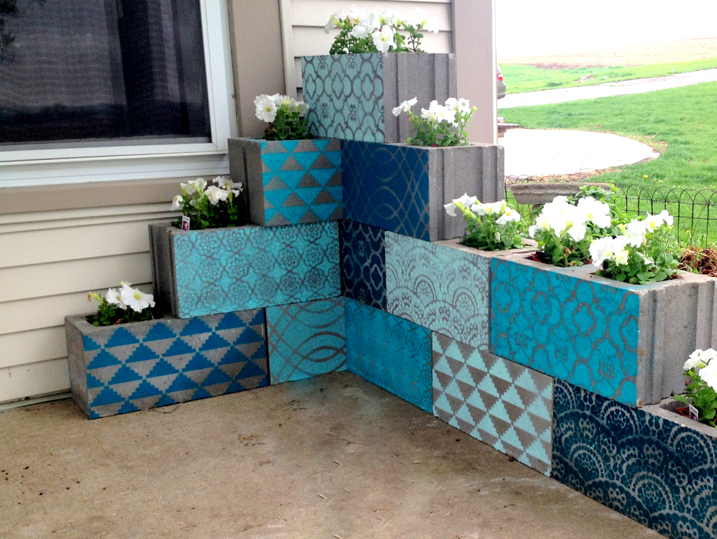
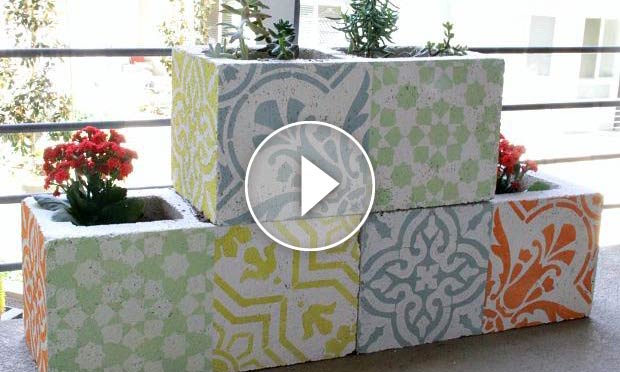
- Stencil designs: Apply patterns for decoration.
- Multi-color blocks: Paint individual blocks for a mosaic look.
- Gloss finish: Use a gloss sealer for shine and easier cleaning.
Many people don’t realize stencils can hide uneven surfaces and make old walls look new.
Frequently Asked Questions
Can I Use Regular Wall Paint On Cinder Blocks?
No. Regular wall paint is not designed for porous, rough surfaces. It often peels or bubbles. Always use masonry paint or acrylic latex paint for best results.
How Long Does Painted Cinder Block Last?
With proper preparation and quality products, painted cinder blocks last 5–10 years indoors and 3–7 years outdoors. Moisture and weather can reduce lifespan. Using sealers and touch-ups helps paint last longer.
What Is The Best Primer For Cinder Blocks?
A masonry primer with waterproofing is best. It seals pores and blocks moisture. Popular brands include Zinsser and KILZ. Read product labels for moisture resistance and coverage.
How Do I Fix Peeling Paint On Cinder Blocks?
Remove loose paint with a wire brush. Clean the area, repair cracks, and prime again. Apply two coats of masonry paint. Peeling is often caused by moisture or poor surface preparation.
Are Cinder Blocks Safe To Paint In Basements?
Yes, but ventilation is important. Paint fumes can build up in closed spaces. Use fans and open windows. Waterproofing primer helps prevent moisture problems in basements.
Painting cinder blocks is not just a cosmetic job—it’s a way to protect and improve your space. By following these steps and tips, you can achieve a smooth, durable finish that stands up to weather and time. For more details on masonry materials and paint types, visit Wikipedia. With the right tools, paint, and patience, even beginners can get professional-looking results.