
When you turn on your oven, do you notice the stovetop getting warm—even though the burners are off? Many people wonder if this is normal or a sign of trouble. Understanding why this happens can help you cook safely and protect your kitchen appliances. This guide explains the causes, risks, and solutions for a hot stovetop when the oven is on, using simple language and practical advice.
Why Does The Stovetop Get Hot When The Oven Is On?
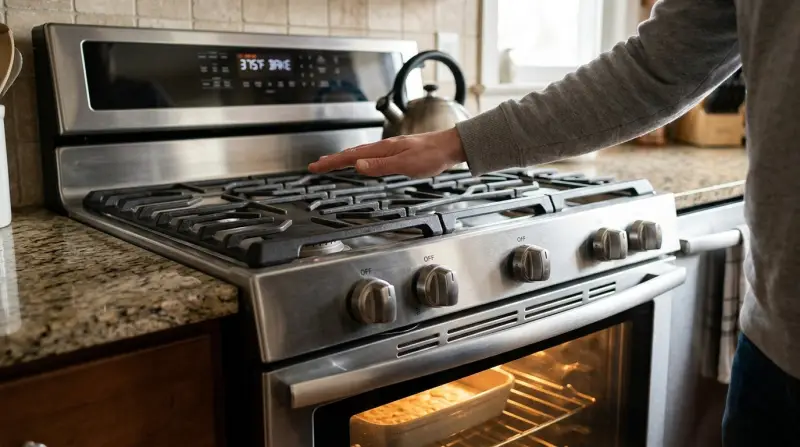
Most ovens and stovetops share the same unit, especially in freestanding ranges. When the oven heats up, some of that heat escapes and spreads to other parts of the appliance, including the stovetop. Let’s look at the main reasons:
- Heat Transfer: The oven produces high temperatures, and metal parts inside the range conduct heat. This heat naturally moves upward, warming the stovetop.
- Design: Many ranges are built with the oven directly below the stovetop. There is usually no thick insulation between the oven and stovetop, so heat moves easily.
- Ventilation: Ovens often vent hot air through openings near the stovetop. These vents help control oven temperature but can make the stovetop feel hot.
Example: Typical Temperatures
A home oven set to 350°F can cause the stovetop to reach temperatures between 100°F and 160°F. While this is not enough to cook food, it feels warm to the touch.
Is A Hot Stovetop Normal Or Dangerous?
A slightly warm stovetop is normal when the oven is on. However, there are situations where it can be risky:
- Very hot to touch: If the stovetop is too hot to touch safely, there may be a problem.
- Strong burning smell: Smells coming from the stovetop, not the oven, can signal overheating.
- Melting or discoloration: If plastic or utensils on the stovetop melt, the heat may be excessive.
Comparing Normal Vs. Problematic Heat
Here’s a clear comparison:
| Situation | Stovetop Temperature | Action Needed |
|---|---|---|
| Normal warmth | 100°F – 160°F | No action needed |
| Very hot to touch | 170°F and above | Check for issues |
| Smell or melting | Varies | Turn off oven, inspect |
Non-obvious insight: Many people expect the stovetop to stay cool. But even in new, efficient ranges, some warmth is unavoidable. The key is knowing the difference between normal and unsafe heat.

Credit: www.ralphs.com
Common Causes Of Excessive Heat
Several factors can make the stovetop hotter than usual when the oven is on:
- Poor insulation: Older ovens or budget models may lack good insulation between oven and stovetop.
- Blocked vents: If the oven’s vent is blocked, heat may build up and escape through the stovetop instead.
- Fan problems: Some ovens use cooling fans to control heat. If the fan is broken, the stovetop can get much hotter.
- Extended cooking times: Baking or roasting for hours increases the chance of heat spreading to the stovetop.
Example: Vent Location
On many ranges, the oven vent is a small opening under one of the back burners. If you cover this with a pot, heat may build up under the stovetop.
How To Prevent Stovetop Overheating
Preventing excessive heat is possible with some simple actions:
- Keep vents clear: Never block the oven vent with pots, pans, or food.
- Check insulation: If your oven is very old, consider upgrading to a newer model with better insulation.
- Use oven fans: If your range has a cooling fan, make sure it works properly.
- Clean regularly: Dust and grease can block vents and make heat control difficult.
Practical Tips
- Leave space between the oven and wall for air circulation.
- Never store items on the stovetop while the oven is on.
- Use oven mitts when touching the stovetop after baking.
Stovetop Materials And Heat Distribution
Different stovetop materials handle heat in unique ways:
| Stovetop Material | Heat Conductivity | Typical Warmth When Oven On |
|---|---|---|
| Stainless steel | High | Gets warm quickly |
| Glass-ceramic | Medium | Moderate warmth |
| Cast iron | Low | Slow to warm, stays warm longer |
Non-obvious insight: If you have a glass-ceramic stovetop, you may notice less warmth compared to stainless steel. However, glass-ceramic can still get hot if the oven is used for long periods.
Signs You Should Call A Professional
While most heat is normal, some signs mean you should ask for help:
- Stovetop is extremely hot (over 170°F)
- Oven door feels too hot
- Burners or controls become hard to touch
- Electrical smell or smoke appears
If you notice these, turn off the oven and call a technician. These signs can mean a serious insulation or wiring problem.
Example Of Repairs
A professional may:
- Replace insulation between oven and stovetop
- Fix a broken cooling fan
- Unblock or repair oven vents
Energy Efficiency And Heat Loss
A hot stovetop can signal energy loss. If heat escapes from the oven, you may use more electricity or gas to keep it at the right temperature. This makes cooking less efficient and can increase bills.
Data: Energy Waste
According to the US Department of Energy, poor insulation in kitchen ranges can raise energy use by up to 10%. Upgrading to a newer, insulated oven can save money over time.
Safety Tips For Cooking
Protect yourself and your kitchen with these tips:
- Always use oven mitts near the stovetop after baking.
- Keep flammable items away from the stovetop.
- Don’t leave children near the stove when the oven is on.
- Avoid covering vents with foil or pans.
- Check your oven for signs of damage or overheating.
How To Test Stovetop Heat
Want to check if your stovetop is too hot? Place a kitchen thermometer on the stovetop during oven use. If temperatures go above 170°F, take action.
Comparing Gas Vs. Electric Ranges
Heat distribution can vary between gas and electric ranges. Here’s a quick comparison:
| Type | Heat Spread | Vent Location | Typical Stovetop Warmth |
|---|---|---|---|
| Gas range | More even | Back or side | Moderate warmth |
| Electric range | Upward | Often under back burner | Can get warmer |
Experience-based tip: If your kitchen is small or you use the oven often, an electric range may cause more heat build-up on the stovetop. Consider improving ventilation or using a range hood.
When Is Heat A Sign Of A Larger Problem?
Some people ignore a hot stovetop, but sometimes it signals bigger issues:
- Broken door seals: If the oven door doesn’t close tightly, more heat escapes.
- Faulty thermostat: The oven may be hotter than the set temperature, causing extra heat.
- Damaged insulation: Over time, insulation breaks down, letting heat travel upward.
If you notice any of these, repair is needed. Ignoring the signs can lead to higher bills, damaged appliances, or even fire risk.
:max_bytes(150000):strip_icc()/sea-stovetop-kettles-group-irvin-lin-05-6fcc5322cea84959bc6fa6a4dac82c2b.jpeg)
Simple Maintenance Steps
Regular care helps avoid problems:
- Clean oven vents and stovetop weekly.
- Inspect door seals for cracks or gaps.
- Test oven temperature with a thermometer.
- Listen for unusual noises from cooling fans.
- Don’t store items on the stovetop, especially plastic.
These steps keep your range working efficiently and safely.
Real-life Example
Maria, a home baker, noticed her stovetop felt much hotter after baking bread. She checked her oven and found the vent was blocked by a pan. After moving the pan, the stovetop stayed cooler. This simple fix prevented further problems.
Non-obvious insight: Many people don’t realize that blocked vents—not just old appliances—can cause extra heat. Checking your vent is a quick, effective step.
Frequently Asked Questions
Why Does My Stovetop Feel Hot When Only The Oven Is On?
Heat from the oven travels upward and warms the stovetop. Metal conducts heat well, and vents near the stovetop release hot air.
Is It Safe To Use The Stovetop When The Oven Is On?
Yes, but be careful. The stovetop may be warmer, so use oven mitts and keep flammable items away.
Should I Worry If The Stovetop Gets Very Hot?
If the stovetop is too hot to touch or you notice melting or burning, turn off the oven and check for blocked vents or damaged insulation.
Can I Prevent The Stovetop From Getting Hot?
You can reduce heat by keeping oven vents clear, checking insulation, and using cooling fans if available. Regular maintenance also helps.
Do All Ranges Have This Problem?
Most freestanding ranges experience some warmth on the stovetop during oven use. Newer models with better insulation may have less heat, but it’s rarely eliminated completely.
When you understand why your stovetop gets hot when oven is on, you can cook safely and avoid unnecessary repairs. Most warmth is normal, but knowing the signs of trouble protects your kitchen. Keep vents clear, check insulation, and follow safety tips to get the best performance from your range. For more information about oven safety and maintenance, you can visit the US Department of Energy. Staying informed helps you cook confidently and efficiently.