
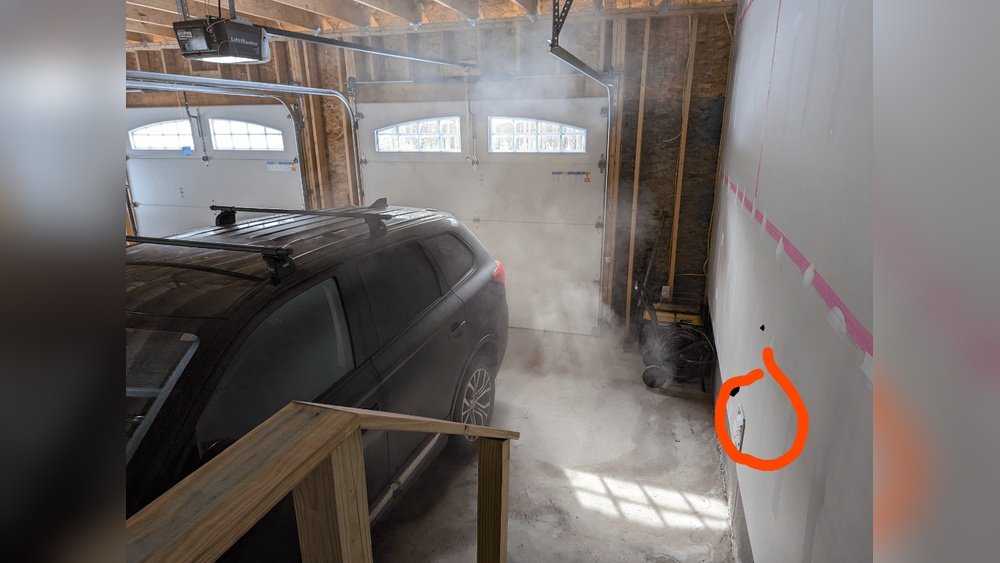
Many homeowners wonder if they can vent their clothes dryer into the garage. It might seem convenient—no need to cut holes in walls, and the garage is nearby. But before you choose this setup, it’s important to know the risks, legal requirements, and practical solutions. This guide will help you understand everything about dryer venting into the garage, including safety, regulations, alternatives, and common mistakes.
Why People Consider Venting A Dryer Into The Garage
Some people see the garage as an easy place to vent a dryer. You don’t have to drill through brick or siding, and garages are often close to laundry rooms. If your laundry area is inside the house, the garage may seem like a quick fix.
There’s also the idea that a garage is less “living space,” so any extra heat or moisture won’t matter as much.
But these reasons can be misleading. Homeowners often miss two key points:
- The garage can still be affected by moisture and lint buildup.
- Local codes often strictly forbid this setup.
Let’s look deeper at why venting into the garage is not recommended.
Safety Risks Of Dryer Vents In The Garage
Fire Hazard
Dryers create lint, which is highly flammable. If you vent into the garage, lint can collect on surfaces, in corners, or even inside vehicles. Over time, this increases the risk of a garage fire.
Moisture Damage
A typical dryer releases 1–3 gallons of water vapor for each load. If that vapor goes into your garage, it can cause:
- Mold growth on walls, floors, and ceilings
- Rust on tools, vehicles, and stored items
- Damage to drywall or insulation
Carbon Monoxide Danger
If you have a gas dryer, venting into the garage is especially dangerous. Gas dryers release carbon monoxide, a deadly gas that is odorless and colorless. If the garage is attached to your house, this gas can seep indoors, putting your family at risk.
Air Quality Issues
Even with electric dryers, venting into the garage can cause dust, lint, and poor air quality. This makes the garage unsafe for breathing and can affect anyone using the space.
Legal And Building Code Requirements
Most US building codes are strict about dryer venting. The International Residential Code (IRC) and local codes say that dryer vents must lead directly outdoors—not into garages, crawl spaces, attics, or other enclosed areas.
Here are some typical requirements:
- Dryer vents must end outside the home.
- The vent must use approved duct material (usually rigid metal).
- Maximum vent length is usually 25 feet, less if there are bends.
If you vent into the garage, you may:
- Fail a home inspection
- Void your homeowner’s insurance
- Face fines or forced repairs
Always check local codes before changing your dryer vent.
Common Mistakes And Misunderstandings
Many homeowners make mistakes when venting dryers. Here are some of the most common:
- Using plastic ducting instead of metal—plastic can melt or catch fire.
- Venting into enclosed spaces like garages, attics, or crawl spaces.
- Failing to clean the vent—lint buildup is a leading cause of dryer fires.
- Not sealing joints—unsealed joints leak moisture and lint.
- Ignoring vent length limits—long or twisted vents reduce airflow and increase fire risk.
Understanding these mistakes can help you avoid dangerous setups.
Moisture And Lint: Real Data
To see how much moisture and lint a dryer produces, consider this:
- A standard dryer releases 1–3 gallons of water vapor per load.
- The average US household runs about 300 loads per year.
- This means 300–900 gallons of water vapor go into the air annually.
If all this vapor is released into your garage, it can quickly lead to mold and damage. On top of that, dryers create 1–2 cups of lint per week. Lint buildup can block vents and create fire hazards.
Alternatives To Venting Into The Garage
If venting outside is difficult, there are safer options:
Rerouting The Vent
You can often route the vent through a wall, ceiling, or floor to reach the outdoors. Rigid metal ducting is best, and try to use the shortest, straightest path.
Indoor Dryer Vent Kits
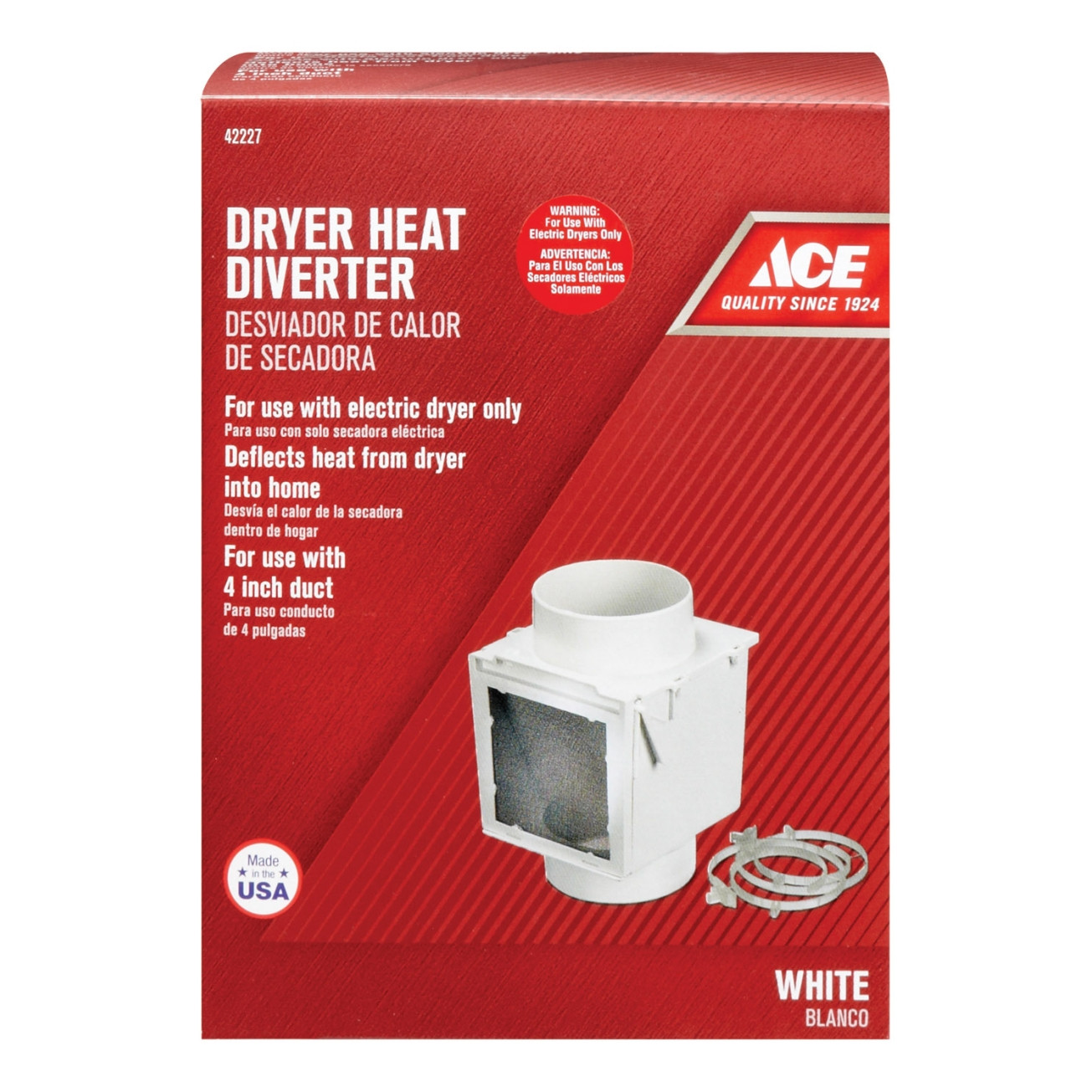
Some kits use water traps to catch lint and moisture. But these are only safe for electric dryers—never gas dryers. Even then, indoor kits are not recommended for regular use, as they can still cause moisture problems.
Condenser Dryers
A condenser dryer collects moisture in a reservoir instead of venting outside. These are popular in Europe and small homes. They cost more but solve venting issues.
Here’s a comparison of vented vs. condenser dryers:
| Feature | Vented Dryer | Condenser Dryer |
|---|---|---|
| Installation | Needs outdoor vent | No vent required |
| Moisture Output | Vapor released outside | Collected in tank |
| Cost | Lower | Higher |
| Maintenance | Clean vent | Empty water tank |
Professional Vent Installation
If unsure, hire a licensed HVAC contractor. They can install safe, code-compliant vents and check for leaks. A professional install costs $200–$500, but it can prevent costly repairs and safety issues.
What Happens If You Vent Into The Garage?
Let’s look at real scenarios:
- Mold and mildew: Within months, garages vented from dryers often show mold on walls and ceilings.
- Rust: Tools, bikes, and cars in the garage can start to rust from constant moisture.
- Failed inspections: Home sales are delayed or blocked when inspectors see garage dryer vents.
- Insurance claims denied: If a fire starts from a garage dryer vent, insurers often refuse to pay.
These problems can cost thousands in repairs or lost value.
Key Steps For Safe Dryer Venting
If you want to change your vent, follow these steps:
- Plan the shortest path to an outside wall.
- Use rigid metal ducting—never plastic or foil.
- Seal joints with aluminum tape.
- Keep vent length under 25 feet (less if bends).
- Install a backdraft damper at the wall exit to stop pests.
- Clean the vent every 6–12 months.
- Check local codes before starting.
Here’s a quick comparison of vent materials:
| Material | Fire Safety | Durability | Code Approved |
|---|---|---|---|
| Rigid Metal | High | High | Yes |
| Flexible Foil | Low | Medium | Some areas |
| Plastic | Low | Low | No |
Credit: www.diychatroom.com
The Impact On Home Value
A dryer vented into the garage is a red flag for buyers. Homes with improper venting can lose up to 5% of value compared to similar homes, according to real estate agents. Inspectors often require the vent to be fixed before closing.
Proper venting:
- Shows the home is cared for
- Prevents mold and moisture issues
- Avoids insurance and legal problems
Dryer Vent Maintenance Tips
Even if your vent leads outside, regular maintenance is important:
- Clean lint trap after every load
- Clean vent pipe every 6–12 months
- Check outside vent flap for blockages
- Replace damaged ducting right away
A clean vent saves energy and lowers fire risk.
Credit: diy.stackexchange.com
Real-world Example
In 2020, a family in Illinois vented their dryer into the garage for convenience. Within a year, mold grew on the ceiling, tools rusted, and their home insurance refused to pay for repairs after a small fire. They had to reroute the vent outside, costing $800 for repairs and cleaning.
This story shows the real risks of improper venting.
How To Check If Your Dryer Vent Is Safe
If you’re not sure about your vent setup:
- Look for moisture or lint in the garage
- Check if the vent pipe goes outside, not into an enclosed space
- Ask a home inspector or HVAC professional
If you find problems, fix them right away.
Environmental Concerns
Improper dryer venting can affect the environment. Moisture and lint released into garages can find their way outside, polluting air and water. Proper venting keeps homes and neighborhoods cleaner and safer.
Expert Recommendations
Building experts and safety groups, including the National Fire Protection Association (NFPA), recommend venting dryers outdoors using rigid metal ducting. If you need more information, check the Wikipedia page on clothes dryers for technical details.

Credit: forum.nachi.org
Frequently Asked Questions
Is It Ever Safe To Vent A Dryer Into The Garage?
No, it is not safe. Both electric and gas dryers release moisture, lint, and (for gas dryers) carbon monoxide. These are dangerous in enclosed spaces like garages. Local codes also forbid this setup.
What Happens If I Already Vented My Dryer Into The Garage?
You should reroute your vent as soon as possible. Mold, fire risk, and insurance issues can happen quickly. Hire a professional if needed to make sure your vent leads outside.
Are There Any Alternatives To Outdoor Venting?
Condenser dryers are a good alternative if you can’t vent outside. Indoor vent kits are possible for electric dryers, but only for temporary use, and they still create moisture problems.
How Often Should I Clean My Dryer Vent?
Clean the lint trap after every load. Clean the vent pipe every 6–12 months. If you notice longer drying times, check the vent for blockages right away.
Will Improper Venting Affect My Home’s Value?
Yes, homes with improper dryer venting often lose value and can fail inspections. Buyers and inspectors see garage vents as a safety risk and may require repairs before closing.
Venting your dryer into the garage may seem easy, but it brings serious risks—fire, mold, legal trouble, and loss of home value. Safe venting protects your home and your family. If you’re unsure about your setup, check with a professional or follow code-approved guidelines.
Proper maintenance and safe installation will keep your dryer running efficiently for years to come.