
You turn on the bathroom sink, expecting hot water. Instead, you get only cold, even though hot water works everywhere else in your home. This is confusing, inconvenient, and sometimes worrying. Many homeowners and renters face this problem, often not knowing where to begin. The good news is that most causes are fixable—sometimes without calling a plumber. Understanding why there’s no hot water in the bathroom sink but everywhere else can save you money, time, and stress. Let’s explore the common causes, how to diagnose them, and what steps to take.
Why Does Hot Water Work Everywhere Except The Bathroom Sink?
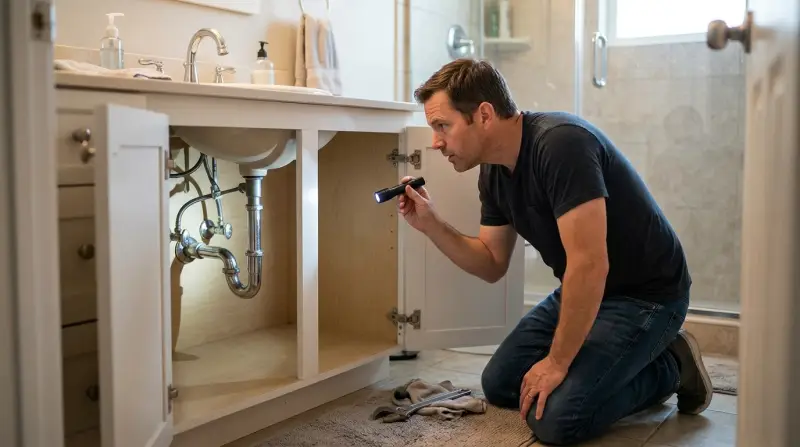
This problem usually means the hot water system in your home is fine, but something is wrong between the water heater and the bathroom sink. The issue could be in the pipes, the faucet, or even the shutoff valves under the sink. Unlike a total hot water failure, this is a localized problem, often narrowed down to a few key components.
Main Causes At A Glance
Here’s a quick overview of what can cause this issue:
- Closed or partially closed shutoff valve
- Clogged aerator or faucet cartridge
- Faulty mixing valve
- Broken faucet
- Pipe blockage or frozen pipe
- Cross-connected plumbing
- Supply line issue
Each of these is explored in detail below, with step-by-step instructions and practical tips.
Checking The Basics: Quick First Steps
Before diving into complex plumbing, it’s smart to check the simplest solutions first. Sometimes, the fix is easier than you think.
Is The Hot Water Valve Open?
Under your bathroom sink, you’ll find two shutoff valves: one for hot and one for cold. The hot water shutoff valve might be:
- Accidentally closed during cleaning or repairs
- Partially closed, restricting flow
Turn the valve counterclockwise to ensure it’s fully open. If you’re renting, someone may have closed it without telling you.
Test The Faucet For Both Hot And Cold
Turn on the cold water tap—does it flow normally? Now try the hot water. If cold works but hot does not (or is very weak), it’s likely a problem with the hot supply line or faucet.
Common Causes And How To Fix Them
Once you’ve checked the basics, dig deeper into specific causes. Here’s how to identify and address each one.
Clogged Aerator Or Faucet Cartridge
The aerator is the small screen at the end of your faucet. Over time, mineral deposits or debris can block hot water flow, especially if your area has hard water. Sometimes, the cartridge inside the faucet gets clogged or fails.
How To Diagnose
- Unscrew the aerator from the faucet and inspect for debris or buildup.
- Run the hot water without the aerator. If flow improves, clean or replace the aerator.
- If the problem remains, the cartridge may be blocked.
Fixing It
- Remove the faucet handle (usually with a screwdriver)
- Take out the cartridge (refer to the faucet manual)
- Soak in vinegar to remove minerals, or replace if damaged
Cartridges are inexpensive. Replacing a cartridge often solves flow problems in older faucets.
Faulty Or Misadjusted Mixing Valve
Some modern sinks have a mixing valve under the sink or inside the faucet, blending hot and cold water. If this valve is misadjusted or broken, you’ll get only cold water.
How To Check
- Look under the sink for a small mixing valve (sometimes a dial or lever)
- Adjust it slowly and test the hot water again
If adjusting does not restore hot water, the valve may need replacement.
Broken Or Blocked Shutoff Valve
Shutoff valves can fail internally, especially in older homes. The handle may turn, but the valve inside could be stuck or blocked.
Signs Of A Bad Valve
- Valve feels loose or spins freely
- No water flow even when valve is fully open
Solution: Replace the valve. This may require shutting off the home’s main water supply.
Pipe Blockage Or Frozen Pipe
If you live in a cold climate, pipes under the sink can freeze. In warm areas, mineral buildup or debris can block the hot water pipe.
Diagnosing The Problem
- Feel the pipe under the sink. If it’s extremely cold and outside temperatures are low, it may be frozen.
- Listen for unusual sounds like banging or whistling when turning on the hot tap.
What To Do
- For frozen pipes: Gently warm the pipe with a hair dryer. Never use an open flame.
- For mineral blockage: A plumber may need to flush the pipe or replace sections if buildup is severe.
Cross-connected Plumbing
In rare cases, a plumbing cross-connection sends cold water into the hot line, overpowering the hot flow.
Signs
- Hot water works fine in other rooms
- Bathroom sink only gets cold, even after running for a while
Solution: This often requires a plumber to trace and correct the piping.
Broken Faucet
Sometimes, the faucet itself is the problem. Internal parts can wear out, especially in single-handle models.
What To Look For
- Handle feels loose or wobbly
- No resistance when turning to hot
Fix: Replace the faucet if repairs do not restore hot water.
Comparison Of Common Causes
To help you quickly compare the most likely issues, here’s a summary:
| Problem | Symptoms | DIY Fix? | Estimated Cost |
|---|---|---|---|
| Shutoff Valve Closed | No hot water, cold works | Yes | $0 |
| Clogged Aerator/Cartridge | Weak or no hot water | Yes | $5-30 |
| Faulty Mixing Valve | Only cold or lukewarm water | Yes/No | $15-50 |
| Pipe Blockage | No hot water, sometimes noise | No | $100-300 |
| Broken Faucet | No or low hot water, loose handle | Yes | $25-150 |
When To Call A Professional
Some problems are easy to fix, but others require a licensed plumber. Here’s when you should call in help:
- If you suspect a pipe blockage or cross-connection
- After checking the shutoff valves and aerator with no results
- When pipes are hidden in walls or floors
- If you are uncomfortable working with plumbing
Many plumbers offer free estimates. If you’re unsure, a quick call can help you decide.
Preventing Future Hot Water Problems
Once you’ve fixed the problem, you’ll want to prevent it from happening again.
Regularly Check Shutoff Valves
Make sure valves under your sinks are fully open and not leaking. Turn them once or twice a year to prevent sticking.
Clean Aerators And Cartridges
In areas with hard water, clean your aerators and faucet cartridges every 6-12 months. This prevents buildup and keeps water flowing.
Insulate Pipes
If your bathroom is on an exterior wall or in a cold part of the house, use foam pipe insulation to prevent freezing.
Invest In Quality Fixtures
Cheap faucets and valves often fail sooner. Spending a little more can save you from frequent headaches.
Diy Vs Professional Repair: What To Expect
You might be wondering if you can fix the issue yourself, or if you’ll need a plumber. Here’s a comparison to help you decide:
| Task | DIY Difficulty | Time Needed | Risks |
|---|---|---|---|
| Open Shutoff Valve | Easy | 2 min | None |
| Clean Aerator | Easy | 5-10 min | Minimal |
| Replace Cartridge | Moderate | 30-60 min | Leaks if not installed correctly |
| Replace Shutoff Valve | Advanced | 1-2 hours | Water damage |
| Fix Pipe Blockage | Advanced | Varies | Major leaks, damage |
Insight: If you try a DIY fix, shut off water to the sink first. Place a bucket under the pipes to catch any drips.
Non-obvious Insights Most People Miss
- Mixing valves hidden under sinks: Many people don’t realize their bathroom sink may have a small mixing valve, especially with newer faucets. Adjusting or replacing this can solve the issue.
- Water heater settings rarely to blame: If hot water is available elsewhere, adjusting the water heater temperature will not help your bathroom sink. Focus on the supply lines and fixtures instead.
- Aerators can clog unevenly: Sometimes, only the hot side of a dual-aerator faucet gets blocked because of mineral deposits. Unscrewing and checking both sides can reveal the issue.
- Old homes with galvanized pipes: These pipes can rust from the inside, blocking hot water flow to specific fixtures even if other lines are fine.

Example: A Real-life Scenario
Sarah lives in an older house. One morning, her bathroom sink delivers only cold water, but her shower and kitchen have hot water as usual. She checks the shutoff valve—fully open. Next, she removes the aerator, revealing heavy mineral buildup.
After cleaning it, hot water returns.
This example shows how a simple fix can save the cost and hassle of a plumber. Not every case is this easy, but it’s always worth checking the basics first.

Frequently Asked Questions
What Should I Check First If There’s No Hot Water In My Bathroom Sink?
Start with the shutoff valve under the sink—make sure it’s fully open. Next, remove the aerator from the faucet and check for clogs or buildup. These are the most common and simple issues.
Can A Bad Faucet Cause No Hot Water Only In The Bathroom Sink?
Yes, a faulty faucet—especially the internal cartridge—can block hot water flow. Replacing or cleaning the cartridge often solves the issue.
How Do I Know If My Pipes Are Frozen?
If it’s cold outside and the pipe under your sink feels very cold or has frost, it might be frozen. You may also hear banging or see no water flow at all.
Is It Safe To Fix These Problems Myself?
Simple tasks like opening valves and cleaning aerators are safe. For more complex issues like replacing shutoff valves or fixing pipe blockages, it’s better to call a licensed plumber.
Why Does The Hot Water Take Longer To Reach The Bathroom Sink?
Longer pipes or thin supply lines can delay hot water. If the wait is new or unusually long, check for blockages or a partially closed valve.
If you need more detailed plumbing advice, the International Association of Certified Home Inspectors offers helpful guides: InterNACHI Plumbing Resources.
Hot water problems isolated to the bathroom sink are common, but rarely serious if you follow these steps. With a little patience and the right approach, you can restore comfort and convenience to your home.