
When you turn on your washing machine, do you notice the shower gets weaker or your kitchen tap slows to a trickle? Many homeowners and renters face this issue: water pressure drops when washing machine is running. This problem can be more than a small annoyance. It often points to something in your plumbing system that’s not quite right. Ignoring it may even lead to bigger issues down the road.
Let’s take a closer look at why this happens, what it means for your home, and, most importantly, what you can do about it. Whether you’re a DIY enthusiast or just trying to understand your home better, this guide will help you find answers and solutions.
Why Does Water Pressure Drop When The Washing Machine Runs?
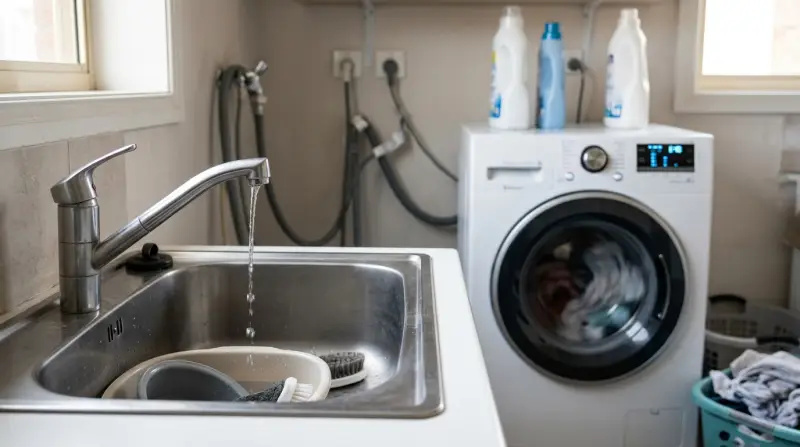
When several appliances need water at the same time, your plumbing system has to share what’s available. Washing machines use a lot of water quickly, especially during their fill cycles. If your pipes or supply can’t keep up, pressure drops everywhere else.
Main Causes
- Pipe Size: Older homes often have narrow pipes. These can’t deliver enough water for multiple uses at once.
- Low Main Water Pressure: If the water pressure entering your home is already low, adding a washing machine can easily overwhelm the system.
- High Demand: Other appliances—showers, dishwashers, outdoor hoses—add to the demand. Too many running at once reduces pressure for each.
- Faulty Pressure Regulator: Some homes have a pressure reducing valve to keep pressure safe. If it’s stuck or failing, you’ll notice pressure problems.
- Clogged Pipes: Hard water deposits, rust, or even debris can build up, narrowing pipes and reducing flow.
- Shared Water Line: If your washing machine shares a line with another key fixture, they’ll compete for water.
Example
Imagine your water main provides 40 psi (pounds per square inch), just enough for light use. When your washing machine starts, it might use 10 psi, leaving only 30 psi for other taps. If someone showers at the same time, both will get weak flow.
How Different Washing Machines Affect Water Pressure
Not all washing machines use water the same way. Some are gentle on your pipes, while others demand a lot at once.
| Machine Type | Average Water Use (per cycle) | Pressure Impact |
|---|---|---|
| Top-Load (Old) | 40-45 gallons | High |
| Top-Load (HE) | 15-25 gallons | Medium |
| Front-Load | 10-20 gallons | Low |
Older top-loaders tend to use a lot more water at once, causing bigger drops in pressure. High-efficiency (HE) and front-loaders spread out their water use and are gentler on your plumbing.
How Water Pressure Problems Affect Daily Life
A sudden drop in water pressure isn’t just annoying—it can disrupt your day and even damage appliances:
- Cold showers: Low pressure often means your shower can’t keep up with hot water demand.
- Slow dishwashing: Filling the sink or running a dishwasher takes longer.
- Weak toilet flushes: Toilets may not refill properly, leading to incomplete flushes.
- Appliance wear: Washing machines working under low pressure may struggle and wear out sooner.
Over time, these small headaches add up. You might even see higher energy bills as appliances run longer.
How To Diagnose The Problem
Before fixing, you need to know what’s wrong. Here’s how to start:
- Test water pressure at a faucet with a cheap pressure gauge. Standard home pressure is 40–60 psi. If it drops below 40 psi when your washing machine runs, you have an issue.
- Check water flow at different taps when the washing machine is off, then again when it’s on. Notice which fixtures are most affected.
- Inspect the pipes for visible leaks, corrosion, or mineral buildup.
- See if other appliances cause drops. If running the dishwasher or flushing the toilet also drops pressure, the problem is likely your whole system.
Common Overlooked Clues
- Sudden pressure changes can point to a failing pressure regulator.
- Only hot water drops? Your water heater or its pipes may be the problem.
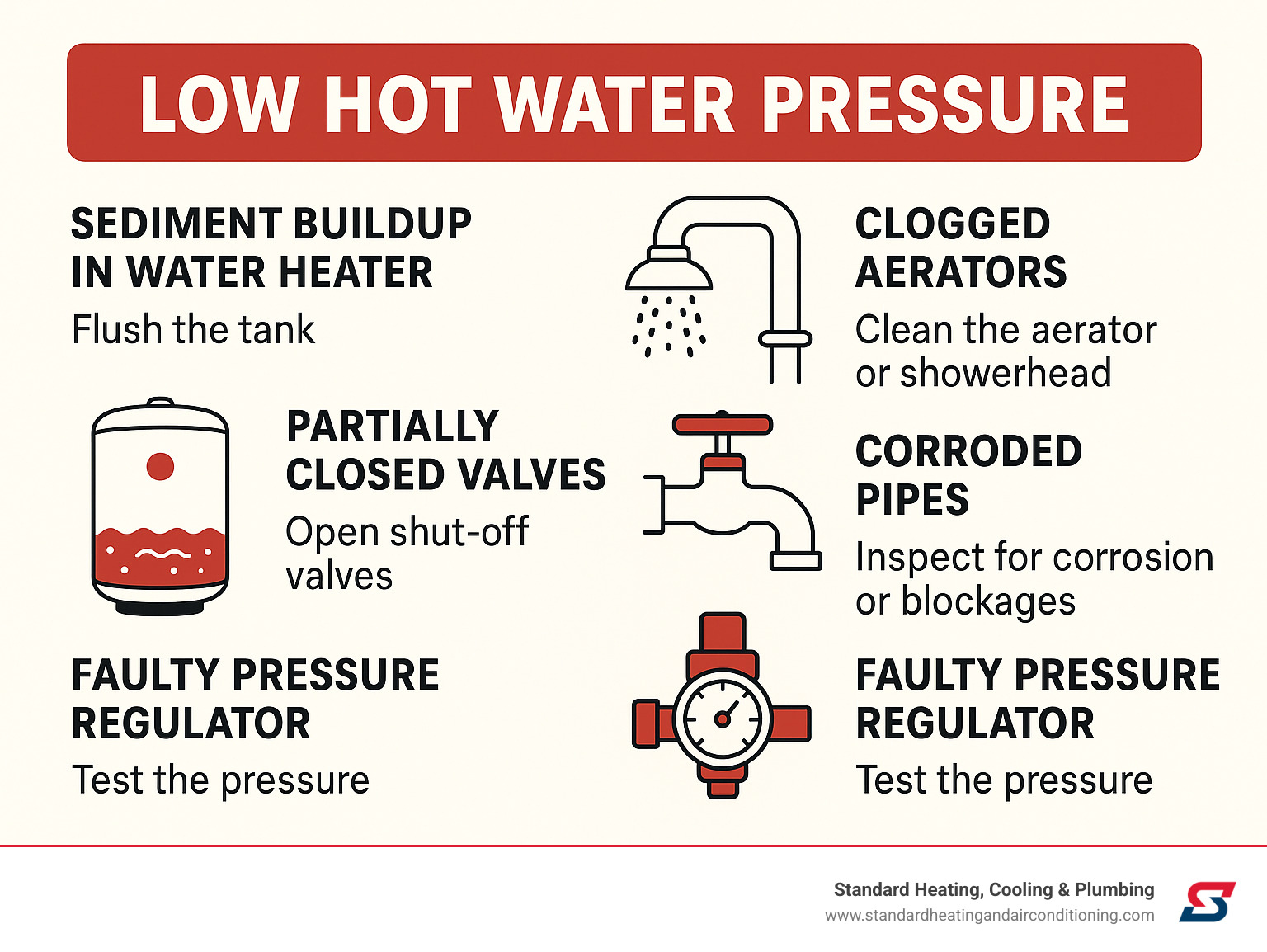
Practical Solutions To Water Pressure Drops
You can often fix or reduce these issues with simple changes. Sometimes, though, you’ll need a plumber’s help.
Simple Fixes
- Schedule machine use: Run your washing machine when others aren’t showering or using water.
- Clean faucet aerators: Sediment can collect and block water flow.
- Check supply hoses: Kinked or clogged hoses leading to your washing machine slow water flow.
Upgrades And Repairs
- Increase pipe size: Upgrading to larger pipes (like 3/4-inch instead of 1/2-inch) lets more water flow to multiple places at once.
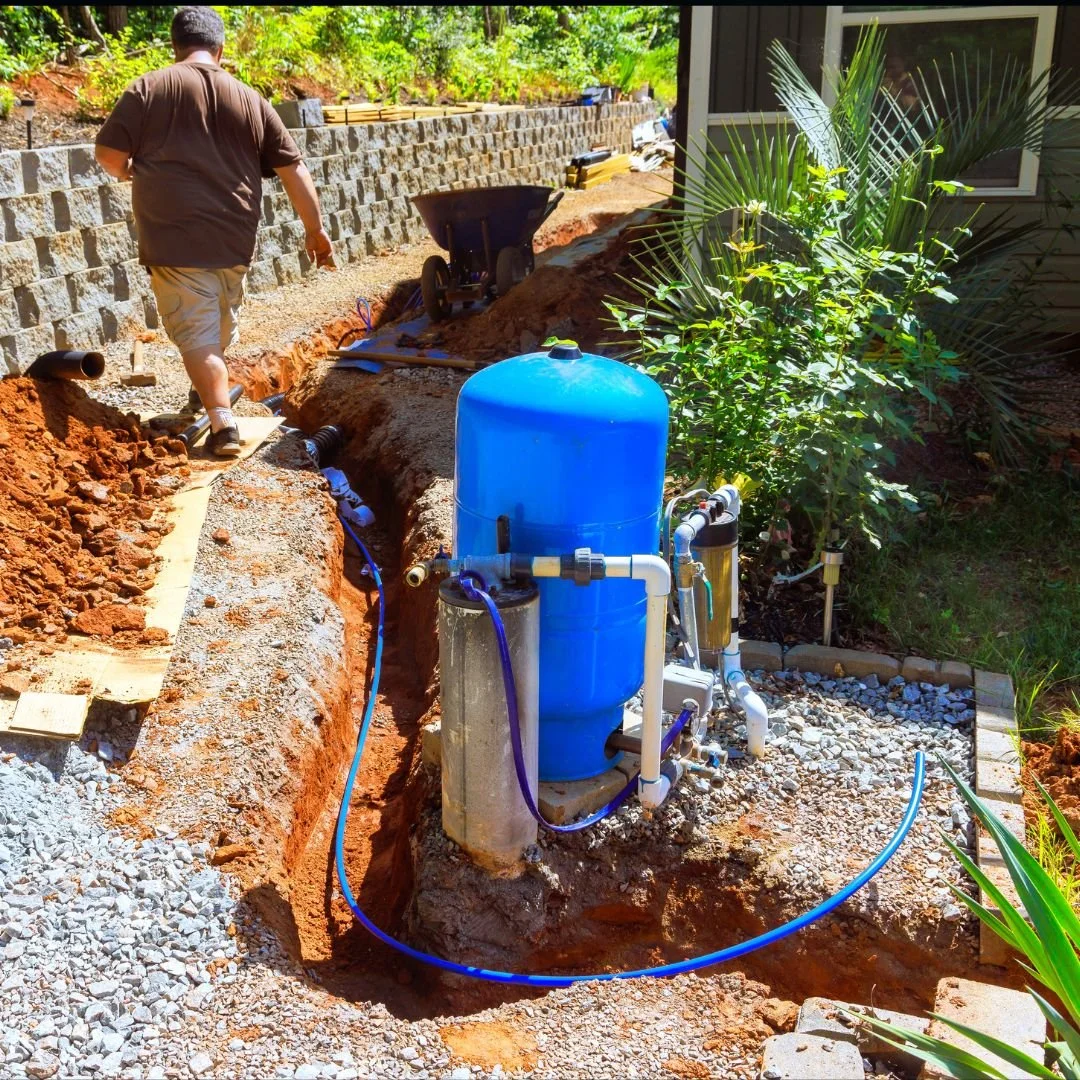
- Install a pressure-boosting pump: These pumps help homes with low incoming pressure.
- Replace old washing machines: Newer machines use less water and often fill more slowly.
- Service or replace pressure regulators: A plumber can test and adjust or swap out a bad valve.
- Flush or replace pipes: Professional descaling or pipe replacement removes blockages and restores flow.
When To Call A Plumber
If you try simple fixes and still notice a big drop, or see leaks and corrosion, call a pro. Plumbing issues can get worse quickly and lead to water damage or higher bills.
Comparing Solutions: Cost, Ease, And Effectiveness
Here’s a quick look at how different solutions stack up:
| Solution | Average Cost | DIY-Friendly | Effectiveness |
|---|---|---|---|
| Clean aerators/hoses | $0–$20 | Yes | Low to Medium |
| Schedule usage | $0 | Yes | Medium |
| Upgrade pipes | $800–$2,000+ | No | High |
| Install booster pump | $300–$900 | Sometimes | High |
| Replace regulator | $200–$500 | No | Medium to High |
| Buy new washing machine | $500–$1,200 | Sometimes | Medium to High |
Mistakes To Avoid
Many people waste time and money chasing the wrong fixes. Here are some common mistakes:
- Replacing appliances too soon: Sometimes, the washing machine isn’t the problem at all.
- Ignoring pipe size: Upgrading fixtures won’t help if your pipes are too small for your home’s needs.
- Skipping regular maintenance: Neglecting simple steps, like cleaning aerators or checking for leaks, can make pressure drops worse.
- Overlooking local water supply limits: Sometimes, the main supply can’t provide more pressure especially in older neighborhoods.
Non-obvious Insights Most People Miss
First, many assume only the washing machine causes drops, but peak demand is the real problem. If your shower, dishwasher, and washing machine all run together, even a perfect system can struggle. Try separating appliance cycles, and you might see instant improvement.
Second, even small leaks or slow drips in your plumbing system can add up to big pressure drops. A single dripping faucet might not seem serious, but together with a washing machine, it can tip the balance. Fix every leak, no matter how small.

How To Prevent Water Pressure Drops
Stay ahead of problems with these steps:
- Regularly check for leaks under sinks, at hose connections, and around appliances.
- Flush pipes annually if you have hard water to remove mineral buildup.
- Replace old supply hoses every five years.
- Ask your plumber about pipe size and pressure regulation if your home is over 30 years old.
- Install water softeners where hard water is common; they help prevent clogs.
These habits not only protect pressure but can extend the life of your plumbing and appliances.
What To Do In Apartments And Shared Buildings
If you live in an apartment or a building with shared plumbing, you have less control. Here are some strategies:
- Coordinate laundry times with neighbors if possible.
- Report pressure issues to your building manager—they may be able to adjust main valves or schedule repairs.
- Install a small booster pump (with permission), which can help in some cases.
- Use water during off-peak hours, like mid-morning or late evening, when fewer people are using it.
When Water Pressure Is A Safety Issue
Sometimes, a sudden drop in pressure signals a bigger problem, like a major leak or a burst pipe. If you notice these signs, act fast:
- Water stains on walls or ceilings
- Constantly running water sounds
- Unexpectedly high water bills
- Wet spots in your yard or basement
Turn off your main water supply and call a plumber immediately. Quick action can prevent thousands of dollars in damage.
Understanding Local Water Codes And Your Rights
Water pressure isn’t just about comfort; it’s also regulated by building codes in most cities. The Uniform Plumbing Code recommends a minimum of 15 psi and a maximum of 80 psi for homes. If your home consistently drops below this, you may have the right to ask your utility for help.
Some water suppliers will check your main line or even offer pressure testing. Learn more about local codes and recommended pressures from your city’s website or a trusted source like the EPA WaterSense program.
Frequently Asked Questions
Why Does My Shower Lose Pressure Only When The Washing Machine Runs?
This happens because both your shower and washing machine are using the same water supply line. The washing machine quickly draws water, so less is left for your shower, causing a pressure drop.
Can A New Washing Machine Fix My Water Pressure Problem?
Sometimes. Newer, high-efficiency machines use less water and spread out their demand, so they’re less likely to cause pressure drops. But if your pipes are too small or your main pressure is low, the problem may continue.
Is It Safe To Use A Booster Pump At Home?
Yes, as long as it’s installed correctly and your pipes are in good shape. A booster pump increases water pressure but can stress old or damaged pipes if they aren’t ready for higher pressure.
How Do I Know If My Pressure Regulator Is Faulty?
Signs of a bad regulator include sudden changes in water pressure, pressure that’s too high or low throughout the house, or a regulator that’s more than 10 years old. A plumber can test and replace it if needed.
Will Cleaning My Supply Hoses Help?
Yes, cleaning or replacing old, kinked, or clogged supply hoses can improve flow to your washing machine and other fixtures. This is a simple and affordable first step.
Solving water pressure drops when your washing machine is running takes a bit of detective work and sometimes a small investment. By understanding how your plumbing works and taking the right steps, you can restore strong, reliable water flow to every part of your home.
Don’t let a weak shower or slow tap ruin your day get to the root of the problem and enjoy a better, more comfortable home.
2 thoughts on “Water Pressure Drops When Washing Machine is Running: Fix Fast”