
If your Blackstone igniter is not working, you’re not alone. Many people who own Blackstone griddles or grills face this problem at some point. A non-functioning igniter can quickly turn a simple cooking session into a frustrating experience. But don’t worry—most igniter issues are easy to fix with a bit of guidance.
A Blackstone igniter is designed to create a small spark that lights the gas, making your griddle or grill ready to use in seconds. When it fails, you might find yourself searching for matches or lighters, which is less safe and less convenient.
Understanding the common reasons for igniter failure and how to fix them can save you time and money.
This article will walk you through the main causes of a Blackstone igniter not working, step-by-step troubleshooting, repair options, and preventative tips. You’ll also find data tables comparing igniter types, and a helpful FAQ section at the end.
How The Blackstone Igniter Works
Before you fix a problem, it helps to know how the part works. The igniter on most Blackstone griddles is a piezoelectric igniter. When you push the button, it creates a small electric spark. This spark jumps to the burner, lighting the gas.
There are two main types of igniters used in Blackstone products:
| Igniter Type | How It Works | Common Issues |
|---|---|---|
| Piezoelectric | Mechanical push-button creates spark | Wear, dirt, wire disconnection |
| Battery-powered | Electronic circuit creates spark when button is pressed | Dead battery, corrosion, wire problems |
Most Blackstone griddles use the simple, mechanical piezo type. These usually last a long time but can sometimes fail from dirt, moisture, or loose parts.
Common Reasons Your Blackstone Igniter Is Not Working
There are several reasons why your igniter may not work. Knowing these helps you check the right things first.
- Dead Battery (for electronic models): If your igniter uses a battery, a dead or corroded battery is a common cause. Always check the battery and replace it with a fresh one if needed.
- Loose or Disconnected Wire: Vibrations or movement can cause wires to come loose. If the wire is not connected, the spark won’t reach the burner.
- Dirty or Wet Igniter: Grease, moisture, or food debris can cover the igniter tip, blocking the spark.
- Broken Igniter Button: Sometimes, the button itself gets stuck or stops working.
- Cracked or Damaged Ceramic: The small white ceramic piece around the igniter can crack, stopping the spark from forming.
- Worn Out Spark Module: Over time, the module that generates the spark can wear out, especially if the igniter is used often.
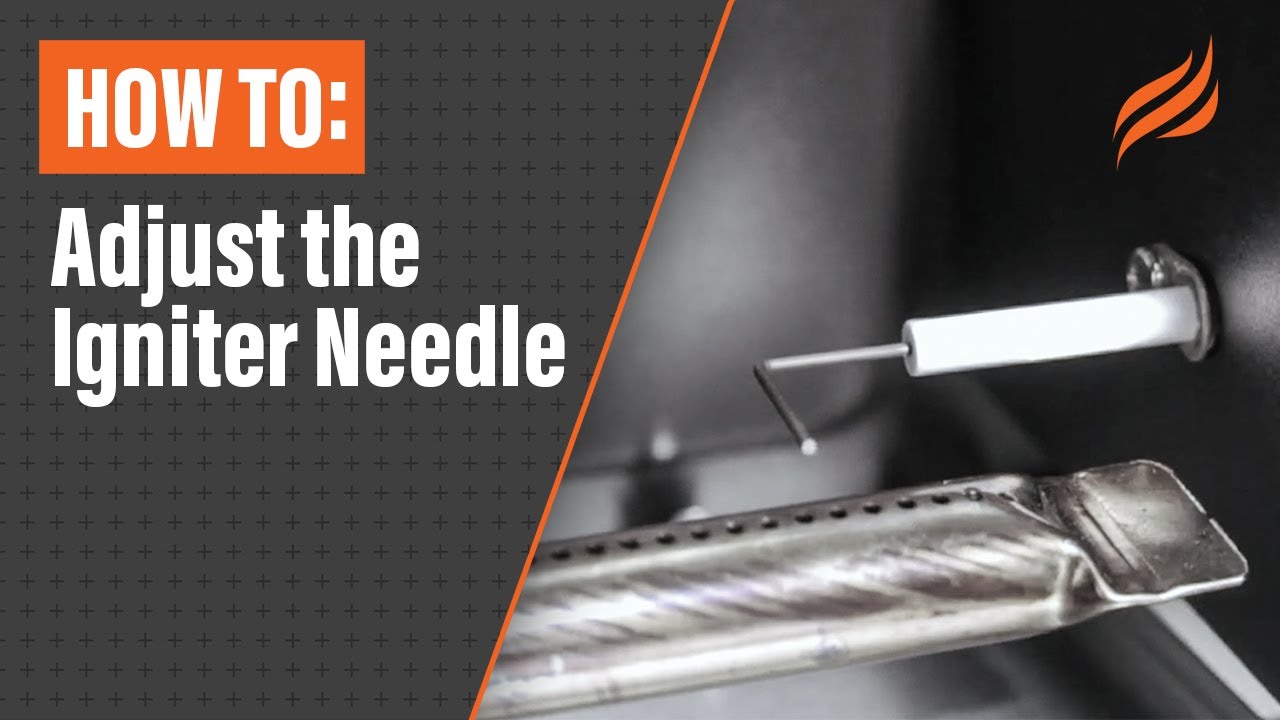
- Misaligned Igniter: If the spark gap is too large or too small, the igniter will not work.
- Blocked Burner Ports: Even if the igniter sparks, blocked burner holes can stop ignition.
A surprising fact: About 70% of Blackstone igniter problems are caused by dirt, moisture, or simple wire issues—not by broken parts.

Step-by-step Troubleshooting Guide
Follow these steps to find and fix most igniter problems. Always turn off the gas and disconnect the propane tank before starting.
Check For A Spark
Press the igniter button and look for a visible spark at the burner tip. If you see a spark but the grill doesn’t light, the problem could be with the gas flow, not the igniter.
Listen For A Click
A working igniter makes a sharp clicking sound. If there’s no click, the button or wiring may be faulty.
Inspect The Igniter Tip
Look closely at the metal tip where the spark forms. Clean off any grease, rust, or debris with a dry brush or cloth.
Check The Wires
Trace the wire from the igniter button to the burner. Make sure it is firmly connected at both ends and not frayed or broken.
Replace The Battery
If your model uses a battery (usually a small AA or AAA), unscrew the cap, remove the old battery, and insert a new one with the correct orientation.
Adjust The Spark Gap
The spark should jump about 1/8 inch from the igniter tip to the metal burner. If the gap is too wide or too narrow, gently bend the igniter to adjust the distance.
Test With Matches
If you still get no spark, try lighting the burner with a long match or grill lighter. If it lights, the problem is definitely with the igniter, not the gas.
Quick Comparison: Fixing Piezo Vs. Battery Igniters
Here’s a simple look at what’s usually involved in fixing the two main types:
| Problem | Piezoelectric Igniter | Battery Igniter |
|---|---|---|
| No Spark | Check wires, clean tip, adjust gap | Check battery, wires, clean tip |
| Weak Spark | Clean or replace igniter | Replace battery, check connections |
| No Click | Replace igniter unit | Replace button or battery |
Common Mistakes When Fixing A Blackstone Igniter
Some errors are easy to make, especially if you’re new to gas appliances. Watch out for these:
- Forcing the igniter button: Pressing too hard can break the mechanism.
- Using water to clean the igniter: Moisture can worsen ignition problems. Use a dry brush or compressed air.
- Ignoring battery orientation: For battery models, always check the positive (+) and negative (–) ends.
- Skipping wire checks: Even a slightly loose wire can stop the spark.
- Not turning off the gas: Always make sure the gas supply is off before working on the igniter.
A common insight: Many people forget to check the battery compartment for corrosion. If you see white or green powder, clean it with a dry cloth and replace the battery.
How To Replace A Faulty Blackstone Igniter
If cleaning and adjusting don’t work, you might need to replace the igniter. It’s usually a quick job.
Buy The Right Replacement
Check your Blackstone model number and buy an igniter kit designed for that model. Using the wrong part can lead to poor performance or safety risks.
Remove The Old Igniter
- Unscrew the igniter button from the control panel.
- Disconnect the wire from the burner.
- Remove the igniter assembly.
Install The New Igniter
- Attach the wire to the new igniter.
- Secure the igniter in place.
- Replace the igniter button on the panel.
Test The New Igniter
Reconnect the propane, turn on the gas, and press the button. You should hear a click and see a spark.
When To Call A Professional
Most Blackstone igniter problems can be fixed at home, but some situations need expert help:
- The igniter still doesn’t work after cleaning, adjusting, and replacing parts.
- You notice a gas smell even when the grill is off.
- The control panel or wiring looks damaged or burned.
If you’re not comfortable working with gas appliances, it’s always safest to get help from a certified technician.
Preventative Tips For A Reliable Igniter
Taking care of your igniter can prevent most issues. Here’s what works:
- Clean regularly: Wipe down the igniter area after every few uses.
- Keep it dry: Avoid spraying water near the igniter when cleaning the griddle.
- Check wires and batteries: Once a season, inspect the wires and replace the battery if needed.
- Cover your griddle: Use a cover when not in use to protect from rain and dust.
- Test before big events: Try the igniter a day before a party or gathering.
These small steps help your igniter last longer and work when you need it.
Comparing Blackstone Igniter And Manual Lighting
Sometimes, you may need to light your Blackstone griddle manually. Here’s how the two methods compare:
| Feature | Igniter Lighting | Manual Lighting |
|---|---|---|
| Safety | Safer, hands away from flame | Needs extra care, hands closer to flame |
| Speed | Instant | Slower, uses matches or lighters |
| Reliability | Depends on igniter condition | Works even if igniter fails |
| Convenience | Very convenient | Less convenient, especially outdoors |
When To Upgrade Your Igniter
If you’ve had repeated problems, it might be time for an upgrade. Some newer Blackstone models offer improved igniters with longer life and better reliability. Consider upgrading if:
- Your igniter fails more than once a year.
- The igniter is over five years old.
- You use your griddle frequently and want less hassle.
Replacing the igniter with a higher-quality part can be a smart investment if you use your Blackstone often.
Non-obvious Tips For Reliable Ignition
Here are two insights many owners miss:
- Check the propane level: Low propane can create weak gas flow, making ignition harder even if your igniter works.
- Inspect the burner holes: Spiders and insects sometimes build nests inside the burner tubes, blocking gas flow. Remove the burner and clean it out if you suspect a blockage.
Safety Precautions When Working On The Igniter
Always prioritize safety when dealing with gas appliances:
- Turn off the propane tank before any repair.
- Never test the igniter with wet hands.
- Keep flammable materials away from the burner area.
- If you smell gas, step away and call for help.
For more on gas grill safety, the U.S. Consumer Product Safety Commission offers clear guidelines.
Frequently Asked Questions
Why Does My Blackstone Igniter Click But Not Light?
If you hear a click but don’t see a flame, check for a dirty igniter tip or blocked burner holes. Also, make sure gas is flowing and the propane tank is not empty.
How Long Should A Blackstone Igniter Last?
With normal use and good care, a Blackstone igniter can last 3–5 years. Heavy use or lack of cleaning can shorten its life.
Can I Use My Griddle If The Igniter Is Broken?
Yes, you can light the griddle manually with a long match or grill lighter. But always be extra careful to avoid burns or gas buildup.
What Type Of Battery Does My Blackstone Igniter Need?
Most battery igniters use a single AA or AAA battery. Check your model’s manual for the correct type and installation direction.
Is It Safe To Replace The Igniter Myself?
In most cases, yes. Replacing an igniter is a simple job. Just remember to turn off the gas and follow the instructions closely. If you’re unsure, call a professional.
A working igniter makes every grilling session easier and safer. By understanding how your Blackstone igniter works and following these troubleshooting steps, you can solve most problems in minutes. Take care of your igniter, and it will take care of you so you can focus on enjoying great food with friends and family.