
Mercedes-Benz is known for luxury, innovation, and advanced technology. In recent years, the company introduced mild hybrid systems to many of its models. These systems promise better fuel efficiency, smoother driving, and lower emissions. But as more owners drive these cars daily, certain Mercedes mild hybrid problems are becoming clear. If you’re considering a Mercedes mild hybrid, or already own one, understanding these issues is crucial. This guide explores the common problems, real-world experiences, and what you can do to avoid costly surprises.
What Is A Mercedes Mild Hybrid?
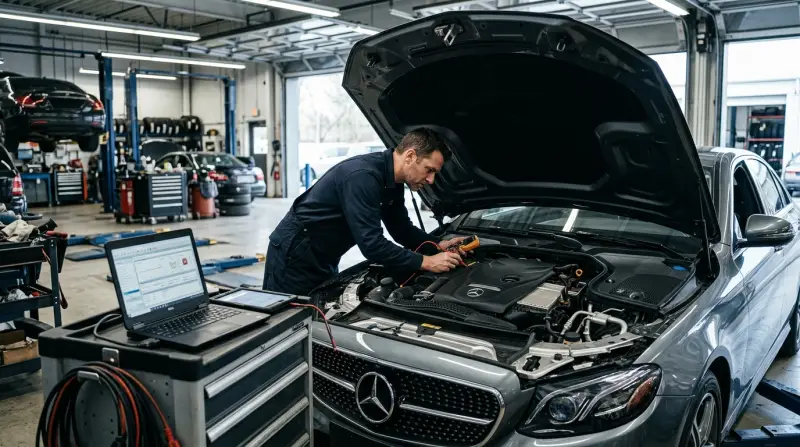
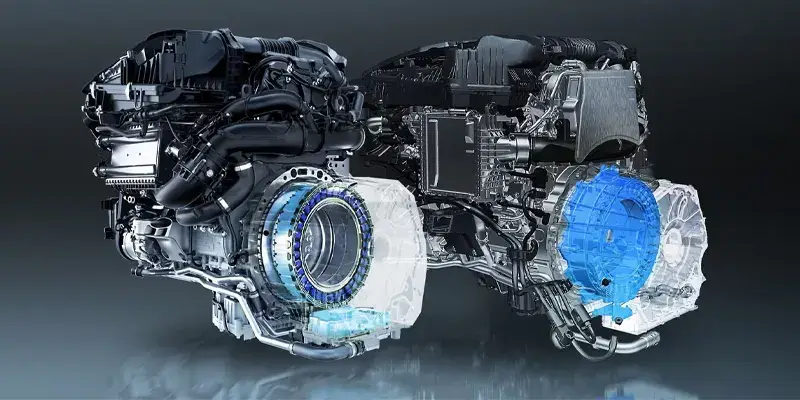
A mild hybrid is different from a full hybrid or plug-in hybrid. In Mercedes-Benz cars, a small electric motor supports the gasoline or diesel engine. This electric motor is sometimes called EQ Boost. It helps with:
- Starting the engine smoothly
- Giving extra power when accelerating
- Saving fuel by shutting off the engine when stopped
The mild hybrid system uses a 48-volt battery, which is more powerful than standard 12-volt systems. But it cannot drive the car on electricity alone. The main goal is to make the driving experience smoother and more efficient.
Common Mercedes Mild Hybrid Problems
Even with Mercedes’ reputation for quality, mild hybrid systems have shown some weak points. Here are the most reported problems by owners and mechanics.
48-volt Battery Failure
The 48-volt battery is the heart of the mild hybrid system. When it fails, the car may:
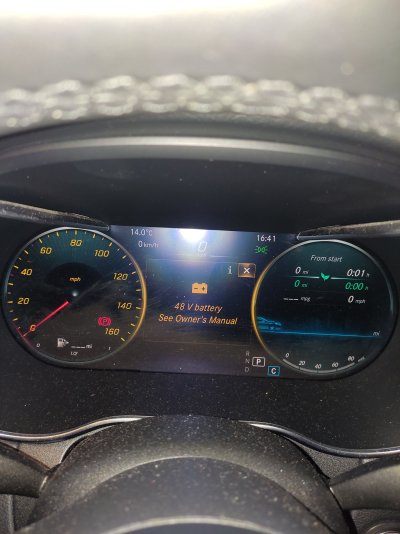
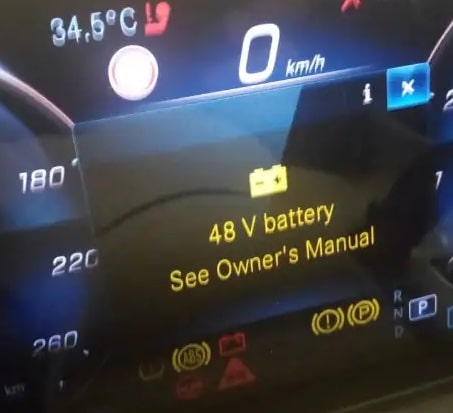
- Display warning messages like “48V Battery Malfunction”
- Lose hybrid functions (e.g., stop/start no longer works)
- Go into limp mode, reducing power
Many owners report battery failure after just 3 to 5 years. Replacing this battery is expensive—usually $1,000 to $2,000 depending on model and labor.
Starter-alternator Issues
The integrated starter-generator (ISG) is the electric motor that helps start the engine and recover energy when braking. Common problems include:
- Noisy or rough engine start
- System errors in the dashboard
- Reduced fuel savings
If the ISG fails, the car may not start at all. Replacement costs can be similar to or higher than the 48V battery.
Software Glitches
Some Mercedes mild hybrid models suffer from software bugs that cause:
- Random warning lights
- Sudden loss of hybrid functions
- Car refusing to start after updates
Dealers often need to update the car’s software, but sometimes the problem returns. This frustrates many owners, especially if it happens out of warranty.
Cooling System Problems
Mild hybrid components, especially the ISG, generate extra heat. If the cooling system is weak, you might see:
- Overheating warnings
- Hybrid system shutting down in hot weather
- Frequent trips to the workshop
Overheating can damage expensive parts and shorten their lifespan.
High Repair Costs
Parts for the mild hybrid system are not cheap. For example:
- 48V battery: $1,000–$2,000
- ISG unit: $2,000–$3,000
- Specialized labor: $150/hour or more
Not all independent mechanics can repair these systems, so owners often must visit official dealerships.
Limited Lifespan In Harsh Conditions
Cars driven in very hot or cold climates report shorter battery life and more hybrid errors. Mercedes mild hybrids seem more sensitive to environment than regular engines.
Inconsistent Fuel Savings
While Mercedes advertises up to 15% better fuel economy, real-world results vary. Some owners see only 5% improvement, especially on highway trips where the hybrid system helps less.
Delayed Spare Parts
Because mild hybrid systems are still new, some parts are hard to find. Waiting weeks for a replacement battery or ISG is not uncommon, especially outside major cities.
Real-world Owner Experiences
Online forums and review sites reveal a pattern: many owners enjoy their Mercedes mild hybrids when new, but problems often appear after the warranty ends. Here are two real stories:
- 2020 Mercedes E450 Owner: Reported a “48V Battery Malfunction” message at 40,000 miles. Dealer quoted $1,800 for repair. The car was out of warranty by just a few months.
- 2021 Mercedes CLS450 Owner: Experienced random hybrid error lights after a routine service. Needed three dealer visits and a software update to fix the issue. Owner lost trust in the system.
One non-obvious insight: some problems show up only after a battery swap or software update—not from normal driving. This means even careful owners can face surprise issues.
Comparison: Mercedes Mild Hybrid Vs Regular Mercedes
To better understand the impact, see the comparison below:
| Feature | Mild Hybrid | Regular Gas/Diesel |
|---|---|---|
| Fuel Economy Improvement | 5–15% (real-world varies) | Base level |
| Starting/Stopping Smoothness | Very smooth | Standard |
| Repair Costs | Higher (special parts) | Lower (common parts) |
| System Complexity | More complex | Less complex |
| Lifespan of Hybrid Parts | 3–7 years (typical) | 8–12 years (engine) |
This table shows that while you get some benefits, the trade-offs are higher costs and more complexity.
Which Mercedes Models Are Most Affected?
Not all Mercedes mild hybrids have the same issues. Problems are most common in:
- E-Class (E350, E450)
- CLS (CLS450)
- S-Class (S450, S500)
- Some GLC and GLE models
The EQ Boost system is used in both 4-cylinder and 6-cylinder engines, so both can be affected. Early production years (2019–2021) tend to show more problems, likely due to first-generation technology.
Signs Your Mercedes Mild Hybrid May Have A Problem
Watch for these warning signs:
- Dashboard messages: Any warning about “48V battery,” “Hybrid System,” or “Electrical System.”
- Rough engine start: Not as smooth as before, or strange noises when starting.
- Stop/Start not working: If the engine no longer shuts off at traffic lights.
- Sudden loss of power: Car feels slow or goes into “limp mode.”
- Increased fuel use: If gas mileage drops, the hybrid system may not be working.
If you see any of these, get your car checked as soon as possible.
How To Reduce Mercedes Mild Hybrid Problems
You can’t control everything, but you can reduce your risk:
- Follow regular service schedules and ask the dealer to check the hybrid system.
- Drive regularly—long periods without driving can drain the 48V battery.
- Keep software updated at the dealer, especially after repairs.
- Avoid jump-starting your car. Use the correct method or call a professional.
- Park in shade or a garage during hot weather to protect the battery.
- Ask about warranty: Some dealers offer extended hybrid system warranties.
A practical tip: If your car is out of warranty, call independent shops that specialize in Mercedes hybrids. They may offer repairs for less than a main dealer.
Mercedes Mild Hybrid Maintenance Costs
Mild hybrid systems add new maintenance items:
| Service Item | Typical Interval | Estimated Cost (USD) |
|---|---|---|
| 48V Battery Replacement | 3–7 years | $1,000–$2,000 |
| Starter-Generator (ISG) | 5–10 years* | $2,000–$3,500 |
| Software Update | As needed | $100–$300 |
| Hybrid System Diagnostics | As needed | $100–$200 |
*ISG lifespan varies with driving style and climate.
Compare this to regular Mercedes models, which rarely need battery or hybrid part replacements.
Are Mercedes Mild Hybrids Worth It?
This depends on your priorities. If you value smooth driving, low emissions, and the newest technology, a mild hybrid Mercedes can be satisfying. But if you want low long-term costs and simple ownership, be aware of the risks.
One insight many buyers miss: the mild hybrid’s main benefit is in city driving, where the stop/start system and regenerative braking work most. On long highway trips, the system does less, so savings are smaller. If you mostly drive in cities, you may see more benefit.
Another point: resale values for mild hybrid Mercedes models are still uncertain. As repair costs become known, values may fall faster than for regular models.
What To Ask Before Buying A Used Mercedes Mild Hybrid
If you are considering a used mild hybrid Mercedes, ask these important questions:
- Has the 48V battery been replaced? If yes, ask for receipts.
- Is there service history for hybrid system checks?
- Are there any warning lights on the dashboard?
- Has the car had the latest software updates?
- How long is the hybrid system warranty still active?
A good used car dealer should answer all these without hesitation. If not, be cautious.
How Mercedes Is Addressing These Problems
Mercedes-Benz knows about these issues and is improving the technology. Newer models use updated batteries, better cooling, and more reliable software. The company also trains technicians on hybrid repairs. But since mild hybrid systems are still relatively new, long-term data is limited.
For more technical information, you can visit the official Mercedes-Benz innovation page.
Frequently Asked Questions
What Does “48v Battery Malfunction” Mean In A Mercedes?
This warning means the mild hybrid battery is not working correctly. The car may lose stop/start and hybrid support. It’s important to have the car checked soon, as driving with this error can cause more damage.
Can I Drive My Mercedes If The Mild Hybrid System Stops Working?
Usually, the car will still drive, but you’ll lose fuel savings and smooth start/stop. Sometimes, the car may enter “limp mode” or refuse to start. It’s best to fix the problem quickly to avoid higher costs.
How Long Does The Mercedes Mild Hybrid Battery Last?
Most 48V batteries last 3 to 7 years. Hot or cold climates can shorten battery life. If you plan to keep the car longer, budget for a replacement after this period.
Is The Mercedes Mild Hybrid System Reliable?
The mild hybrid system is generally reliable when new, but problems increase as the car ages. Battery and starter-generator issues are the most common. Regular service helps, but some failures are unpredictable.
Do Mild Hybrid Mercedes Models Cost More To Maintain?
Yes. While basic maintenance is similar, hybrid parts like the 48V battery and ISG add extra costs. Repairs often require specialized labor and equipment, making them more expensive than regular models.
Mercedes mild hybrids bring modern benefits, but they come with risks and costs that buyers should not ignore. Understanding these problems can help you make a smarter car choice.