
Many people turn to medicine when a cough just won’t go away. One drug often prescribed is benzonatate. It’s supposed to calm your cough and help you rest. But what if benzonatate isn’t working for your cough? This can be frustrating and even worrying, especially if your symptoms continue. Understanding why benzonatate might not work—and what you can do next—is important for your health.
This article explores the reasons why benzonatate may not help your cough, what you should know about the drug, and what options you have if it doesn’t work. By the end, you’ll be better prepared to talk with your doctor and make smart choices for your health.
How Benzonatate Works
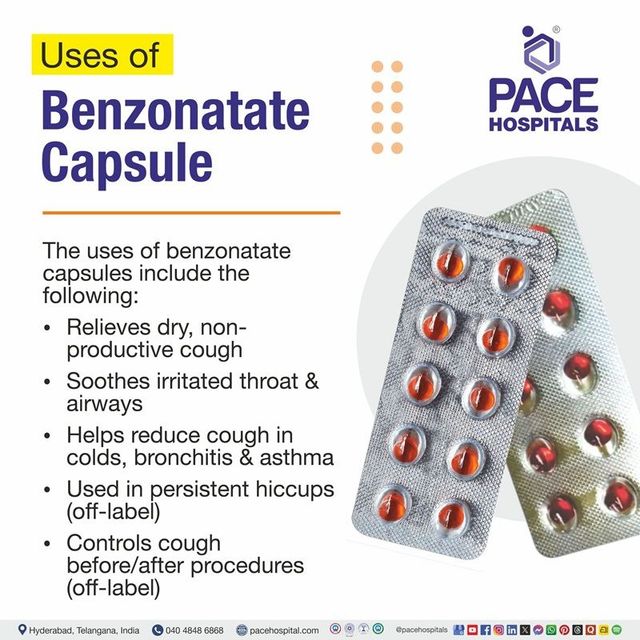
Benzonatate is a prescription cough suppressant. It belongs to a group of medicines called antitussives. When you take it, the medicine numbs certain nerves in your airways. This makes the urge to cough weaker.
Unlike some cough medicines, benzonatate does not contain narcotics. It also does not treat the cause of your cough, such as an infection or allergies. Its main job is to reduce the reflex that makes you cough.
Most people take benzonatate as softgel capsules, usually 100 mg or 200 mg at a time, up to three times a day. It’s important to swallow the capsules whole. Biting, chewing, or sucking them can cause numbness in your mouth and throat, which can be dangerous.
Common Reasons Benzonatate May Not Work
Many people expect quick relief, but sometimes benzonatate doesn’t work as hoped. There are several possible reasons:
- Wrong Cough Type: Benzonatate works best for dry, tickling coughs. It does not help much with “wet” coughs that bring up mucus.
- Underlying Cause Not Treated: If your cough is due to a condition like asthma, pneumonia, acid reflux, or allergies, benzonatate will not solve the root problem.
- Incorrect Dosage or Timing: Taking less than prescribed or missing doses can make the medicine less effective.
- Body Differences: Some people’s bodies just don’t respond well to benzonatate.
- Drug Interactions: Other medicines you take could affect how benzonatate works.
- Short Course: Benzonatate is usually prescribed for a short time (about 5–7 days). If your cough is chronic, the effect may be limited.
It’s important to know that no cough medicine works for every person or every cough.
Credit: www.pacehospital.com
Dry Cough Vs Wet Cough: Why It Matters
Benzonatate is designed for dry coughs—the kind that feels scratchy or tickly, with little or no mucus. If you have a wet cough (also called productive cough), you may need a different approach.
Here’s a quick comparison:
| Cough Type | Symptoms | Best Treatment Approach |
|---|---|---|
| Dry Cough | Tickling, irritation, no mucus | Cough suppressants like benzonatate |
| Wet Cough | Brings up mucus or phlegm | Expectorants, treat underlying cause |
If your cough brings up mucus, benzonatate might not be the right choice. You might need an expectorant like guaifenesin or a medicine that addresses the cause of your cough.
Common Mistakes When Using Benzonatate
Even with a prescription, some people use benzonatate in ways that make it less effective or even unsafe. Here are mistakes to avoid:
- Chewing or Sucking the Capsules: This can cause numbness in the mouth or throat. It can also make swallowing hard or lead to choking.
- Taking It With Food or Drink That Interacts: Acidic drinks like orange juice may affect the capsule’s coating.
- Stopping Too Soon: If you don’t finish the course, your symptoms might come back.
- Not Telling Your Doctor About Other Medicines: Some drugs can interact with benzonatate.
- Using It for the Wrong Cough Type: As mentioned, using benzonatate for a wet cough usually doesn’t help.

Credit: www.internationaldrugmart.com
Medical Conditions That Can Make Benzonatate Less Effective
There are health problems that make coughs harder to treat with benzonatate. Some examples:
- Asthma: If your cough is from asthma, you need inhalers or other asthma medicines.
- Acid Reflux (GERD): Stomach acid can irritate your throat and cause coughing. You’ll need to control the acid, not just the cough.
- Chronic Bronchitis or COPD: These need special treatments, not just a cough suppressant.
- Heart Failure: Fluid buildup in the lungs can cause cough. This requires heart treatment.
If you have one of these, your doctor may need to adjust your treatment plan.
When To See A Doctor
Not all coughs are the same. Sometimes, a cough is a sign of a serious condition. You should see a doctor if:
- Your cough lasts more than 3 weeks
- You cough up blood
- You have a fever higher than 101°F (38.3°C)
- You feel short of breath or have chest pain
- You lose weight without trying
- Your cough gets worse, not better
These symptoms could mean you need a different medicine or more tests to find the real cause.

Credit: www.goodrx.com
What To Do If Benzonatate Is Not Working
If you’re taking benzonatate and your cough isn’t improving, here are steps you can take:
- Check the Type of Cough: Is it dry or wet? Benzonatate is for dry coughs.
- Review the Dosage: Are you taking it as prescribed? Missing doses can reduce its effect.
- Talk to Your Doctor: Tell them your symptoms and ask about other options.
- Ask About Other Medicines: There are other cough suppressants and expectorants that might help.
- Consider Home Remedies: For mild coughs, honey, warm drinks, and humidifiers may help.
- Rule Out Other Problems: Your doctor may check for allergies, reflux, or infections.
Alternative Treatments And Next Steps
There are several alternatives if benzonatate does not help:
Other Prescription Medications
- Codeine-based cough syrups: Used for severe, dry coughs. These are controlled substances and have more side effects.
- Promethazine with codeine: Sometimes used for cough with allergies, but can cause drowsiness.
- Dextromethorphan: Found in many over-the-counter cough syrups.
Over-the-counter Options
- Guaifenesin: Helps loosen mucus for wet coughs.
- Dextromethorphan: A common, mild cough suppressant.
Non-medication Approaches
- Honey: Studies show honey can help soothe coughs, especially in children over 1 year old.
- Steam Inhalation: Can relieve throat irritation.
- Hydration: Drinking water helps thin mucus.
- Humidifiers: Adding moisture to the air can reduce coughing.
A Look At Cough Treatment Options
Here’s a comparison of common cough treatments:
| Treatment | Best For | Common Side Effects |
|---|---|---|
| Benzonatate | Dry cough | Drowsiness, nausea, numb mouth if chewed |
| Guaifenesin | Wet cough | Stomach upset, headache |
| Codeine-based syrups | Severe dry cough | Drowsiness, constipation, risk of dependence |
| Honey | Mild cough | Unsafe for infants under 1 year |
Non-obvious Insights Most People Miss
Many people believe all cough medicines work the same way. That’s not true. Here are two insights that can make a difference:
- Coughing is sometimes helpful. Suppressing a cough too much can keep mucus or irritants in your lungs. For wet coughs, it’s usually better to clear mucus out than to stop the cough completely.
- Environmental factors matter. Dry air, smoke, strong smells, or even talking a lot can trigger coughs. Managing your environment can make medicines work better.
How Long Should You Wait To See Results?
Benzonatate usually starts working within 15–20 minutes. Most people feel relief in about an hour. But if your cough is severe or the cause is not treated, you might not notice much change.
If you see no improvement after a few days, or if your symptoms get worse, don’t wait—contact your healthcare provider.
Possible Side Effects And Risks
Benzonatate is usually safe when taken as prescribed. But there are risks:
- Drowsiness or dizziness
- Nausea or upset stomach
- Numbness in the mouth or throat (if capsule is chewed or sucked)
- Allergic reactions: Swelling, rash, or trouble breathing (rare but serious)
In children under 10, swallowing just a few capsules by mistake can be deadly. Keep this medicine out of reach of children at all times.
When Benzonatate Is Not Recommended
Some situations where benzonatate should not be used:
- Children under 10 years old
- People with allergies to similar medicines
- People with a history of severe drug reactions
Always tell your doctor about any allergies or past drug reactions.
Practical Tips For Managing A Cough
- Drink plenty of water to keep your throat moist
- Avoid irritants like smoke or strong perfumes
- Use a humidifier if the air is dry
- Rest your voice
- Raise your head when sleeping to help reduce coughing at night
If benzonatate is not working, these steps can sometimes help you feel better while you look for other solutions.
The Importance Of Accurate Diagnosis
Some coughs are caused by infections, allergies, reflux, or even heart problems. If medicine isn’t working, it’s important to find out why. Your doctor may order tests like:
- Chest X-ray
- Spirometry (lung test)
- Allergy testing
- Sputum analysis
Getting the right diagnosis is key to finding the right treatment.
The Bottom Line
If benzonatate is not working for your cough, don’t ignore it. There could be a simple reason, like using it for the wrong type of cough, or something more serious that needs medical attention. Work with your doctor to find the real cause, consider other treatment options, and use practical steps at home to feel better.
You don’t have to live with a stubborn cough. With the right approach, you can find relief and protect your health.
For more detailed information on cough medicines and their uses, you can visit the Drugs.com Benzonatate page.
Frequently Asked Questions
Why Does Benzonatate Not Work For Wet Coughs?
Benzonatate is designed to reduce the urge to cough, not to clear mucus. Wet coughs need medicines that help loosen and clear mucus, like guaifenesin.
How Long Should I Try Benzonatate Before Giving Up?
If you see no improvement after 3–5 days, or your cough gets worse, contact your doctor. Do not continue without advice.
Can I Combine Benzonatate With Other Cough Medicines?
Sometimes doctors combine benzonatate with expectorants or other drugs, but you should always check with your healthcare provider first to avoid interactions.
Is Benzonatate Safe For Children?
Benzonatate is not safe for children under 10 years old. Even a small amount can be very dangerous for young kids.
What Should I Do If I Accidentally Chew A Benzonatate Capsule?
Rinse your mouth right away and contact your doctor or local poison control. Chewing the capsule can cause numbness, choking, and other side effects.
If you have concerns about your cough or your medicine, always talk to a healthcare professional. Your health is important—don’t hesitate to ask questions and seek help when you need it.