
Cruise control is more than just a luxury in a Freightliner truck. For long-haul drivers, it helps reduce fatigue, save fuel, and maintain safe, steady speeds. But what if your Freightliner’s cruise control suddenly stops working? This can turn a comfortable journey into a stressful one, especially on highways where consistent speed is vital. Let’s explore why this happens, what you can do, and how to prevent future issues—so you can get back to enjoying those long stretches of open road.
How Freightliner Cruise Control Works
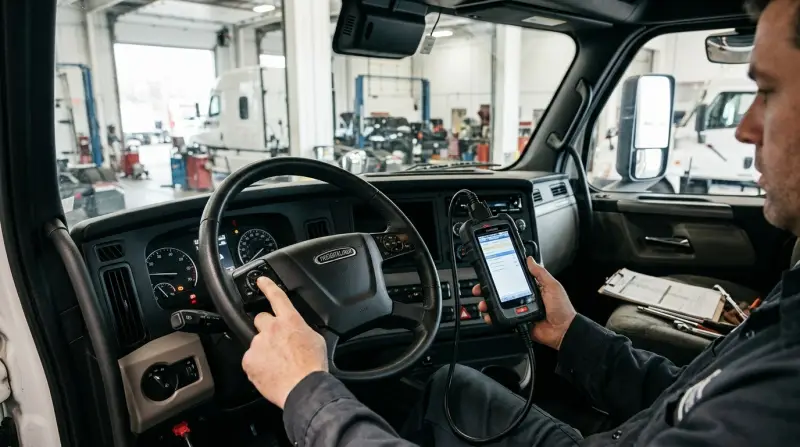
Understanding how cruise control systems operate helps you spot problems faster. In Freightliner trucks, cruise control uses sensors, electronic controls, and physical switches. When you set your speed, the system sends a signal to the engine’s throttle actuator. The actuator keeps your speed steady, even if road conditions change slightly. The system is designed to disengage under certain conditions, such as pressing the brake or clutch.
Key Parts Of The System
- Cruise control switches (on the steering wheel or dash)
- Speed sensors (often on the transmission)
- Engine control module (ECM)
- Throttle actuator
- Brake and clutch switches
If any of these parts fail or lose connection, cruise control might not work at all.
Most Common Reasons Freightliner Cruise Control Stops Working
Many drivers experience cruise control failures at some point. Some problems are simple, while others require a mechanic. Here are the main causes:
- Faulty Brake or Clutch Switches: If the truck thinks the brake or clutch is pressed, the cruise control will refuse to engage. These switches can wear out or get stuck.
- Blown Fuses or Relays: An electrical fault can blow a fuse or damage a relay, cutting power to the cruise control.
- Worn or Dirty Speed Sensors: The system needs accurate speed data. If sensors are dirty, damaged, or misaligned, cruise control may not work.
- Wiring or Connector Issues: Vibrations, moisture, or corrosion can break connections in the wiring harness.
- Software Glitches: Sometimes, the ECM software needs a reset or update to restore function.
- Driver Error: Not meeting conditions (such as driving too slowly, brakes pressed, or being in the wrong gear) can prevent cruise control from activating.
Real-life Example
A 2021 Freightliner Cascadia owner reported cruise control cutting out randomly. After hours of troubleshooting, the mechanic found a loose brake switch connector under the dash. Tightening the connection solved the problem instantly. This highlights how small issues can cause major headaches.
Troubleshooting Freightliner Cruise Control: Step-by-step
If your cruise control isn’t working, use these steps to find the cause. Start with simple checks before moving to complex ones.
1. Check The Obvious First
- Is the “Cruise” light coming on when you press the button?
- Are you above the minimum speed (usually 25–30 mph)?
- Is the truck in the right gear and not in “manual” mode?
- Are your feet off the brake and clutch pedals?
2. Inspect Fuses And Relays
Find the fuse box (usually under the dashboard). Look for a blown fuse marked “Cruise” or “ECM. ” Replace any damaged fuses with the correct rating. If a relay is involved, try swapping it with another of the same type to see if the cruise control works.
3. Test Brake And Clutch Switches
When these switches fail, the ECM thinks you’re braking or shifting. Try gently pulling up on the brake pedal while activating cruise control. If it works, the brake switch may be out of adjustment.
4. Examine Speed Sensors
Speed sensors are often near the transmission. Look for loose wiring or signs of damage. Sometimes, cleaning the sensor with electrical cleaner restores function.
5. Scan For Diagnostic Trouble Codes (dtcs)
Most Freightliner trucks built after 2010 support OBD-II diagnostics. Plug a scanner into the port under the dash. Look for codes related to cruise control, brakes, or speed sensors. This can save time and prevent guesswork.
6. Inspect The Wiring
Look for broken, frayed, or corroded wires around the switches, sensors, and ECM. Pay special attention to places where wires pass through metal or get flexed often.
7. Software Updates Or Resets
In rare cases, a software glitch can disable cruise control. Some Freightliner ECMs can be reset by disconnecting the battery for 10 minutes. For updates, you’ll need dealer-level tools.
8. Seek Professional Help
If all else fails, it’s time for a qualified technician. They can run advanced diagnostics and check for hidden issues.
Table: Quick Troubleshooting Reference
Here’s a handy guide to common cruise control problems and solutions.
| Problem | Possible Cause | Quick Fix |
|---|---|---|
| No cruise light | Blown fuse, bad switch | Check/replace fuse, test switch |
| Cruise cancels when hitting bumps | Loose wiring, bad connector | Inspect connections under dash |
| Works sometimes | Failing brake/clutch switch | Test/replace switch |
| No DTCs found | Mechanical issue, wiring fault | Manual inspection needed |
| ECM error code | Speed sensor, software glitch | Check sensor, update/reset ECM |
Preventing Cruise Control Problems In Freightliner Trucks
Avoiding cruise control failures can save time, money, and stress on the road.
Regular Maintenance
- Inspect brake and clutch switches every oil change.
- Clean speed sensors at least once a year, especially if driving in muddy or salty conditions.
- Check wiring and connectors for wear, especially after repairs or accidents.
Watch For Warning Signs
Small issues often start before a full failure. If cruise control disengages suddenly, seems less responsive, or only works on smooth roads, check the system soon.
Use The System Properly
Some drivers try to engage cruise control in low gear, on steep hills, or at low speeds—not recommended. Always follow the Freightliner owner’s manual for safe use.
Real Insight: Voltage Drops
One thing many beginners miss: low battery voltage can affect cruise control. A weak battery or alternator can cause the ECM to act strangely, including cruise control problems. If your lights are dimming or other electronics act up, check your charging system.
Table: Maintenance Checklist For Reliable Cruise Control
| Maintenance Task | Frequency | Why It Matters |
|---|---|---|
| Brake/clutch switch check | Every oil change | Prevents false disengagement |
| Speed sensor cleaning | Yearly or after off-road use | Ensures accurate speed data |
| Wiring inspection | Every 6 months | Stops problems from vibration/wear |
| Battery/alternator test | Every service | Stable power to ECM and sensors |
| ECM software check | As needed | Fixes bugs and improves reliability |
Comparing Freightliner Cruise Control With Other Truck Brands
If you’re wondering whether Freightliner’s cruise control problems are unique, here’s a quick comparison with other popular truck brands.
| Brand | Common Issues | Ease of Repair | Parts Availability |
|---|---|---|---|
| Freightliner | Switches, wiring, sensors | Moderate | High |
| Volvo | ECM software, sensor faults | Difficult | Medium |
| Kenworth | Switch wear, actuator faults | Easy | High |
| Peterbilt | Relay, switch issues | Easy | High |
| International | Sensor and wiring problems | Moderate | Medium |
Freightliner stands out for parts availability and reasonable repair difficulty. This means most drivers or local mechanics can fix common issues without waiting weeks for parts.

When To Call A Professional
Some cruise control problems need advanced tools or knowledge. Here’s when you should not DIY:
- No power at the ECM: Possible major wiring or computer fault.
- Multiple systems failing: If cruise control, ABS, and other systems fail together, the issue may be deeper.
- Repeated fuse blows: Indicates a short circuit somewhere.
- Software update needed: Most updates require dealer-level tools.
In these cases, a Freightliner-certified technician is your best option.
Two Insights Most Drivers Miss
- Cruise Control Can Help Diagnose Other Problems: If your cruise control stops working, it could be a sign of other hidden issues—like a failing brake light switch or speed sensor. Fixing cruise control may prevent bigger, costlier breakdowns.
- Aftermarket Modifications Matter: Installing aftermarket electronics (like radios, GPS trackers, or lighting) can sometimes interfere with cruise control wiring. If problems started after an install, double-check the wiring.
What Freightliner Owners Say
Many drivers on trucker forums share their stories. Some found that simply cleaning the brake switch with contact cleaner restored cruise control. Others discovered that rodents had chewed through wiring, or that a small, cheap relay was the culprit. The most common advice: don’t ignore small warning signs—address them before they leave you stranded.
Frequently Asked Questions
What Speed Does Freightliner Cruise Control Work At?
Cruise control in most Freightliner trucks activates above 25–30 mph. Trying to engage it at lower speeds won’t work. Always check your manual for your specific model.
Can A Check Engine Light Cause Cruise Control To Stop Working?
Yes, if the ECM detects a serious engine fault, it may disable cruise control to protect the engine and transmission. Scan for trouble codes if both lights appear together.
Is It Safe To Drive If Cruise Control Doesn’t Work?
Yes, but you lose the comfort and fuel-saving benefits. If cruise control won’t engage because of a brake or speed sensor issue, other safety systems may also be affected. It’s best to fix the problem soon.
How Much Does It Cost To Repair Freightliner Cruise Control?
Costs vary. A brake switch might cost $20–$50, while speed sensors run $50–$150. Labor adds $100–$200. Complex ECM problems can be more expensive. Most common fixes are under $300.
Where Can I Find Official Freightliner Repair Information?
The official Freightliner Service Manuals are the best resource. You can also find helpful info at Daimler Truck Service.
When your Freightliner cruise control isn’t working, it can make long drives harder and less safe. But with the right troubleshooting steps, most problems are easy to find and fix. Pay attention to early warning signs, keep up with maintenance, and don’t be afraid to ask a professional for help when needed. With a little care, you can enjoy smooth, comfortable journeys mile after mile.