
If your washing machine is not filling enough with water, you may notice clothes coming out dirty, detergent residue left behind, or even strange noises during the cycle. For many people, this problem is confusing and frustrating. You expect your machine to do the work, but when water levels are too low, the results are poor and sometimes the appliance can even get damaged.
Understanding why this happens and how to fix it can save you time, money, and stress.
This article explains the most common reasons for low water levels in washing machines, how to diagnose each issue, and what you can do to solve the problem. Whether you have a new or old machine, and whether you’re a DIY enthusiast or prefer calling a technician, you’ll find clear, practical advice here.
We’ll also include tables comparing water levels, troubleshooting steps, and a handy FAQ section for quick answers.
Why Water Levels Matter In Washing Machines
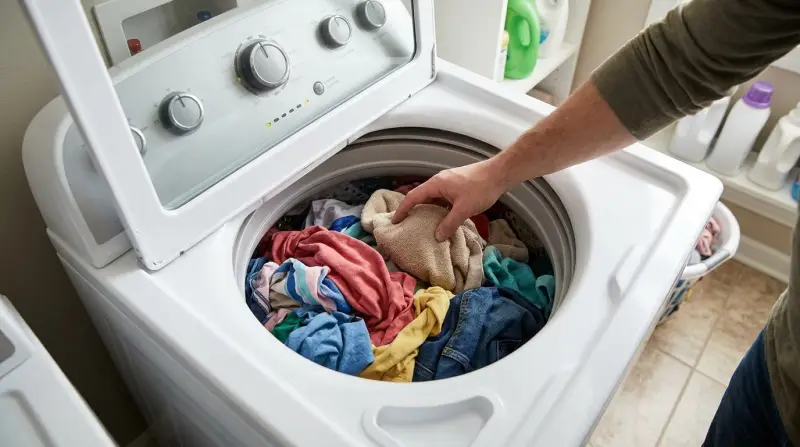
Water is the main ingredient for cleaning clothes. If your washing machine does not fill with enough water, the following issues may occur:
- Detergent cannot dissolve fully
- Clothes do not rinse properly
- Fabric damage from friction
- Stains remain or worsen
Modern machines often use less water to save energy. However, very low water levels can hurt performance. According to the U. S. Department of Energy, newer high-efficiency washers use about 13 gallons per load, while older models use up to 40 gallons.
If your machine is suddenly using much less than normal, this is a sign something is wrong.
Common Causes Of Washing Machine Not Filling Enough With Water
Many factors can cause low water levels. The most common include:
- Water supply issues
- Faulty inlet valves
- Clogged filters or hoses
- Malfunctioning water level sensors
- Wrong machine settings
- Electronic control board problems
Let’s look at each cause in detail.
Water Supply Issues
If your washing machine is not getting enough water, check the basics first:
- Low water pressure: Most machines need at least 20 psi (pounds per square inch) to fill correctly. If your home’s water supply is weak, the machine may not fill.
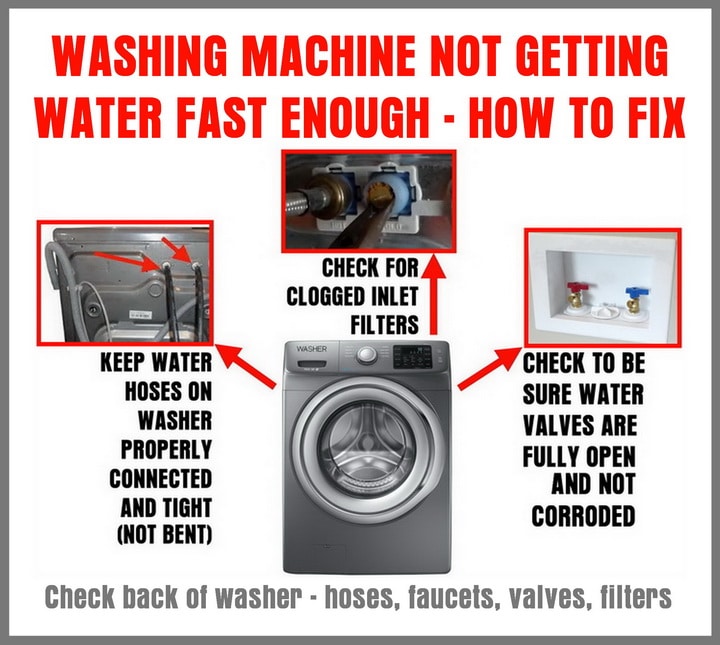
- Closed or blocked valves: Sometimes, the water valve behind the washer is partly closed, or there is debris inside.
Example: If you turn on a faucet near your washer and notice weak flow, this could be the problem.
Faulty Inlet Valves
Washing machines have one or two inlet valves (usually for hot and cold water). These valves open when you start a cycle. If they are broken, water cannot enter the machine.
Signs of faulty valves:
- No water flows during the fill cycle
- Only hot or only cold water is entering
Non-obvious tip: Inlet valves can fail gradually, not just suddenly. A partially broken valve may let in less water than needed.
Clogged Filters Or Hoses
Water flows through filters and hoses before reaching the drum. Over time, sediment and minerals can clog these parts.
- Filters: Most washers have mesh filters inside the inlet hose. These catch dirt and can get blocked.
- Hoses: If your hose is kinked or clogged, water flow is reduced.
Example: If you live in an area with hard water, mineral deposits build up faster.
Malfunctioning Water Level Sensors
Washing machines use pressure switches or water level sensors to detect how much water is in the drum. If these sensors malfunction, the machine may think the drum is full when it isn’t.
- Older machines use mechanical pressure switches (air tubes)
- Newer machines use electronic sensors
Non-obvious tip: Sometimes, the air tube connected to the sensor gets blocked with lint or soap, making the sensor misread levels.
Wrong Machine Settings
Some washing cycles use less water by design. If you select “Eco”, “Quick Wash”, or “Small Load”, your machine may fill with less water.
Example: Many machines let you adjust water level manually. If it’s set low, water will be low.
Electronic Control Board Problems
The control board is the brain of the washer. If it malfunctions, it may send the wrong signals, causing low water levels.
- Symptoms: Random water levels, machine stops mid-cycle, error codes
Control boards rarely fail, but when they do, other functions may also be affected.
Diagnosing The Problem: Step-by-step Guide
To find out why your washing machine is not filling with enough water, follow these steps:
- Check water supply: Make sure valves are fully open and water pressure is good. Use a pressure gauge if possible.
- Inspect hoses and filters: Turn off the machine, disconnect hoses, and look for blockages or kinks.
- Test inlet valves: Run a cycle and listen for water entering. If only one side works, a valve may be broken.
- Check settings: Review your cycle choice and water level setting.
- Look for error codes: Many newer machines display codes for sensor or board problems.
- Test water level sensor: If you’re comfortable, locate the sensor and check the air tube for blockages.
If you’re unsure, consult your machine’s manual for guidance.
Practical Solutions For Low Water Levels
Once you know the cause, here are steps to fix each issue:
Water Supply Solutions
- Open water valves fully
- Remove any debris from valve screens
- Increase home water pressure (consult a plumber if needed)
Inlet Valve Solutions
- Replace faulty inlet valves (these are usually inexpensive and easy to find)
- Make sure hoses are connected tightly
Filter And Hose Solutions
- Clean or replace mesh filters
- Straighten and clean hoses
- Use descaling solutions if mineral buildup is present
Water Level Sensor Solutions
- Clean the air tube with compressed air or water
- Replace faulty sensors (mechanical switches are cheap; electronic sensors may need professional help)
Settings And Control Board Solutions
- Change cycle settings to “Normal” or “Heavy” if you need more water
- Reset the machine (unplug for 5 minutes, then plug back in)
- Replace or repair control board if needed (this is a job for a technician)
Credit: removeandreplace.com
Comparing Water Levels: Old Vs. New Machines
Below is a comparison of typical water usage in washing machines:
| Machine Type | Average Water Used (Gallons) | Water Level Control |
|---|---|---|
| Top-Load (Traditional) | 30-40 | Manual/Automatic |
| Top-Load (High-Efficiency) | 15-20 | Automatic |
| Front-Load | 13-20 | Automatic |
Insight: If you have a high-efficiency machine, low water levels are normal. But if you see a sudden drop, there is likely a problem.
Troubleshooting Steps: Quick Reference
Here’s a quick troubleshooting reference:
| Symptom | Possible Cause | Recommended Action |
|---|---|---|
| Drum not filling | Closed valve, clogged filter | Open valve, clean filter |
| Only cold/hot water | Faulty inlet valve | Replace inlet valve |
| Erratic water levels | Sensor or board problem | Check sensor, reset board |
| Low water in “Normal” cycle | Settings or pressure | Change cycle, check pressure |
When To Call A Professional
Some problems are easy to fix yourself. However, call a technician if:
- You see electrical issues (sparks, burning smell)
- The control board or electronic sensors need replacing
- You tried all steps and the problem persists
Many repairs cost less than $100 if caught early. Waiting can make the issue worse and lead to higher costs.

Preventing Water Fill Problems In The Future
Take these steps to avoid water fill problems:
- Clean filters every 3-6 months
- Check hoses for kinks and leaks
- Use the right detergent for your machine type
- Avoid overloading the drum
- Run a maintenance cycle with vinegar or descaler every few months
Non-obvious tip: If you use fabric softener often, it can leave residue in hoses and sensors. Clean these parts regularly.

Data On Water Efficiency
According to the EPA, washing machines account for about 16% of household water use. Choosing the right machine and maintaining it can help save over 3,000 gallons per year. High-efficiency washers have become the standard, but proper maintenance is still key for good performance.
If you want more details on water use and efficiency, check out this EPA resource.
Frequently Asked Questions
Why Does My Washing Machine Fill With Less Water Than Before?
Most likely, you have a blocked filter, kinked hose, or low water pressure. Newer machines use less water by design, but a sudden drop usually means a problem.
Can I Manually Increase The Water Level In My Washing Machine?
Some machines let you adjust water levels. Try changing to a heavier cycle or using the “Deep Fill” option if available. For other models, manual adjustment is not possible.
How Often Should I Clean My Washer’s Filters?
Clean filters every 3–6 months, or more often if you notice slow water flow or live in an area with hard water.
Is Low Water Harmful To My Washing Machine?
Yes, low water can cause friction damage, leave detergent residue, and make your machine work harder. Over time, this can lead to bigger repairs.
What Is The Average Cost To Fix Low Water Problems?
Costs vary. Cleaning filters and hoses is free if you do it yourself. Inlet valve replacement usually costs $20–$50. Sensor or board repairs can range from $100–$200 if done by a technician.
If your washing machine is not filling enough with water, don’t ignore the problem. Most issues can be fixed quickly if you know what to look for. Regular maintenance, checking settings, and cleaning filters are simple steps that keep your appliance running smoothly.
By understanding how your washer works and what causes low water levels, you can avoid bigger problems and enjoy cleaner clothes every time.
1 thought on “Washing Machine Not Filling Enough With Water: Quick Fixes”