
The International 4200 VT365 is a medium-duty truck that’s well-known for its versatility and reliability. Many businesses rely on this model for deliveries, transportation, and other commercial uses. But like any vehicle, the 4200 VT365 comes with its own set of challenges.
Understanding these problems can help you keep your truck running longer and avoid costly repairs. Whether you’re a fleet manager or an owner-operator, knowing what to expect—and how to handle it—can save you time, money, and stress.
Engine Oil Leaks
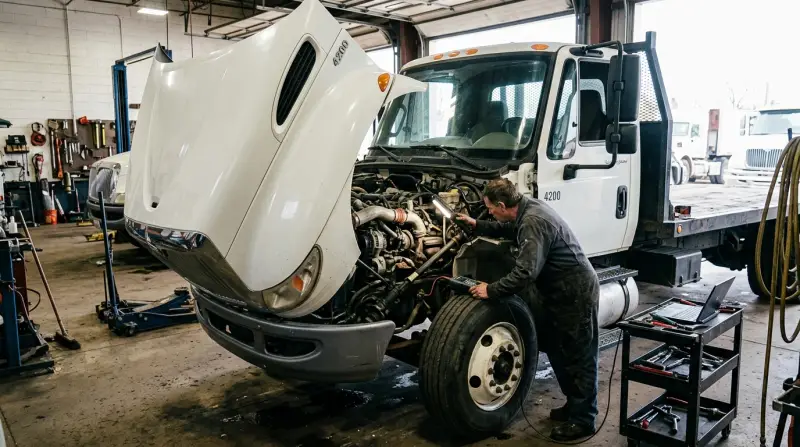
The VT365 engine, similar to the Ford 6.0L Power Stroke, is prone to engine oil leaks. Many owners notice oil dripping under the truck, especially after it’s parked for a while. This is often due to worn-out gaskets or seals around the oil cooler, turbocharger, or high-pressure oil pump. If ignored, small leaks can turn into major problems, leading to low oil pressure and severe engine damage.
Head Gasket Failures
A common and serious issue with the 4200 VT365 is head gasket failure. High engine temperatures or improper torqueing during past repairs can weaken the gasket. When this happens, coolant and oil can mix, causing white smoke from the exhaust, overheating, and even loss of power. Quick attention is important; continuing to drive can ruin the engine.
Injector Control Pressure (icp) Sensor Problems
The ICP sensor monitors oil pressure used to control the fuel injectors. When it fails, you might notice hard starting, stalling, or rough idle. Sometimes, the engine will not start at all. Replacing the ICP sensor and its harness is usually the solution. It’s a small part but critical for engine performance.
Egr Cooler And Valve Failures
The EGR (Exhaust Gas Recirculation) system helps reduce emissions, but it’s another weak point for the VT365. The EGR cooler and valve can get clogged with soot or crack, leading to coolant leaks, white smoke, and overheating. Regular cleaning and inspection can help prevent major failures.
Turbocharger Issues
Turbochargers on the 4200 VT365 sometimes suffer from sticking vanes or failed actuators. This can cause loss of power, slow acceleration, and noisy operation. It’s often due to carbon buildup or oil leaks into the turbo. Early symptoms can be subtle, so regular inspection is wise.
High-pressure Oil System Leaks
This engine uses a high-pressure oil system to operate the injectors. Leaks in this system can cause hard starting, especially when the engine is hot. Common leak points include the oil rails, dummy plugs, and standpipes. These parts should be checked if you have starting issues or loss of power.
Credit: www.powerstroke.org
Ficm (fuel Injection Control Module) Failures
The FICM controls the timing and delivery of fuel to the injectors. When it fails, the truck may not start or will run rough. Symptoms include misfires, poor fuel economy, and sometimes a no-start condition. Replacement or repair of the FICM is usually required.
Cooling System Problems
Overheating is a frequent complaint. The cooling system is sensitive to low coolant levels and clogged radiators. The radiator, water pump, and thermostat should be checked regularly. Using the wrong coolant or not flushing the system can cause corrosion and blockages.
Glow Plug And Harness Issues
For cold starts, the glow plug system is vital. Failed glow plugs or a damaged wiring harness can make starting difficult in cold weather. Often, a diagnostic scan will reveal which glow plug or connector is faulty.
Wiring Harness Failures
Age, heat, and vibration can damage the wiring harness in the VT365. Intermittent electrical issues, sensor failures, or odd warning lights are signs of wiring problems. Inspecting and repairing damaged wires can prevent unexpected breakdowns.
Fuel System Contamination
Contaminated fuel is a hidden enemy. Water or debris in the diesel can damage injectors, fuel pumps, and filters. Always use clean fuel and change filters regularly. Installing a quality water separator can offer extra protection.
Transmission Problems
While not engine-related, the transmission on the International 4200 can develop problems such as slipping, harsh shifting, or not engaging gears. Regular fluid changes and checking for leaks can extend transmission life.
Common Data: Problem Frequency And Cost
Here’s a quick comparison of some of the most common issues, how often they appear, and their typical repair costs.
| Problem | Frequency | Average Repair Cost (USD) |
|---|---|---|
| Head Gasket Failure | Moderate | $2,500–$4,000 |
| ICP Sensor | High | $300–$600 |
| EGR Cooler/Valve | High | $600–$1,200 |
| Turbocharger | Moderate | $1,200–$2,000 |
| FICM | Moderate | $800–$1,500 |
Signs And Symptoms To Watch For
Some problems start small but can get worse quickly. Watch for these warning signs:
- Loss of power, especially when accelerating
- White smoke from the exhaust
- Engine misfires or rough idle
- Overheating, especially under load
- Oil or coolant puddles under the truck
- Check engine light or other warning lights
Early detection and repair are key to preventing major breakdowns.
Preventive Maintenance Tips
Preventing these issues is better than fixing them after they happen. Here are practical steps you can take:
- Regular oil changes: Use quality oil and change it at recommended intervals. Bad oil increases wear and can block small passages in the engine.
- Check coolant level and quality: Use only the type recommended by International, and flush the system as advised.
- Inspect hoses and belts: Replace any that are cracked or worn.
- Scan for codes: A diagnostic scan tool can catch problems early, even before symptoms appear.
- Change fuel filters: Dirty filters cause low fuel pressure and stress on the fuel pump.
- Monitor battery health: Weak batteries can cause FICM and sensor issues.
- Keep the air filter clean: A blocked filter reduces power and increases fuel use.
Data Table: Maintenance Intervals
Here’s a table showing suggested intervals for some key maintenance items on the International 4200 VT365.
| Maintenance Item | Suggested Interval |
|---|---|
| Engine Oil & Filter | 5,000–7,500 miles |
| Fuel Filters | 10,000–15,000 miles |
| Coolant Flush | Every 2 years |
| Transmission Fluid | 30,000 miles |
| Air Filter | 15,000 miles or as needed |
Two Non-obvious Insights For Owners
Most owners know about oil changes and filter replacements. Here are two tips that many beginners miss:
- Heat cycling damages electronics: Over time, constant heating and cooling under the hood weakens solder joints in modules like the FICM. If you park your truck in a garage or shaded area, you reduce temperature swings and extend the life of electronics.
- Monitor injector balance rates: Many repair shops can check how well each injector performs. A weak injector might not cause a code but can still lower power and fuel economy. Testing injectors every 50,000 miles helps spot early failures.
Avoiding Common Mistakes
Some mistakes can make problems worse:
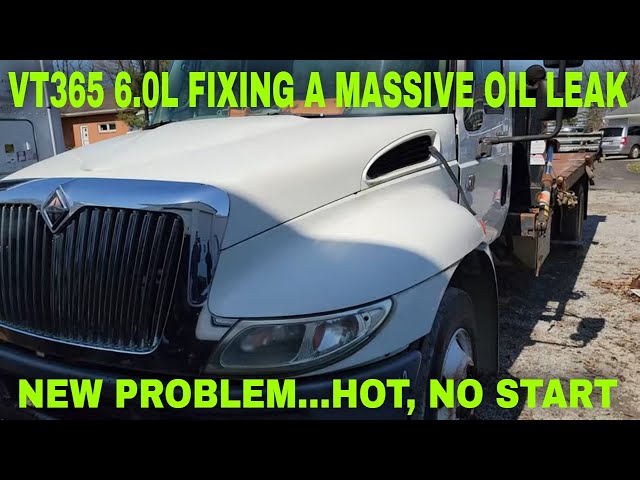
- Ignoring small leaks: A tiny drip often turns into a big repair if not fixed quickly.
- Using the wrong fluids: Always use the fluids specified by the manufacturer. Wrong types can cause corrosion or poor lubrication.
- Skipping diagnostic scans: Modern diesel engines rely on sensors. Scanning for codes can reveal hidden problems.
- Delaying repairs: Waiting until a problem is severe usually costs much more.
Credit: www.youtube.com
When To Seek Professional Help
Some jobs are best left to trained mechanics. If you notice:
- Repeated overheating
- Loss of compression
- Multiple warning lights
It’s time to visit a diesel specialist. Attempting complex repairs without the right tools can make things worse.
Real-world Example
A fleet operator noticed several trucks developing hard-start issues, especially when warm. After replacing the ICP sensor and high-pressure oil system seals on all affected trucks, reliability improved, and downtime dropped by 40%. This shows how addressing common VT365 problems early saves money and prevents larger failures.
Choosing The Right Parts And Service
Using genuine or high-quality aftermarket parts is important. Cheap or mismatched parts can fail quickly or cause new problems. When choosing a repair shop, look for mechanics experienced with International trucks and VT365 engines. Ask for references or reviews if you’re unsure.
For more detailed technical information on diesel engines, you can visit the Wikipedia Diesel Engine page.
Frequently Asked Questions
What Is The Most Common Problem With The International 4200 Vt365?
Oil leaks and EGR cooler failures are the most common. Both can lead to bigger engine problems if ignored.
How Can I Tell If My Icp Sensor Is Failing?
Look for hard starting, rough idle, and the check engine light. Sometimes, the truck will not start at all.
How Often Should I Change The Engine Oil?
For the VT365, oil should be changed every 5,000 to 7,500 miles, depending on usage and driving conditions.
Can I Use Universal Coolant In My Vt365?
No. Using the recommended coolant is important to avoid corrosion and blockages in the cooling system.
What Is The Average Lifespan Of A Vt365 Engine?
With good maintenance, a VT365 engine can last 200,000 to 300,000 miles. Neglecting problems can cut this lifespan in half.
Staying informed and proactive with maintenance is the best way to keep your International 4200 VT365 running strong for years. This approach protects your investment and keeps your business moving without surprise breakdowns.