
A kitchen makeover does not always need a full renovation. Sometimes, painting your kitchen cabinets is enough to transform the look and feel of the space. But once you decide to paint, an important question comes up: Should you use satin or semi-gloss paint for kitchen cabinets? This choice affects not just the look, but also how easy it is to clean, how long the paint lasts, and how much work you need to do in the future.
For many homeowners, the difference between satin and semi-gloss can seem small. But the right finish can make your cabinets look new for years—or leave you frustrated with stains, fingerprints, and peeling paint. Let’s break down what really matters, so you can make a confident choice.
Understanding Paint Sheens
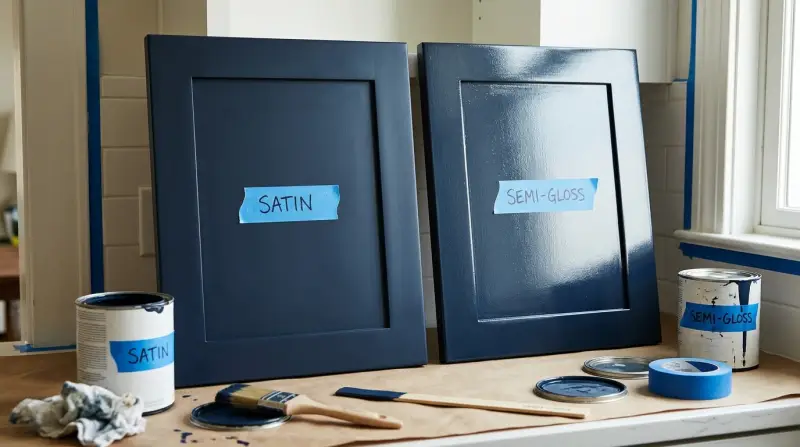
Paints are not all the same. Sheen is how shiny or reflective the paint looks when it dries. The most common sheens are flat, eggshell, satin, semi-gloss, and high-gloss. For kitchen cabinets, the two most recommended options are satin and semi-gloss.
- Satin: Slightly shiny, smooth, with a soft glow. Not as reflective as semi-gloss.
- Semi-gloss: Noticeably more reflective, bright, and crisp. Shows more shine.
The sheen you choose changes how your cabinets look in daylight and under kitchen lights. But it also impacts how well the paint holds up to daily use.
Why Paint Finish Matters For Kitchen Cabinets
Kitchen cabinets take a lot of abuse. Grease, splashes, sticky fingers, and regular cleaning all wear down paint over time. That’s why choosing the right finish is so important.
- Durability: Cabinets are touched and cleaned more than walls, so they need a tough finish.
- Moisture resistance: Kitchens are full of steam and spills.
- Cleanability: You’ll wipe cabinets often. Some paints handle this better than others.
- Appearance: The finish affects how much light bounces around, which can make the kitchen feel warmer or cooler.
A flat or eggshell finish looks good on walls but fails quickly on cabinets because it absorbs stains and is hard to clean. Satin and semi-gloss are the best options because they strike a balance between beauty and toughness.
Satin Vs Semi-gloss: What’s The Difference?
Let’s look at the main differences between satin and semi-gloss cabinet paint.
| Feature | Satin | Semi-Gloss |
|---|---|---|
| Sheen Level | Soft, subtle glow | Brighter, more reflective |
| Durability | Good | Very Good |
| Stain Resistance | Moderate | High |
| Cleanability | Easy | Easier |
| Hides Imperfections | Better | Less forgiving |
| Appearance | Warm, modern | Classic, crisp |
The main tradeoff is between shine and durability. Semi-gloss is shinier and more durable, but it also shows surface flaws more clearly.
Advantages Of Satin Paint For Kitchen Cabinets
Satin paint is popular for a reason. Here’s why many homeowners choose it:
1. Subtle Shine
Satin gives cabinets a gentle glow, not a harsh shine. This makes the kitchen feel cozy and up-to-date. It’s a smart choice if you want a modern, understated look.
2. Better At Hiding Flaws
If your cabinets have small dents or scratches, satin hides them better than semi-gloss. The lower reflectivity doesn’t call attention to uneven surfaces or brush marks.
3. Soft, Warm Appearance
Satin reflects light softly, making colors appear richer and less harsh. This is great for kitchens with natural wood, muted shades, or a farmhouse style.
4. Easier Touch-ups
Small paint repairs blend in more easily with satin than with shinier finishes.
However, satin is not as resistant to heavy scrubbing as semi-gloss. If you cook often and clean your cabinets every week, you might notice wear faster.
Advantages Of Semi-gloss Paint For Kitchen Cabinets
Semi-gloss is the traditional choice for high-traffic areas like kitchens. Here’s why:
1. Superior Durability
Semi-gloss forms a tough, protective layer. It stands up well to grease, water, and repeated cleaning with mild soaps. This means your cabinets will look good longer, even with heavy use.
2. Easy To Clean
Spills and fingerprints wipe off quickly. For families with kids, pets, or frequent guests, semi-gloss makes everyday life simpler.
3. Bright, Clean Look
The higher shine bounces light around, making the kitchen feel bigger and cleaner. White or light-colored cabinets look especially fresh in semi-gloss.
4. Moisture Resistance
In humid kitchens, semi-gloss helps protect wood or MDF from swelling and paint from peeling.
But, semi-gloss can show every bump, brushstroke, or sanding mark. If your cabinets are older or not perfectly smooth, these flaws may be more noticeable.
How To Choose: What Really Matters
To make the best choice, think about your kitchen’s needs, your style, and how much time you want to spend on maintenance.
1. Cabinet Condition
If your cabinets are new or recently refinished, you can go with either finish. For older cabinets with dents or repairs, satin will hide flaws better.
2. Cleaning Frequency
If you clean your cabinets often or have young kids, semi-gloss is more practical. Satin can be wiped clean but doesn’t stand up as well to harsh scrubbing.
3. Kitchen Lighting
- Bright, sunny kitchens: Satin prevents glare and keeps the look soft.
- Dim kitchens: Semi-gloss can help reflect light and brighten the space.
4. Style Preferences
- Modern or farmhouse: Satin fits well with softer, muted designs.
- Classic or traditional: Semi-gloss adds a crisp, clean finish.
5. Color Choice
Darker colors in semi-gloss can look too shiny. Satin makes deep tones appear richer and less reflective. For whites and light colors, semi-gloss gives a timeless, spotless look.

Credit: georgeconstructions.com
Common Mistakes When Painting Kitchen Cabinets
Many DIYers make mistakes that affect the final result. Here are some to avoid:
1. Skipping Proper Prep
Cabinets need to be cleaned, sanded, and primed before painting. Shiny paint will highlight any grease or old finish left underneath.
2. Using The Wrong Paint Type
Wall paint is not strong enough for cabinets. Always use a paint labeled for trim or cabinets, in your chosen sheen.
3. Not Testing The Sheen
Paint a small section with both satin and semi-gloss to see how each looks in your kitchen’s light. What works in a store might look very different at home.
4. Choosing Based On Price Only
Higher-quality paints cost more but last longer and look better. Don’t cut corners with cheap options.
5. Rushing The Job
Allow each coat to dry fully, and sand lightly between coats. Satin and semi-gloss both need careful application for a smooth, even finish.
Real-world Examples: Satin Vs Semi-gloss
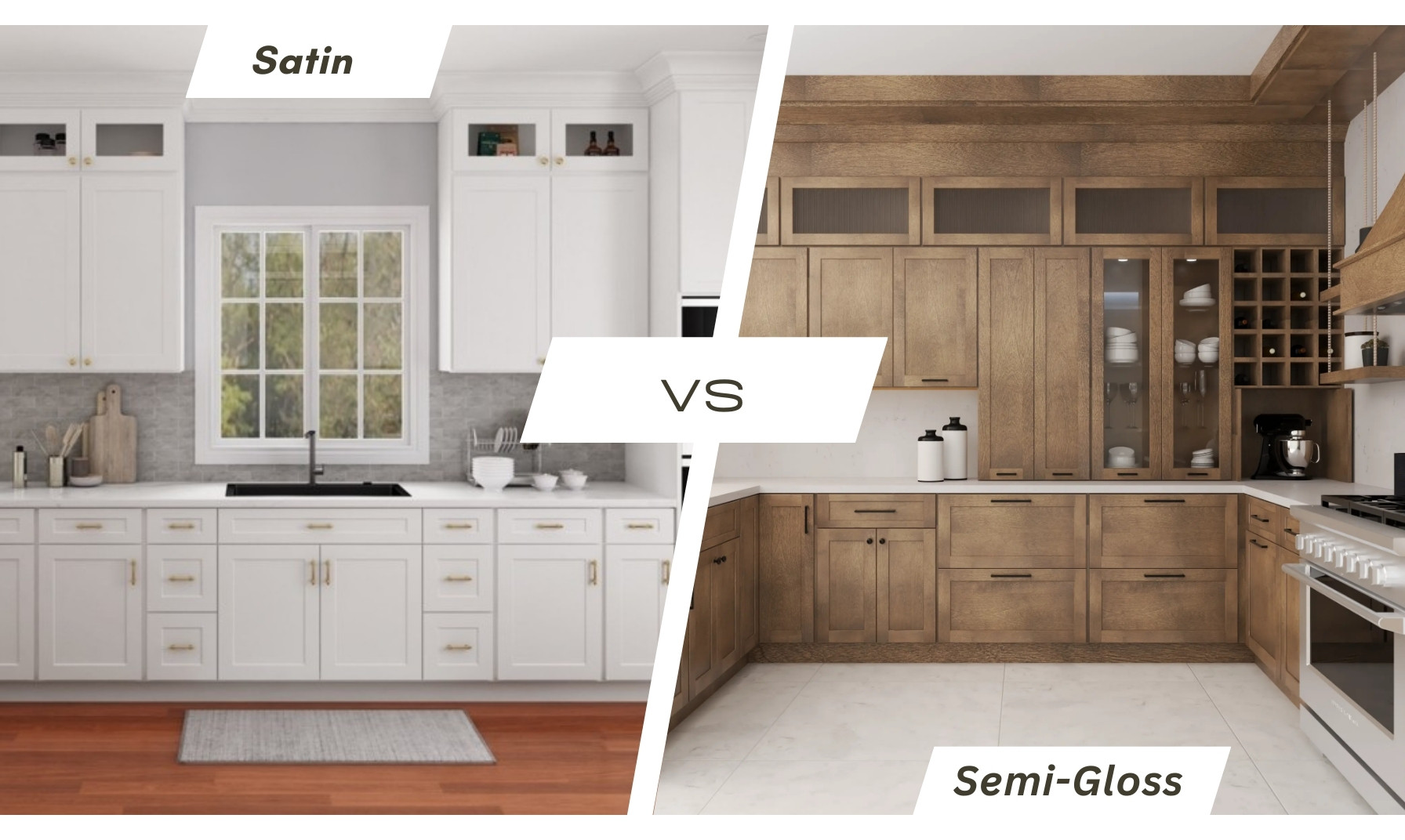
Let’s look at how the two finishes perform in different kitchen scenarios.
| Scenario | Satin | Semi-Gloss |
|---|---|---|
| Busy family with kids | Looks good at first, but may wear faster | Handles frequent cleaning, stays shiny |
| Older cabinets with flaws | Hides scratches and dings well | May show imperfections clearly |
| Modern, minimalist style | Soft, matte look fits the design | May appear too bright or “plastic” |
| Small, dark kitchen | Can look flat and make room feel smaller | Reflects light, opens up the space |
Credit: tivolidesigngroup.com
Expert Insights And Non-obvious Tips
Many people overlook these details when choosing between satin and semi-gloss:
- Cabinet Hardware Matters: Shiny handles or knobs can clash with a satin finish. Matte or brushed hardware works better with satin, while polished metals suit semi-gloss.
- Touch-Up Longevity: Satin touch-ups fade less over time, while semi-gloss may show a difference in sheen after repairs.
- Spray vs. Brush Application: Semi-gloss is less forgiving if brushed by hand—streaks and marks stand out. Satin is easier to apply smoothly with a brush.
- Humidity and Temperature: In very humid regions, semi-gloss resists swelling and peeling better, especially on MDF or plywood cabinets.
Application Tips For Best Results
Whichever finish you choose, these tips will help your cabinets look professional:
1. Remove Cabinet Doors And Hardware
Painting doors flat on a table reduces drips and streaks.
2. Clean Thoroughly
Even invisible grease can cause paint to peel.
3. Sand Lightly
Smooth surfaces help paint stick better and last longer.
4. Prime Carefully
A good primer blocks stains and evens out the surface.
5. Use High-quality Tools
A fine-bristle brush or foam roller gives a smoother finish, especially for semi-gloss.
If you want a perfectly smooth finish, consider renting or buying a paint sprayer. This is especially important for semi-gloss, which can show brush marks more easily.

Maintenance: Keeping Your Cabinets Looking Good
Both satin and semi-gloss are fairly easy to maintain, but there are some differences:
- Satin: Wipe spills quickly with a damp cloth. Avoid harsh chemicals, as repeated scrubbing can dull the finish.
- Semi-gloss: More resistant to cleaners. You can use a mild soap and water for sticky messes. Avoid abrasive pads, which can scratch the surface.
It’s a good habit to clean cabinet surfaces every few weeks, especially around handles and near the stove.
Which Brands Offer The Best Satin And Semi-gloss Paints?
Some paint brands have better formulas for cabinets. Look for options labeled “cabinet enamel,” “trim paint,” or “alkyd hybrid. ” These are tougher than standard wall paint.
Popular choices include:
- Benjamin Moore Advance
- Sherwin-Williams Emerald Urethane
- Behr Alkyd Enamel
- Valspar Cabinet Enamel
These products come in both satin and semi-gloss, and are designed for high-traffic surfaces. Always check the label for recommended uses.
Cost Differences: Is One Finish More Expensive?
The price difference between satin and semi-gloss is usually small—often just a few dollars per gallon. Quality and brand matter more for durability and coverage. However, because semi-gloss is more reflective, it may need an extra coat for full coverage on dark colors, which can add to the cost.
Final Recommendation
If you want a modern, soft look and have relatively smooth cabinets, satin is a great choice. It hides small flaws and makes colors look rich and deep. But if you want maximum durability and ease of cleaning—especially for busy kitchens—semi-gloss is hard to beat. For most families, semi-gloss is the safer option for long-term use.
Still unsure? Test both sheens on a hidden part of your cabinets before committing. Your kitchen lighting, cabinet color, and personal taste matter just as much as the technical pros and cons.
For more about paint finishes and their best uses, the Bob Vila guide offers detailed comparisons.
Frequently Asked Questions
Is Satin Or Semi-gloss More Durable For Kitchen Cabinets?
Semi-gloss is generally more durable. It forms a harder, shinier surface that resists stains, moisture, and frequent cleaning better than satin.
Will Semi-gloss Paint Make My Cabinets Look Too Shiny?
Semi-gloss does have a noticeable shine, which can appear “glossy” on some colors or in bright light. If you prefer a softer, less reflective look, satin is a better choice.
Can I Paint Over Old Cabinets Without Sanding?
It’s not recommended. Even with a good primer, light sanding helps new paint stick and prevents peeling. Skipping this step can lead to poor results, especially with semi-gloss.
Which Finish Is Easier To Touch Up?
Satin is easier to touch up, as new paint blends in better. Semi-gloss may show differences in sheen or texture after a repair.
Do I Need A Special Paint For Kitchen Cabinets?
Yes, always use a cabinet or trim paint—these are designed for durability and cleaning. Regular wall paint will not last long on cabinets, no matter the sheen.
Painting kitchen cabinets is a big project, but choosing the right finish makes all the difference. With the right prep and paint, your cabinets can look beautiful and stay that way for years.