
Everyone has felt that sinking feeling: you pull your favorite shirt out of the dryer and it’s suddenly too small. This common problem makes many people afraid to dry certain clothes. But why do clothes shrink in the dryer? The answer involves science, fabric types, and even the way you wash. Understanding these causes can help you protect your wardrobe and avoid costly mistakes.
How Shrinking Happens
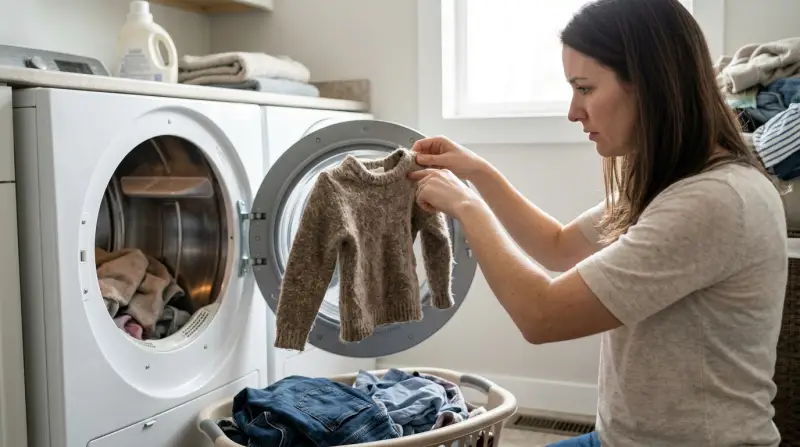
Clothes shrink in the dryer because of heat, mechanical action, and moisture. These three elements work together to change the structure of fabrics, making them smaller.
- Heat: High temperatures break down fibers, especially in natural fabrics like cotton and wool.
- Mechanical action: Tumbling in the dryer stretches and twists fibers, causing them to tighten.
- Moisture: Water relaxes fibers during washing. When they dry quickly, fibers return to their original, tighter shape.
Let’s look deeper at each factor.
The Science Behind Shrinking
Fiber Structure And Behavior
Every fabric is made from fibers, and how they react to heat and moisture depends on their structure.
- Natural fibers (cotton, wool, linen): These fibers have a loose structure. When exposed to heat and moisture, they swell and then contract, which causes shrinking.
- Synthetic fibers (polyester, nylon): These fibers are made with chemicals and are more stable. Most synthetics resist shrinking, but blends can still shrink if they have some natural content.
Here’s a quick comparison of shrinkage risk:
| Fabric Type | Shrinkage Risk | Typical Shrinkage (%) |
|---|---|---|
| Cotton | High | 3–5% |
| Wool | Very High | Up to 10% |
| Polyester | Low | <1% |
| Rayon | Medium | 2–4% |
| Linen | High | 4–7% |
Heat: The Primary Enemy
Most dryers operate between 120°F and 180°F. This is enough to damage fibers, especially natural ones. When heat is applied, fibers lose their elasticity and return to their original shape, which is usually tighter and smaller.
- Cotton: Shrinks most in the first wash and dry.
- Wool: Heat causes fibers to interlock (felting), making wool items much smaller and denser.
Mechanical Action: Tumbling Matters
Dryers use spinning and tumbling to dry clothes. This movement rubs fibers together, causing them to tighten. For delicate fabrics like wool, this effect is strong. For tougher materials, mechanical action alone does not cause much shrinking.
Moisture: The Role Of Water
When clothes are washed, fibers absorb water and swell. As they dry quickly, they return to their natural state, which is smaller. This process is called relaxation shrinkage. If you air dry, the change is slower and less drastic.
Fabric Types And Shrinking Differences
Not all fabrics shrink the same way. Understanding this can help you choose the right drying method.
Natural Fabrics
- Cotton: Most common in T-shirts, jeans, and towels. Shrinks easily, especially if not pre-shrunk.
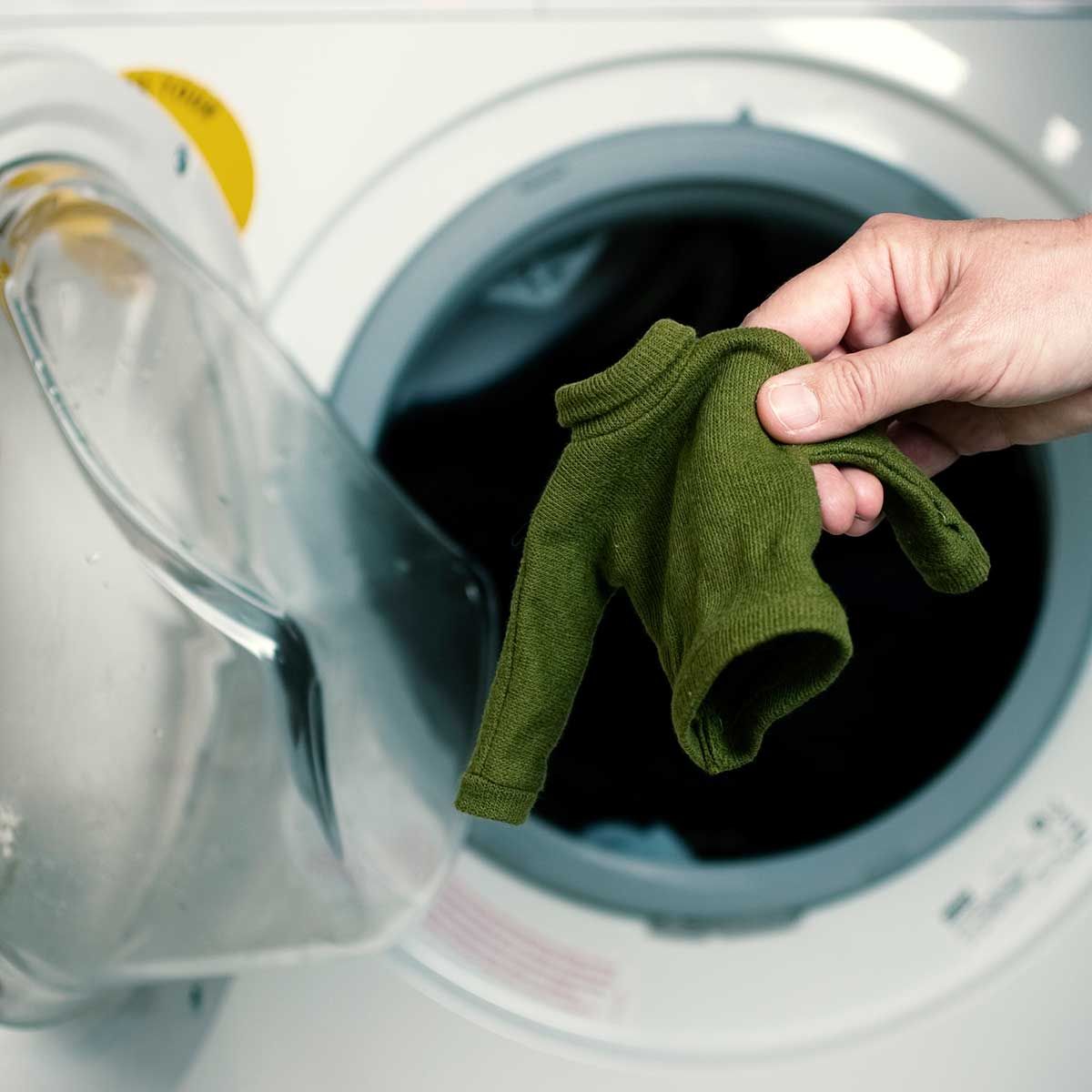
- Wool: Used in sweaters and suits. Can shrink dramatically, often turning a large sweater into a child-sized garment.
- Linen: Light and breathable, but shrinks unless treated.
Synthetic Fabrics
- Polyester: Used in sportswear and blends. Resists shrinking but can melt at high temperatures.
- Nylon: Durable and shrink-resistant, but can lose shape if overheated.
- Rayon: Semi-synthetic, shrinks if not handled gently.
Blended Fabrics
Many clothes are blends, like cotton-polyester. These mixtures balance comfort with durability. However, blended fabrics can still shrink if there’s enough natural fiber content.
Here’s a comparison of drying methods for different fabrics:
| Fabric | Best Drying Method | Shrinkage Risk |
|---|---|---|
| Cotton | Low heat or air dry | High |
| Polyester | Regular dryer | Low |
| Wool | Flat dry | Very high |
| Linen | Air dry | High |
| Rayon | Hang dry | Medium |
Dryer Settings And Their Impact
High Heat Vs. Low Heat
Most dryers have settings like high heat, medium heat, low heat, and air dry. The higher the heat, the more likely your clothes will shrink.
- High heat: Best for towels and sheets. Risky for clothing.
- Low heat/air dry: Safer for shirts, pants, and delicate items.
Timed Drying Vs. Sensor Drying
- Timed drying: Runs for a set period, which may over-dry and shrink clothes.
- Sensor drying: Stops when clothes reach a certain dryness, reducing shrinkage risk.
Practical Tip
If you want to avoid shrinking, use the lowest heat setting and remove clothes while still slightly damp. Hanging them to finish drying is safer.
Washing Habits That Affect Shrinking
Dryer shrinking often starts with the way you wash clothes.
- Hot water washing: Softens fibers, making them more likely to shrink in the dryer.
- Overloading: Clothes can’t tumble freely, so heat and mechanical action are uneven. Some items shrink more than others.
- Fabric softeners: May relax fibers even more, increasing shrinkage.
Here’s a quick overview:
| Washing Habit | Effect on Shrinking |
|---|---|
| Hot water | Increases shrinkage risk |
| Cold water | Reduces risk |
| Overloading | Uneven shrinking |
| Fabric softener | May increase shrinking |
Hidden Factors That Beginners Miss
Most people focus on heat, but there are two less obvious causes of shrinking:
- Residual moisture: If clothes sit in the dryer after the cycle ends, heat builds up, causing extra shrinkage.
- Pre-shrunk labeling: Not all “pre-shrunk” items stay the same size. Sometimes, they’re only shrunk once, and further shrinking can happen with repeated drying.
Another insight: new clothes are more likely to shrink than older ones. This is because the fibers haven’t settled yet.

How To Prevent Clothes From Shrinking
Protecting your clothes from shrinking is possible if you follow some smart steps.
- Read care labels: Always check the tag. If it says “dry clean only” or “lay flat to dry,” follow the advice.
- Use cold water: Washing in cold water keeps fibers stable.
- Dry on low heat or air dry: Lower heat reduces shrinkage risk.
- Remove clothes when damp: Finish drying on a hanger or flat surface.
- Don’t overload dryer: More room means less mechanical stress.
- Buy pre-shrunk clothes: Look for this label, but remember it’s not a guarantee.
- Test with one item: If unsure, dry a single item to check results.
Many people make the mistake of drying everything on high heat. Instead, adjust settings based on fabric type and care instructions.
Real-life Examples
Consider these situations:
- Cotton T-shirt: After one cycle on high heat, it may shrink by up to 5%. If you dry on low heat, shrinkage drops to 1–2%.
- Wool sweater: Accidentally dried on high, it can shrink by half its size.
- Polyester blend pants: Shrinkage is minimal unless the blend contains a lot of cotton.
Statistics show that 70% of shrinkage happens in the first wash and dry. After that, the risk drops, but repeated hot drying can still reduce clothing size over time.
The Role Of Dryer Technology
Modern dryers have features to help prevent shrinking.
- Moisture sensors: Stop drying when clothes are dry, reducing heat damage.
- Eco modes: Use lower temperatures and longer cycles.
- Steam options: Relax wrinkles without high heat.
If you’re shopping for a new dryer, look for these features. They protect clothes and lower energy bills.
For more details on fabric care, visit Wikipedia.
Frequently Asked Questions
What Fabrics Shrink The Most In The Dryer?
Cotton and wool shrink the most. Cotton loses size quickly in heat, while wool can shrink dramatically, especially if washed and dried with high temperatures.
Can You Un-shrink Clothes?
It’s difficult, but sometimes you can stretch clothes back. Soak the item in lukewarm water with gentle conditioner, then slowly pull and reshape. Results vary, and it works best with cotton.
Does Air Drying Stop Shrinking?
Yes, air drying greatly reduces shrinkage. Fibers dry slowly, so they don’t contract as much. For delicate clothes, air drying is safest.
Why Do New Clothes Shrink More Than Old Ones?
New clothes often shrink because their fibers haven’t settled. After a few washes, most shrinkage has happened, and old clothes are more stable.
Should You Always Use Low Heat For Drying?
If you want to protect clothes, low heat is best. Use high heat only for items that don’t shrink, like towels or synthetic fabrics.
Dryer shrinkage is a headache, but understanding the causes helps you take control. By paying attention to fabric types, drying methods, and washing habits, you can keep your favorite clothes fitting perfectly. With these tips, you’ll save money, avoid mistakes, and enjoy your wardrobe for longer.