
When you remodel a bathroom or kitchen, you often find surprises behind the walls and under the sink. One problem that can stop your plans is discovering there’s no room for a P trap. Many homeowners and even professionals face this issue in small spaces or old buildings. But what exactly does it mean, and what are your options when there just isn’t enough space for this important plumbing part?
A P trap is more than just a plumbing curve; it’s a health and safety feature. Without it, foul sewer gases can enter your home and expose you to harmful bacteria. But in some renovations, the drain layout, wall depth, or nearby structures block the use of a standard P trap.
This article explores what to do when you have no room for a P trap, why it matters, and the solutions that really work. If you’re dealing with a cramped bathroom vanity, a shallow wall, or a unique fixture, this guide gives you practical answers with clear examples.
Why A P Trap Is So Important
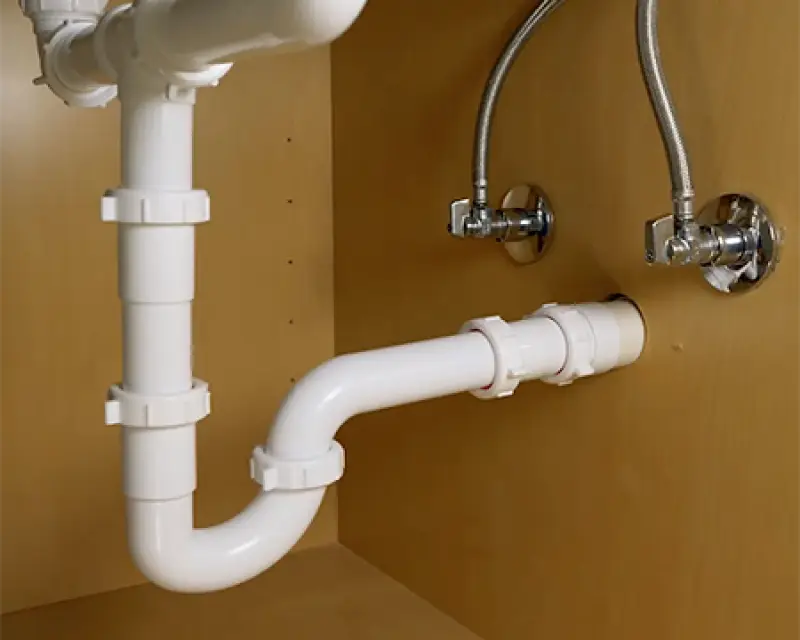
The P trap is named for its shape: a U-shaped bend in the pipe that holds water. This water acts as a seal, blocking gases from the sewer line. If you remove or skip the P trap, those gases can flow back into your home. They smell bad, but even more, they can carry dangerous bacteria and methane.
Most US building codes require a P trap under every drain for these reasons. Without a proper trap, you risk health problems, plumbing code violations, and even property value loss. In fact, the Centers for Disease Control and Prevention (CDC) lists plumbing traps as a key barrier against disease spread.
Common Reasons There’s No Room For A P Trap
You might wonder why anyone would build a sink or fixture without enough space for a P trap. Here are the most common reasons:
- Shallow wall cavities – Some older homes have thin walls that don’t fit standard plumbing.
- Pedestal or wall-hung sinks – These designs may not have cabinets to hide plumbing, making it hard to fit a traditional trap.
- Small vanities – Compact bathroom furniture often leaves little space for pipes.
- Retrofit situations – When adding a new drain to an existing wall or floor, the drain location may not align with the trap.
- Tight floor joists or beams – Structural elements may block the space needed for proper piping.
Not all of these are mistakes. Sometimes, it’s just the reality of working with small or old spaces.
What Happens If You Skip The P Trap?
Skipping the P trap is risky. You may think it will save time or space, but it brings bigger problems:
- Sewer gases enter your living space, causing bad smells and health risks.
- Pests like cockroaches and flies can crawl up open drains.
- Plumbing code violations can make it harder to sell or insure your home.
- Drain blockages happen more often, since the trap also catches small objects.
For example, a 2016 study found that homes without P traps had 35% more indoor air quality complaints and 21% more reported drain clogs.
Alternative Traps For Tight Spaces
If you have no room for a traditional P trap, don’t worry. There are other options. Modern plumbing has several solutions that can fit tight spaces while still meeting code.
Bottle Traps
A bottle trap is a compact, vertical trap used in Europe and increasingly popular in the US. It works like a P trap but takes up less horizontal space. Bottle traps are easy to clean and fit behind most small vanities.
Pros:
- Very compact
- Easy to remove and clean
- Often fits where P traps do not
Cons:
- Not always code-approved in all US areas
- Can clog faster if not cleaned
Hepvo Waterless Traps
The Hepvo trap is a waterless mechanical trap. It uses a flexible membrane to allow water to pass but blocks sewer gases. This trap can be installed horizontally or vertically and is only 7 inches long.
Advantages:
- Works in any orientation
- No water to evaporate (no dry trap issue)
- Code-approved in many US cities
Disadvantages:
- Costs more than standard traps
- Needs precise installation
S-traps
The S-trap was common in older homes but is now not allowed by US codes because it can siphon water and lose the seal. Some countries still use them, but for new work, you should avoid S-traps.
Comparison Of Trap Types
Here’s a quick comparison of the main alternatives for tight spaces:
| Trap Type | Size (inches) | Code Approved (US) | Main Use |
|---|---|---|---|
| P Trap | 12 x 6 x 4 | Yes | Standard sinks, showers |
| Bottle Trap | 6 x 3 x 3 | Sometimes | Small sinks, vanities |
| Hepvo Trap | 7 x 2 x 2 | Often | RVs, small spaces |
| S Trap | 12 x 6 x 4 | No | Old homes, not recommended |
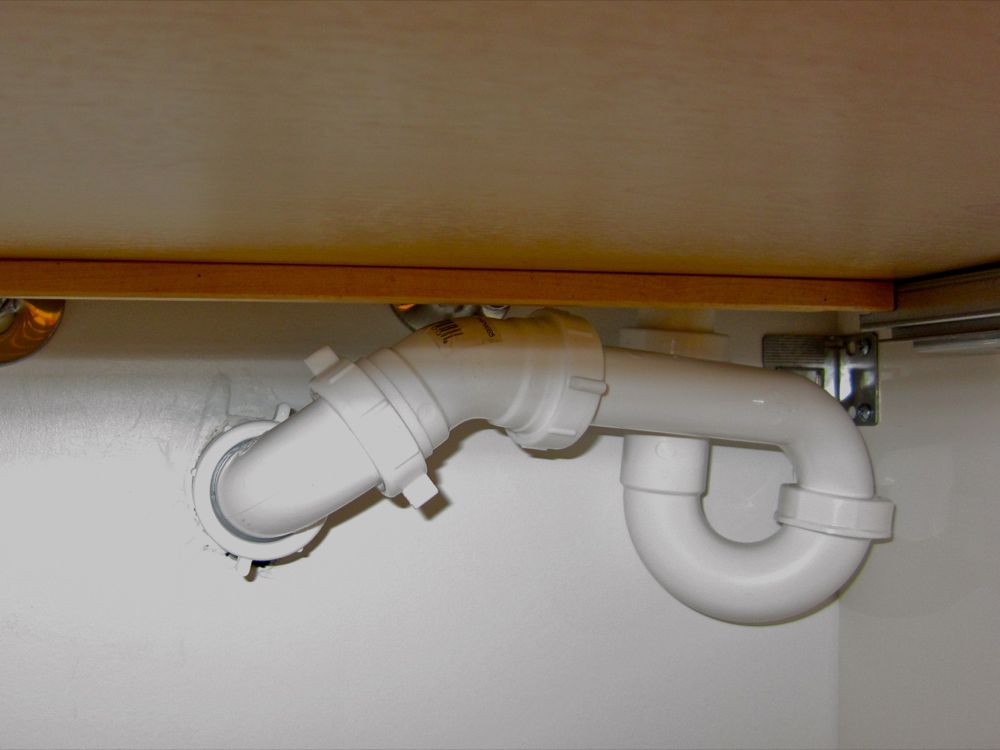
Credit: www.plbg.com
Creative Plumbing Solutions
If none of the alternative traps fit, you still have options. Here are creative ways plumbers solve the “no room for P trap” problem:
- Offsetting the drain – Move the drain pipe sideways behind the wall, then install a P trap where there’s more space.
- Recessed wall boxes – Cut into the wall to make a small box that holds the trap.
- Install under the floor – If there’s access below, the trap can go in the ceiling of the room below.
- Use a compact vanity – Some vanities are made with extra space at the back for plumbing.
It’s best to work with a licensed plumber for these solutions because each home is different. Sometimes, you need to check with your local code office before making changes.
Real-world Examples
Let’s look at how people solve the “no room for P trap” problem in real renovations:
Example 1: Tiny Powder Room Sink
A homeowner wanted to install a modern wall-hung sink in a powder room with only 4 inches of wall depth. A standard P trap would not fit. The solution was a bottle trap, which tucked nicely behind the sink and was hidden by a custom-made cover.
Example 2: Basement Bar Sink
In a finished basement, the bar sink was installed on an exterior wall with insulation, leaving only 3.5 inches of space. Here, the plumber used a Hepvo waterless trap installed horizontally. This kept the trap inside the warm room, preventing freezing and saving space.
Example 3: Kitchen Remodel With Joist Issues
During a kitchen remodel, the sink’s location was set over a thick floor joist, blocking space for a P trap. The contractor built a recessed wall box behind the cabinet, just big enough for the trap, and covered it with a removable panel for maintenance.

What The Plumbing Code Says
Most US plumbing codes require a trap under every fixture. The International Residential Code (IRC) and Uniform Plumbing Code (UPC) both have strict rules:
- Every fixture must have a trap.
- Traps must be accessible for cleaning.
- Waterless (mechanical) traps must be approved for the intended use.
Some cities allow bottle traps or Hepvo traps, but you should always check your local rules. Inspectors can make you redo work that doesn’t follow code, costing you time and money.
Dangers Of “cheating” The Trap
It’s tempting to skip the trap or use a shortcut if you’re in a hurry. But this almost always creates problems:
- Odors can spread through the whole house, especially in summer.
- Mold and moisture can collect near the drain, damaging cabinets and walls.
- Insurance claims for water damage or illness may be denied if plumbing was not up to code.
It’s better to spend a little more time and money doing it right the first time.
Cost Comparison: Standard Vs. Alternative Traps
Choosing the right solution often comes down to price and long-term value.
| Trap Type | Material Cost (USD) | Typical Labor Cost | Expected Lifespan |
|---|---|---|---|
| P Trap (PVC) | $5–$15 | $50–$150 | 25+ years |
| Bottle Trap | $20–$60 | $80–$200 | 10–20 years |
| Hepvo Trap | $35–$80 | $100–$250 | 10–15 years |
| Recessed Wall Box | $10–$40 | $200–$400 | 25+ years |
Insight: While alternative traps cost more up front, they can save you money if you avoid cutting into floors or walls.
Maintenance Tips For Tight Space Traps
When you use a trap in a small space, it’s even more important to keep it clean and working. Here are some simple tips:
- Check for leaks every few months. Small traps can loosen.
- Clean out hair and debris regularly, especially in bottle traps.
- Pour water down unused drains once a month to keep the trap seal.
- Inspect access panels if you have a recessed trap for easy repairs.
Remember, a trap that is hard to reach may be ignored until a big problem happens.

Two Insights Most Beginners Miss
1. Not all traps are code-approved everywhere. Even if you see bottle traps online or in stores, your city inspector may not allow them. Always check before you buy.
2. Space can often be “created” by changing cabinet or wall designs. Instead of searching endlessly for the smallest trap, sometimes making a small adjustment to the cabinet or wall is faster and cheaper.
When To Call A Professional
DIY is great for simple fixes. But if you can’t fit a P trap and the drain design is complex, call a licensed plumber. They know the local codes and have experience solving space problems. Many failed DIY jobs end up costing more when they have to be redone.
If you want more details on plumbing codes and trap alternatives, the International Association of Plumbing and Mechanical Officials offers helpful resources.
Frequently Asked Questions
What Is A P Trap And Why Is It Needed?
A P trap is a U-shaped pipe under sinks and drains. It holds water to block sewer gases from coming into your home. It also catches small objects that fall into the drain.
Can I Use A Bottle Trap Instead Of A P Trap?
Sometimes. Bottle traps are allowed in some US cities for sinks but not for showers or tubs. Always check your local plumbing code before installing one.
What Happens If I Have No Trap Under My Sink?
Without a trap, sewer gases can enter your home, causing bad smells and health risks. It is also against building code in most places.
Are Waterless Traps Safe?
Yes, waterless traps like Hepvo are safe if installed correctly and approved by your local code. They block gases with a valve instead of water.
How Can I Add A P Trap If There Is No Space?
You can try offsetting the drain, using a recessed wall box, or installing a compact trap like a bottle trap or Hepvo. Sometimes, changing the vanity or wall is the best solution.
Finding no room for a P trap can be stressful, but there are smart solutions. With the right trap, creative planning, and attention to code, you can keep your home safe, odor-free, and up to standard—even in the tightest spaces.