
A washing machine that won’t drain is one of the most frustrating problems in home laundry. You finish a wash cycle, but the drum is still full of water. Clothes are heavy, dripping wet, and you cannot start a new load. This issue can happen with both top-load and front-load washers, and it’s more common than many people think. Whether your machine is new or old, drainage problems can occur for several reasons. Understanding the causes and knowing how to fix them can save you time, money, and stress.
This article explains why your washing machine won’t drain, how to troubleshoot, and what steps to take. It covers common causes, repair tips, safety advice, and even when to call a professional. If you’re dealing with a washer full of water, you’ll find practical guidance here.
Why Washing Machines Won’t Drain
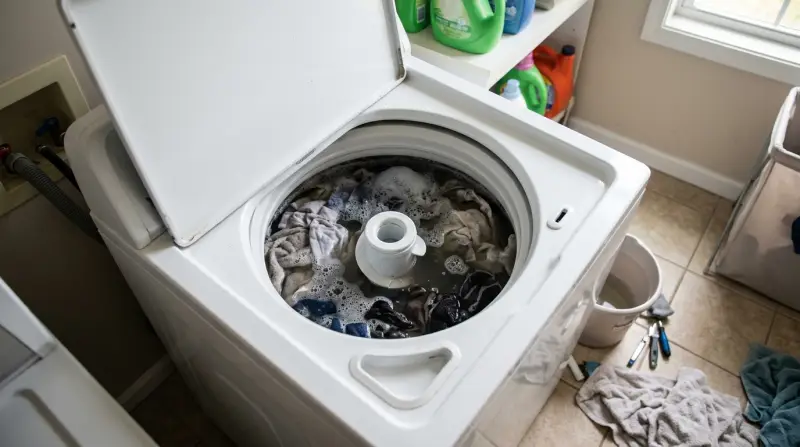
Before you start fixing, it helps to know why the problem happens. Drainage issues are usually linked to four main factors:
- Blocked drain hose
- Clogged pump filter
- Faulty drain pump
- Electrical or control problems
Let’s look at each cause in more detail.
Blocked Drain Hose
The drain hose is the tube that carries water out of the washing machine. If it’s blocked, water cannot leave the drum.
- Common blockages: Lint, small socks, coins, hair, and dirt can build up inside the hose.
- Kinks or bends: If the hose is twisted or bent, water flow is restricted.
Clogged Pump Filter
Most modern washers have a pump filter that traps debris. Over time, this filter can fill with lint, buttons, or hair.
- Result: The pump cannot push water out, so it stays in the drum.
Faulty Drain Pump
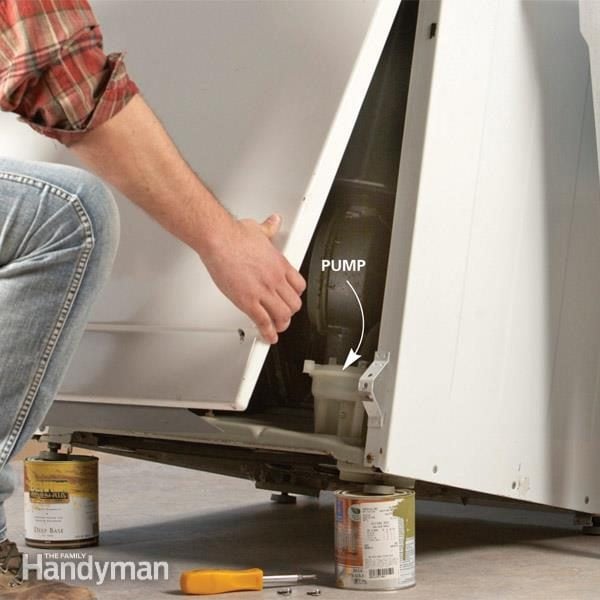
The drain pump moves water from the washer to the drain pipe. If it’s broken or jammed, water won’t drain.
- Signs: Strange noises, humming, or silence from the pump area during the drain cycle.
Electrical Or Control Problems
Sometimes, the issue is not physical. The washer’s control board or wiring may fail, stopping the drain command.
- Power surges, faulty switches, or damaged wires can all affect draining.
How To Diagnose The Problem
It’s not always clear why your washing machine won’t drain. Here’s how to find the cause step by step.
- Check for visible blockages. Look at the drain hose behind the washer. Is it bent, kinked, or crushed?
- Listen during the drain cycle. Does the machine make normal pump noises, or is it silent?
- Inspect the pump filter. Many washers have a filter near the bottom front. Look for lint or debris.
- Test the drain hose. Remove it and run water through. Does water flow easily?
- Look for error codes. Modern washers display codes if something’s wrong. Check your manual.
If the washer has water inside, unplug it before checking anything. Safety first.
Quick Fixes For Washing Machines That Won’t Drain
Some drainage issues are simple to solve. Try these quick fixes before you call for help.
Straighten The Drain Hose
If the hose is kinked, straighten it. Make sure it’s not pushed against the wall or furniture.
Clean The Pump Filter
Open the filter cover (usually at the front bottom). Place a tray or towel underneath to catch water. Remove debris and rinse the filter.
Clear The Drain Hose
Disconnect the hose from the washer and the wall pipe. Flush it with water or use a flexible cleaning brush.
Reset The Washer
Turn off and unplug the machine for a few minutes. Plug it back in and start a drain cycle. Sometimes, this resets the control board.
Step-by-step Troubleshooting Guide
If the quick fixes don’t work, follow these steps.
1. Remove Standing Water
If your machine is full of water, you need to get it out before checking parts.
- Use a bucket and scoop to remove water manually.
- Some washers have an emergency drain tube near the filter.
2. Inspect Drain Hose
Disconnect the hose and check for clogs. Run water through to test flow.
3. Examine Pump Filter
Open the filter cover, clean out debris, and replace the filter.
4. Test The Drain Pump
Turn on the machine and start a drain cycle. Listen for the pump. If it’s silent or noisy, it may be faulty.
5. Check Electrical Connections
Look at the wiring and plug. Make sure everything is connected and there are no burnt wires.
6. Look For Error Codes
Refer to your washer’s manual. Codes like E21, F02, or ND often mean drain problems.

Credit: www.domesticandgeneral.com
Comparing Common Washing Machine Drain Issues
Here’s a quick comparison of the main causes, symptoms, and solutions.
| Issue | Symptoms | How to Fix |
|---|---|---|
| Blocked hose | Water stays, hose bent | Straighten and clean hose |
| Pump filter clogged | Water inside, dirty filter | Clean filter |
| Drain pump faulty | No noise, pump hums | Replace pump |
| Control board issue | Error codes, no drain | Reset or repair electronics |
When To Call A Professional
Some problems are easy to fix, but others need expert help. Call a technician if:
- The drain pump is broken or jammed.
- There are electrical faults or error codes you cannot clear.
- The washer smells burnt or has water leaks.
- You tried all steps, but water still won’t drain.
Professional repair can cost between $150 and $350 in the US, depending on the issue. Sometimes, if the washer is old, it’s better to replace than repair.
Preventing Drain Problems
A few simple habits can keep your washer draining well.
- Clean the pump filter every month.
- Check the drain hose for kinks after moving the washer.
- Don’t overload the drum. Too many clothes can block drainage.
- Use less detergent. Excess soap can cause buildup.
- Remove small items like coins or hairpins before washing.
These steps reduce the risk of clogs and pump problems.
Data: Which Washing Machines Drain Better?
Some models have fewer drain problems. Here’s a comparison of drainage reliability by washer type.
| Washer Type | Drain Reliability (%) | Common Issues |
|---|---|---|
| Front-load | 92 | Filter clogs, pump faults |
| Top-load | 89 | Hose blockages, lid switch |
| High-efficiency | 95 | Control board errors |
High-efficiency washers tend to drain better because of improved design, but they are sensitive to electrical faults.

Credit: www.youtube.com
Common Mistakes When Fixing Drain Problems
Many people make errors when trying to fix a washer that won’t drain. Avoid these mistakes:
- Forgetting to unplug the machine before opening parts.
- Using sharp tools that can damage hoses or filters.
- Skipping filter cleaning, thinking it’s not important.
- Ignoring error codes and continuing to use the washer.
Always check the manual and follow safety guidelines.
Non-obvious Insights
Most beginners miss these key points:
- Small socks and baby clothes are often the cause of blockages. They slip past the drum and get stuck in the hose or pump.
- Regular filter cleaning is more important than people realize. Even if your machine seems fine, a dirty filter can cause sudden drain failure.
- Drain problems can cause mold growth inside the washer. If water stays inside, clean the drum and gasket to prevent odors and bacteria.
What If Your Washer Still Won’t Drain?
If you’ve tried all steps and your washing machine still won’t drain, consider these options:
- Check for warranty. Many washers have a 2–5 year warranty for mechanical faults.
- Contact customer support. Brands like Whirlpool, LG, and Samsung have helplines and online troubleshooting tools.
- Read online guides. Sites like Consumer Reports offer repair tips and model reviews.
Cost Of Repair Vs Replacement
Sometimes, fixing a washer is not worth the cost. Here’s a data table showing typical prices.
| Issue | Repair Cost ($) | Replacement Cost ($) |
|---|---|---|
| Pump replacement | 150–250 | 500–900 |
| Control board | 200–350 | 600–1000 |
| Hose cleaning | 80–120 | — |
If your washer is over 8 years old, consider replacement for better efficiency and fewer problems.
Frequently Asked Questions
Why Is My Washing Machine Not Draining Even After Cleaning The Hose?
If you cleaned the hose but water still won’t drain, the pump filter or drain pump may be clogged or faulty. Check the filter for debris and listen for pump noise. If the pump is silent, it may need replacement.
Can I Use Chemicals To Unclog My Washer?
It’s not recommended to use harsh chemicals for washing machine clogs. These can damage hoses and pumps. Instead, clean the filter and hose manually with water and a soft brush.
How Often Should I Clean The Pump Filter?
Clean the pump filter at least once a month. If you wash pet blankets, baby clothes, or items with lots of lint, clean it more often.
What Does The Error Code E21 Mean On My Washer?
E21 is a common error code in many brands, indicating a drain problem. It usually means the pump or hose is blocked. Check your manual for specific guidance.
Is It Safe To Fix A Washer Myself?
Basic fixes like cleaning the hose and filter are safe if you unplug the machine first. For electrical or pump repairs, it’s best to call a technician to avoid injury or further damage.
A washing machine that won’t drain is annoying, but most problems can be solved with a little time and effort. Always start with simple checks, keep safety in mind, and don’t hesitate to call for help if needed. Proper maintenance will keep your laundry routine smooth and help your washer last longer.
1 thought on “Washing Machine Won’t Drain? Top Fixes to Try Now”