
If your garbage disposal is not draining, you’re not alone. Many homeowners face this problem at some point. A garbage disposal is designed to grind food scraps and flush them down the drain, but sometimes water backs up, leaving you with a sink full of dirty water. This can be frustrating, messy, and even a little embarrassing if guests are around. The good news is, most drainage issues can be fixed without calling a plumber—if you know what to look for and what steps to take.
In this guide, you’ll learn why garbage disposals stop draining, how to diagnose the problem, and what steps to fix it. You’ll also discover helpful tips, common mistakes, and when to call for professional help. Whether you’re handy or just trying to avoid a big repair bill, this article will help you get your sink running smoothly again.
Why Garbage Disposals Stop Draining
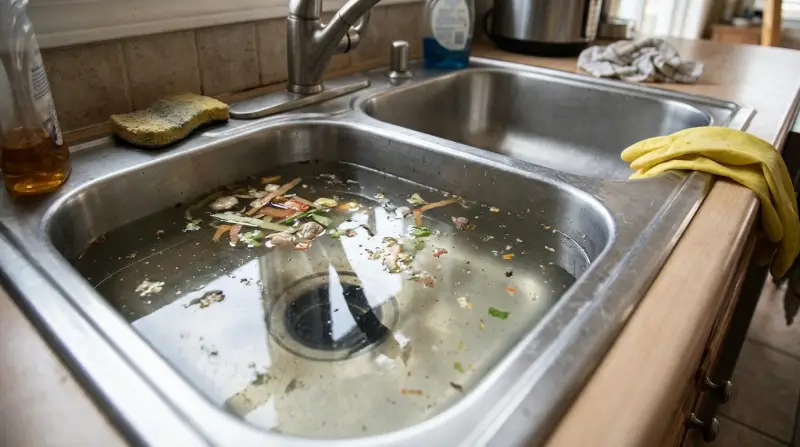
A garbage disposal relies on clear pipes and working parts to move water and ground-up food out of your sink. When something blocks the flow, water collects and won’t drain. The most common causes include:
- Food Clogs: Fibrous foods like celery, potato peels, or pasta can get stuck in the disposal or pipes.
- Grease Build-up: Pouring fat or oil down the drain causes sticky residue, trapping other debris.
- Foreign Objects: Accidentally dropping utensils, sponges, or other items can jam the disposal.
- Pipe Blockages: Clogs may occur beyond the disposal, in the trap or main drain line.
- Faulty Disposal: Broken blades, burnt motors, or jammed components can stop grinding and draining.
A recent survey by the National Association of Home Builders found that garbage disposals are among the top five kitchen appliances to break down—mostly due to improper use or maintenance. Understanding what causes drainage problems is the first step to fixing them.
Signs Your Garbage Disposal Is Not Draining Properly
You may notice several warning signs before your disposal completely stops draining. Look out for these:
- Water pooling in the sink
- Slow drainage even after running the disposal
- Gurgling noises or bubbling water
- Bad odors from trapped food
- Disposal humming but not working
If you see any of these, act quickly. Waiting too long can lead to bigger plumbing issues or water damage.
Diagnosing The Drainage Problem
Before you reach for tools or call a plumber, try to find out what’s causing the issue. Here’s how to diagnose the problem step-by-step:
- Turn off the disposal: Always unplug or switch off power to avoid injury.
- Check for visible clogs: Look inside the disposal with a flashlight. Remove obvious debris using tongs or pliers (never your hands).
- Try running water: If water drains slowly, the blockage is likely in the pipes. If it doesn’t drain at all, the clog may be in the disposal or the trap.
- Listen for unusual sounds: A humming noise with no grinding means something may be jammed.
- Smell for odors: Strong smells can indicate trapped food or grease.
- Inspect the dishwasher connection: If your dishwasher drains into the disposal, check for backflow.
If you find a simple clog, you may be able to fix it yourself. If not, you’ll need to try more advanced steps.
Step-by-step Solutions For A Garbage Disposal Not Draining
Unclogging Minor Food Blockages
Most drainage issues are caused by food clogs. Here’s how to clear them safely:
- Turn off power: Unplug the disposal or shut off the circuit breaker.
- Remove visible debris: Use pliers or tongs to pull out stuck food.
- Flush with hot water: Run hot water for 1-2 minutes to loosen grease.
- Use baking soda and vinegar: Pour 1/2 cup baking soda, then 1 cup vinegar. Let fizz for 5 minutes, then flush with hot water.
- Test the disposal: Plug back in and run for a few seconds.
This method works well for small clogs, especially after holiday cooking or large meals.
Clearing Deeper Pipe Clogs
If water still won’t drain, the problem may be in the pipes. Follow these steps:
- Place a bucket under the sink trap: The trap is the U-shaped pipe under your sink.
- Loosen the slip nuts: Use pliers to unscrew the nuts and remove the trap.
- Clean the trap: Use a brush or wire to clear debris.
- Check the pipes: If the trap is clear, try snaking the drain line.
- Reassemble and test: Put the trap back, run water, and check for drainage.
Here’s a comparison of common pipe cleaning methods:
| Method | Effectiveness | Cost | Skill Level |
|---|---|---|---|
| Manual Cleaning | High (for local clogs) | Low | Beginner |
| Drain Snake | Very High (for deep clogs) | Medium | Intermediate |
| Chemical Cleaners | Medium | Medium | Beginner |
| Professional Service | Very High | High | Expert |
Manual cleaning works for most home clogs, but a drain snake is best for blockages further down the line.
Fixing Disposal Jams And Motor Issues
Sometimes, the disposal itself is jammed. Here’s what to do:
- Turn off power: Always start with safety.
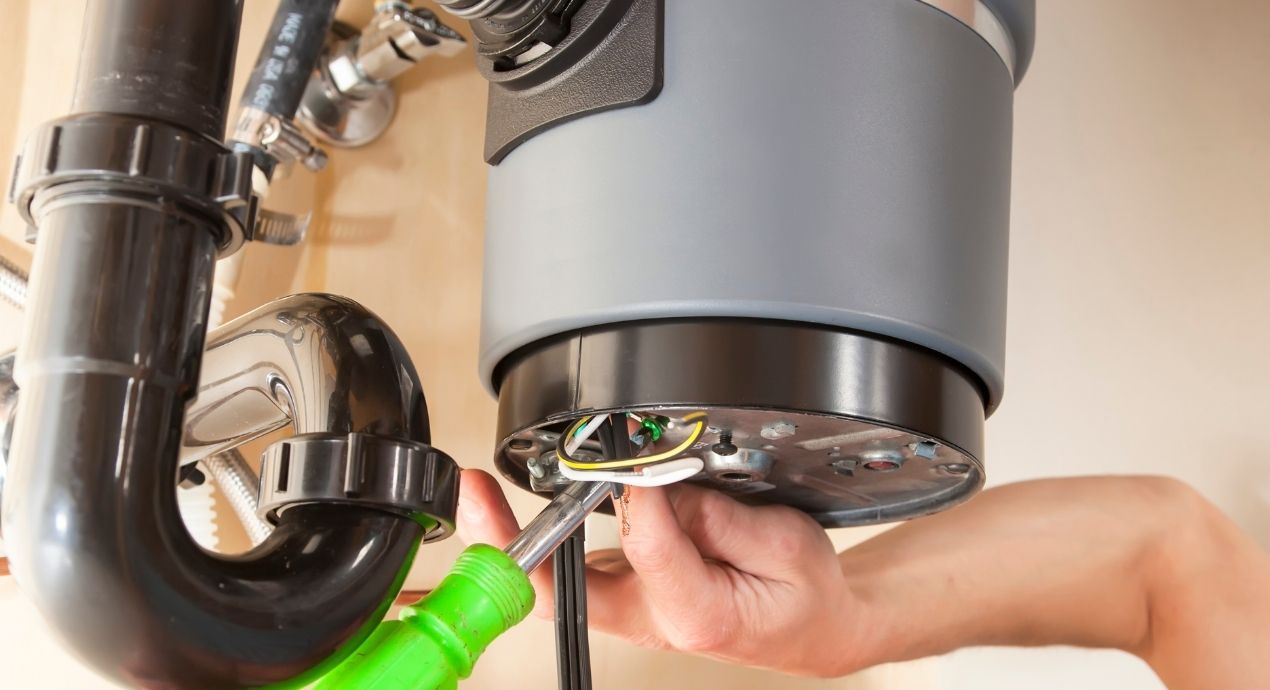
- Locate the reset button: It’s usually on the bottom of the disposal.
- Press the reset button: Wait a few minutes, then turn the power back on.
- Use a hex wrench: Insert into the hole underneath and turn back and forth to free the blades.
- Test the disposal: Run water and check for drainage.
If your disposal hums but doesn’t grind, the motor may be burnt out. In this case, replacement is often needed.
Dealing With Grease And Fat Build-up
Grease is a common cause of slow drainage. Here’s how to clear it:
- Pour boiling water: Boiling water can melt and move grease.
- Mix dish soap: Add a few drops to help break down fat.
- Repeat as needed: Sometimes multiple attempts are necessary.
Avoid pouring grease down the drain in the future. Instead, let it cool and dispose of it in the trash.
Removing Foreign Objects
If a spoon, fork, or other item falls into the disposal, it can block drainage and damage the blades. Here’s how to remove objects safely:
- Turn off power: Unplug or switch off at the breaker.
- Use tongs or pliers: Never use your hands.
- Check for damage: Inspect the blades for bends or cracks.
- Test drainage: Run water to see if the problem is fixed.
Foreign objects are a leading cause of disposal jams, especially in homes with young children.
Preventing Future Garbage Disposal Drainage Problems
Keeping your disposal and pipes clear saves time, money, and headaches. Here are proven tips:
- Run cold water before, during, and after using the disposal
- Cut food into small pieces before grinding
- Avoid fibrous foods like celery, corn husks, and artichokes
- Never pour grease, fat, or oil down the drain
- Clean with baking soda and vinegar once a month
- Check for leaks and loose connections regularly
A 2022 study from the Plumbing-Heating-Cooling Contractors Association found that regular cleaning reduced disposal breakdowns by 40% compared to homes with poor maintenance.
Foods And Items To Never Put In Your Disposal
Some items are known to cause blockages. Avoid these:
- Eggshells
- Coffee grounds
- Pasta and rice
- Bones
- Fruit pits
- Grease
- Fibrous vegetables
- Non-food objects
Disposing of these items in the trash keeps your pipes clear and your disposal working longer.
Comparing Maintenance Methods
Different cleaning and maintenance routines can help prevent drainage issues. Here’s a quick comparison:
| Method | Frequency | Effectiveness | Cost |
|---|---|---|---|
| Baking Soda & Vinegar | Monthly | High | Low |
| Commercial Cleaner | Quarterly | Medium | Medium |
| Manual Inspection | Every 6 months | High | Low |
| Professional Service | Yearly | Very High | High |
A simple monthly routine can prevent most clogs and keep your disposal running smoothly.
When To Call A Professional Plumber
While many garbage disposal drainage problems can be fixed at home, some situations require expert help:
- Persistent clogs after multiple attempts
- Leaking pipes under the sink
- Burnt-out motors or electrical issues
- Strange noises or vibrations
- Water damage around the sink
Plumbers have specialized tools and knowledge. In the US, the average cost for a disposal repair is $80–$250, while replacement can cost $150–$400. If you’re unsure, it’s better to call a pro than risk bigger issues.
Common Mistakes When Fixing A Garbage Disposal Not Draining
Many homeowners make mistakes that can worsen drainage problems. Avoid these:
- Using chemical drain cleaners excessively: These can damage pipes and disposals.
- Trying to fix with hands: Always use tools—disposal blades are sharp.
- Forgetting to turn off power: Risk of injury or electric shock.
- Pouring boiling water with plastic pipes: This can cause pipes to warp or leak.
- Ignoring leaks and smells: These are signs of bigger problems.
A surprising insight: most injuries from garbage disposals are caused by people reaching inside without unplugging the unit first.
Garbage Disposal Not Draining: Real-life Examples
Let’s look at a few situations to illustrate how drainage problems happen and are solved:
- Holiday Cooking: After Thanksgiving, a homeowner notices water backing up. Potato peels and turkey bones were ground up, causing a clog in the trap. Manual cleaning fixed the issue.
- Grease Dumping: A renter pours bacon grease down the drain. Over time, drainage slows. Boiling water and dish soap clear the grease, but monthly cleaning is needed to prevent recurrence.
- Toy Jam: A child drops a small plastic toy in the disposal. The unit hums but won’t drain. Using pliers to remove the toy solves the problem, but the blades are slightly damaged and need replacement.
These examples show that most issues are preventable with good habits.
Credit: www.libertyhomeguard.com
Garbage Disposal Not Draining Vs. Other Kitchen Drain Problems
Sometimes, a drainage issue isn’t caused by the disposal at all. Here’s a comparison of disposal problems vs. other common kitchen drain issues:
| Problem | Signs | Main Cause | Typical Solution |
|---|---|---|---|
| Garbage Disposal Not Draining | Pooled water, humming, odors | Food clogs, jams, grease | Manual cleaning, reset, pipe clearing |
| Sink Drain Blockage | Slow drain, gurgling | Soap scum, hair, debris | Snake, chemical cleaner, manual removal |
| Dishwasher Backflow | Water in sink after running dishwasher | Clogged disposal or air gap | Clear disposal, check air gap |
| Main Line Clog | Multiple drains slow | Deep pipe blockage | Professional snaking or hydro-jetting |
If more than one drain is slow, you may have a bigger plumbing problem. If only the disposal side is blocked, the issue is likely local.
Garbage Disposal Not Draining: Non-obvious Tips
Some advice isn’t obvious to beginners:
- Let the disposal run for 30-60 seconds after grinding food, with water flowing. Many people turn it off too soon, leaving bits stuck.
- Install a mesh sink strainer if you have children or drop items often. This prevents foreign objects from entering.
- Use ice cubes and citrus peels occasionally. Ice helps clean the blades, and citrus reduces odors.
These tips keep your disposal and drain fresher and clearer.

How To Replace A Garbage Disposal
If your disposal is old or damaged, you may need a new unit. Here’s how to do it:
- Turn off power and water
- Disconnect plumbing and mounting rings
- Remove old unit
- Install new disposal according to manufacturer instructions
- Reconnect pipes and test for leaks
Modern disposals use less energy and are quieter. The average lifespan is 8–15 years.
Eco-friendly Disposal Practices
Using your disposal wisely helps the environment:
- Compost food scraps instead of grinding them
- Avoid chemical cleaners
- Use water efficiently
- Dispose of grease in trash
According to the EPA, composting reduces landfill waste and greenhouse gases.
:max_bytes(150000):strip_icc()/Repair-a-Clogged-Garbage-Disposal-1824884-05-bb62a3fd41cb4e4587eacf7ed072ceb7.jpg)
Credit: www.thespruce.com
Frequently Asked Questions
Why Does My Garbage Disposal Hum But Not Drain?
A humming sound means the motor is running but the blades are jammed. The blockage could be from food, foreign objects, or motor issues. Turn off power, remove visible debris, and use a hex wrench to free the blades. If the unit still doesn’t drain, the motor may be damaged.
Can I Use Chemical Drain Cleaners In My Garbage Disposal?
It’s best to avoid chemical cleaners. They can damage disposal parts and pipes, and are dangerous if splashed. Use baking soda and vinegar, manual cleaning, or a drain snake. If needed, use chemicals sparingly and follow instructions.
How Do I Know If The Clog Is In The Disposal Or The Pipes?
If water drains slowly but not at all, the clog is likely in the pipes. If water won’t move even after running the disposal, the blockage may be in the unit or the trap. Remove the trap and check for debris.
If other drains are slow, the main line may be clogged.
Is It Safe To Repair A Garbage Disposal Myself?
Most minor issues can be fixed safely if you turn off power and use tools. Avoid using your hands in the disposal. For electrical or major plumbing issues, call a professional. Always check manufacturer guidelines before attempting repairs.
What Foods Are Most Likely To Cause Clogs?
Fibrous foods like celery, artichoke leaves, corn husks, and potato peels are common culprits. Pasta, rice, eggshells, coffee grounds, and bones also cause blockages. Avoid grinding these and dispose of them in the trash or compost.
If you need more detailed guidance, the Plumbing-Heating-Cooling Contractors Association offers resources at PHCC Official Site.
Taking care of your garbage disposal means fewer breakdowns, less mess, and a happier kitchen. With the right habits and occasional cleaning, you can avoid most drainage problems and keep your sink running smoothly for years to come.