
If you’ve ever walked into your bathroom and found your toilet seat turned blue, you might have felt confused or even worried. This strange change can seem alarming, especially if you don’t remember spilling anything unusual. Yet, you’re not alone—this odd problem has become a trending topic online, puzzling homeowners and renters alike. While a blue toilet seat might sound like a minor issue, it often raises questions about health, cleaning habits, and even pregnancy! Let’s dive deep into why toilet seats sometimes turn blue, what it means, and what you can do about it.
Why Do Toilet Seats Turn Blue?
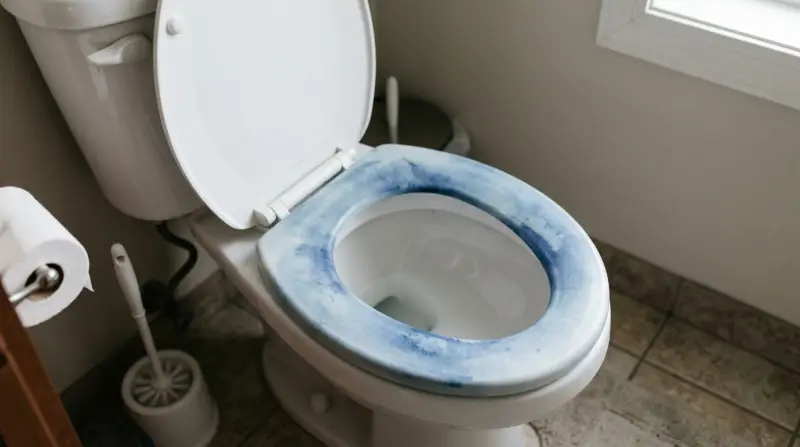
The sight of a blue toilet seat is more common than you might think. Several causes can lead to this mysterious color change. Some are harmless, while others could signal something important.
1. Chemical Reactions
Toilet seats are often made of plastic or wood covered in a glossy finish. When certain chemicals touch the surface, a reaction can happen. This is especially true if:
- You use strong cleaning products with bleach or ammonia
- There’s residue from colored soaps or bath bombs
- Skin products (like lotions or self-tanners) rub off
Some chemicals contain dyes or react with the toilet seat material, leaving a blue stain.
2. Pregnancy And Hormones
One surprising reason for a blue toilet seat is pregnancy. Some pregnant people notice that their toilet seat turns blue during early pregnancy. Scientists believe this may be due to increased hormones, especially estrogen and progesterone. These hormones can change the skin’s pH and cause more sweating, which can react with the chemicals in the seat.
This unusual reaction even has a name in online communities: “Smurf Butt Syndrome.” While it’s not dangerous, it’s definitely a surprise for those who experience it!
3. Medications And Supplements
Certain medications or supplements can cause your sweat, urine, or skin oils to react with the toilet seat. For example:
- Iron supplements
- Antibiotics (like tetracycline)
- Antidepressants
These substances can sometimes be excreted through sweat, especially if you sit for a long time.
4. Dyes And Clothing
Sometimes, the dye from new jeans or clothes can rub off onto the toilet seat. If you sit while wearing dark blue jeans, the color can transfer, especially on humid days or after a shower.
5. Cleaning Products And Disinfectants
Not all cleaning products are created equal. Some contain blue dyes or chemicals that can stain if not rinsed off properly. Other times, a mix of different cleaners can cause unexpected chemical reactions, leaving colored marks behind.
How Common Is This Problem?
The phenomenon of a toilet seat turning blue is not extremely rare. Online forums and home advice blogs have reported dozens of cases, with people sharing photos and personal stories. In a 2023 survey by a home cleaning website, about 2% of respondents said they had seen their toilet seat turn blue at least once.
This might sound like a small number, but considering there are over 120 million households in the United States, that could mean over 2 million cases! Many people might never notice, especially if the stain is light or fades quickly.
Signs It’s More Than Just A Stain
Most blue stains are harmless and can be cleaned. However, sometimes a blue toilet seat is a warning sign for something else.
When To Be Concerned
- Stains appear suddenly and spread quickly
- Blue marks also show up on your skin or clothes
- The color does not fade with normal cleaning
- You feel sick, itchy, or have skin irritation
In rare cases, blue stains could signal a reaction to medication, a skin condition, or even exposure to heavy metals. If you’re unsure, talk to a doctor, especially if you notice other health symptoms.
How To Remove Blue Stains From A Toilet Seat
No one wants a stained toilet seat. Luckily, most blue stains can be removed with the right approach. Here are some effective methods:
Gentle Cleaning First
- Warm soapy water: Start with mild dish soap and warm water. Wipe the seat with a soft cloth or sponge.
- Baking soda paste: Mix baking soda with water to form a thick paste. Gently rub onto the stain and leave for 10-15 minutes before wiping away.
- White vinegar: Spray diluted vinegar (half vinegar, half water) on the stain and let it sit for a few minutes. Wipe clean.
For Tough Stains
If the stain remains, try these stronger options:
- Hydrogen peroxide: Dab a small amount on a cloth and gently rub. Always test on a hidden area first.
- Magic eraser: These foam sponges can remove stubborn marks without scratching.
Avoid using harsh scrubbers or pure bleach, as these can damage the seat’s finish.
Cleaning Methods Comparison
Here’s a quick look at which cleaning methods work best for different causes of blue stains:
| Cleaning Method | Best For | Safe For Most Seats? |
|---|---|---|
| Warm soapy water | Mild stains, daily cleaning | Yes |
| Baking soda paste | Light chemical stains | Yes |
| Vinegar solution | Mineral deposits, light stains | Yes (if diluted) |
| Hydrogen peroxide | Pigment and dye stains | Test first |
| Magic eraser | Stubborn stains | Yes, with gentle use |
Preventing Blue Toilet Seats
If you want to keep your toilet seat white and spotless, prevention is key. Here are some practical tips:
- Avoid sitting on the toilet after applying lotions, self-tanners, or perfumes.
- Always wear clean, dry clothing—especially light colors—when using the toilet.
- Clean your seat regularly with mild soap and water.
- Rinse away any cleaning products thoroughly.
- Choose toilet seats made from high-quality materials, as cheap plastics can stain more easily.
Is It Safe? Health Risks Explained
Most blue stains on toilet seats are not dangerous. They usually come from harmless reactions between skin, cleaning products, or clothing dyes and the toilet seat material. However, there are rare cases where a blue stain can point to a health issue.
Blue Stains And Health
A persistent blue stain, especially if it appears on your skin or in your urine, could be a sign of:
- Medication side effects: Some drugs can change sweat or urine color.
- Copper exposure: Very rarely, blue-green stains can signal copper poisoning.
- Skin conditions: Some rare skin problems can cause discoloration.
If you notice other symptoms, such as rashes, fever, or ongoing blue marks on your body, seek medical advice.

Credit: chemistry.stackexchange.com
Real-life Examples
Online communities are full of stories about blue toilet seats. Here are a few examples:
- A woman in Texas noticed her toilet seat turned blue during her first pregnancy. She later found out about the hormonal connection after reading similar stories online.
- In another case, a family traced their blue stains to a new pair of jeans their teenager wore after every soccer practice.
- Some people report blue stains after switching to a different multivitamin or starting an iron supplement.
These real stories show that the blue toilet seat problem is not just a myth. It can happen to anyone, for a variety of reasons.
Material And Toilet Seat Color Comparison
Not all toilet seats are equally likely to turn blue. The material and color make a big difference in both stain resistance and how easy it is to clean.
| Seat Material | Stain Resistance | Ease of Cleaning | Notes |
|---|---|---|---|
| Plastic (Polypropylene) | Moderate | Easy | Most common, affordable |
| Plastic (Thermoplastic) | Good | Easy | Better stain resistance |
| Wood (enamel coated) | Low | Medium | Can chip, harder to clean |
| Colored/Patterned Seats | Varies | Varies | Stains less visible, but still possible |
When Replacement Is The Best Option
Sometimes, stains are so deep that cleaning isn’t enough. If your toilet seat:
- Remains blue despite all cleaning attempts
- Has cracks or rough surfaces where stains collect
- Looks worn, faded, or damaged
It’s better (and more hygienic) to replace it. New toilet seats are affordable and easy to install. Choose a model that fits your toilet and is made from stain-resistant materials.
Blue Toilet Seats In Public Restrooms
While most cases happen at home, some people notice blue stains on public restroom seats. These can come from:
- High traffic and mixed cleaning chemicals
- People using self-tanners or strong medications
- Cheaper seat materials that stain easily
If you use public toilets often, it’s a good idea to carry sanitizing wipes for your peace of mind.

Surprising Insights Most People Miss
Here are two facts about blue toilet seats that many beginners don’t realize:
- Hard water can make stains worse. If you live in an area with hard water, minerals can react with chemicals on the seat, making blue stains more likely and harder to remove.
- Humidity and heat increase staining risk. After a hot shower, your skin is sweatier, and the bathroom is more humid. Both make it easier for dyes or skin products to transfer and react.
Being aware of these factors can help you prevent and tackle the problem more effectively.
Frequently Asked Questions
Why Did My Toilet Seat Turn Blue Overnight?
Sudden blue stains often happen due to a combination of sweat, skin products, or new clothing dyes. If you used a new product or wore new clothes, this is likely the cause.
Can A Blue Toilet Seat Mean I’m Pregnant?
It’s possible, but not always. Some pregnant people experience blue stains due to hormonal changes, but other causes are more common. If you suspect pregnancy, take a test or consult a doctor.
Will The Blue Stain Go Away On Its Own?
Some light stains may fade over time with regular cleaning. However, deep or chemical-based stains usually need special cleaning methods to remove them completely.
Is A Blue Toilet Seat Dangerous For My Health?
Most of the time, no. Blue stains are usually harmless. But if you have other symptoms or the stain appears on your skin, it’s wise to get a medical checkup.
How Can I Prevent Blue Stains From Coming Back?
Clean your toilet seat regularly, avoid sitting after applying lotions, and wear clean, light-colored clothes. If the problem keeps coming back, consider changing your cleaning products or replacing the seat with a higher-quality one.
If you want to learn more about unusual household stains, you can check advice from the Wikipedia Toilet Seat page.
Finding a blue toilet seat can be surprising, but it’s rarely a reason to panic. With the right knowledge and a few cleaning tricks, you can keep your bathroom fresh, clean, and stain-free.